
Tag: Trailer

  • Psychedelic overground

    Psychedelic overground

      Space
    Space

    Rugby lads on ibogaine, reality stars in hyperreality and tarot cards swapped for toys. Turns out the revolution will be fun

       Inevitably, models gather in St Tropez for a charity fundraiser hosted by Christian Angermeyer’s      Aurora Institute
    Inevitably, models gather in St Tropez for a charity fundraiser hosted by Christian Angermeyer’s Aurora Institute

    With celebs like Sharon Osborn extolling the virtues of ketamine therapy get ready for the neighbourhood popping their heads through the door of your clinic.

    The psychedelic renaissance has flowed beyond the dinner party circuit on to the high street. Ketamine treatment is even more of a talking point than the toad thing. KAP got a shout out from UK TV’s Loose Women co-host Frankie Bridge (the striking one out of The Saturdays who had short hair) and Hello! mag went large.

    Dr Leary’s orbiting urn would spin at an angle that defied conventional physics to see trite psychedelic lifestyle design clichés replaced by… trite lifestyle design clichés.

    Sports stars have been hot on their daytime TV counterparts’ heels: gridiron megastar Aaron Rogers puts a late career surge down to ayahuasca and other football players extol psychedelic healing for concussion and stubborn injuries. Combat sports are beloved of thugs but played by gentlemen so being miles ahead doesn’t count.

    Even the middle market are getting out there. Gen-X footwear designer Patrick Cox spoke about his new life as an Ibizan 5-MEO DMT facilitator to Hadley Freeman in The Guardian this summer. Ever intrepid, Freeman ‘smoked toad’ [sic] despite her editor’s express instructions.

    A Vital study group chum undergoing ketamine therapy recently declared that sock puppets had been added to her clinic’s table of tripping props (with the spirit animal cards and crystals). She spent the session happily playing with them. 

    Maybe this doesn’t sound ‘mystical’ enough to those of us with well-thumbed copies of The Tibetan Book of the Dead

    Chatting away to the guides during the medicine experience, or wanting to go outside, can be a distraction from the work you’re there to do apparently. After you’ve come down you could be disappointed you didn’t get any of that done. I don’t disagree that it could feel like a waste of time for all concerned.

    “Wit is the ability to find hidden similarities linking two ideas which are contrasted with each other”

    But on psychedelics ‘what comes up, comes up’ to use the platitudinous truism. TV’s Dr Bill Richards, the veteran John Hopkins’ researcher featured in Netflix’s How to Change Your Mind said laughter “May be what’s needed” in his own Vital lecture.

    I rubbished Freudian psychoanalysis in issue #11 by ranting about how the only therapeutic system that’s been established as ‘fact’ for 100 years has poisoned our intellectual conversation and our mental healing.

    Turns out Freud wrote about the importance of humour in 1905’s The Joke and its Relation to the Unconscious. Before putting pen to paper he took the opportunity to discuss the subject with hilarious cards from his Viennese social whirl.  The many positive conclusions included, ‘Wit is the ability to… find hidden similarities… linking two ideas which in some way are contrasted with each other.’

    Laughter is the yang of meditative, non-dual understanding’s yin. The unconscious plays a leading role both in devising clever quips and responding to them in real time, without conscious analysis. On top of healing relational trauma, laughter and play in adults are also ‘positively correlated’ with increased sociability, spontaneity, tension release, innovation, de-stressing, longevity, immunity, energy levels, teamwork and parasympathetic nervous system activation

    “Whether I was crying or laughing, was not too important”

    And never mind the cave paintings, because psychedelics gave us jokes. The 2021 research paper Psychedelics, Sociality, and Human Evolution says, ‘In particular, the interpersonal and prosocial effects of psilocybin may have mediated the expansion of social bonding mechanisms such as laughter, music, storytelling, and religion.’ 

    LSDExperience.com a compendium of the finest, trip writing includes this anonymous quote: “Whether I was crying or laughing was really not too important, except on the conventional level. The important point was that the tree of my emotions was being vigorously shaken and liberated of some withered leaves which had hung on too long.”

    Spiritual emergencies, fearful reactions, and sudden life changes are likely to be of more concern for ketamine entrepreneurs and therapists than the number of mystical versus humorous experiences per week going down in their clinic. But not for nothing does the Bible call humour ‘the best medicine.’ It could be comparable to spirituality, or philosophy for coming to terms with complex and contrasting themes.

    At dinner, or on the high street.

    It’s legislators who seem out on the fringes now.
  • War and peace

    War and peace

      Medical
    Medical

    Ketamine’s been used as an anti-depressant for decades. Its effect on neurotransmitter glutamate may hold the key to understanding mental health

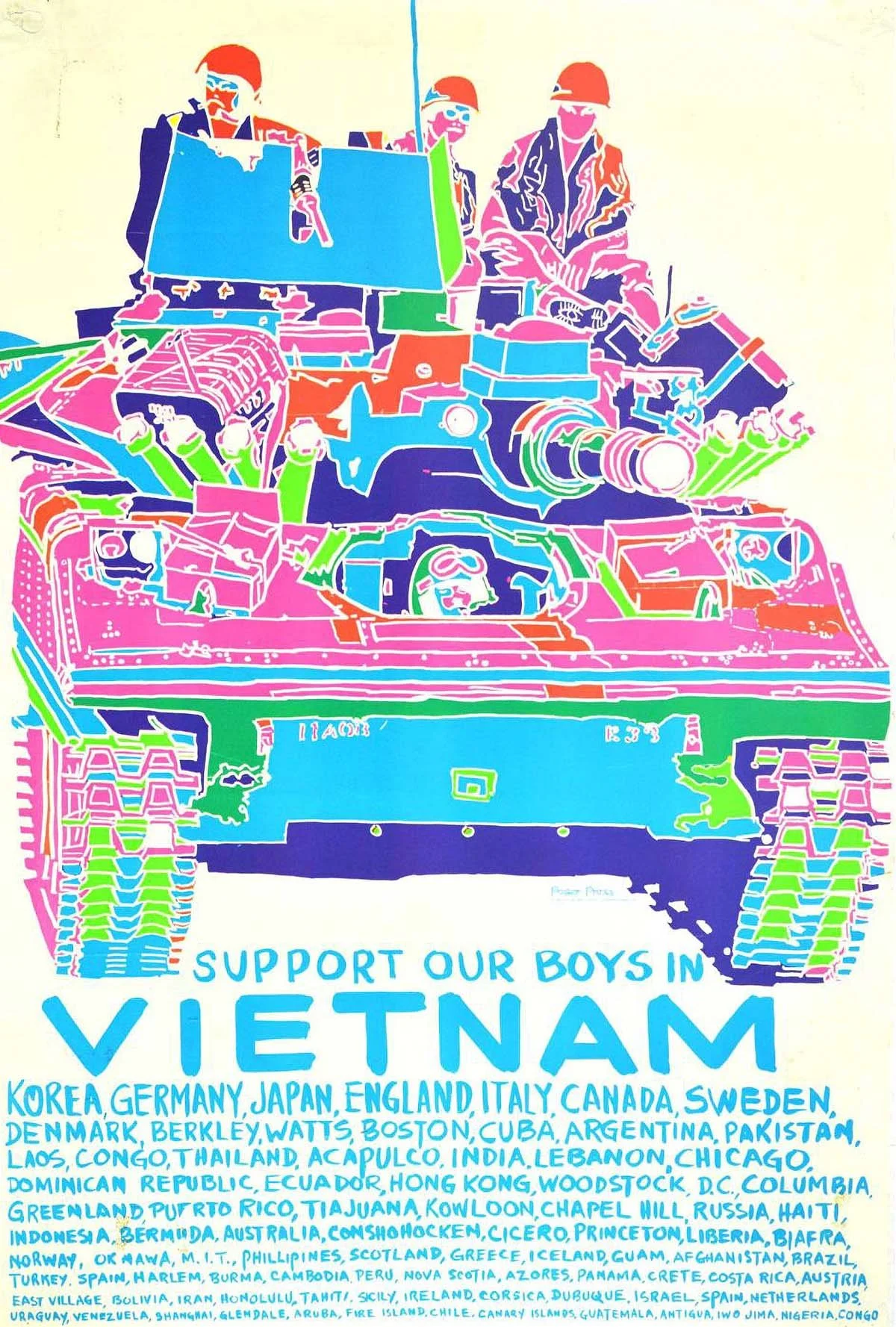
       Vintage war poster from      Antikbar Art
    Vintage war poster from Antikbar Art

    Ketamine’s actually been used as an antidepressant for many years, even in the NHS.

    With D-list celebrities queuing up for ketamine, it’s even easier to write it off as a D-list consciousness expander. But that’d be both distastefully othering and ignorant of ketamine’s rich heritage.

    Ketamine’s disinhibiting dissociative ‘emergent states’ comparable to psychedelic visions were noticed during its use as a battlefield anaesthetic in the Vietnam War. As were similar visions caused by its predecessor PCP AKA angel dust. The effects were studied in humans back in 1964.

    Loads more scientific double-blind investigations have been conducted into ketamine compared to proper psychedelics. Ketamine could work even better when combined with a designer drug in the same family, cycloserine, used to treat tuberculosis and kidney disease. 

    But ketamine’s authentic heritage treating mental health issues, plus its clarifying insights, aren’t all that’s worth bearing in mind before cocking any more snoops at the ketamine crew. 21st century neuroscience – and mycology – have dug up some astounding K-facts that endorse its use as a bio-psychological healing too.

    According to the superb Psychedelic Science Review, ketamine causes and mediates release of neurotransmitters in a ‘glutamate surge’ that essentially causes neuroplasticity.

    Ketamine could be “the most neuroplastic drug” as a psychiatrist commented in the Q&A after ketamine therapist Veronika Gold’s Vital lecture. Market anti-depressants only prompt limited aspects of this cascading process known as ‘brain derived neurotropic factor’ which isn’t dissimilar to the effects derived from healthy actives like cardio-vascular exercise. Un-mediated glutamate causes auto-immune and neurodegenerative diseases like ADHD, Parkinson’s and a raft of other conditions that psychedelics are associated with treating. Proper psychedelics are thought to do something similar but haven’t been lab-tested nearly as much as ketamine, so scientists can’t say for sure.

  • As above, so below

    As above, so below

      In  te  gr  at  io  n
    In te gr at io n

    A fungus using K to clear parasites could hold the secret to the brain-body disease connection

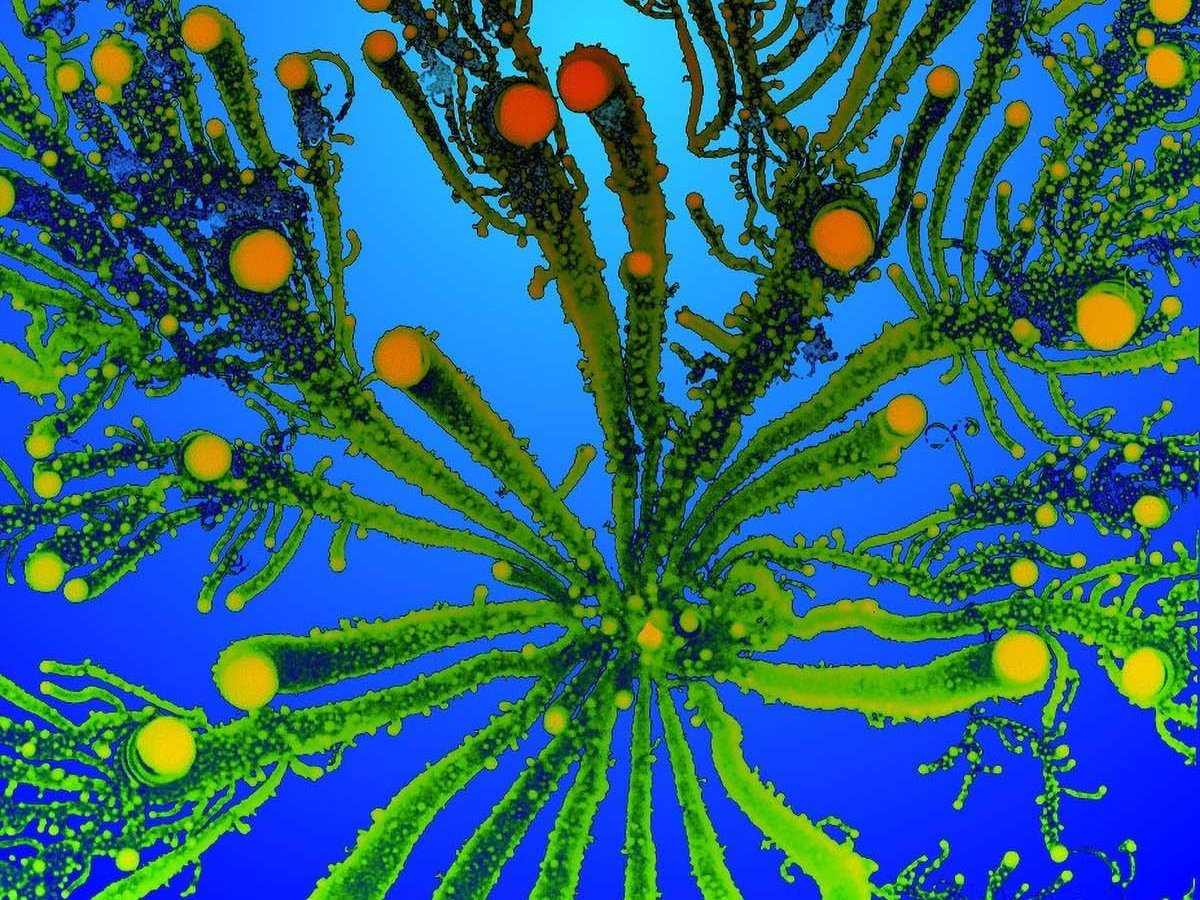
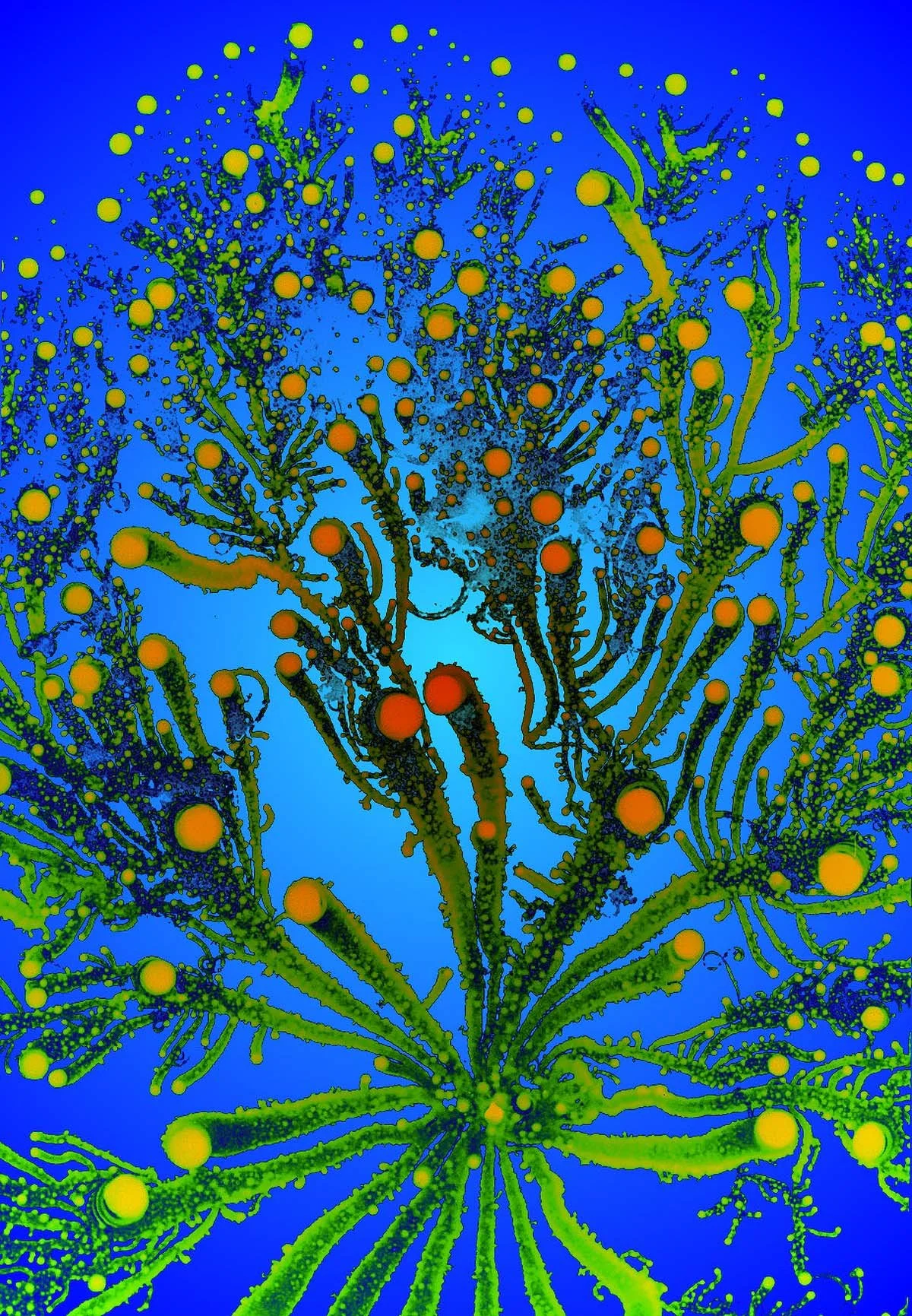
       Bacteria operating in fracal patterns observed by the late Dr Eschel Ben-Jacob
    Bacteria operating in fracal patterns observed by the late Dr Eschel Ben-Jacob

    Pochonia Chlamydosporia is a fungus recently discovered to use ketamine for flushing parasites out of its host plant’s roots.

    Discovered and hyped only recently, there are two eyebrow-raising elements to this. 

    Firstly ketamine is a ‘designer drug’, or as elite space commando and neuroscientist Andrew Gallimore wrote on Twitter, “a perfect example of a purely synthetic molecule. The arylcyclohexylamines, of which ketamine is the prototypic example, are a product entirely of the human mind… Oh wait…”

    Did the fungus get hold of it via the mycelial network? Is biology categorisable to the extent that a substance arrived at in lab tests can be naturally occurring but not yet discovered? Or did the Reality Switch Technologies Gallimore writes about come into play, somehow?

       Some ketamine killing parasitic worm eggs
    Some ketamine killing parasitic worm eggs

    Secondly: Pochonia Chlamydosporia uses ketamine as an anti-microbial agent. A robust two-parter in Psychedelic Science Review dug out a 1987 study where ketamine did a great job killing bacterial heart lining infections in rabbits – and stopped the rabies virus breeding in rats.

    In 2002 ketamine was tested against market antibiotics and crushed Staphylococcus aureus, a common opportunistic bacteria that causes all kinds of nastiness, from pimples and impetigo to MRSA and pneumonia… and has become 80% resistant to antibiotics since penicillin was invented in 1943.

    The 2020 report from the un-putdownable Parasites & Vectors journal tested ketamine against agricultural anti-wormer ivermectin, which used to be advertised on TV back in the West Country to give you an idea of how widespread its farming use is. Ketamine performed equally well.

    But what has actually captured the imaginations of many in the space is that this means ketamine counts as a ‘plant medicine’. I eagerly await the complex mythologies, concept albums, groundbreaking scientific discoveries, artistic genres, philosophical insights, and bespoke geometric fabric designs that shall surely now emerge from the ketamine subculture, such as it currently is.

  • Kool-Aid Corner #13

    Kool-Aid Corner #13

    To finish: trippy clippings, merry pranks, and psychedelic student life

    Graph of the Week

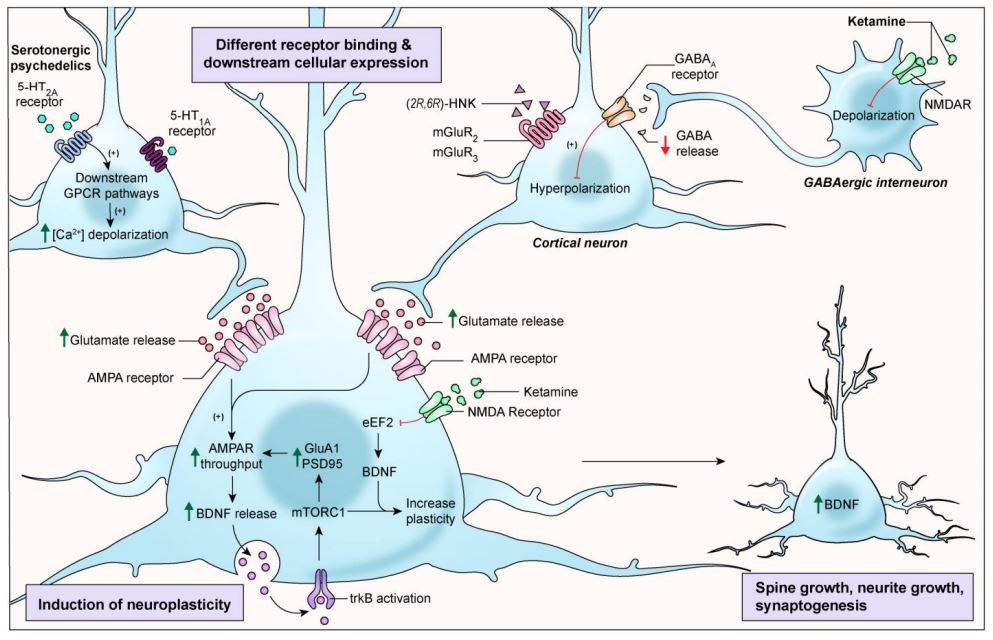
    How a glutamate ‘surge’ (it’s more of a mediation than a wave) works through the nervous system:

       From:      Ketamine and Serotonergic Psychedelics: Common Mechanisms Underlying the Effects of Rapid-Acting Antidepressants     , by Bashkim Kadriu, Jessica R Gilbert, Ioline D Henter, Christoph Kraus published in The International Journal of Neuropsychopharmacology November 2020
    From: Ketamine and Serotonergic Psychedelics: Common Mechanisms Underlying the Effects of Rapid-Acting Antidepressants , by Bashkim Kadriu, Jessica R Gilbert, Ioline D Henter, Christoph Kraus published in The International Journal of Neuropsychopharmacology November 2020

    My bookshelf weighs a ton

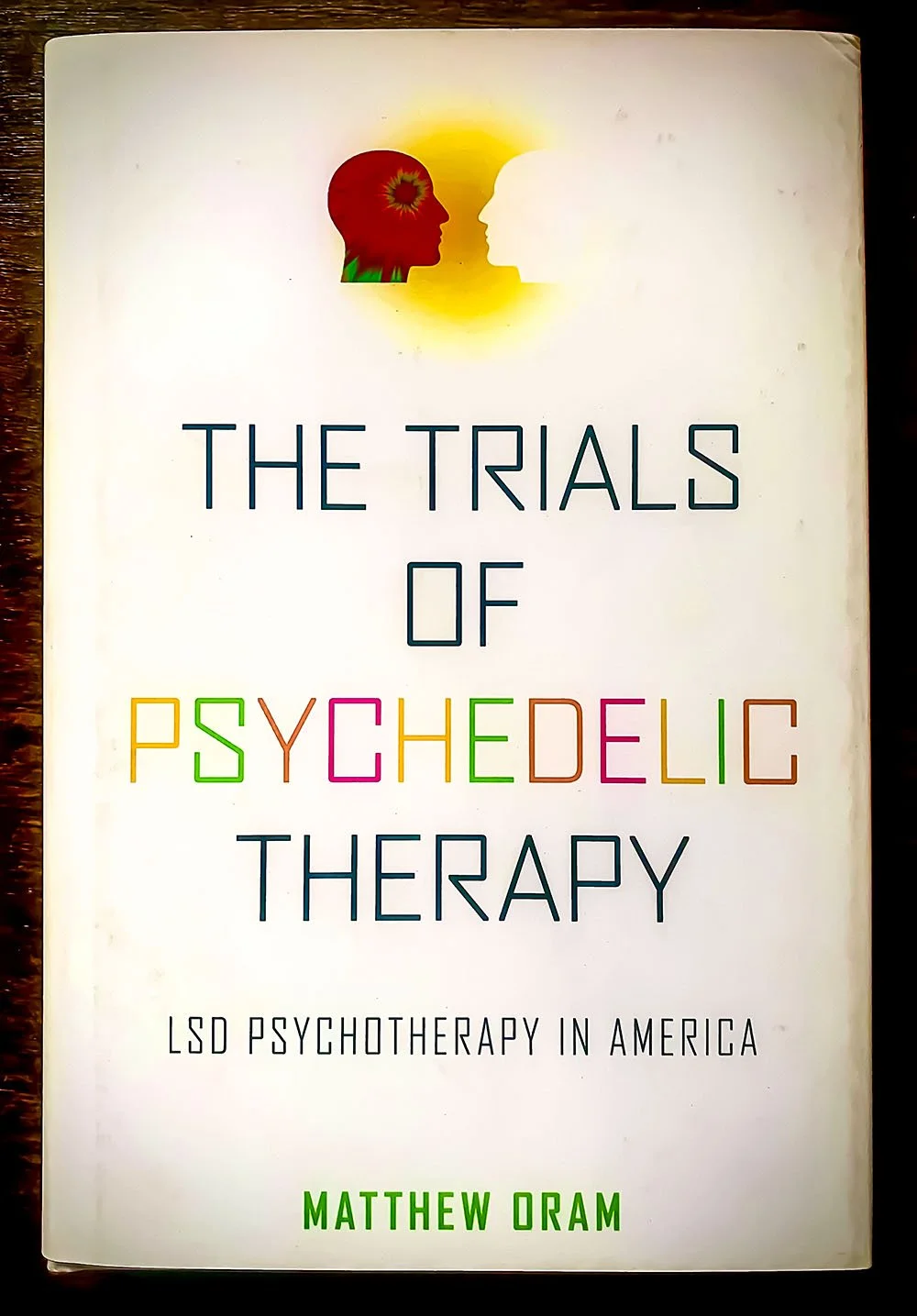
    Notable new purchases for the occult library. Strictly second hand snap-ups only. This week: The Trials of Psychedelic Therapy

       Grabbed it for £16 price now pushing £37 but      bargains exist
    Grabbed it for £16 price now pushing £37 but bargains exist

    ‘The First Lady of LSD History’ Dr Erika Dyck says, “There is no other historical account that offers this degree of breadth on the topic.” Psychedelic Renaissance author and medical thought leader Dr Ben Sessa wrote in the British Journal of Psychiatry, “Shines a fascinating light on a discipline that is neither pure pharmacotherapy nor pure psychotherapy… Oram shows how LSD’s unique position has been, and still is, its potential undoing when it comes to obtaining formal licensed approval.”

    Published by John Hopkins University Press during the dark days of the early 1980s, Matthew Oram’s examination was undertaken away from hype or disapproval. The writer points out that the issue with approval is not only the ‘randomised controlled trial’ process that insists on a placebo, but also statistical compromises that arise from therapy provided alongside. 

    That’s still causing issues to this day. Imperial College’s PsiloDep 2 is criticised because 35-plus hours of therapy were provided alongside the psilocybin. Oram writes that researchers were concerned about this in the early 1960s, when treatments combined physical, psychological and psychiatric methods as a matter of course. 

    That didn’t last. Speaking in an interview for historian Andy Roberts’ book Acid Drops, 1950s British LSD researcher Dr Ronnie Sandison says, “When I started using LSD in therapy over 40 years ago the split had already started between general psychiatry and psychotherapy, and that divide has gradually widened into psychotherapists and psychoanalysts and an increasing number of lay-psychotherapists, all doing very good work. And then you have the general psychiatrists who have become more and more a victim of the drug companies. I really believe you can be a psychiatrist these days without having much knowledge of the mind, if you hand out the right pill to a patient.”

    Maybe he’s right. But psychedelic evangelists in the therapeutic frontlines are also better off considering why psychotherapy might not appeal to the customer, at least initially. I’d posit that expense and time off work are the main reasons, followed closely by disappointment in non-psychedelic assisted talk therapy sessions, where narrative psychoanalysis insists on a universal worldview that contradicts a patient’s lived experience. 

    Next issue: Psychedelic Renaissance author Dr Ben Sessa of Awakn Life Sciences speaks, and we listen

  • T-bombs away!

    T-bombs away!

      Approach
    Approach

    MAPS’ latest recruit is trauma pioneer Bessel Van der Kolk author of The Body Keeps the Score

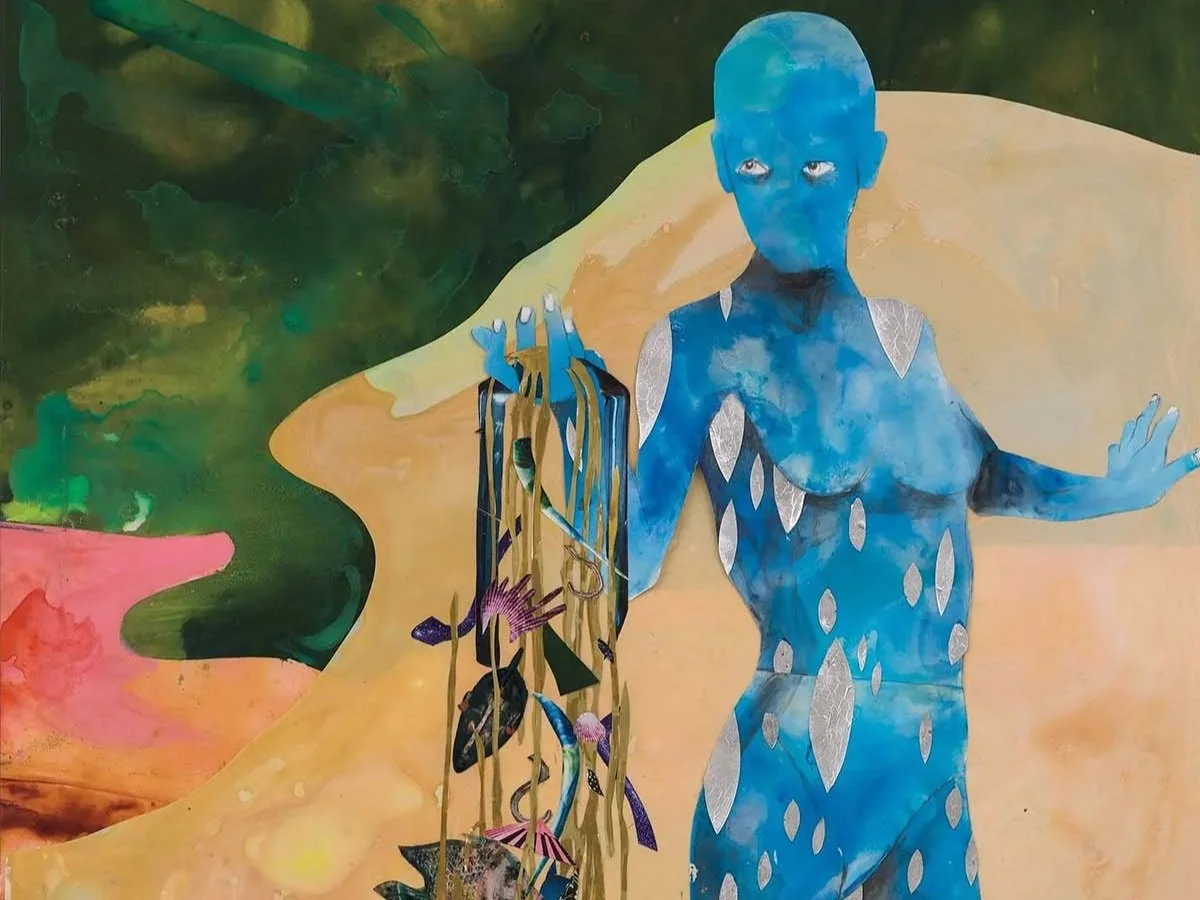
       ‘Gifts for the Psychedelics’ by Wardell Milan, works from      David Nolan Gallery NY
    ‘Gifts for the Psychedelics’ by Wardell Milan, works from David Nolan Gallery NY

    Psychedelic Renaissance author Dr Ben Sessa says ‘trauma is at the root of most unnecessary human conflict and misery.’

    This summer, August 2022 topical spiritual teacher Thomas Hubl launched The Collective Trauma Summit; he talks about activating a “collective immune system.”

    Trauma, on the scale from ‘victim of war atrocity’ down to ‘feel nervous when you see a policeman’, is up there with depression as global burden. According to the US Department of Veteran affairs it touches 350 million people worldwide. That’s in comparison to depression’s head count of 249 million. Trauma is thought be behind many conditions for which there are no currently prescribed medications or therapies: including post-traumatic stress disorder and its domestic derivative complex ‘C’ PTSD, plus substance use and personality disorders.

    “The results in terms of experiences, and the secondary analyses, are spectacular”

    Dr Bessel Van der Kolk, trauma trailblazer and author of The Body Keeps the Score, is overseeing stage three trials for MAPS MDMA-Assisted Therapy for PTSD in Boston.

    Back in the mid-2000s he told MAPS founder Rick Doblin, and program director Dr Michael Mithhoefer, not to try psychedelics for PTSD.

    Since then, Dr Van der Kolk’s become an avid convert: “The results in terms of experiences, and the secondary analyses, are spectacular… transformations that I have not seen with any other treatment modality,” he reports.

    The Federal Drug Administration has designated MAPS’ own MDMA-Assisted Therapy for PTSD program officially a ‘breakthrough therapy’, that offers ‘substantial improvement over available therapy for a life-threatening condition.’

    “We have lost our minds. Here we have a chance to reclaim them”

    It wants to treat a million people every year and train 300,000 therapists by 2031. In keeping with its charitable vibe, MAPS is focussed on widespread availability, including for example BIPOC and low income sectors. The model will be available free of charge, and MDMA is out of patent. 

    “To my mind, psychiatry lost its soul in its marriage to the drug industry as psychiatrists largely became a bunch of drug pushers,” says Dr Van der Kolk, “we have lost our minds; here, we have a chance to reclaim them. But boy, am I worried about profits. That sort of stuff can really get in the way of creating optimal healing environments. I’m really worried that people will do this by themselves or with friends or in unprotected situations, because you really open up Pandora’s box with MDMA-AT.”

    Dr Van der Kolk says he “…mainly joined at that point to keep things very serious and very strict. Because I had seen how it blew up the last time,” alluding to scandals from 2015 dug up by New York Magazine’s The Cut podcast and intrepid news hounds at campaigning news source Psymposim.

    “The results are spectacular… transformations that I have not seen with any other treatment”

    Undergoing MDMA treatment himself convinced Van der Kolk of its potency. “I was just lying there going, ‘Oh shit, are you sure this is a party drug? Because I felt all the pain that had been dumped on me throughout the years. People asked me all the time: How do you deal with all this stuff? And I always said, ‘Oh, as long as you have a good support system and as long as you have a good marriage and you have good friends, you get to talk about your stuff, It doesn’t really become part of you.’ Well, I was wrong. On MDMA, I got to see that indeed this stuff had come inside of me, burrowed itself into the very core of my being. And it has affected me, my perception of things.”

    While MDMA shrinks amygdala activity subduing fear, healing takes place by fully experiencing repressed thoughts and feelings, like during LSD and psilocybin therapy. Yet, “It’s quite different from a psychedelic,” says Dr Mithoefer, “The term proposed is ‘entactogen’ meaning it brings one closer to others and oneself,” comments on the decision to use MDMA, “but it’s not a new idea, in the 70s and 80s a number of therapists used it.” In his later Vital lecture, UK thought leader and Awakn chief Dr Ben Sessa says he believes MDMA is the best drug for therapy.

    “Processing trauma in therapy can be very challenging and painful. It’s not a cakewalk”

    When patients take MDMA says Dr Mithoefer, “There’s often more insightfulness and less perceived loss of control. It doesn’t tend to cause hallucinations, and people are more in touch with their surroundings than with psychedelics. However, even with MDMA this is all relative. If you’re processing trauma in therapy, it can be very challenging and painful. So it’s not a cakewalk.”

    What shone out to Dr Van der Kolk was the self-compassion, evolving rapidly into acceptance, that MDMA treatment accessed inside its patients. “They stopped judging and beating up on themselves. They had a sense of internal generosity, a capacity for self-acceptance: and with that, the accepting of other people. They’d no longer defend against parts of themselves they couldn’t stand… and project on others.” What would normally be ‘triggering’ leading to self-defeating reactions is purged from the system… once felt in full.

    “Part of functioning well is knowing what you feels, know, and needs to be done”

    Pioneering child psychologist John Bowlby famously said, ‘What cannot be told to the mother cannot be told to the self.’ Resulting from this inner conflict is ‘alexithymia – ‘experiential avoidance of emotions as an emotion regulation strategy.’ Canonical 20th century psychoanalyst Joyce McDougall called it ‘disaffection’, “an inability to contain and reflect upon an excess of affective experience.”

    The disaffected respond by ‘pulverising all trace of feeling, so that an experience which has caused emotional flooding is not recognised as such and therefore cannot be contemplated,’ according to 1989’s Theatre of the Body. This sounds like most people I know, to be honest. (McDougall also identified ‘normopathy’, the fear of difference).

    Alexithymia was coined in 1973 by psychiatrist John C. Nemiah, a Yale and Harvard Medical school graduate and editor of the American Journal of Psychiatry. Some folks think it’s just a personality trait; ‘guys who can’t express their emotions’. Poor emotional intelligence is certainly a hallmark. Sufferers can certainly feel ‘happy’ and ‘sad’ but have little vocabulary to examine or discuss their state any further. In their relationships they are distant, over-rationalised and lack intimacy. They often lack assertiveness, and make decisions without taking their emotions into account leading to a dissatisfaction they cannot pin down. This develops into dysphoria, ‘a profound sense of unease.’

    One of the most difficult parts of my own ADHD diagnosis was the chapter in Gabor Maté’s Shattered Minds that told me I didn’t have an identity.

    “What you see in the MDMA-assisted therapy is that people have a self. They say, ‘This is who I am’.”

    Instead I was a series of behavioural diktats intended to please others, or get them off my back at least. 

    “The latest neuroscience stuff in the area of trauma is very much about the loss of sense of self that comes from it. And indeed the vast majority of our subjects in the MDMA-assisted therapy study had terrible Alexithymia scores,” said Dr Van der Kolk on Norway’s Psykologvirke podcast, “as long as you live with caregivers who don’t see you, that really impairs your capacity to know who you are and what you’re feeling. This is very much part of becoming a well functioning human being: to know what this creature that you inhabit feels, and knows, and needs to be done.”

    Beautifully, “What you see in the MDMA-assisted therapy is that people have a self,” observes Dr Van der Kolk, “They say, ‘this is who I am. This is what I feel, this is what’s important to me. That’s what’s unimportant to me. And I’m no longer dependent on what you feel to dictate what I feel. I have my own feelings’.”

    More MDMA therapy articles here on New Psychonaut:

  • Homestasis is where the heart is

    Homestasis is where the heart is

      Therapy
    Therapy

    Seeing your shrink will never be the same after MDMA-AT

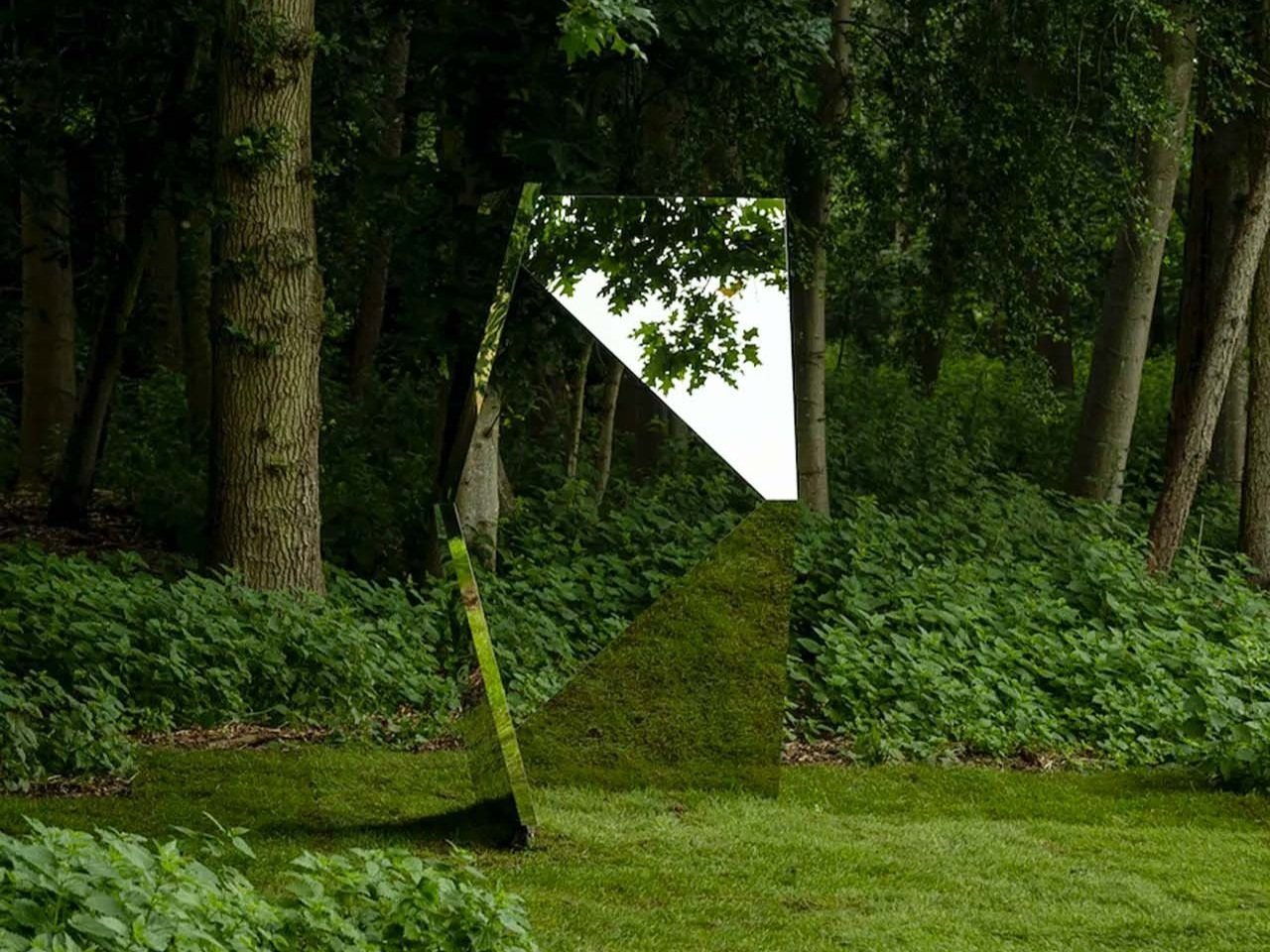
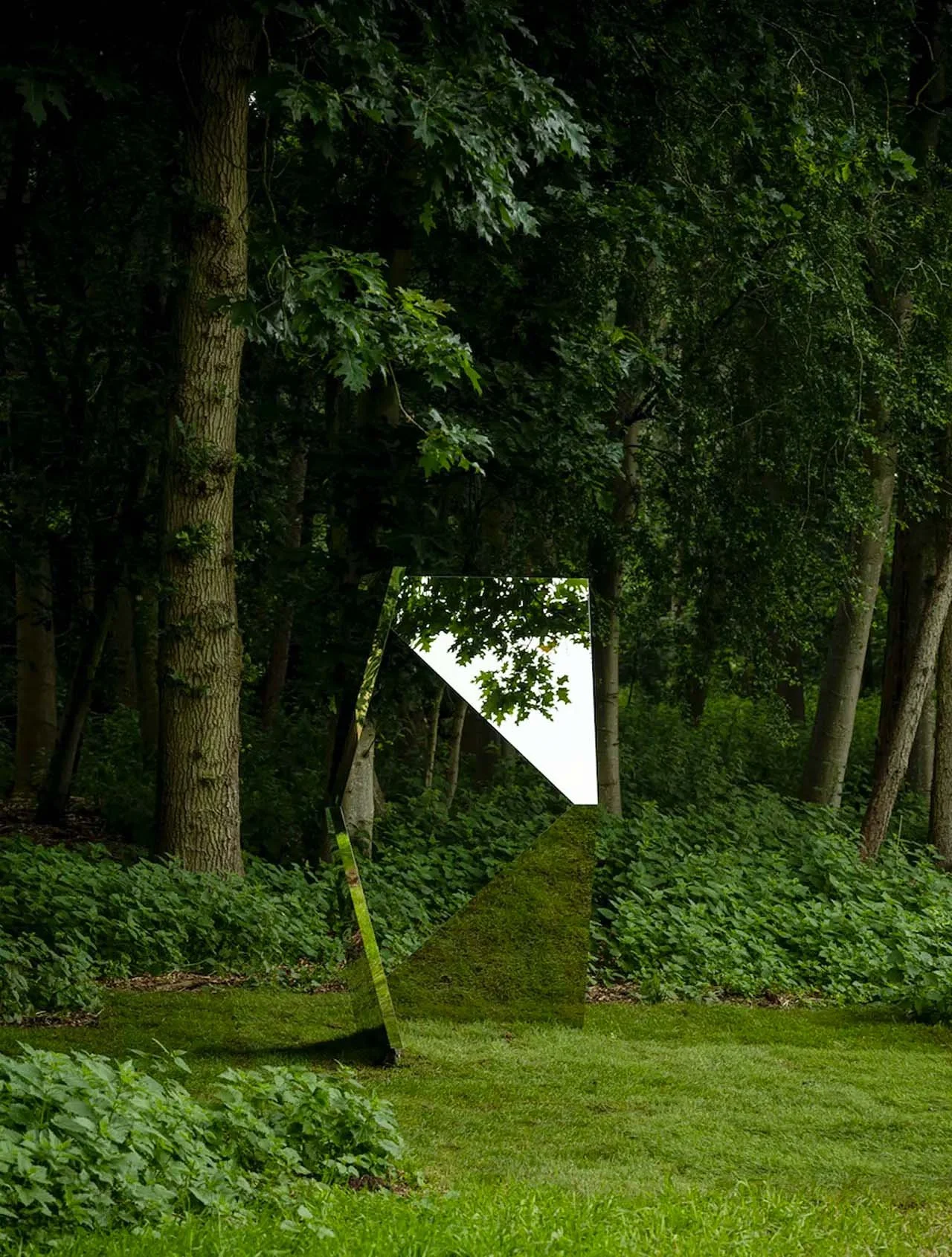
      By    Jeppe Hein    on display at Albion Fields till 22 Sept 2020
    By Jeppe Hein on display at Albion Fields till 22 Sept 2020

    MDMA-AT consists of three ‘blindfold’ experiences each a month apart.

    These are punctuated by fifteen therapy sessions dedicated to assessment, preparation and integration. Each stage – indeed, each appointment – includes a detailed, mindful strategy.

    The ‘inner healer’ concept is described as a the mind mending itself in the same way the body might gradually heal a graze or cut. The method and therapy is described as the dressing that might be put on a wound, providing the correct environment for the miracle of human evolution to do its stuff.

    Homeostatic instinct is the term used by men and women of science for the inner healer. Freud (who isn’t dead, it’s just a headline. Well he is physically of course) said instinct is a ‘demand made on the mind by the body’. Back in the renaissance Spinoza wrote that ‘Joy is associated with a transition of the organism to greater perfection’ as noted by top scholar Antonio Damasio.

    Could denial of our human instincts – personal drive, logos, awen, true will, whatever you want to call it – land us in a chronic long-term disease ward? Not serving animal instincts certainly does.

    “It’s only when the process begins that they understand”

    During the MDMA time itself, patients are encouraged to spend time both talking to the therapists and by themselves processing beneath the blindfold, “although we are focussing on the inner experience” says Michael, and discussions during the experiences are intended to facilitate “a self directed experience. They don’t even have to wear the blindfold if they don’t want to, but often they end up doing so.”

    Patients are shepherded towards their own “personal alchemy” to quote Michael, a bespoke therapy style unique to them. This can be cultivated by honing one’s ‘self energy’, a calm, curious and compassionate state that provides an emotional container for patients to open up to themselves. 

    “Usually therapists have goals or ideas of where they should go, but the patient directs that,” notes Annie, “which can be difficult for some people – they want to be told how they can cure their PTSD! It’s only when the process begins that they understand.”

    The MAPS dyad and MDMA-AT designers quote psychology colossus, emeritus professor at Stanford and When Nietzsche Wept author Irvin David Yalom, who wrote, “The therapist must strive to create a new therapy for each patient, or strive to encourage the patient to create a new one for themselves.” 

    Surprisingly perhaps, patients’ individual inner work often has a similarity to popular methods. One that come up in particular is Internal Family Systems (IFS), where patients discuss talking to the ‘parts’ of themselves that play different roles in their ruminations. 

    “The therapist must strive to create a new therapy for each patient”

    “We see again the value of allowing space and time for something unexpected, terrifying or beautiful, to come through from the inner healing intelligence”

    A patient who allowed themselves to be filmed for educational purposes discussed acknowledging, listening to, and comforting his aggressive/defensive self – Jungian shadow work, essentially. I asked Dr Michael Mithoefer in the after-lecture Q&A if he had suggested the method: “if I even had, I wouldn’t have described it as ‘shadow work, which is part of the work of Sigmund Freud’s protege Carl Jung’. I would’ve put it in layman’s terms.” 

    ‘Imaginal exposure’ – fictional examinations of how thoughts and feelings may play out in reality – and ‘active imagination’ – using fantastical metaphors to better comprehend stark reality in classic ‘psychedelic insight’ style – are two methods patients turn to naturally. Call it a ‘Jungian archetype’ or a ‘spirit animal’, it’s imaginative right brain activity processing complex thoughts to achieve balance. “We see again the value of allowing space and time for something unexpected, terrifying or beautiful, to come through from the inner healing intelligence,” says Michael. 

    “We’re clear that the process isn’t designed to suppress their symptoms… but get to the root”

    Transference issues can be used to highlight areas of behaviour to work on. Freudian psychodynamics, the examination of unconscious motivations, is still relevant despite me declaring ‘Freud is dead’ last week.

    Other methods patients organically, roughly, incline towards range from the practical such as somatic experiencing (feeling trauma in the body) and corrective attachment (establishing a healthy behaviour model) to the totally way-out transpersonal. 

    “We’re keen to normalise transpersonal experiences, letting the patent know we won’t think they’re weird. Transpersonal experiences aren’t essential. Patients that don’t have them tend to do very well also.”

    What is impressed upon patients is that they will get the most benefit from leaning in to their inner turmoil, not suppressing uncomfortable feelings but letting them flow forth instead. Moreover, this is not entirely linear, themes can wax and wane in importance, and it might be unpleasant and uncomfortable in places: “They might get worse before they get better. We are clear that the process is not designed to suppress their symptoms, but get to the root.”

    The celebrated MAPS dyad call processing under the blindfold ‘going inside’.

    “They never have to, and we are aware when they are avoiding it and help with that. But we will say ‘maybe now is a good time to go inside’ when we think it’s a good point in conversation for them to process. If they come up with a connection themselves it’s more powerful – for example, ‘I notice every time I start talking about ‘x’ I ask to go to the bathroom.’

    We explore that first before prompting them to go inside: ‘Would you like to experiment with that for a little bit?’ We make it clear they don’t have to hang out with something they want to avoid. It’a matter of is it needed at all, timing, and offering the option so it doesn’t sound like we’re pressuring them.”

    The hardest part, say the pair, who’ve worked with MAPS for two decades, is not barging into the process. “IFS creator Dick Schwartz [who’ll be talking to Vital students later this year] uses the acronym ‘WAIT’,” says Michael, “why – am – I – talking?” 

    The therapist is not the ‘healer’ – that’s inside the patient. Defence mechanisms mean it can be a long struggle to help patients come to the conclusions that would benefit them: for instance, decorated commandos who refusing to believe that their PTSD could have anything to do with all the combat missions, or rape victims desperate to bury their experience. “One patient commented, ‘I now have a battle plan when before I was thrashing about in the undergrowth’,” says Michael.

  • Drugs are the Love

    Drugs are the Love

      Space
    Space

    MDMA for couples’ therapy: 4/4 octopuses can’t be wrong

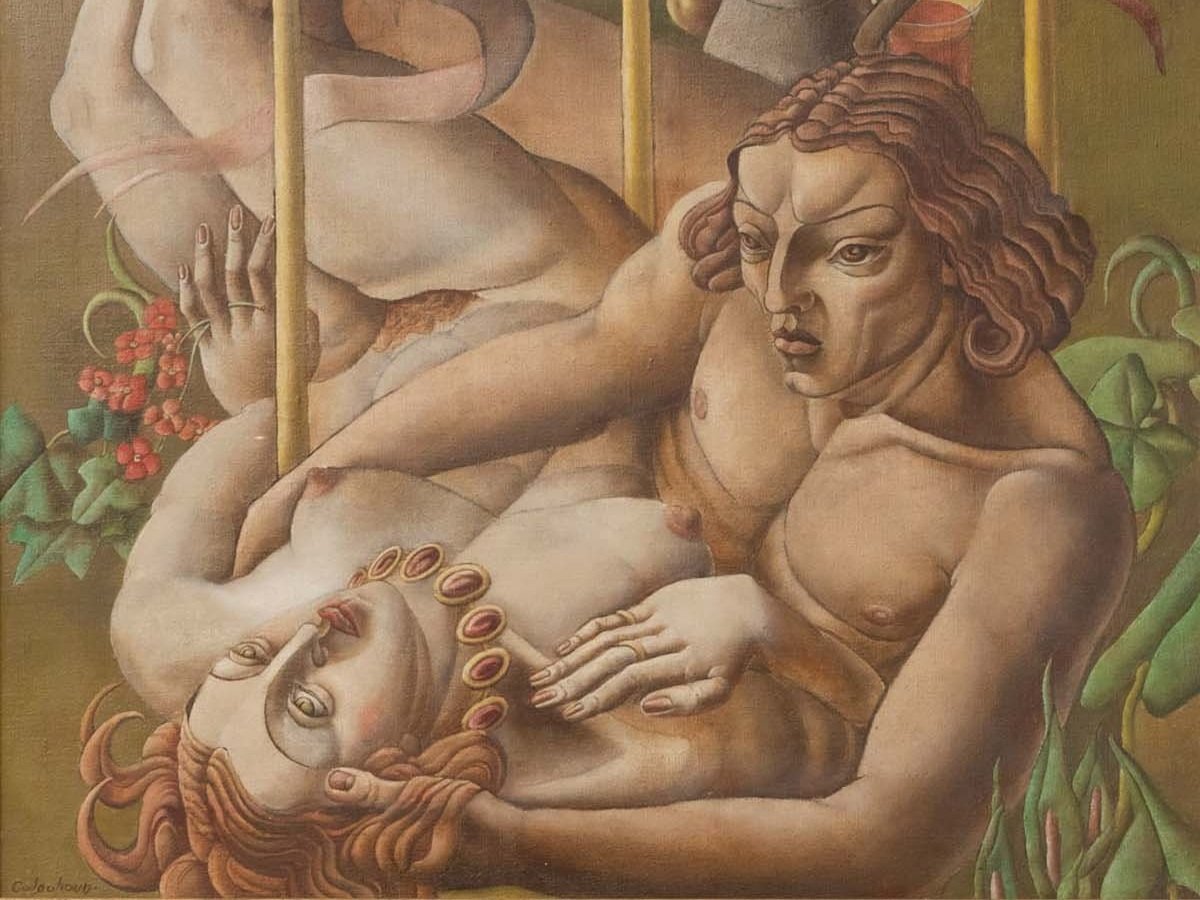
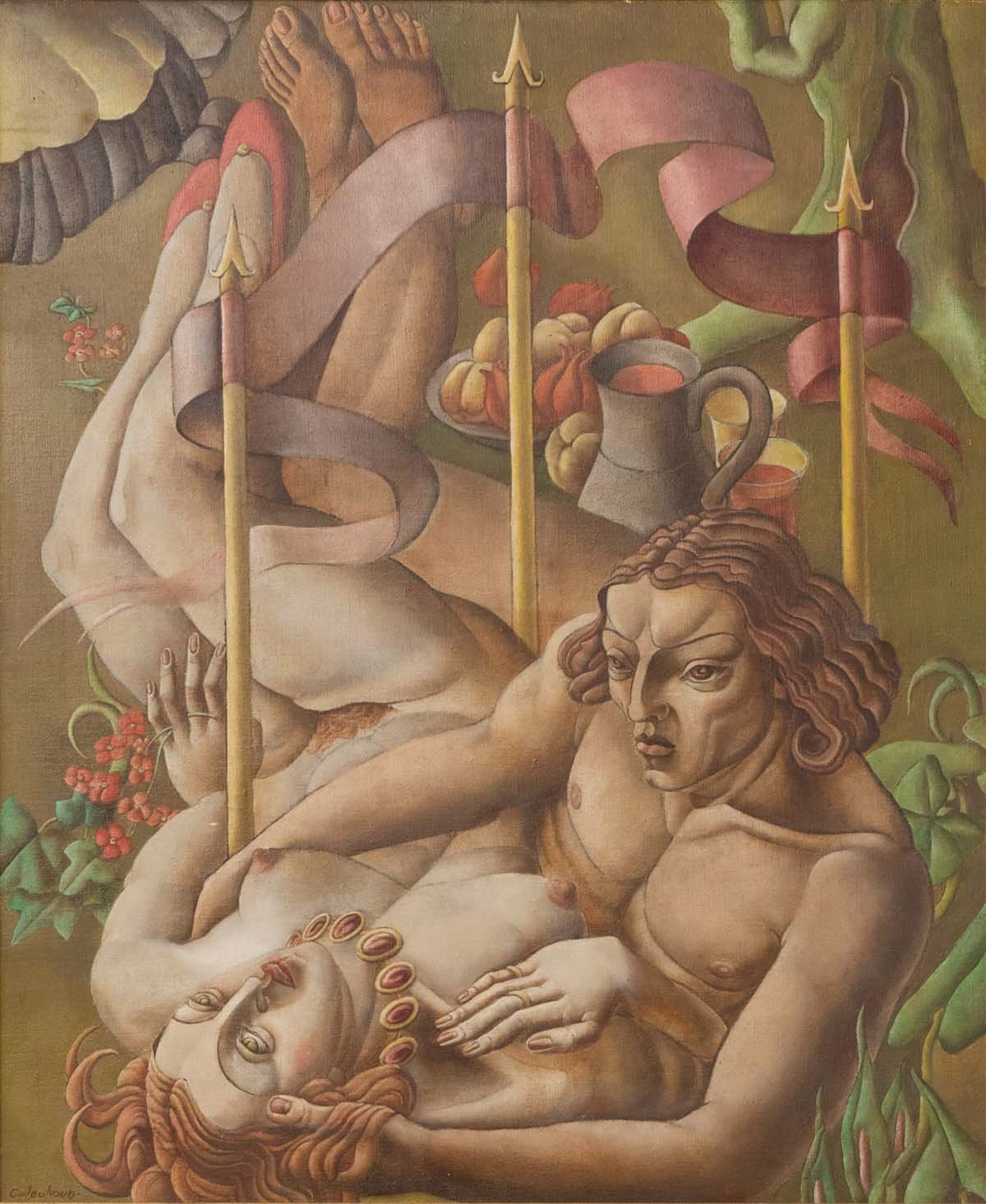
      Ithell Colquhoun, ‘Song of Songs’    via Unit London
    Ithell Colquhoun, ‘Song of Songs’ via Unit London

    Can the inner healer mend a broken relationship?

    Next up for MAPS therapy program designers Dr Michael Meithofer and his wife Annie AKA ‘Annie and Michael’ in spacespeak, is MDMA for couples’ counselling.

    “We knew that MDMA was useful for communication… and some of the other anecdotal things about it,” Annie told none other than Professor David Nutt on the Drug Science podcast (where you can hear Dr Nutt, the David Attenborough of drugs, a UK national treasure say ‘Back to the show!’)

    Annie collaborated on the initial research for a new era in MDMA couples’ therapy with Toronto’s Dr Anne Wagner. The Remedy clinic director has come up during further investigations into juicy subjects two weeks in a row (sync). Last week it was in a call for further research into psychedelic treatment for borderline personality disorder (BPD).

    Yet Dr Wagner is not the only intrepid sailor of the soul cooking up excellent experiments using ecstasy. John Hopkins’ university neuroscience department, not to be outdone, gave E to octopuses. They’d noticed ‘that octopuses and humans had nearly identical genomic codes for the transporter that binds the neurotransmitter serotonin to the neuron’s membrane.’

    The California double-spot octopus is a solitary creature, barely interacting with others of its kind besides once a year, briefly, for mating. Even then the male uses a sex arm and it looks like mid-air refuelling. 

    Would you believe though, that when researchers put the octopuses ‘in a beaker containing a liquified version of the drug’ according to National Geographic, they exhibited significantly more social behaviour?

    ‘Particularly telling, said scientist Gul Dolen, was that after being returned to their tanks at Woods Hole Oceanographic Institute in Massachusetts, the octopuses went on to reproduce.’ 

    During the Q&A after Annie and Michael’s lecture the pair were asked about giving MDMA to animals. After all, dogs are given anti-depressants. When I got my own chance to talk to them, I celebrated group ceremonial use of the ecstasy sacrament in the form of our rave culture then made a bad taste joke about giving MDMA to our pets hadn’t gone nearly as well. Now we know to shove them in a beaker of it.

    ’At no point did the octopuses ink, which would be a sign of stress,’ Dr Dolan told Nat Geo in response to all of our ethical concerns. 

  • Inner space of safety

    Inner space of safety

      Medical
    Medical

    MDMA boasts striking therapeutic properties beyond increased connection

        Chemical X     , ‘Spectrum’
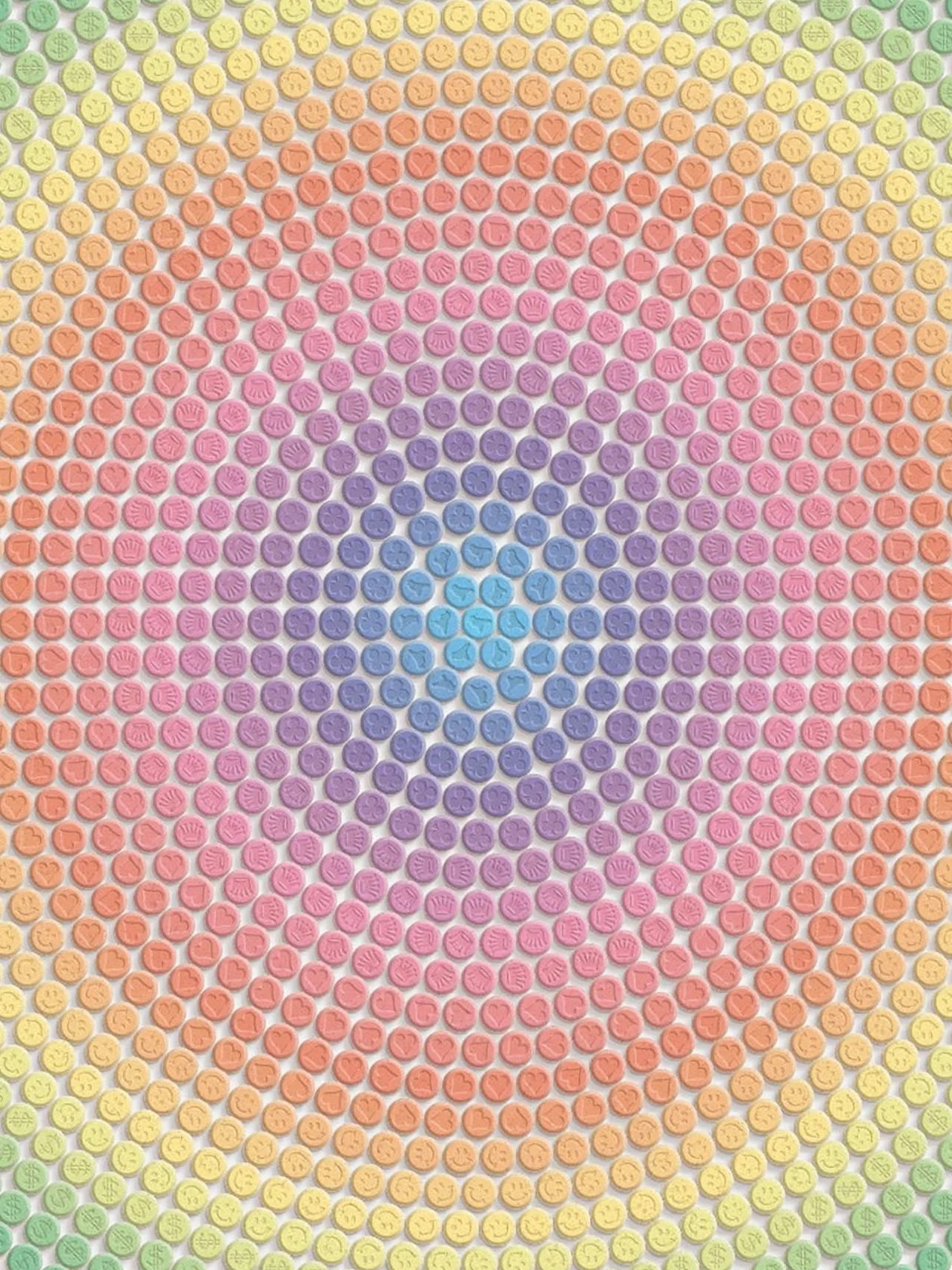
    Chemical X , ‘Spectrum’

    “I believe MDMA is the ideal drug for psychotherapy,” says non-nonsense Awakn founder and trauma expert Dr Ben Sessa.

    The exciting bits are MDMA triggers a ‘oxytocin-dependent reopening’ of a ‘social reward learning critical period’. It puts your brain in the state of early childhood and adolescence, when it establishes key neural pathways. The hypothesis is that dysfunctional thought patterns can be adjusted in this state.

    MDMA increases pre-frontal cortex activity like an ADHD stimulant, lowers activity in the amygdala ‘fear centre’ deep in the reptile brain, and is notable for its relationship to both dopamine and serotonin. It creates an ‘optimal level of arousal’ that is neither too little nor too much for the brain to process its thoughts and instincts. 

    Added neuroplasticity helps memories reconsolidate so patients feel safer in safe settings, for example. MDMA scored strongly on PTSD patients with dissociative symptoms who often prove the toughest to treat. Trial data was consistent across the five test sites spread globally. 

    Ecstasy was first named ‘Adam’ then ‘Empathy’

    Trial subjects previously suffered severe symptoms that had resisted regular therapeutic treatment for many years.

    ‘MDMA was invented for shellshocked soldiers’ is a trope I may be guilty of falling for. It wasn’t an appetite suppressant either when patented by Merck in 1914. Forensic research into the German pharmaceutical firm suggests a humbler origins for the love drug as merely a stepping-stone towards developing an alternative to hydrastinine, used to prevent internal bleeding particularly in the uterus.

    The military nonetheless had it knocking around for whatever reason in the 1950s around the first time scientists tested MDMA on humans and recorded the results. These soon reached the keen ears of Alexander Shulgin, who says he first synthesised it in 1965. It was originally named ‘Adam’, and also ‘Empathy’. 

    Patients during MDMA-AT are given 125mg of what the subculture renamed ‘ecstasy’ with up to 75mg of booster. Apocryphally, a friend who took part in an Imperial MDMA trial said it was hella strong.

  • Let them know it’s Saturnalia time

    Let them know it’s Saturnalia time

      In  te  gr  at  io  n
    In te gr at io n

    Heal the world from collective trauma says Thomas Hubl

       2022’s      Medicine Festival      in the UK
    2022’s Medicine Festival in the UK

    My journalism network brother Matt Green is the author of Aftershock: fighting War, Surviving Trauma and Finding Peace (New Statesman: ‘Outstanding’, Spectator: ‘A work of integrity and substance’, TV’s Bear Grylls: ‘Compelling, humbling and inspiring’).

    He examines collective trauma in his new blog Resonant World – and ways to heal it. Like the UK’s Medicine Festival whereupon he has hence returned. 

    “I’m going to sound too idealistic and starry-eyed about what is basically a fun gathering in a field,” Matt reports, “But a core part of me knows I came away feeling more peaceful, grounded and inspired than when I arrived — and I’ve learned to trust that felt-sense more than my fear of sounding naive.”

    Matt, who’s on the environment beat for Reuters right now, worked as a war correspondent in Iraq and Afghanistan. He spoke on the launch address call for The Collective Trauma Summit 2022 (oh yes), cooked up by guru Thomas Hubl author of Healing Collective Trauma. Which features basically everyone from the wonderful world of 21st century wellbeing. 

    “Trauma on a personal level is energy, on a collective level it’s a storm,” says Hubl, who talks about activating our ‘collective immune system.’ He maintains “it’s an important function of collective health and if we don’t even have it, that’s a sign of our health.”

    Matt addressed journalism’s part in mankind’s burnout. “The media is frozen, reporting what’s ‘out there’ as if it’s on a glass screen, stuck in a psychic sludge,” says the father of two married to a children’s therapist, “we’re ‘looking at broken glass through broken glass’ to borrow Thomas’ own phrase.”

    Us media scum need unconditional loving too, says Matt: “That’s true of journalists as much as the rest of us who were born into this traumatised society. Journalists are recognising they need to be healing themselves as individuals, having perhaps been part of environments that encourage trauma-causing behaviours. Clinging to the notion that objectivity could protect us, was a fiction.”

    When Sunday Times suits wouldn’t sign off heroic war reporter Marie Colvin’s expenses, hacks left a cow’s eyeball on the accounts desk in reference to the eye Colvin lost to a rocket propelled grenade blast while covering the Sri Lankan civil war in 2001 (it gave her PTSD). She sported her signature eye patch thereafter.

    Driven on by her own unique quest for homeostasis, Colvin died reporting under news blackout from the siege of Homs in 2012 when her building was hit by Syrian artillery.

    “Journalism can be a form of healing too though,” says Matt.

    Decorated foreign correspondent Dean Yates was shattered by PTSD after two of his team were killed by an Apache gunship crew. Wikileaks dug up pilot cam footage that made for difficult viewing. Yates beat himself up further for not making enough of a storm with it. Eventually he was admitted to a psychiatric ward.

    Now, Yates talks about his experience at edgy institutions. He and Reuters set up a blog site and mini-community where burnt-out broadcasters and wobbly world-slingers could exhume a bit of trauma by banging out some posts. 

    “Slowly the culture started to change a little,” says Matt, “I’m not saying there isn’t a long way to go for the media…”

    My cousin’s in Ukraine right now with the BBC. The most traumatic my journalism career ever got was when I reviewed Ian Schraeger’s new hotel and the remote for the TV in the suite didn’t work. No it wasn’t. It was when a close colleague and I were on the wrong end of a corporate ‘moral injury’ and he killed himself. 

    Not that I, he or anyone in that position was, or is, above such behaviour ourselves. Neither are we discouraged to be, like Matt points out. And we’re the lucky ones. “None of this is possible without a community system that offers support, equity and justice,” points out Matt’s fellow host on the Collective Trauma summit, heavyweight sociologist Dr Ruby Mendenhall. Her work highlights the need to address racism as a health crisis given its eventual, detrimental effects on health, lives and budgets.

    “Our own experience of trauma is not deep enough to feel deeper traumas holistically,” says Hubl of social engineering, “We provide properly; we see them as problems and patch them up with ideas. Yet there is an intensity of emotions we are not able to address.” Mendenhall’s work with communities in Illinois includes community wellbeing centres like those in Compassionate Care Frome, plus business incubators, career roadmaps and personal financial advice. 

    When not kicking ass, Medenhall dabbles in poetry. Jotting down some rhymes has sort-of neuroscientific healing properties according to the summit’s Dr Laura Calderón de la Barca: “It’s using imagination as a container for healing. Beyond words alone, elements from the future and the past can meet.” Careful or I shall be forced to publish my Burroughs-style cut-ups.

  • Kool-Aid Corner #12

    Kool-Aid Corner #12

    To finish: trippy clippings, merry pranks, and psychedelic student life

    Graph (or Fig.) of the Week

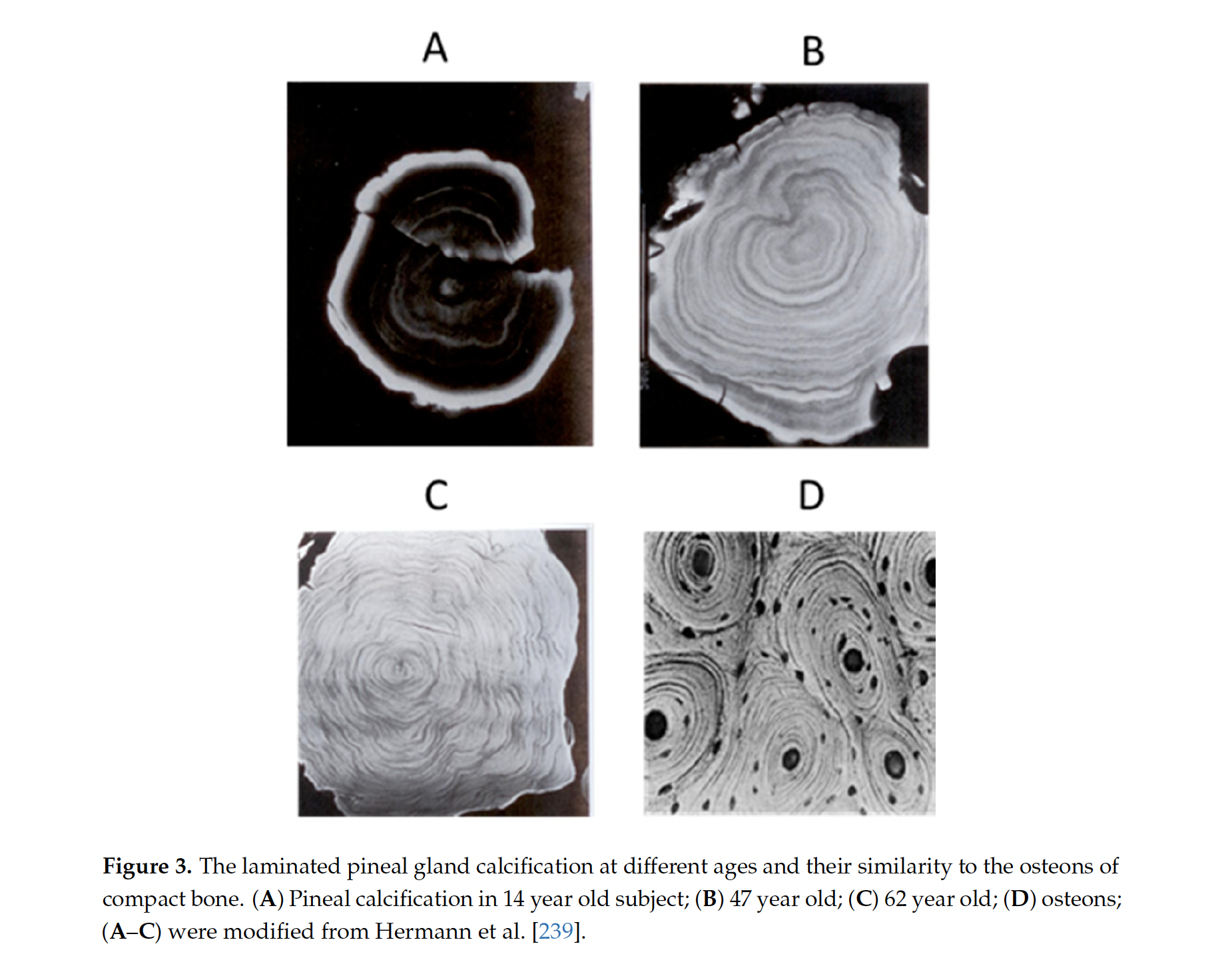
    Comparison of calcified pineal glands with ossified compact bones:

      From: Pineal Calcification, Melatonin Production, Aging. Associated Health Consequences and Rejuvenation of the Pineal Gland by Dun Xian Tan, Bing Xu, Xinjia Zhou and Russel J Reiter. Published in    Molecules    January 2018
    From: Pineal Calcification, Melatonin Production, Aging. Associated Health Consequences and Rejuvenation of the Pineal Gland by Dun Xian Tan, Bing Xu, Xinjia Zhou and Russel J Reiter. Published in Molecules January 2018

    My bookshelf weighs a ton

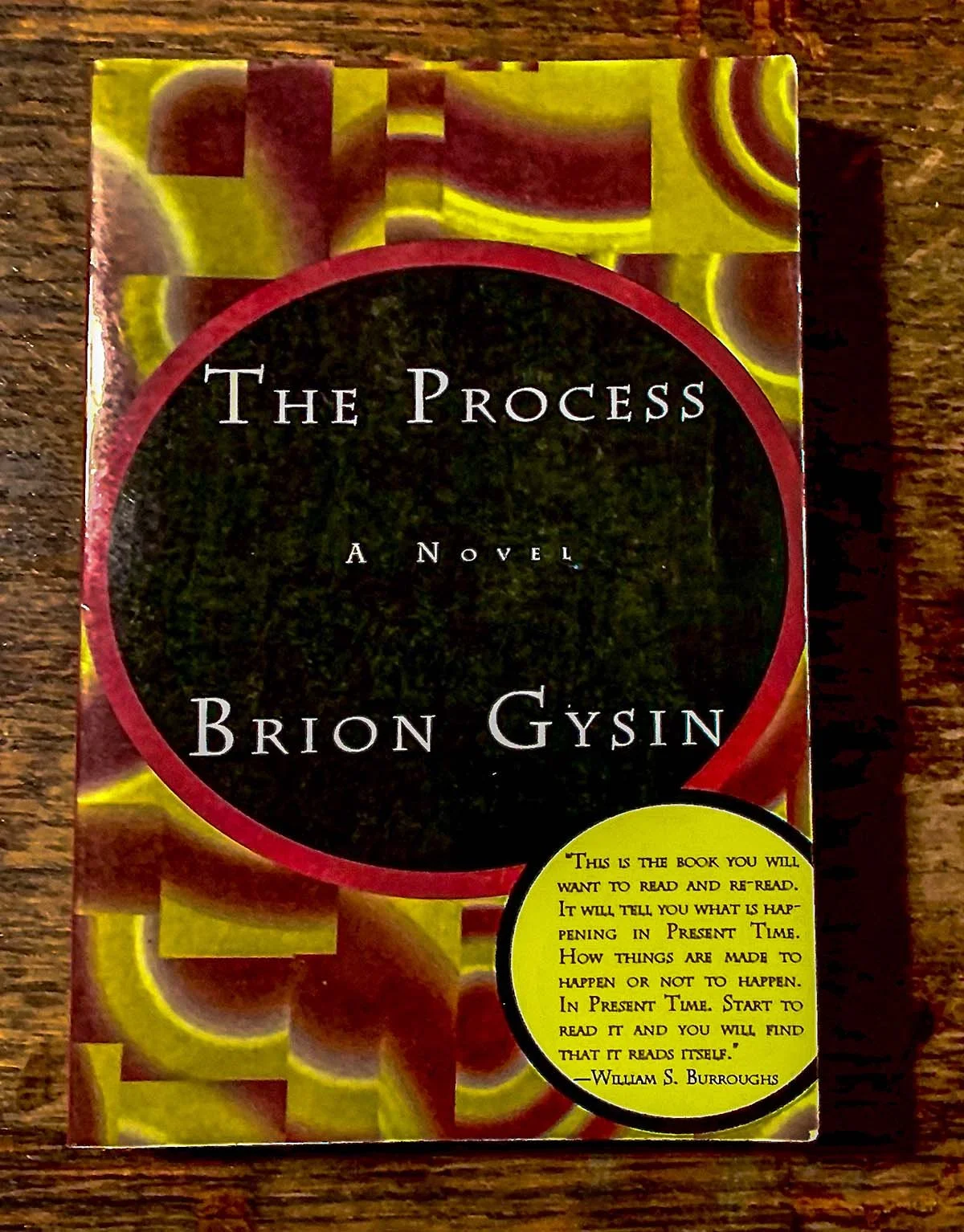
    Notable new purchases for the occult library. Strictly second hand snap-ups only. This week: The Process by Brion Gysin

       £23 fittingly.      Hardcover first editions      go for £1500+.
    £23 fittingly. Hardcover first editions go for £1500+.

    Naked Lunch author William Burroughs called his best friend and Dream Machine co-inventor Gysin “the only man I ever respected.” Gysin might be best known for ‘cut up technique’ a writing method used by David Bowie, Iggy Pop and Jello Biafra, much loved by English teachers. 

    The Process is a dreamlike, luscious ‘spiritual novel’ like Dune. It’s set in the desert too (sync). and a tableaux of his own soul’s development. His groovy mates have affectionate cameos in it. Gysin is said to have tutored Genesis P Orridge of Thee Temple ov Psychick Youth in the mystic arts. ‘I could easily blast so much keef night and day I become a bouhali,’ his alter ego Ulysses O Hanson, a real-gone crazy, a holy untouchable madman unto whom everything is permitted, nothing is true.”

    Next issue: MDMA therapy with the dyad who wrote the MAPS program, Annie and Dr Michael Mithoefer