
Tag: Trailer

  • Brain architecture and morality

    Brain architecture and morality

      Space
    Space

    Keep those hearts open to differing emotions triggered by corporate psychedelia. And watch our for N-BOMes

       By    Daniel Amersham
    By Daniel Amersham

    DARPA, the Defence Advanced Research Project Agency AKA the US military, have funded UNC’s Dr Bryan Roth to the tune of $26 million for development of a non-psychedelic anti-depressant.

    This jars with many in the space who prefer their medicines to not only come from plants but look like them too. The ketamine crew were jumping skyclad through bonfires at sunrise when they found out a fungus generated it (to kill worms) earlier this year. 

    I don’t entirely blame them. Breaking up nature’s gifts feels hubristic. ‘Pharmahuasca’ contains only the big guns, DMT and MAO-inhibitors, of ayahuasca the jungle brew, which contains as many as 28 different ingredients in total. 

    “Is this bullshit thing started by this random company going to replace psilocybin for example? I don’t think so,” Empath Ventures founder Brom Rector told Psychedelics Today recently, “In business you need to make a big improvement, otherwise no one really cares.”

    The anecdote that rings true with me the most in this argument is ‘In hospital they could give you morphine that doesn’t make you high, but the proper stuff works best.’ THC in marijuana is thought to increase the efficacy of CBD, while the latter makes the former safer.

    Pioneering psychedelic scientists like Vital neuroscience lecturer Dr Charles Nichols’ dad David, Albert Hoffman who discovered LSD, and Alexander ‘Sasha’ Shulgin reviver of MDMA are lionised in the space. 

    Indeed Charles follows in the footsteps of his father Dr David Nichols: who coined the term ‘entactogen’ for MDMA, first synthesised pharmaceutical DMT for The Strass’ 1990s experiments. He also made the MDMA for MAPS and psilocybin for Johns Hopkins. 

    Dr David Nichols is still working. Considered a leading expert in research into the neurotransmitter dopamine, his recent discoveries are already being trialled on Parkinson’s disease and schizophrenia. Charles inherited a library of over 100 new chemicals from his father upon beginning his own research.

    “It takes a lot longer to work with these drugs mostly due to the extra level of testing the FDA requires”

    Compass Pathways, not satisfied with supposedly trying to patent psilocybin, have developed 150 new psychedelics with the assistance of committed scientist Professor Jason Wallach. Wired ran a gushing profile of Wallach, who fits its brand image of the passionate inventor in its summer 2022 feature ‘The Race to Develop new Psychedelic Drugs‘.

    Wired journalist John Semley got less copy from Pathways CEO George Goldsmith and cofounder Lars Wilde: “Ask them what they had for breakfast and they’ll tell you how excited they are to build a new future for mental health,” wrote the frustrated hack.

    Modern-day chemists and their backers get a far harder rap than the old guard, let alone more colourful contemporaries like billionaire Tyringham Initiative sponsor Anton Bilton, and Tokyo-based neuroscientist Andrew Gallimore whose book Reality Switch Technologies: Psychedelics as Tools for the Discovery and Exploration of New Worlds, on how to learn from DMT hyperspace visits lands very soon. 

    Humanity’s developed a love-hate relationship with pharmacology. Sometimes we can’t get enough of its magic beans; later we become deeply suspicious of what it’s up to in its windowless labs. 

    That’s not just a projection of our own shame. Several high-profile incidents over the decades have stoked the embers of misgiving. It was the Thalidomide scandal, where a generation of noticeably deformed children resulted from  a less than rigorous safety testing program, that put the kibosh on early LSD research. 

    The chemical generation’s complex relationship with drug use, and a preference for talk therapy amongst… talk therapists that veers into militancy haven’t helped.

    The pharma sector’s also deeply partial to bureaucracy in its many forms, and that rarely goes down well with those seeking caring and compassion. Anecdotally, there’s also the feeling that the corporadelic guys, with their lanyards and anodyne PR-speak are not really one of us.

    Corpos drew groans at London’s Psych Symposium when a panel on decriminalisation was told we can’t be trusted to grow and eat our own magic mushrooms, because we can’t rate the dosage accurately enough. 

    Besides, where are all these revolutionary new psychedelic-derived medicines? 

    “It takes a lot longer to work with these drugs mostly due to the extra level of testing the FDA requires,” says Dr Nichols during his Vital lecture that opens the course’s Medical Overview of Psychedelics and Clinical Evaluation core module.

    But it’s that level of investigation and learning that often yields major discoveries. In scientific circles LSD is noted for the knowledge about serotonin studying it led to.

    Frankly why should everyone with asthma have to take a trip? Not everybody likes metaphysical poetry, ambient music, plus discovering the inner secrets of the universe… maybe the effing Death Door.

    Besides space explorers are already enjoying the fruits of next-generation psychedelic research. And citizen scientists in the front line of consciousness exploration make for finer subjects than lab rats. 

    Designer drugs combining psychedelic and empathogen (entactogen) effects are not your regular liberty cap and MDMA punch though. ’N-bombs’ or NBOMes to give them their scientific name are described as ‘ultra potent’ by the journal Frontiers in Neuroscience.

    There’s a niche for the ambitious space holder.

  • Transcendental family systems

    Transcendental family systems

        Integration
    Integration

    Ready for ceremonies with mum and dad, the grandparents plus your kids and even the dog?

        Shanthi Chandrase,      ‘Neural Introspection’
    Shanthi Chandrase, ‘Neural Introspection’

    Tribal gatherings could be on the cards for all the clan.

    Phase one tests showed microdoses of LSD did no statistical harm to Alzheimer’s sufferers.

    “LSD’s complex pharmacology works on so many different 5-HT receptors,” 17 to be exact, “that it impairs several of the various functions that lead to Alzheimer’s Disease,” says Vital neuroscience lecturer Dr Charles Nichols.

    Testing LSD on Alzheimer’s patients is an adaptation described as “surreal” in the post-lecture discussion by a psychiatrist studying on Vital. 

    Corresponding tests in the UK are taking place around Liskeard in an idyllic corner of Cornwall, England. Phase one tests for safety have indicated no harm using microdoses of up to 20ug.

    There was however a noticeable increase in ‘psychotic episodes’ amongst the placebo group. Suppress your giggles triggered by thoughts of oldies on an LSD placebo turning up at the health centre convinced they’ve seen a pink elephant. 

    “Psychedelic protocols with children will happen”

    Sounds like the elders can join in the ancestor ceremony; as befits them.

    So can the younger generation.

    “Absolutely there’s a place for effective and safe psychedelic therapy in younger people,” said Dr Ben Sessa in the Q&A after his Vital lecture back in the Therapy module.

    “I have seen too many teenagers lose the battle to mental disorder and kill themselves in my career,” continued Dr Sessa in fine style, “I have no doubt that psychedelic protocols with children will happen.” 

    It’s on already in fact. “MAPS are currently leading the pack in terms of MDMA for PTSD, are going to be doing PTSD research in initially teenagers 14 to 17 then younger age group 11-14, and then possibly six to six to 11,” says Dr Sessa.

    And mum? She can feel really special down at the ceremony.

    “Hormone replacement therapy significantly increases 5-HT2A expression”

    Charles’ is admired for his ‘animal models’. Not a collection of balsa wood dinosaurs that adorn his lab windowsill; rats bred to be especially sensitive to psychometric testing. This sensitive rat pack is mostly female, which has led Charles’ team to discern a key detail for menopausal psychedelic voyagers.

    “Oestrogen, and hormone replacement therapy significantly increase 5-HT2a expression,” he reveals, “So we have to optimise women and men differently.” 

    To test for depression whether treated with psilocybin, ketamine or SSRIs, rats are usually challenged to swim across a small basin of water towards an exit duct. Paddling around searching around for the way out is known as ‘active coping’ and therefore healthy. Zoning out in the middle of the water awaiting your watery end ‘cos what’s the point anyway? is ‘passive coping’, and bad news of course.

    Plus with dogs and cats taking Prozac and other SSRIs it can’t be long before your favourite furry fellow sentient beings are in a higher state of consciousness too.

    Fun for all the family.

  • Kool-Aid Corner #16

    Kool-Aid Corner #16

    To finish: trippy clippings, merry pranks, and psychedelic student life

    Thumbnail image by Janjo Surace

    Graph of the Week

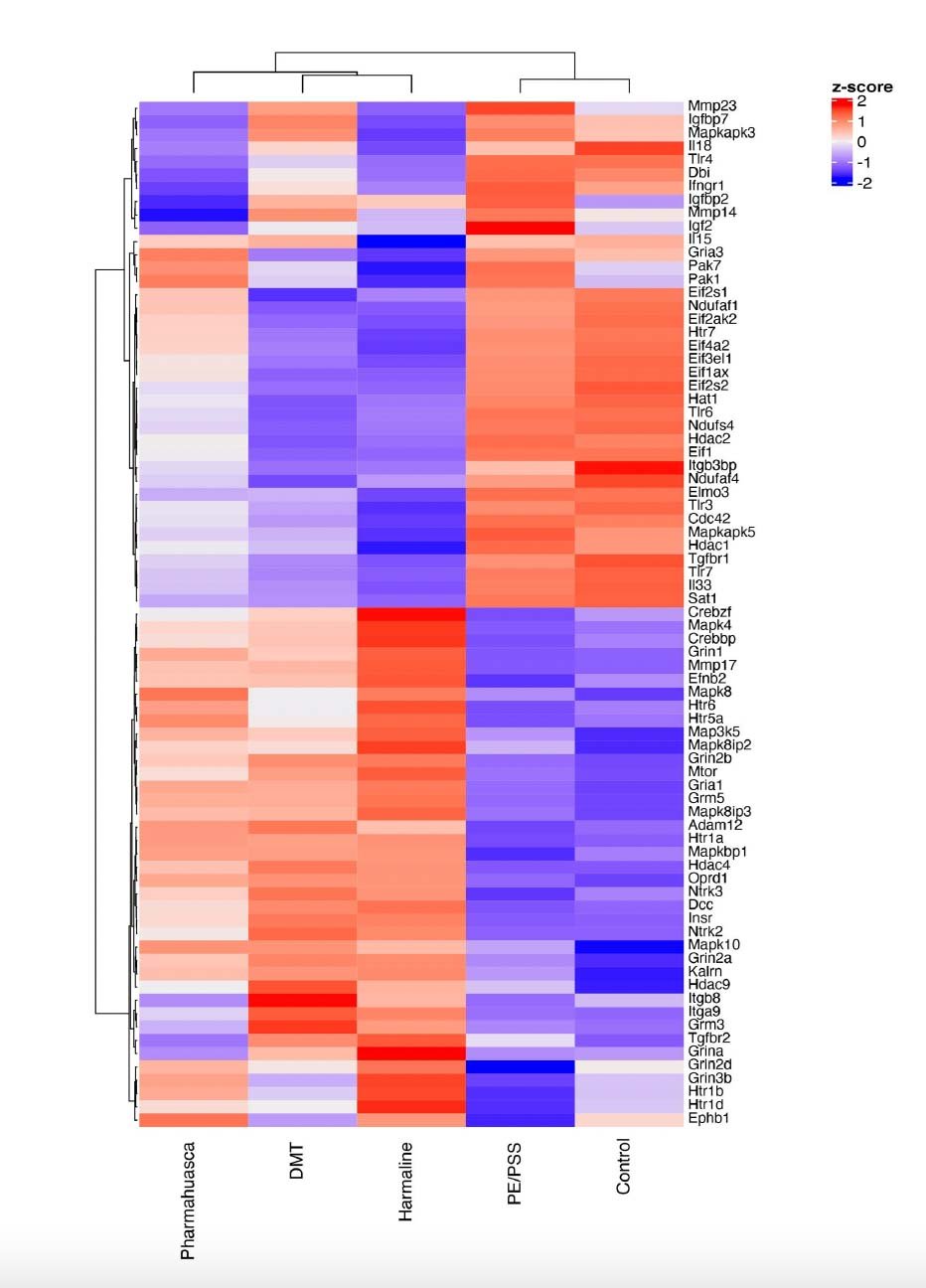
    What ‘pharmahuasca’ including DMT does to genes in rats. Positive effects were shown in the balance between reactive oxygen species cells and the anti-oxidants that keep them from becoming too ‘cytotoxic’ (damaging to other cells) and implicated in the pathogenesis of EG cancer, asthma, pulmonary hypertension, and retinopathy

        Supplemental Figure 1: Heat plot for pairwise comparisons between control, predator exposure/ psychosocial stress (PE/PSS), and PE/PSS + treatment groups. The heatmap illustrates hierarchical clustering of the scaled counts (z-scores) for a set of biologically relevant differentially expressed genes (FDR<0.1).      From:      Pharmahuasca and DMT Rescue ROS Production and Differentially Expressed Genes Observed after Predator and Psychosocial Stress: Relevance to Human PTSD      by D Parker Kelley, Katy Venable, Aspasia Destouni, Gerald Billac, Philip Ebenezer, Krisztian Stadler, Charles Nichols, Steven Barker, Joseph Francis. Published in ACS Chemical Neuroscience Jan 2022
    Supplemental Figure 1: Heat plot for pairwise comparisons between control, predator exposure/ psychosocial stress (PE/PSS), and PE/PSS + treatment groups. The heatmap illustrates hierarchical clustering of the scaled counts (z-scores) for a set of biologically relevant differentially expressed genes (FDR<0.1). From: Pharmahuasca and DMT Rescue ROS Production and Differentially Expressed Genes Observed after Predator and Psychosocial Stress: Relevance to Human PTSD by D Parker Kelley, Katy Venable, Aspasia Destouni, Gerald Billac, Philip Ebenezer, Krisztian Stadler, Charles Nichols, Steven Barker, Joseph Francis. Published in ACS Chemical Neuroscience Jan 2022

    My bookshelf weighs a ton

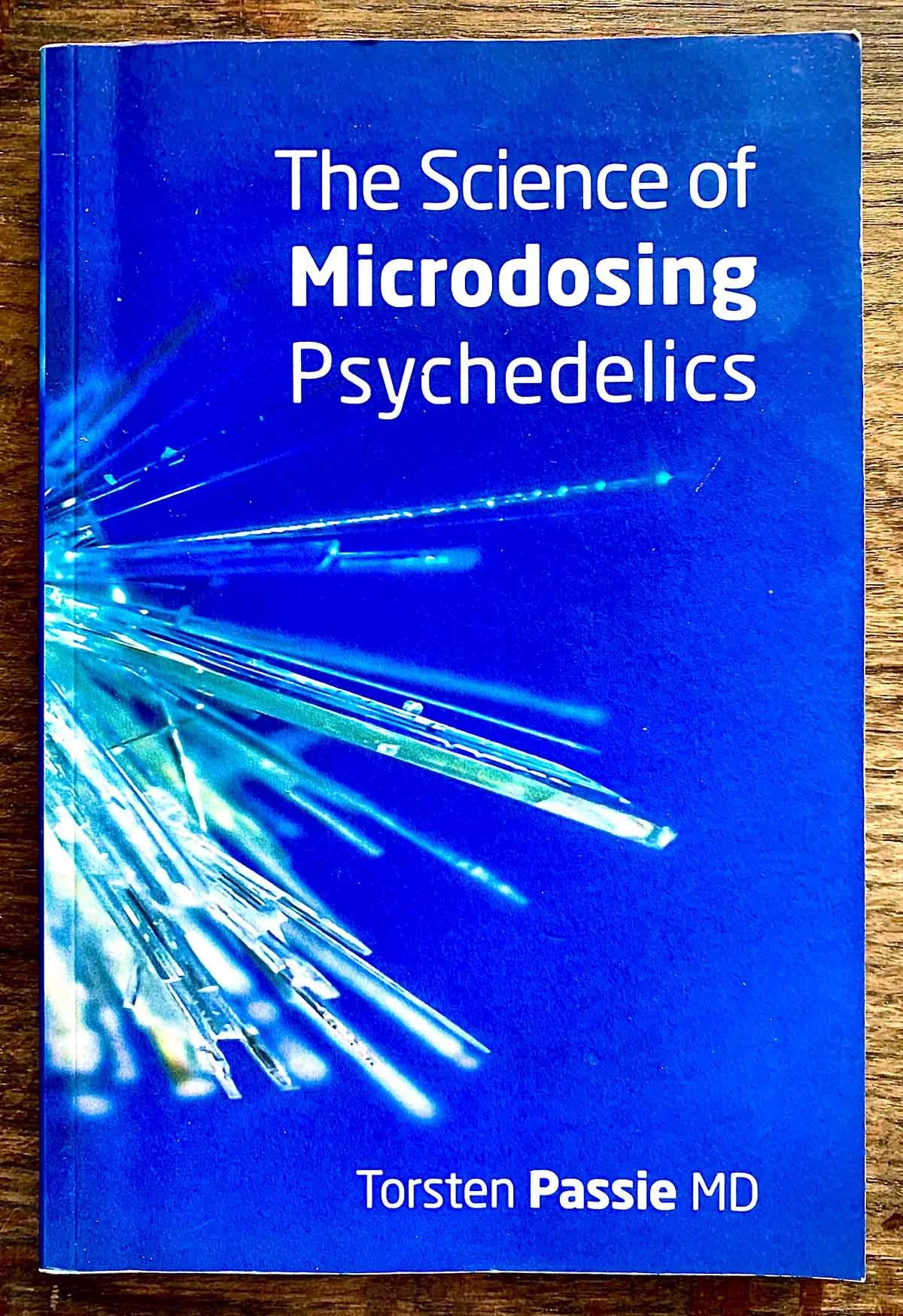
    Notable new purchases for the occult library. Strictly second hand snap-ups only. This week: The Science of Microdosing Psychedelics by Torsten Passie

         Originally £19.99 now fetching      £35-plus
    Originally £19.99 now fetching £35-plus

    Everything you need to know and considerably more from former Harvard lecturer Dr Passie. This is considered the definitive book on microdosing, the unexpected but rather popular trend for small regular doses of psychedelics.

    Originally published by Psychedelic Press for superb UK public conference for the heads, Breaking Convention, this will cost you upwards of £35 on the second-hand market now.

    Dr Passie includes previously untranslated international studies in his comprehensive round-up. He also tackles talking points like the placebo effect. Even if microdosing does not produce any significant effects and it is all placebo, the trend is a new way to introduce it into our society, he told a corresponding interview on the Psychedelics Today podcast.

  • Indistinguishable from magic

    Indistinguishable from magic

      Approach
    Approach

    Dr Ben Sessa’s greatest conversation stopper: psychedelics are a ‘psychic antibiotic’ capable of statistically curing mental diseases

       Novotak   , ‘Daydream Version Six’
    Novotak , ‘Daydream Version Six’

    “Psychiatry is a pretty desperate and miserable place to work.”

    Dr Ben Sessa’s been at the frontline of mental health services since 1997, and deserves a rant. “Where are we going wrong? We’ve had modern psychiatry around for 100 years. And we’re not getting the kind of clinical outcomes we want,” he opines, “younger people get given the SSRIs, can’t work the therapy, and kill themselves.”

    ‘Psychic antibiotic’ is another of Sessa’s bravura catchphrases. Mental health treatment’s in a miserable state of affairs comparable to general medicine in the late 1800s, says Sessa who first presented his vision that psychedelic medicine could be revived to the Royal College of Psychiatrists in 2006.

    “Doctors were losing the battle to the infectious diseases, leprosy, smallpox, tuberculosis, people dying post-operatively,” he continues, flexing his storytelling skills in a swaggering lecture, “Back then, were very good at our statistical analysis and epidemiology too. We knew that people were dying, but it wasn’t clear what was going on.”

    Things changed when a joint German-Japanese team discovered a cure for… syphilis in 1908, and Nobel prizes ensued.

    “Where is our treatment that gets to the heart of disorders?”

    ‘Antibiotics’ as they were called, ‘cos they killed bacteria, include any micro-biological treatment for bacterial infection, not just other bacteria bred to fight against their microscopic kin.

    Penicillin, invented by Sir Alexander Fleming in 1928, is derived from a fungus secretion… just saying. Specifically a mould, which are traditionally used for their anti-infection properties.

    “Where is our antibiotic?” bellows Sessa in the general direction of the gods, “Where is our treatment that gets to the heart of disorders, and actually cures them? We write these voluminous tomes,” he continues, hitting his stride, “The ‘DSM’ and ‘ICD’. We track who gets depression, and anxiety, and eating disorders, and personality disorders, and addictions, and affective disorders,” here it comes, “…but we’re not very good at treating them.”

    Dr Sessa’s allowed to ham it up like this because he is legit as any clinician, researcher or spokesperson.

    “The idea that healing patients would be a bad business model is sick”

    It’s almost like the anthropology reports from the Amazon… where researchers are struck by the animist doctrine that you’re only allowed to talk shit about stuff you’ve actually done…

    Tell us why our ailments continue to vex us so, oh unlikely shaman returned from the darkest depths of the forest with knowledge?

    “Because we treat them symptomatically,” answers Dr Sessa, “We provide a whole plethora of daily maintenance drugs that mask the symptoms. Which the pharmaceutical industry queued up to provide us with.”

    Yet there is hope. Way back in 2012’s breakthrough Psychedelic Renaissance, Sessa’s book which coined the phrase, he was already declaring psychedelic medicine the ‘psychic antibiotic’ that his profession and his patients crave.

    In his Vital presentation during the course’s second module covering psychedelic therapy styles, Sessa beams with pride after battering his return key to reveal a graph showing MDMA-AT thrashing a combination of the best anti-addiction treatments money can buy, plus 12-step and more, by a 73% to 21% recovery rate.

    “We’re not going to cure everyone and therefore put ourselves out of business”

    Sessa’s surging Awakn chain though, is a listed company. Like other private medical providers, doesn’t he have a duty to shareholders to drag treatment plans out too?

    “The idea that healing patients would be a bad business model is sick,” and he doesn’t mean in the same way he dryly describes my wannabe-hipster home town of Bristol as ‘extremely sick’ in his introduction, “sustaining poor treatments with poor outcomes in order to maintain a customer base is absurd.”

    Accident wards don’t keep your leg held up in traction forever. “There’s plenty of work out there for orthopaedic surgeons mending broken legs,” explains Sessa to an enquiring Vital student in the Q&A, “plus there are plenty of people out there who could do with their mental disorders being completely cured. We’re not going to cure everyone and therefore put ourselves out of business.” 

  • Behind the mask

    Behind the mask

      Therapy
    Therapy

    MDMA provides lasting respite for the traumatised

       Stefanie Schneider,      Boy with Silver Mask (Stay) Photograph
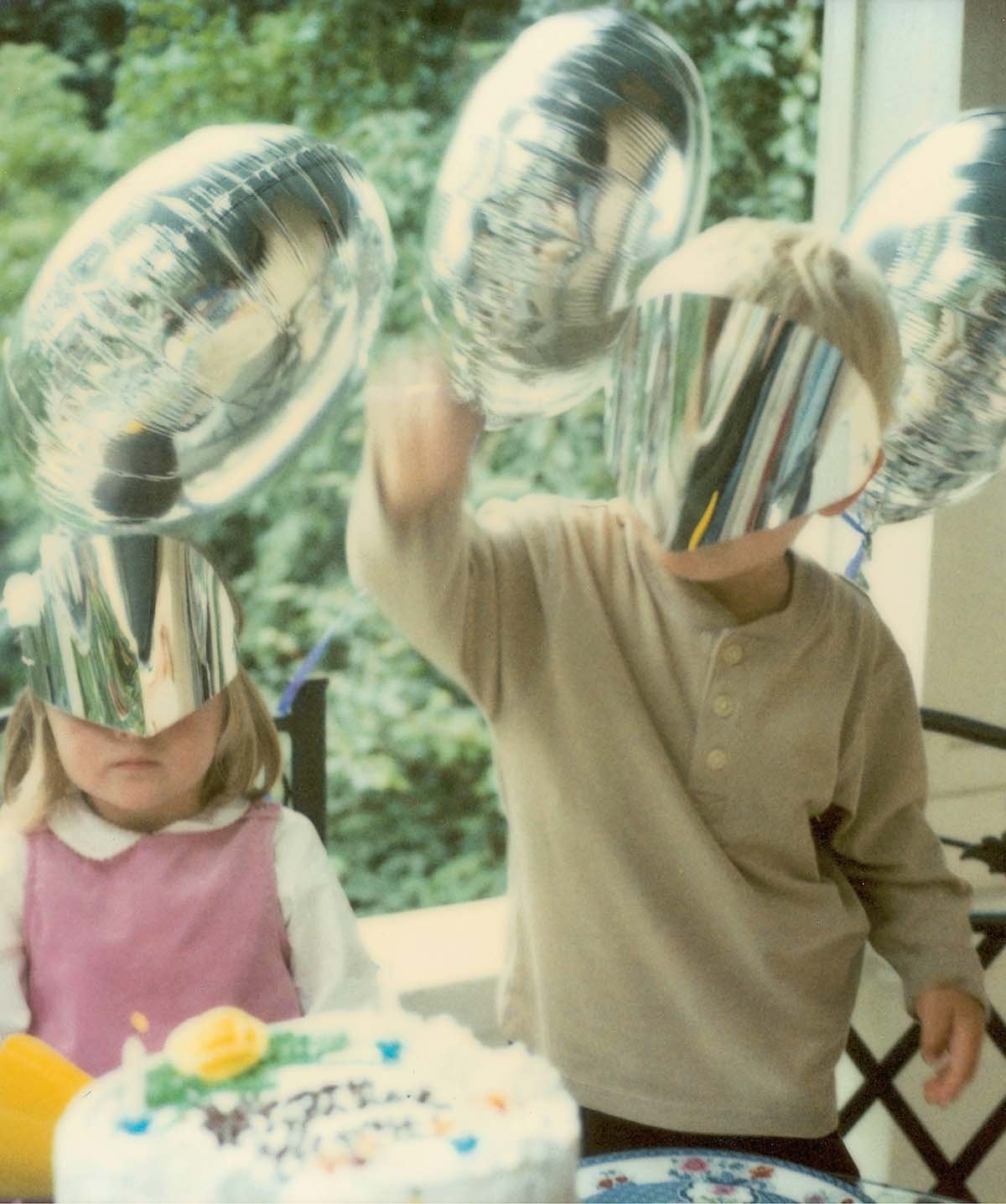
    Stefanie Schneider, Boy with Silver Mask (Stay) Photograph

    MDMA’s ideal for therapy because it can “rebrand your sense of self.”

    Shame and trauma dance a ghostly tango. An ostracised alcoholic is merely the grown-up version of the abused child we clutch our perals over. Or so says child psychiatrist and leading psychedelic researcher Dr Ben Sessa, presenting to Vital students.

    “Abused children generate tremendous sympathy,” says Sessa alluding to many high-profile court cases in the UK during lockdown and beyond, “but once the same abused child turns to addiction, they’re written off as a filthy smackhead, or an alcoholic.” Reported child abuse cases rose a staggering 1493% at one point during the C-19 lockdowns.

    Dr Sessa has worked as a child psychiatrist since 1997. But not just with under-16s. He’s taken his knowledge of childhood trauma and applied it across the all-too-adult issues it causes later.

    “Existing drugs are not treating the base disorder – trauma”

    Like alcohol use disorder (AUD) for example. 

    “I naturally take a very developmental approach to mental disorder,” he says, “I think that every adult psychiatrist should spend some time as a child and adolescent psychiatrist, because we really do grow up to become our parents. And those things that we learned in those early years – ‘Even my parents can’t love me, I’m useless, I’m a failure, I can’t achieve’ – become a blueprint for the rest of our lives.”

    Childhood trauma operates on a scale ranging from forced labour and sustained sexual abuse, to simply growing up in a rigid suburban household where neurotic parents act out their frustrations with a shaming communication style featuring ‘too many shoulds’. 

    “I deliberately lump together childhood trauma, post traumatic stress disorder, complex post traumatic stress disorder, and addictions,” explains Sessa, “it’s very difficult to treat these, and there’s no single approach.”

    The trajectory from trauma to addiction draws on John Bowlby’s attachment theory and research from the past decade or more connecting PTSD to substance abuse. Attachment theory suggests that maladaptive adult behaviour is more likely to be caused by issues between a baby and its mother and other environmental factors including poverty. This contradicts established psychoanalytic narrative, which says it’s all about… the oedipus complex, and other aspects of thanatos, the Freudian ‘drive’ to act according to one’s most selfish, basest urges.

    Despite being head of The Tavistock Clinic’s child psychology department from the mid-1940s, Bowlby’s ideas were still being rubbished by the establishment in the 1990s.

    “If you’ve had an insecure attachment to your parents, you develop these neuro-protective narratives: ‘I’m bad, I can’t achieve, I’m unlovable, the world is dangerous’,” explains sessa, “By the time you’ve been thinking like this for ten, twenty, thirty years you truly believe it. This is why mental disorders become chronic, lifelong unremitting problems. Faced with it, the safest and simplest way of dealing with it is to numb yourself, block out the world with sedating dangerous substances like heroin. And far more dangerous ones… like alcohol.”

    Like in the USA, there’s currently no pharmacological prescription for PTSD available in the UK. Nor alcohol use disorder; in the United States only 4% of AUD sufferers are given a medication.

    “We have what we call ‘polypharmacy’,” explains Sessa, “If the patient’s depressed, we’ll give them an antidepressant. If they can’t sleep, we’ll give them a hypnotic. If they’re constantly anxious, we’ll give them an anxiolytic. If their mood goes up and down, we’ll give them a mood stabiliser. If they are hyper-vigilant, one of the core features of PTSD, if this spills over into paranoia will give them an anti-psychotic. And of course, you have to keep taking these drugs day-in, day-out as maintenance medications for the rest of your life. None of these different classes of drugs are curing the patient. They’re not treating the base disorder – which is trauma.”

    Here in the UK psychiatrists (doctors prescribing drugs), clinical psychologists (NHS trained psychoanalysts who have lots to do) and psychotherapists (talk therapists of wildly varying quality, without medical training) have long existed seemingly independently of each other.

    Personal and financial resources are required to tackle one’s mental health with impact.

    “Pharmaceutical MDMA is 99.8% pure and very expensive”

    I’d recommend medication, psychoanalysis and psychotherapy. But as a customer myself I know it doesn’t come cheap. The experience can be arbitrary too.

    “After 30 years in psychiatry, my opinion is that psychotherapy boils down to a relationship between the patient and the therapist, and an ability for the patient to talk about their pain,” claims Sessa with authority, “that’s fine for around 50% of people with trauma based disorders.” 

    But not nearly for all.

    “A significant half, they cannot go there to talk about their pain… they will do anything but talk about that night when they were ten years old, and their grandfather came into their bedroom,” says Dr Sessa.

    Many therapists are understandably not fully prepared to deal with angry, impenetrable PTSD cases with substance use disorders and co-morbidities like ADHD.

    “Trauma victims drop out of therapy. We have high rates of self harm and suicide, and very high rates of addictions. There’s a 50% treatment resistance in PTSD. After detox, 70 to 90% of addicts are back on the substance again.”

    Combining psychiatry and psychotherapy sounds like common sense. But it’s practically unheard of. “The therapy alongside the MDMA makes the difference,” says Sessa pointing out that his clinic Awakn doesn’t offer its current ketamine programme without accompanying talk sessions.

    Awakn conducted its BIMA – Bristol Imperial MDMA for Alcoholism – project under research trial conditions, so while the process mirrored a regular treatment programme with genuine sufferers they didn’t pay and regulations were fiercely adhered to. Pharmaceutical MDMA was used, “it’s 99.8% pure and very expensive,” says Sessa. 

    MDMA’s cocktail of positive therapeutic effects include a melodic duet between the amygdala and frontal cortex, where the amygdala ‘fear response’ shrinks while activity in the advanced brain grows, providing an ‘optimal window of arousal’. MDMA’s empathy-increasing properties, generated by production of the hormone oxytocin, strengthen the bond between therapist and patent.

    “Elements of transpersonal psychotherapy were used during the drug sessions”

    The ‘peak experience’ though remains key for softening the calloused neural pathways that dictate repeated cycles of dysfunctional behaviour, like addiction in particular. 

    “You can’t just tell someone ‘stop thinking like that’. Chronic unremitting mental disorder is all about ‘stuckness’. It becomes your version of yourself.” Decades on from the original trauma, “Something otherwise relatively benign happens in the queue at the post office and you have a panic attack,” illustrates Sessa. 

    BIMA’s eight-week course Sessa describes with characteristic honesty as, “‘MDMA assisted psychotherapy for the treatment of alcohol use disorder’, which is perfectly accurate. It’s never been done before; we were making it up as we went along.”

    For MAPS-trained Sessa and his prodigal collaborator Dr Celia Morgan (named by Business Insider as one of the ‘Women Shaping the Future of Psychedelics’) this meant drawing on their wealth of experience carving out the Psychedelic Renaissance over the past 20 years, rather than riffing.

    “Of course it was more nuanced than that. We had elements of transpersonal psychotherapy we used during the drug sessions; we used a lot taken from the maps manual for PTSD.” 

    All the subjects were daily heavy drinkers who had been through detox. Talk therapy in the ‘non drug’ sessions, a total of 15 around three MDMA ‘trips’ drew from their experience at the forefront of addiction treatment: “We used elements of Acceptance and Commitment Therapy, Motivational Enhancement Therapy, and CBT [Cognitive Behavioural Therapy], which were typical for addiction studies. We are of course writing the manual for this, and will be using it as we move into Phase 2B.”

  • Where are you from and what are you on?

    Where are you from and what are you on?

      Space
    Space

    Therapists can meet anyone half way with a little universal love

        Weirdcore     ,      ‘Subconscious’
    Weirdcore , ‘Subconscious’

    “Is this is this what love feels like?”

    That’s what a trial subject in Dr Ben Sessa’s BIMA project using MDMA to treat alcohol use disorder said to him during a drug session.

    What was his answer? “I thought, ‘Well… no, of course this isn’t the noble, lofty form of love – it’s a transient artificial drug induced experience’.”

    The Bristol, UK-based psychiatrist remembered his MAPS training met his patient halfway though.

    “I thought to myself, ‘Hang on… she feels safe, warm and empathic. She feels held, contained. She’s in a trusting relationship with me.’ So I replied, ‘You know what? Yes. This is what love feels like,” he beams at Vital students in his triumphant lecture during our therapy-focussed module.

    The rapport held: “That’s amazing,” replied the recovering alcoholic from behind her Awakn-branded blindfold, “My whole life. I’ve never felt this, I’ve only ever felt scared, I’ve only ever felt frightened and threatened. But now I know what love feels like. And I have a platform on which to build.”

    ‘Loved up’ is raver slang for the narcotic-induced tenderness and sensitivity MDMA generates by increasing the flow of bonding hormone oxytocin.

    “Love will be the only religion, a religion of life for the children of the future”

    That rush contributes to the healing process by giving PTSD sufferers a glance of what may be. “The positively felt mood from MDMA is very important indeed,” says Sessa.

    Sigmund Freud wrote extensively about libido, ‘the energy, regarded as a quantitative magnitude… of those instincts which have to do with all that may be comprised under the word… love.’

    Opposite this positive, manifesting life energy that Freud dubbed eros though was thanatos – the ‘death drive’ towards addiction, aggression and rumination, derived from a desire to return to the simplicity of the womb. ‘The purpose of life is death’ wrote Freud in 1920. His flying monkey Jacques Lacan postulated that all other drives are ‘partial’ to the death drive. Freudians call it simply ‘the drive.’ 

    Freud’s star pupil Wilhelm Reich was pro-science and anti-mystic. He was nonetheless appalled by this one-sided development. “Love will be the only religion, a religion of life for the children of the future,” Reich wrote in his diaries during 1942, “it will transform man in such a way that the questions of passport and race will never arise.”

    Reich started well by coining the term ‘Sexual Revolution’ in 1948. But besmirched his reputation for rigour with the invention of implausible Orgone Generators, machines of various sizes and capacity to harness ‘orgasmic energy’ comparable to the eastern concept of chi.

    “Compassion has a natural partner in forgiveness”

    Beat generation authors JD Salinger, Allen Ginsberg, Jack Kerouac, William Burroughs, Saul Bellow, and Norman Mailer were all devotees. ‘Mailer kept a small collection of orgone accumulators in his barn in Connecticut; they were beautifully finished, and there was a big one that opened like an Easter egg’ writes Recih’s biographer Christopher Turner, ‘He climbed inside and closed the top.’

    This all ended rather horribly with Reich dying in prison and his books burned by the authorities. We certainly haven’t heard the last of Reich; for a start celebs like the Kardashians have been catalysing an Orgone Generator revival for years. No, it’s not a trickster prank. You can buy Reich tat on Etsy.

    The empathic compassion and awareness are part of this thing called love too. Reich’s predecessors in the field of bodywork are more careful to stress those elements in their own therapies. “Compassion has a natural partner in forgiveness,” says polyvagal theory icon Deb Dana, “awareness brings choice, the second element necessary for a regulated nervous system.”

    Polyvagal theory, endorsed by Dr Sessa, considers not only overactive fight or flight responses but ‘freeze’ too, the stultifying effect occurring when neither fight not freeze is not an option, seen for example in domestic abuse situations. Trauma victims have ‘the handbrake and the accelerator on at the same time’ in polyvagal terms. “With choice it’s possible to be still or move, approach or avoid, connect or protect,” writes Deb Dana.

    Forthcoming data reports from Awakn’ BIMA tests will examine compassion and empathy’s detailed role in the process. 

  • Ravers score rare victory over Mondays

    Ravers score rare victory over Mondays

      Medical
    Medical

    The Awakn formula to avoid notorious MDMA comedowns: peak early and don’t skimp on quality

        Scott Houston     , ‘Party Kids at Dawn’
    Scott Houston , ‘Party Kids at Dawn’

    In 40 years there’s been no single serious reaction to MDMA in clinical setting.

    Doses taken are 125mg and up, about half the size of a respectable ecstasy pill. But “It’s 99.8% pure, and very expensive,” says Dr Sessa of his MDMA stash.

    Alongside a 9:30am start time, measured hydration, and overnight stays in the chic surrounds of an Awakn clinic, the integrity of the substance is one of the many reasons why Dr Ben Sessa reckons MDMA comedowns don’t exist. Just like your mate, ‘Hardcore Mandy’.

    Sessa didn’t exactly say ‘Comedowns don’t exist’ in his December 2021 report Debunking the myth of ‘Blue Mondays: No evidence of affect drop after taking clinical MDMA.

    “Take it during the day”

    In fact, like he does say in the proceeding war of words on the letters pages of The International Journal of Psychiatry (which is a pretty cool thing to be having anyway) after the article appeared:

    ‘We were not stating that ‘Blue Mondays’ do not exist in recreational user populations. Quite the contrary, they do. In respect of power: across 26 clinical MDMA sessions, we did not elicit one single report of acute comedowns. All participants reported no negative disturbance to affect at the end of the day after taking MDMA as the drug wore off. No comedowns. This is a highly significant outcome over 26 separate sessions with clinical MDMA.’

    The notorious ecstasy ‘comedown’ where ravers feel considerably less clever on the morning commute than they did atop a riser earlier in the weekend, is likely due to sleep deprivation, over-exertion and dehydration.

    “People often ask, what about comedowns?”

    Plus combining recreational MDMA with whatever ravers can get their hands on at 7am, Dr Sessa told Vital students. 

    “Every weekend, three quarters of a million doses of ecstasy are taken in the UK, yet our wards and clinics and outpatient departments are not full of ecstasy casualties. That is a data driven,” he explains, “People often ask, ‘What about comedowns? Recreational ecstasy users describe all kinds of flowery terms to describe this: blue Monday, black Tuesday [usually the worst I find], suicide Wednesday. We saw no evidence of this effect drop after taking clinical MDMA.”

    “Not too quick on ‘Debunking the myth of ‘Blue Mondays’,” responded a team of Dutch psychologists in masterful pidgin english before going all n=17 on everyone and spreading a really heavy vibe over the whole session. 

    ‘For instance, were there multiple raters, and can the authors report inter-rater reliability?’ They wrote to the editor in the August 2022 issue of the IJP, ‘These questions also apply to the “list of representative questions and responses” included in Table 3. What does representative mean in this case, and how was representativeness assessed?’

    The urbane Sessa parried, ‘We feel our recent Blue Mondays article contributes positively to the field by providing a clear report of the relative lack of adverse effects seen with clinical MDMA administration in contrast with the widely reported negative anecdotes seen with recreational use… This is especially relevant given the fact that we were studying potentially vulnerable patients with significant mental and physical illness. We appreciate the criticisms about the article’s hard-hitting title, which has certainly resulted in considerable debate.’

    Dr Sessa’s valuable advice to recreational users?

    “Take it during the day,” he told readers of hoary hedonism journal Vice, “I realise that is a bit unrealistic.” The rave scene adapts nonetheless: next-gen London nightclub Printworks is built in a former newspaper printing press for total soundproofing within a central north London location. DJs play all afternoon and evening to three generations of ravers, mostly on the younger end. Closing time on the Tube hasn’t been the same since it opened in 2017. While Printworks will be demolished to make way for… commercial offices, a successor has been announced.

  • Kool-Aid Corner #14

    Kool-Aid Corner #14

    To finish: trippy clippings, merry pranks, and psychedelic student life

    Graph of the Week

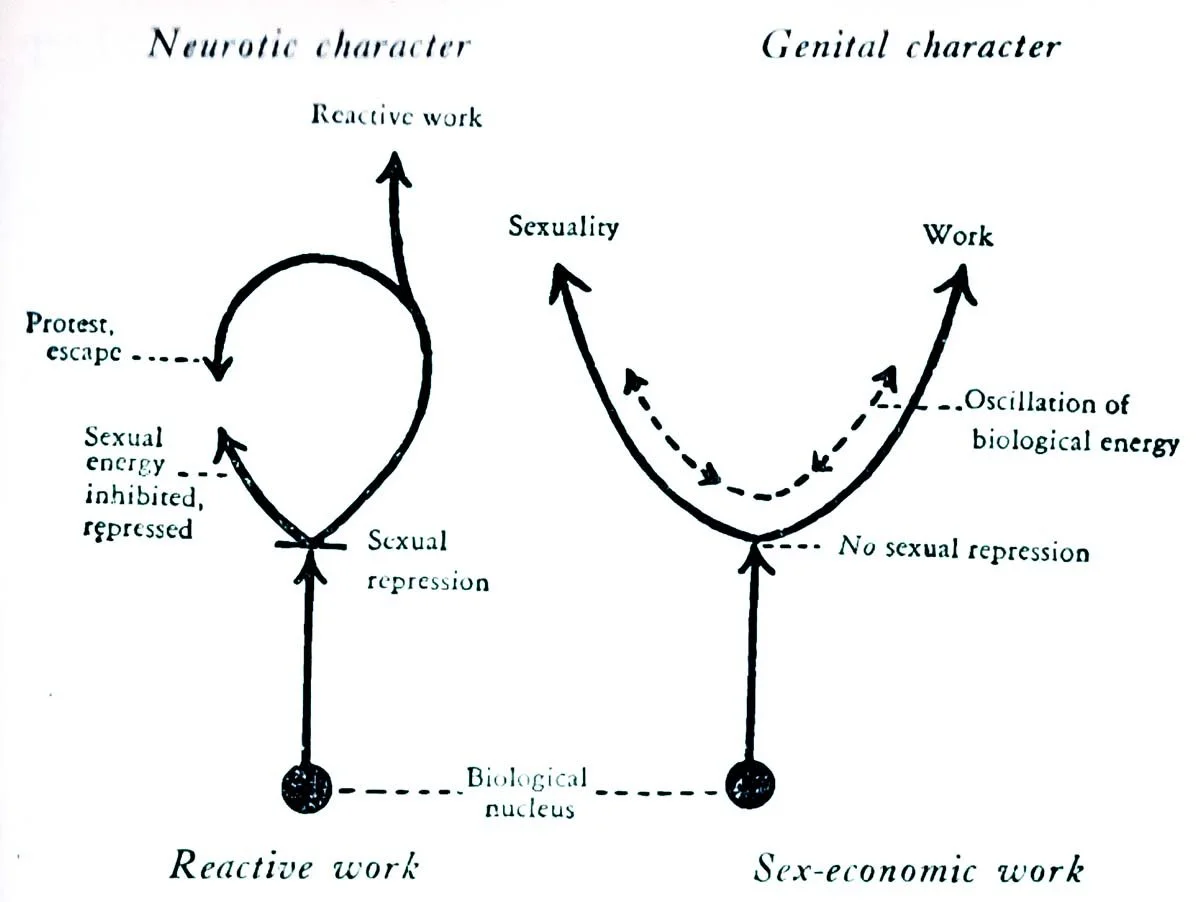
    Reactive vs sex-economic ways of working…

       From: The Function of the Orgasm,      Wilhelm Reich      (1948)
    From: The Function of the Orgasm, Wilhelm Reich (1948)

    My bookshelf weighs a ton

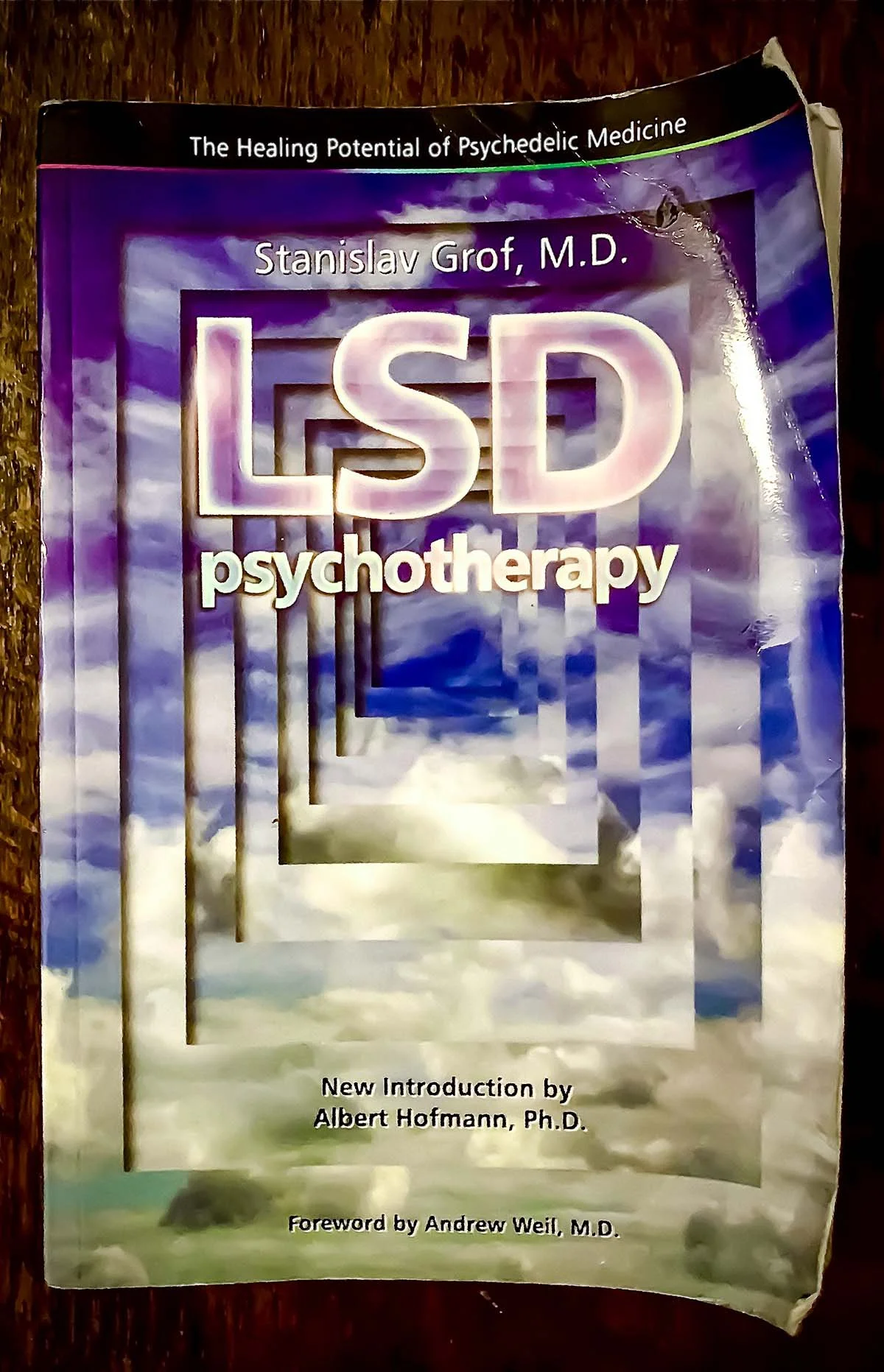
    Notable new purchases for the occult library. Strictly second hand snap-ups only. This week: LSD Psychotherapy by Stanislav Grof

     Buy MAPS’ natty two-volume   Way of the Psychonaut   set
    Buy MAPS’ natty two-volume Way of the Psychonaut set

    If James Fadiman’s Psdychedelic Explorer’s Guide is the basic primer on Vital, this is the advanced text.

    I was saving up for MAPS’ natty two-volume Way of the Psychonaut (WotP) set but so many clever people mentioned LSD Psychotherapy off-hand in their lectures, and implored students to read it, that I followed the signs and grabbed a copy of the general 1980 release. I wasn’t disappointed.

    Within Grof’s reflections were the missing four corners of the jigsaw puzzle: LSD Therapy squared my impressions of the experience, its mystic and medicinal qualities, plus even putting on the the blindfold and ‘going under’.

    LSD Therapy features illustrated plates picturing art created on LSD by Grof’s patients, including a chap who, while others are painting tableaux featuring EG a rising phoenix, daubs cartoons about his wife and his car.

    I get the impression Grof books are like Smiths albums and crossover a little content-wise, so buy WotP rather than scurry around Abe Books snapping up what you can.

    Next issue: Dr Eduardo de Luna, Brazil’s top expert and founder of Wasiwaka Research Centre

  • On the couch 2.0

    On the couch 2.0

      Approach
    Approach

    Psychedelic snobs like me sniff at ketamine treatment. But patients with lived experience say it works

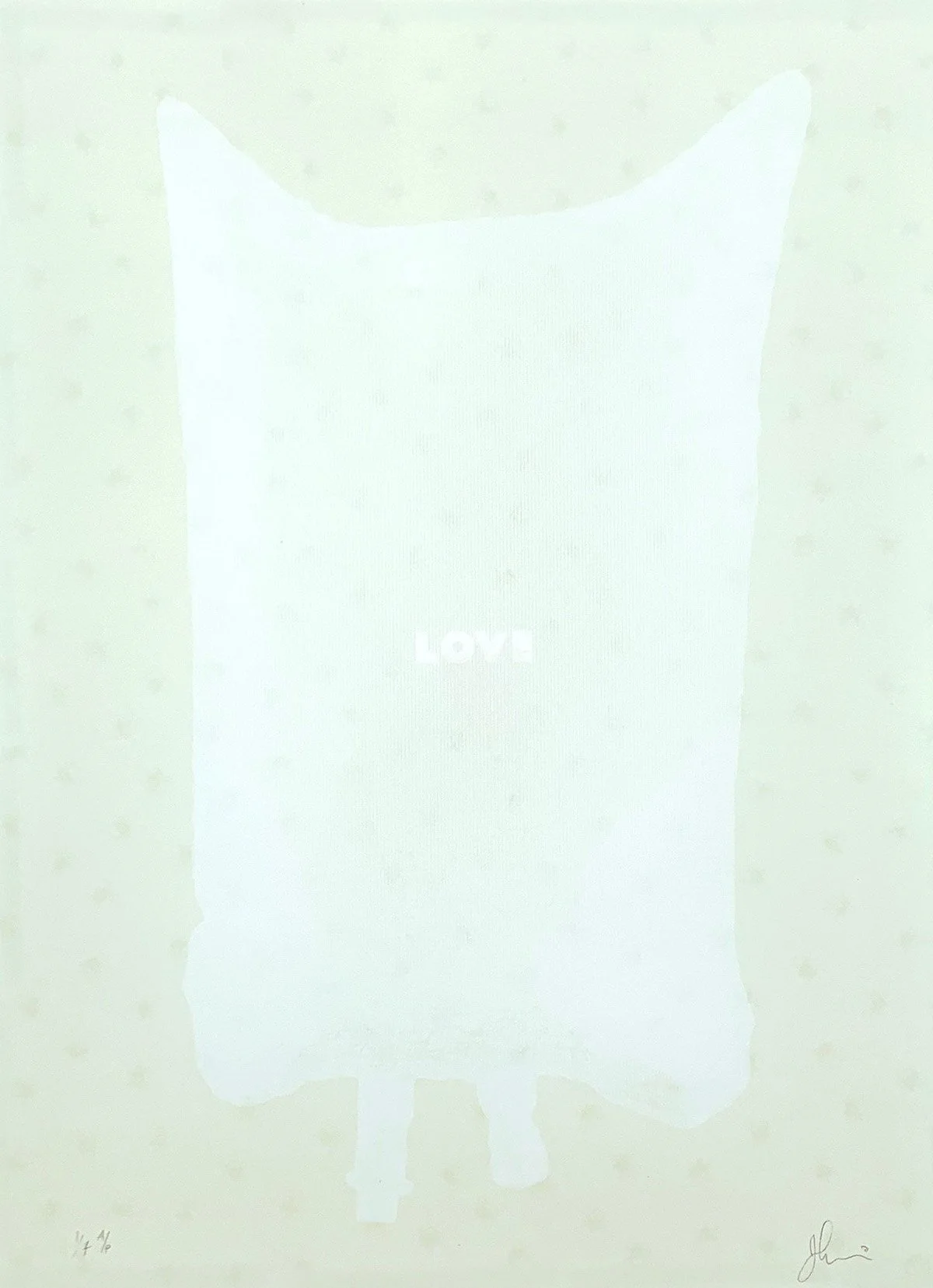
      ‘Infused Vocabulary’ by    False Negative Art
    ‘Infused Vocabulary’ by False Negative Art

    There are now hundreds of clinics in the USA dispensing psychedelic-style treatment using what we used to call ‘regretamine’ (as in “I regret having that ketamine”) and ‘ROFLcopter’.

    Depression, PTSD and addiction, including for cocaine use disorder, are the conditions treated. Novamind’s six clinics in Utah expect a more than 200% rise in patient numbers next year, up to 65,000. Waiting lists are already two weeks long for a single infusion. While Spravato’s inhalers have become synonymous, lozengers are used too and an adjustable IV drip is considered the most workable method overall.

    In her lecture covering the K-clinic phenomenon, specialist ketamine therapist Veronika Gold told Vital students that a raft of approaches are required to suit patient needs. Treatment modes range from the purely medicinal, including Mindbloom’s at-home service, to a psycholytic take where therapy takes place during the trip, to the psychedelic approach nailed down by Stan Grof where discussion occurs between guided, internal drug experiences (this is Awakn’s method used in the UK).

    However, US insurance codes cover the substance but do not currently include accompanying psychotherapy. Patients’ strong reactions to emerging trauma on early trips have encouraged many dispensers to provide a sitter for inaugural unaccompanied voyages nonetheless.

    I’m a complete snob about ketamine masquerading as a ‘psychedelic’. I can’t help but feel gaslighted by the assumption. LSD has given birth to its own rich culture of art and ideology. Even MDMA (also not a psychedelic) gave birth to rave. Where, I ask, are ketamine’s contributions to the collective imagination?

    “I was able to go into the outside world without a sense of impending doom”

    Moreover. I for one, given my own history with this particular ‘medicine’, have been less than compassionately curious as to ketamine’s therapeutic worth, in comparison to what we now have to call ‘classical psychedelics’ and indeed MDMA. Reports are varied but most are positive compared to existing treatments. Many are euphoric; others a disappointment. I’m heading off for the sharp end of guide training in a month and it feels incongruous not be getting first-hand know-how of ketamine therapy too.

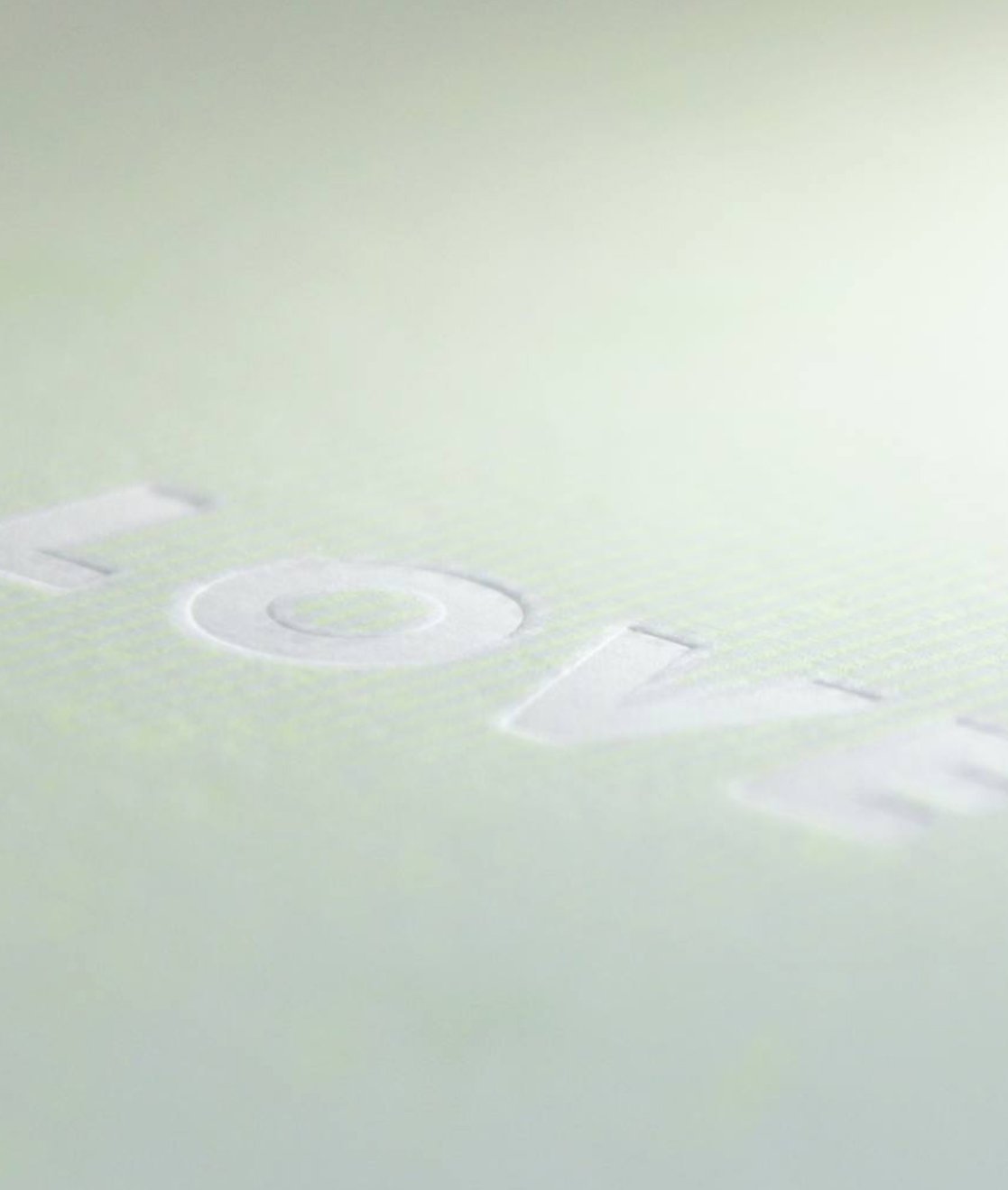
      Close-up of the IV bag used in ‘Infused Vocabulary’ by    False Negative Art
    Close-up of the IV bag used in ‘Infused Vocabulary’ by False Negative Art

    Thankfully, trustworthy circle buddies have, both microdosing and the full clinical shebang. Know what? Their verdict is… thumbs-up. 

    Kelli Ann Dumas is a psychotherapist in my Vital study group. She received ketamine treatment after two decades working as a first responder in disaster zones, and with the US military abroad. While first responders do not require a PTSD diagnosis to obtain treatment in the USA, Kelli’s career has included the ‘direct threat to life’ instances this usually requires.

    “In the completing treatments rose joy. A positive, giving dynamic. Love and fire”

    She says of her symptoms, “My intrusive thoughts were of… being killed. I would live in fear of it. All the time.” 

    After the first dose, “I was able to go into the outside world without a sense of impending doom. The intrusive thinking went away. Anger was still there though. And so were panic attacks.”

    The mental room she free’d up made for a beach head to assault these deeper issues, and Kelli got to work. “Before with PTSD I felt uncommon; only tight and damaged space inside,” she reports, “As my journey went on I was able to claim more of that space internally. When I did feel anger or fear come up, I could back into myself and feel safe.”

    Powerful senses of grief and loss followed as Kelli went deeper, taking lozengers alone amongst Louisiana countryside in her beloved RV with a therapist available remotely. 

    “Love would arise instead and I saw myself journeying like I had in my earlier life – my energy crossing the land. In the completing treatments rose joy: a positive, giving dynamic… love and fire. This became solid inside of myself, instead of the fear.”

    Costly top-ups (weekly blasts add up) haven’t been necessary so far says Kelli: “When the tremble of the trauma comes I remember the call home, and am able to ride over it with my true self of dynamic proportions,” she says. “I don’t inward as much: integration with family is getting better, my exterior boundaries are getting better when faced with negativity.”

  • Consciousness expansion for the masses

    Consciousness expansion for the masses

      Therapy
    Therapy

    Do the public care about therapy with their infusion? They do when trips get intense

      From ‘K Hole’ by    Ted Vasin
    From ‘K Hole’ by Ted Vasin

    Veronika Gold has a front row seat at the new psychedelic healthcare reality.

    The family psychologist worked on ketamine treatments at Cleveland’s New Pathways before heading to SF, training with MAPS and co-founding Polaris Insights.

    Unsurprisingly, when psychedelics hit the general public it can get quite messy. Never mind your neighbours falling down the K-hole – can you explain that it’s only ego death and it’ll be alright soon? (Encounters with Anne Shulgin’s (RiP) ‘death door’ may be more complex).

    “Even if you don’t agree with areas of psychedelic therapy, like the re-living the birth process and perinatal matrices, they can come up in patients. We’ve had girls go through that process,” says Veronica, who’s KAP program has been honed by what she sees in her treatment rooms each working day.

    Accompanying psychotherapy for ketamine treatment is not covered by US insurance policies, as things stand. Over here in the UK its benefits aren’t exactly stressed by, for example, London’s Safe Minds. Besides haven’t we all gone round in circles with our psychotherapists enough by now?

    “Patients might struggle with things coming up that conflict with their established beliefs”

    Compass Pathways exec, psychiatrist and ketamine veteran Dr Steve Levine, who’s treated over 6,000 people with 60,000 infusions, urges caution over ketamine’s efficiency without therapy, and shakes his head over standards on the off-label scene. One Vital student who tried out their local K-clinic said he was very much left to his own devices. “It didn’t necessarily engage in what I would consider best practices, preparation and integration, stuff like that,” he tells Veronika in her Vital lecture Q&A, “During the higher doses, I would get lost. I wouldn’t know where it was, what was going on, or I just didn’t have any sort of focal point, even with the music.”

    A study group fellow on a series of ketamine treatments tells me anecdotally, “You get what you pay for.” Veronika is of course appalled at rookies being left alone in drab treatment rooms. Attention is important for first-timers especially, she says. 

    Most of all Veronica’s own Ketamine Assisted Therapy (KAP) program stresses flexibility. “The medicine may be too much for psychedelic therapy where they process internally, so you lower the dose and try a psycolitic approach with talk therapy while they are under a lighter influence. Or the patient could pull back from a shamanic experience where they confront the trauma, to discuss insights on a transpersonal level. They might struggle with that as things are coming up that conflict with their established beliefs.”

    It seems clinic staff need to stay light on their feet.

    “It was exciting to see that for some people, home treatment worked better”

    And, prepared.

    “We have a long intake questionnaire, we as well ask about trans-generation trauma, we ask about their birth process, we ask about you know relationships in their life, we’re asking about religious and spiritual history, discuss how they may want to be held,” says Veronika. Screening patients is key to unproductively disturbing scenes. “We have though, had referrals asking for the medicinal treatment alone who’ve had a difficult time and needed attention,” she warns. 

    “We see people moving a lot, kicking, pushing, shaking off trauma physically,” says Veronika, “patients subconsciously feel more able to do this when they‘re not connected to the IV, so switching administrations can be useful too.”

    If the unwashed masses crashing down main street on K wasn’t concerning enough, moral guardians gasped when the pandemic struck and ketamine therapy was offered… via Zoom.

    “We weren’t sure how it’s how it’s going to work,” says Veronika, “it was really exciting to see that for some people it worked better. They didn’t have to end the session at the three hour mark, get everything together to leave the clinic, have somebody pick them up or take a ride home. They were able to stay in their space.” Sounds groovy.

    Vital student and first responder Kelli Ann Dumas, who talks about her own ketamine treatment experience elsewhere in this issue of the unofficial Vital Student Zine took her later lozenges accompanied only by her two terriers, snug in her beloved RV surrounded by Louisiana woodland. She thinks it wouldn’t have been as effective without applying her own self-healing skills, which range from to participation in ayahuasca ceremonies to frontline trauma counselling work and a transpersonal psychology qualification. 

    “Pulling into the observing ego was my benefit,” says Kelli, “I’ve learned how to access an observing space, but that’s through years of yoga, meditation and eastern studies. Plus from my career I have advanced skills in narrative therapy. I don’t think someone without access to those would have as effective an experience.”