Tag: Society

  • The Legality of Psychedelic Therapy with Courtney Barnes

    The Legality of Psychedelic Therapy with Courtney Barnes

    My unofficial Vital Study Zine #9 with observations from Vital Psychedelic Training and recent happenings in the space
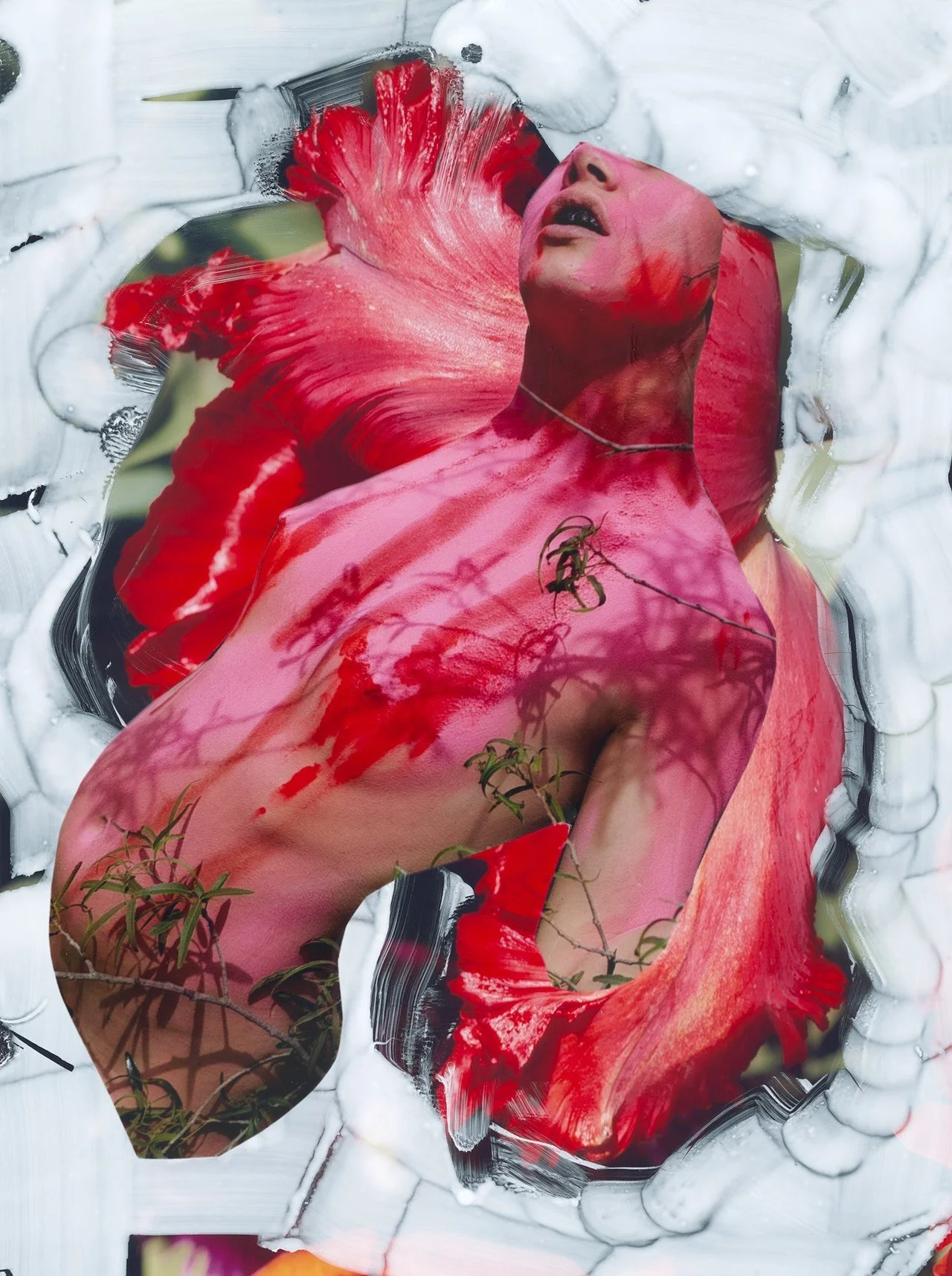
       NO. 63 by Norbert Schoerner from      Gallery 46
    NO. 63 by Norbert Schoerner from Gallery 46

    This week Vital students heard from hero lawyer Courtney Barnes of Barnes Caplan LLC, state policy advisor for Decriminalize Nature, and associate attorney at Denver cannabis specialists Vicente Sederberg LCC.

    When Brits now based in the USA visit me in London nowadays, they’ll chuckle “I forgot weed is still illegal here!” as if that’s quaint and amusing. So I spent most of this week checking out UK legislation and musing on that. Muse upon this week’s insights including the opening of the world’s first psychedelic ‘amazement park’ in my home town of Bristol, where Ben Sessa’s Awakn just secured UK government funding and a green light for Celia Morgan’s addiction treatment using ketamine in North America.

       Psychedelic attorney Courtney Barnes. I only use lawyers who wear Pucci, personally
    Psychedelic attorney Courtney Barnes. I only use lawyers who wear Pucci, personally

    I did pick up: in the US and undoubtedly here in the UK, you can get busted for supply for leading a ceremony even if you’re not the actual supplier, although ‘duty of care’ legally obliges professionals to point enquiring patients towards the safest route to psychedelic experience they know of. Any kind of illegal activity whatsoever is unthinkable for any professional in a US state where psychedelics remain illegal. “I’m a member of my local emergency services and can’t possibly get involved in anything beyond the law,” said one Vital student.

    Screening potential voyagers, ideally via a spoken reference is highly recommended. From a licensed US facilitator: “My clients come from two close and respected community sources. Many have experience from their youth and would like to undertake a significant, intentional experience for the right, realistic reasons, in the forest, with someone trained to look after them.” Interestingly, when this Vital student evaluated possible experients he covered all the bases recommended for both the legal treatment he was licensed in his state of residence to provide, and the canny, no-stone-unturned, word-of-mouth recommendations for underground practitioners. 

    Next issue: Kylea Taylor charts a path through the ethical warpstorm of psychedelic therapy
  • More mushroom tea, vicar?

    More mushroom tea, vicar?

      Approach
    Approach

    Savvy brits in the space are sussed to self-care. But the vulnerable are left behind

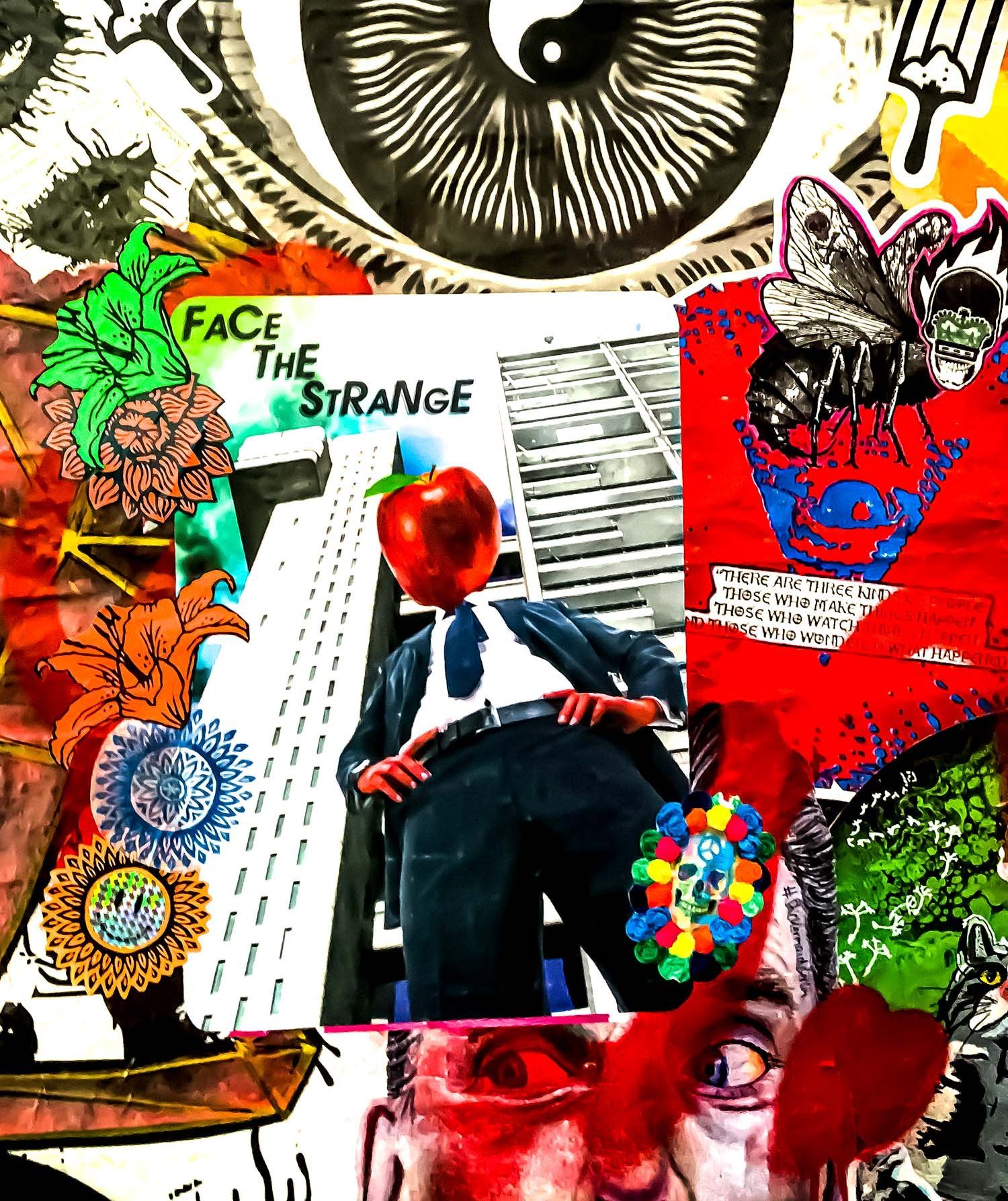
       Contemporary graffiti in east London
    Contemporary graffiti in east London

    Here’s a ray of optimism, before I start even attempting to unravel the respective messes that are Britain’s drug laws and mental health provision.

    A judge in Cumbria, northern England just said she hoped ’the law will catch up with science’ when pardoning an accused man for growing his own magic mushrooms to benefit his mental health.

    Britain has the highest depression rate among children in Europe, along with one-third of the continent’s drug overdose deaths and its worst alcohol problem. Mental health problems cost the British economy £118 billion annually. The situation is apparently more dismal than we even think. Lockdown saw a 47% increase in young people seeking help and I need hardly quote again my recent article elsewhere detailing the stigma that still exists in the workplace around stress and burnout.

    It’s characteristic of the British legislature to turn a benign blind eye to self-medication while dragging its feet on psilocybin prescriptions. Former prime minister (PM) Boris Johnson and his pantomime villain advisor Dominic Cummings supposedly had psychedelic therapy as a political cause celébre partly because Brexit meant chances to the law could be actioned quicker. Now they’re out of the game, things are even worse in the corridors of power.

    Unlikely Men in Tights of this particular pantomime are the Conservative Drug Policy Reform Group

    UK home secretary Priti Patel says she’ll ban ‘middle class’ cannabis smokers from nightclubs and take away their passports to derision from even Daily Mail readers. Front runner for new PM Liz Truss has turned Judas on her 420-friendly past.

    The centre left is no better with its leader Keir Starmer, a former head of public prosecutions, saying he’s “seen too much damage” in his former role. Dude, the unremittingly grim extraction economy lifestyle is the problem across all classes especially the estate-condemned non-working class. Not the weed itself.

    While kids opting for dank oblivion above all else is a problem, it is hardly caused by marijuana alone and previous alternatives like booze and heroin are frankly worse. My entirely subjective opinion from the ground is that the approach reeks of not upsetting near-senile, control-freak baby-boomers.

    Unlikely Men in Tights of this particular pantomime are the Conservative Drug Policy Reform Group that are actually part of the UK’s centre-right Conservative [Tory] Party. Its campaign to legalise cannabis and psychedelic therapies has the blessing of former prime minister John Major, ex-Tory leader William Hague, current Northamptonshire police, fire and crime commissioner Stephen Mold, plus ex-MI5 (it’s like Homeland Security) chiefs Lord Evans and Baroness Eliza Manningham-Butler.

    Over half of voters from even right-wing parties believe in the legalisation of psychedelic therapy, according to a YouGov poll quoted by broadcaster and former advisor to PM Theresa May Tom Swarbrick. Thought leaders like the redoubtable Zoe Cormier of good eggs Guerrilla Science are also in the media front lines doing the mushroom god’s work.

    Meanwhile the country’s largest NHS trust are opening a new dedicated facility in the grounds of the former ‘Bedlam’ hospital alongside Compass Pathways which you can read about elsewhere in this issue.

    The naturally British reaction is to quietly do what it seems the justice system, NHS and general public are already doing. Which is plough on regardless leaving the government apparatus and armchair windbags to their own ineffectual posturing. 

  • UK leads new inner space race

    UK leads new inner space race

      Space
    Space

    But there are not nearly enough healers to dish out the (desperately required) medicine. Why?

       This is actually from new ‘psychedelic amazement park’ Wake the Tiger  in Bristol
    This is actually from new ‘psychedelic amazement park’ Wake the Tiger in Bristol

    “Mental health workforces are shrinking at a time the demand for mental health services is increasing,” says the news blog for Europe’s first psychedelic research centre Clerkenwell Health, just down the road from me in London. 

    Dr Derek Tracy, medical director at West London NHS Trust, told Sky News earlier this month that he has never seen such a high demand for access to mental health treatment. “It’s as busy as I’ve ever seen in my career. Numbers are up across all age groups and in all types of presentations, in London and nationally.”

    March 2021 figures claimed a quarter of adults reported ‘clinically significant psychological distress’ that month, up from just over a fifth before the C-19 pandemic. 

    So one in four of us are suffering from… ‘clinically significant psychological distress’. Suicides are up again since 2018. In May 2022 the number of under-18s referred to emergency mental health services went up 37% on the previous year, a record high. Depression and anxiety are the number one reason for taking time off work.

    “There are not enough therapists to deliver these treatments”

    This while corks pop on bottles of Nyetimber as the UK is declared “world leading” in the innovative treatment research field.

    Back on Clerkenwell Health’s blog, “Developing new drugs has attracted significant commercial interest. But the delivery aspects of these treatments are yet to receive the same attention. There are more than 150 psychedelic drug developers in the market. Patients’ demand for psychedelics is also increasing.”

    Clerkenwell Health’s stark conclusion? “There are not enough therapists to deliver these treatments.”

    I’d respond: that’s because there are too many barriers to becoming qualified.

    This week Vital students heard from lawyer Courtney Barnes, who detailled Oregon’s facilitator license training requirement that are not dissimilar to its own syllabus. Clerkenwell Health’s own psychedelic therapy program requires accredited health professional (AHP) status for entry. Which puts it beyond my means, for example. That requires a degree in occupational therapy at least, or better still being a clinical psychologist, which involves a decade or so of grind that I’ve been told by those who know for sure is not worth me trying in my mid-40s. Psychotherapist training is three to six years according to the UK Council for Psychotherapy

    I wonder how long the list would really be of qualified individuals, who have experience with psychedelics, and have long harboured a compulsion towards a very different psychological approach? How do they feel about the commute to central London?

    Who otherwise has the time or the money to retrain? I’ve worked with graduates in £80K of debt who want to be superstar fashion stylists, not spend their days under fluorescent light talking to long-term alcoholics about their visuals. Experts from Stanislav Grof to Dr Rick Strassman implore upon prospects how demanding psychedelic therapy can be.

    This is before we talk about the 28% of AHPs who quit due to burnout, the 16% who want to leave the sector entirely, the 43% actively looking for a new job, or the third who cite low pay and overwork as the main issues.

    “Developing new drugs has attracted significant commercial interest. But the delivery aspects of these treatments are yet to receive the same attention”

    100,000 vacancies in the NHS lie unfilled while expensive and life-consuming qualifications that were once unnecessary – my mother worked as a midwife, and the ward sister at Dick Whittington Hospital A&E here in London with no university education – stand right in the way of anyone compelled to join the sector. Anecdotally: a friend who’s worked at a high level in nursing for 12 years, including on the COVID-19 ward, has to undertake an MSc (in… nursing) before she can go up a pay grade and become a senior nurse. Granted there may be one or two useful things she picks up during it, but compared to 12 years on the job will it be worth the time and the debt? Especially given the demand for senior nurses?

    Full psychopomp status via the Clerkenwell Health program lasts only three months and is free, incidentally. To accredited healthcare professionals.

    Embers of hope burn, certainly with outspoken, heritage foundations like Beckley emerging into the C-suite conversation and the fast-tracking of the MAPS PTSD programme. Though no wonder unofficial psychedelic mental health services thrive. While these may cater well to the slightly-unhealthy normals, who Grof to David Nutt say can benefit immediately from psychedelic experience alone, they cannot expect to hold back the tide of trauma and addiction. And as almost everyone connected to the issues –except the gatekeepers – agrees, the current set-up certainly can’t either.

  • Re-Story-Ation

    Re-Story-Ation

      Therapy
    Therapy

    Ancient principles for living encourage a wondrous view of the world. Is this the ‘re-enchantment’ with life we need?

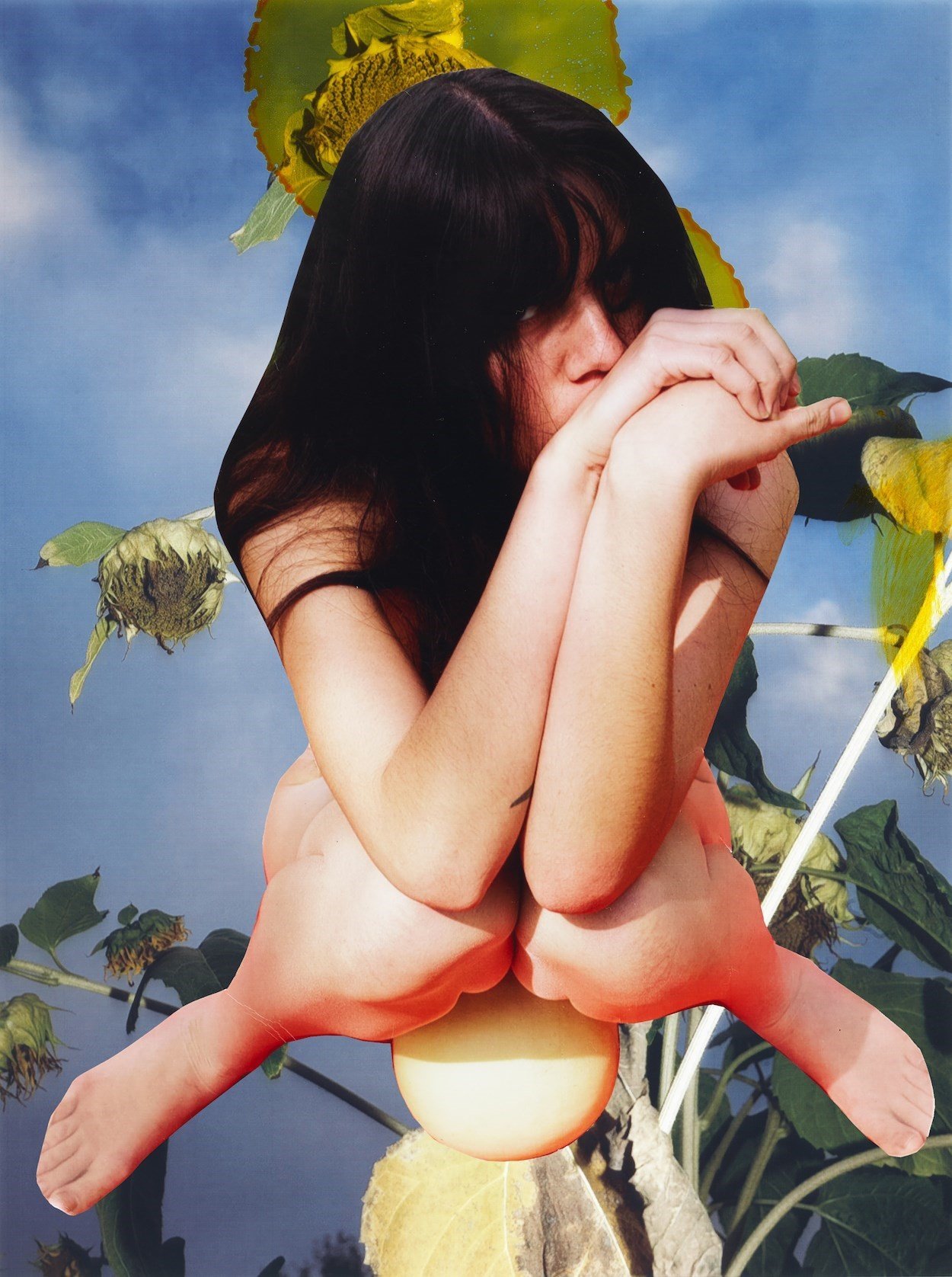
       From Modern Alchemy, photographs by Viviane Sassen,    available from by JBE Books
    From Modern Alchemy, photographs by Viviane Sassen, available from by JBE Books

    Rainforests gave the West spectacular medicines for the body. Could their way of life provide healing for the mind too?

    Half of all pharmacological medicines are derived from plants, including recent innovations, and 25% come from global rainforest. Curare, the muscle relaxant Amazonian tribes used to stun animals, prompted a revolution in anaesthetics and modern medicine. Quinine was the first cure for malaria. Vincristine and Vinblastine from Madagascar, used the treat cancers, have vastly extended the chance of surviving childhood leukemia.

    Now, thousands flock to ayahuasca retreats to balm their souls. But passionate field researchers both young and old claim the lifestyle and ideology around the medicine is essential to redemption.

    “Our profound alienation is a consequence of turning relationships into things”

    Washington-based Joseph Mays, wields a master’s in ethnobotany from the University of Kent – a likely hotbed of radical thought – after observing responses to globalisation from the Yanesha in central Peru. He’s published a smart medicinal plant guide for the Jama-Coaque Ecological Reserve and works as the program director of Chacruna’s arse-kicking Indigenous Reciprocity Initiative (IRI).

       From Modern Alchemy, photographs by Viviane Sassen,    available from by JBE Books
    From Modern Alchemy, photographs by Viviane Sassen, available from by JBE Books

    Mays cracked his bonus Vital lecture off by quoting Karl Marx like a boss.

    “Marx spoke about the ‘metabolic rift’, man’s alienation from nature,” says the scholar and activist, “We are now in ‘The Anthropocene Epoch’.”

    That’s the conceptual geological era we’re living in now. The official one’s the Holocene. The Anthropocene represents a time man begins to have geological impact upon the Earth, roughly marked by the detonation of the first atomic bomb.

    “We should think of our bodies with alchemy in mind”

    Ernst Junger warily observed the march of technology throughout the 20th century. He wrote that it was best explained by the senseless, arbitrary nature of the First World War. Not only in the power new weapons had to slaughter hundreds in a moment, but the absence of any serious evaluation of why it was happening.

    Junger considered the endemic, fatalistic nihilism he witnessed in the trenches, and in the commuter era that followed it, “a new, terrible practice” and spoke of “the loneliness of man in a new, unexplored world, whose steely law will be felt as meaningless.”

    Vincent Blok, in his acclaimed Ernst Junger’s Philosophy of Technology writes that our enlightenment values of ‘“Reason and humanity, of morality and individual freedom” count for nothing now they are wedged within the indefatigable gears of… The Anthropocene.

    “The resources of our inner and outer worlds are inseparable”

    Mays quotes feted Brazilian anthropologist, Cambridge lecturer and writer of Cannibal Physics Eduardo Viveiros de Castro, who writes that our profound alienation is a consequence of “turning relationships into things” and “perceiving life as a collection of detached objects.”

    The animistic view though is “inherently subjectifying” in contrast to the objectified modern era. It also stands alongside our own subjective spiritual beliefs, working as a system to integrate Earth and consciousness.

    “We are now in The Anthropocene Epoch”

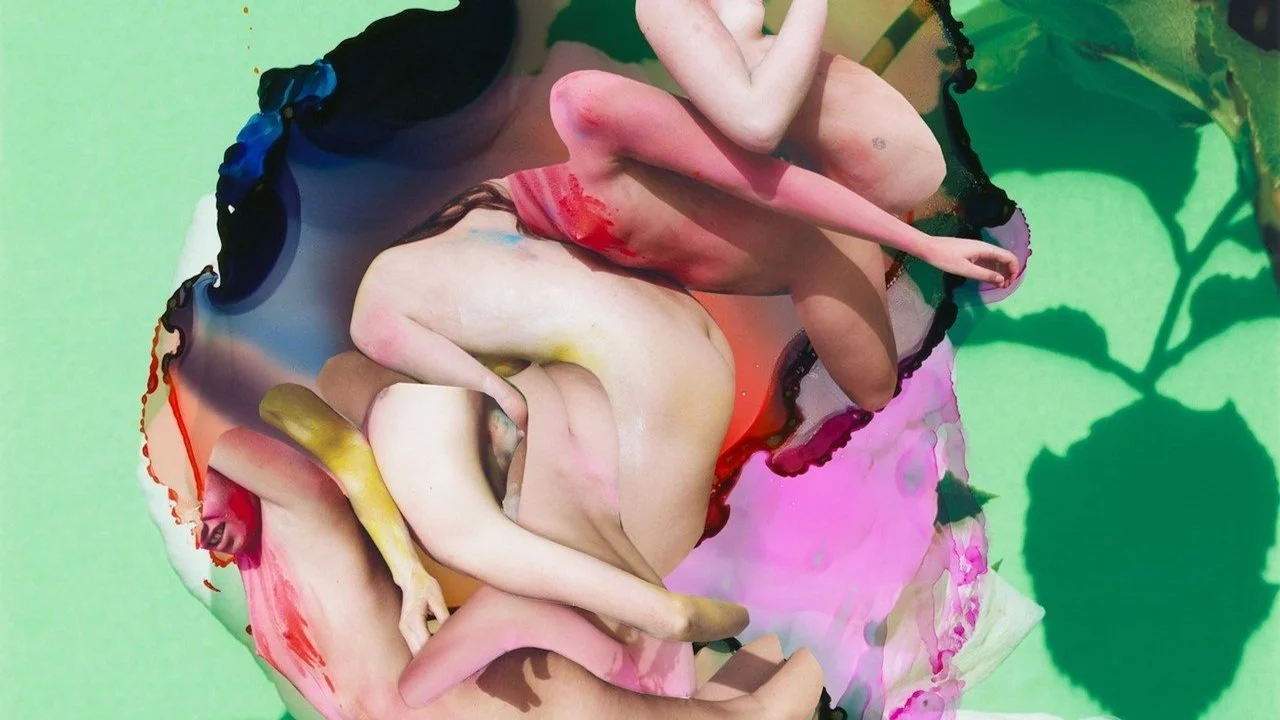
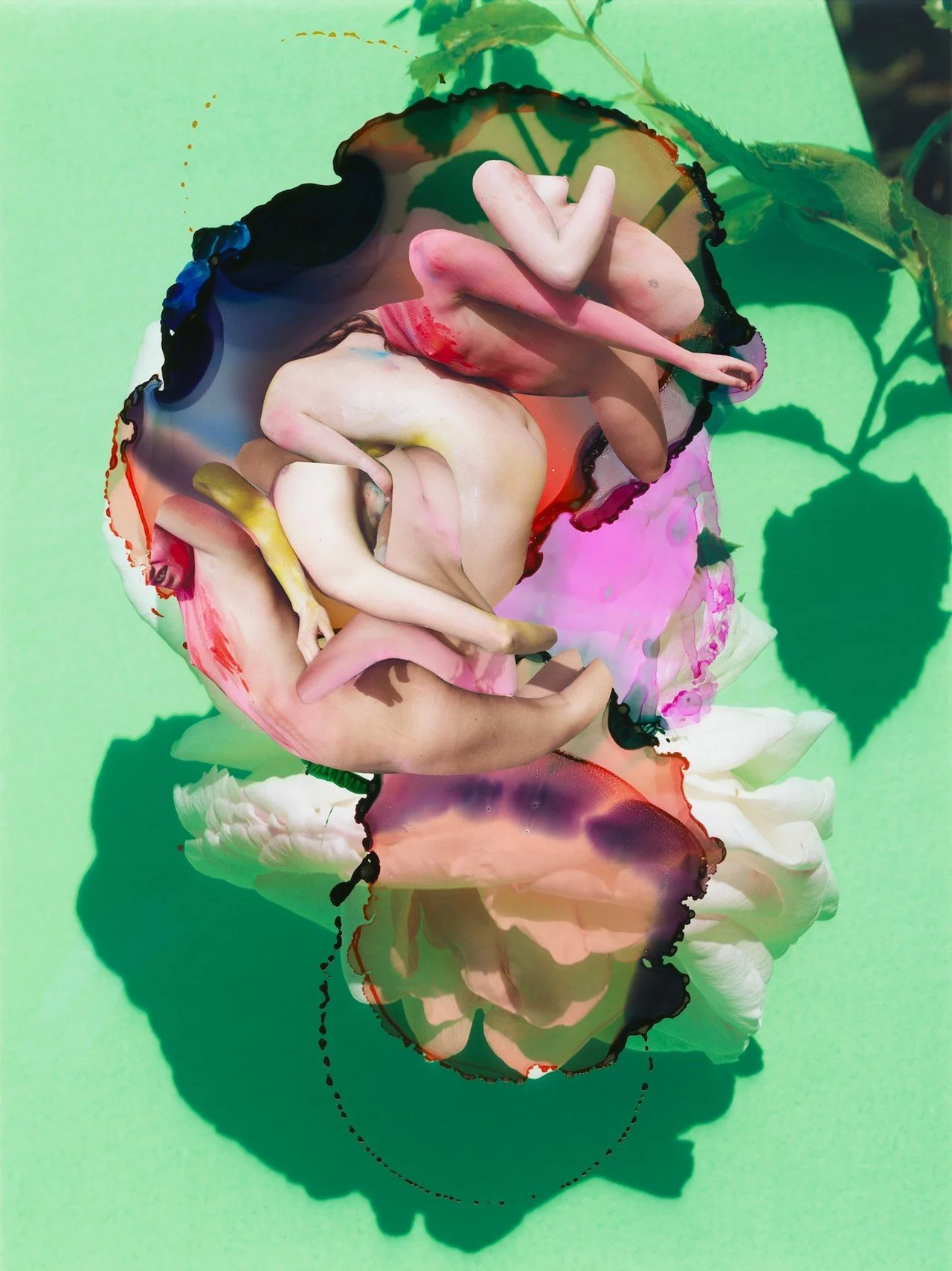
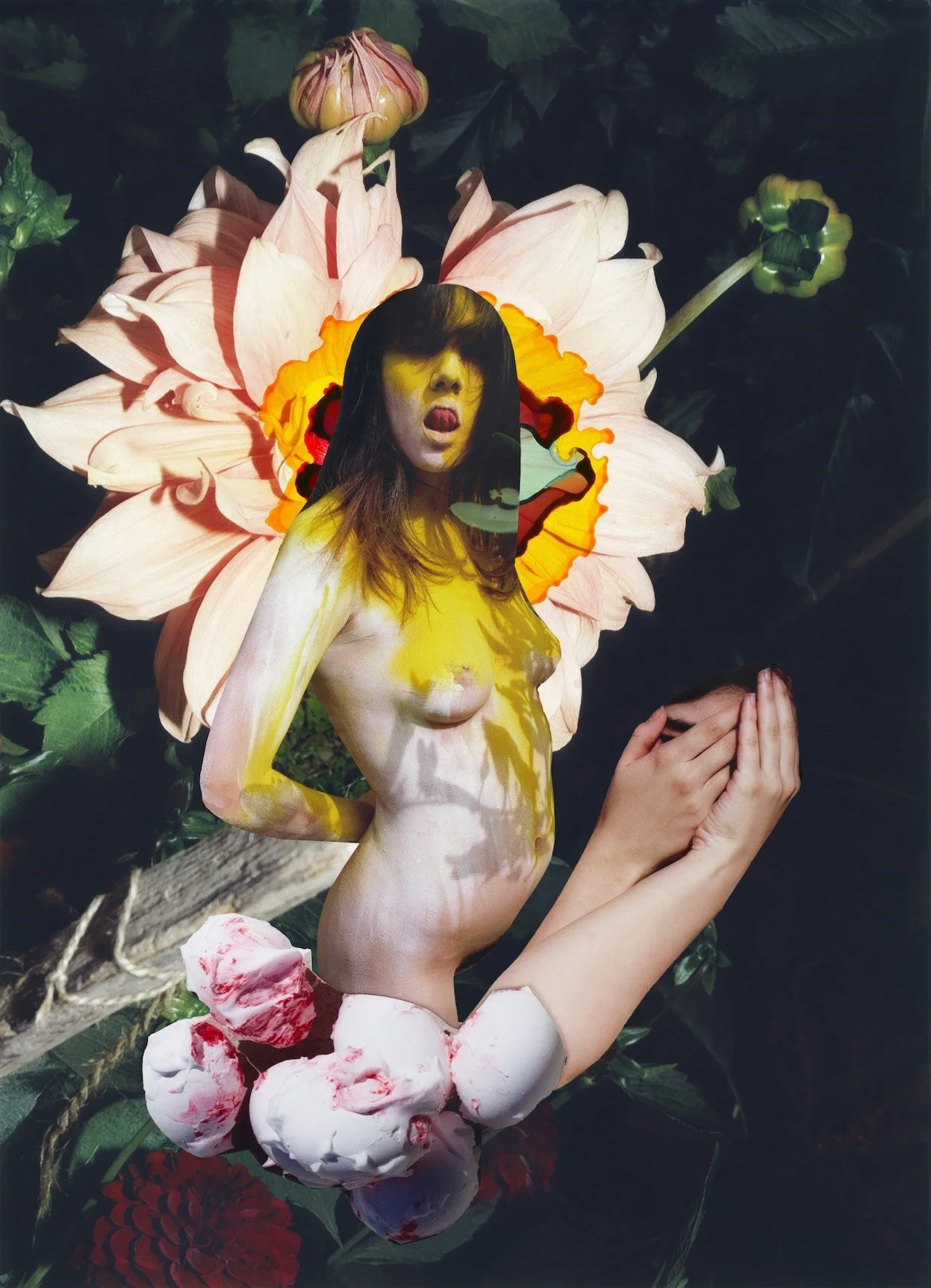
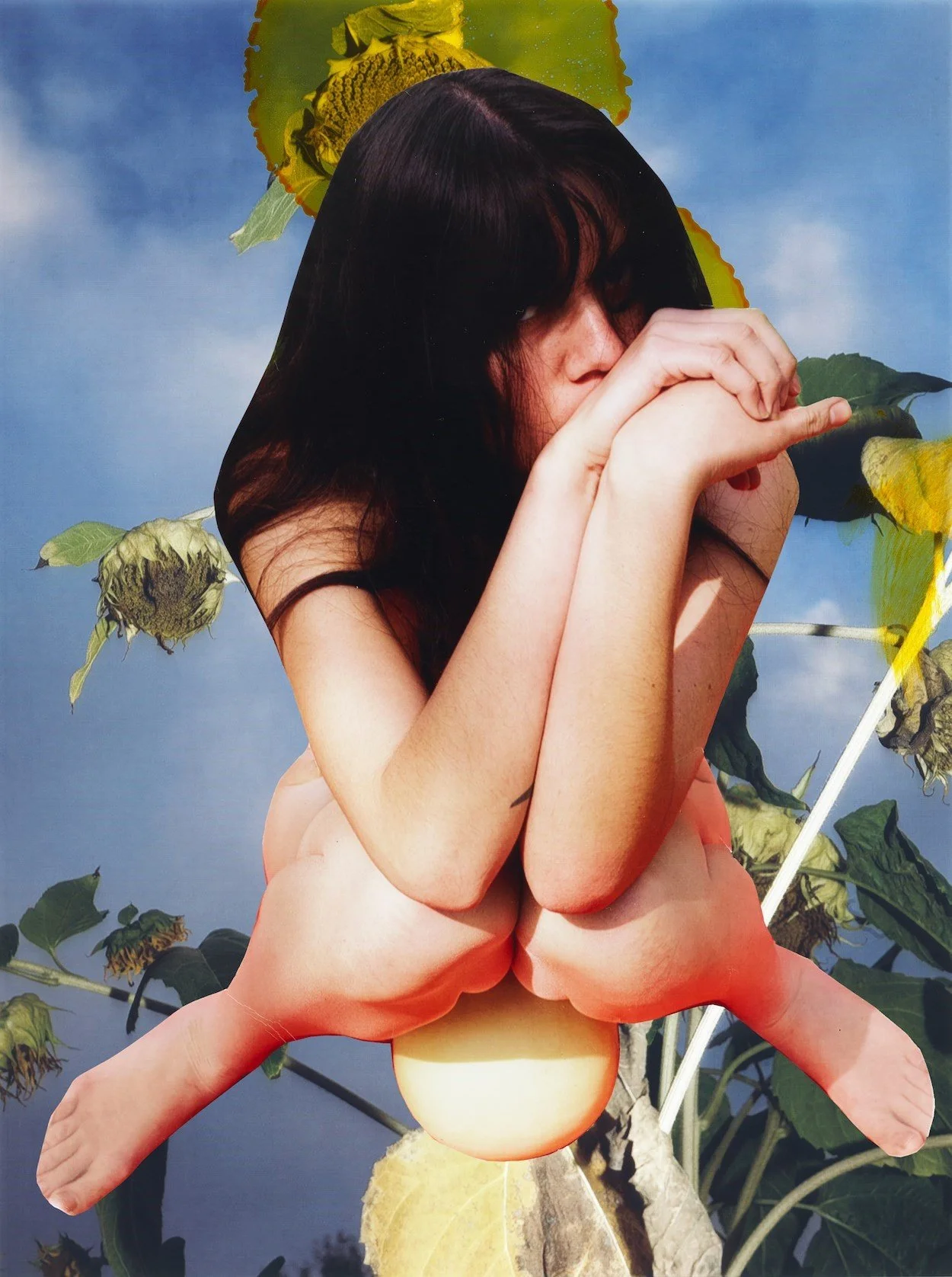
    Breaking the dichotomies – mind-body, mankind-Earth, civilisation-environment – can also free us from our alienation. Our energy spent on tweaking existing problems could go into designing alternatives. “Maybe we should think of our bodies with alchemy in mind, and imagine many other compositions or assemblages,” says The Life of Plants writer Emanuele Coccia in his introduction to Modern Alchemy, a new series of photographs by Viviane Sassen published by JBE Books, photos from which you see here.

       From Modern Alchemy, photographs by Viviane Sassen,    available from JBE Books
    From Modern Alchemy, photographs by Viviane Sassen, available from JBE Books

    Learning on the job develops a deeper relationship with the non-human elements of vocation and personal growth. Individual responsibility and local ‘bottom up’ development puts ownership for our immediate experience in our own hands, away from the distraction of political infighting.

    Communities are marginalised in a similar manner to the environment. Energy is better spent providing a container for them to address their “own needs, and their own priorities in a self-directed manner from the ground up” as a forest would. Or like Somerset UK’s Frome Model of Compassionate Primary Care that has slashed hospital admissions by 40% over a decade, which you can read about in this issue’s Medical section.

    “Biological and cultural diversity are inextricably linked,” says Mays, “And the culture of plants and communities are inter-dependent. The resources of our inner and outer worlds are inseparable.”

  • Complex cosmologies, explained

    Complex cosmologies, explained

      Space
    Space

    Syrupy new age spirituality cannot hope to illustrate our lived experience. What can?

        From      Modern Alchemy      published by JBE Books
    From Modern Alchemy published by JBE Books

    ‘Psychedelic rhetoric’ is a term I’ve been searching for.

    I can’t claim to have coined the phrase or for it to be sacred ceremonial insight.

    Instead it is the words of academic hotshot Reanne Crane, a linguistics expert at the ever-more radical University of Kent. She spoke at The University of Exeter’s Philosophy of Psychedelics Conference 2022. On the programme, one of the keywords listed for her talk was ‘synthesisers’.

    “Everything’s ineffable. If I had to describe the experience of sitting on this chair I’d have trouble”

    Music’s only one method we use to communicate notions language – especially this one – can’t. Words certainly don’t do justice to the psychedelic experience, as we are all painfully aware. In her talk Scrap the Book: Polymodes, Metaphors, and the Psychedelic Skyline at The University of Exeter’s Philosophy of Psychedelics Conference 2022 Crane asked, what damage might that be causing and what can we do to make it better?

    Crane, also a bedroom producer and songwriter, used ‘cleaning the filter’ as an example of witless psychediatribe, employing contemporary sound design to demonstrate her point. 

    Making a rockstar late entrance, Crane strode down the auditorium steps and took straight to the stage declaring, “Everything’s ‘ineffable’. If I had to describe the experience of sitting on this chair I’d have trouble.”

    Lumbering late Anglo-Saxon lingo requires myth and story to weave in philosophy and perception. “Indigenous people don’t need to say ‘ineffable’ because they have complex cosmologies,” Crane delivered in her plain-speaking Yorkshire accent. “Losing our grip on absolute truth might be what we all actually need right now,” she declared to a hall of hardcore truth seekers while hovering cross-legged above a conference chair.

    Awareness of other realities is the key to coming to terms with our own, say the modern-day explorers returning from in-depth field research.

    “If we remove the mushroom from our taboos it loses meaning. And efficacy”

    Back at Vital where we’re drilling down on meta-awareness with a no-holds barred lecture on the realities of Amazonian shaman-hood.

    “Poetry can include nuance and euphemisms avoiding difficult subjects,” says Nicholas Spiers, a courageous anthropologist and film maker who directed space smash hit The Peyote Files and is Chacruna’s research coordinator.

    Nonetheless “Difficult questions are not answered by the new age” says Spiers to rapturous applause from this website. The West has been ‘addicted’ to positivist spirituality for decades. Our crystal-based codswallop is a sanitisation of the post-industrial Western mysticism inspired by Helena ‘Madam’ Blavatsky in the 1800s. Can we cope with the lessons of the plants?

    Because this particular medicine might be difficult to swallow. “Objects with particular material value are considered profane,” expands Spiers, “neither does anybody ‘own’ the trees, or the forests.” To put it another way: Chihones, morally ambivalent spirits of nature, can infect you with illness for not respecting natural customs. Does that somehow strike more of a chord?

    “It’s OK to use the mushroom to find a missing rooster”

    It gets worse: “If we remove the mushroom from our taboos,” as we do seem set on doing to some extent, “it loses meaning… and therefore efficacy,” warns Spiers.

    Human ingenuity and good old acceptance can see us though. During his time with the Maztecha, Spiers was taken by one way the gentlemen of the village compete in their craft. “They use permaculture farming styles to grow organic coffee using natural predators to kill pests. The ferocity of the wasps’ nest on your farm is highly valued.”

    It’s not all “cosmic diplomacy” with the Chihones and working alongside wasps amongst the indigenous though. Spiers points out there are other advantages besides a resolution with nature: “It is seen as appropriate to use the mushroom to do practical things. Like, find a missing rooster.”