Tag: Funnies

  • Kool-Aid Corner #17

    Kool-Aid Corner #17

    To finish: trippy clippings, merry pranks, and psychedelic student life

    Graph of the Week

    A model of ‘psychedelic instrumentalisation’ by early humans, and of the evolutionary consequences of its intergenerational recurrence…

      Figure 1: ’A model of psychedelics instrumentalisation by early humans, and of the evolutionary consequences of its intergenerational recurrence. The left side represents the process of instrumentalisation, which can occur repeatedly across the life-span of a generation of hominins. The right side represents the process of niche-construction supporting gene-culture coevolution across generations as populations construct and bequeath transformed ecological and social environments that exercise selective influences on following generations (Odling-Smee et al., 2003). The left side of the diagram portrays potential selective advantages conferred by psychedelic use under the socio-ecological conditions in which our ancestors evolved. The right side illustrates the process of selective feedback through which psychedelic instrumentalisation could have enhanced the creation and evolution of the human socio-cognitive niche. The four coloured boxes on the left represent the major aspects of the emerging human adaptive complex that created the socio-cognitive niche; these involve skills and processes potentially amplified by psychedelic instrumentalisation, with the two-directional arrows between the boxes representing the interconnectedness of these competence realms that coevolved in creating our unique adaptation mode. The emergence and persistence of this adaptive complex across human evolution permitted the progressive construction of socially modified environments (represented by the green box at the right side of the diagram) that in turn selected for enhancements in the same underlying human propensities and capabilities (represented by arrows with a plus [+] sign) that sustained the socio-cognitive niche.’  From:  Psychedelics, Sociality, and Human Evolution  by José Manuel Rodríguez Arce and Michael James Winkelman, published in Frontiers of Psychology, September 2021.
    Figure 1: ’A model of psychedelics instrumentalisation by early humans, and of the evolutionary consequences of its intergenerational recurrence. The left side represents the process of instrumentalisation, which can occur repeatedly across the life-span of a generation of hominins. The right side represents the process of niche-construction supporting gene-culture coevolution across generations as populations construct and bequeath transformed ecological and social environments that exercise selective influences on following generations (Odling-Smee et al., 2003). The left side of the diagram portrays potential selective advantages conferred by psychedelic use under the socio-ecological conditions in which our ancestors evolved. The right side illustrates the process of selective feedback through which psychedelic instrumentalisation could have enhanced the creation and evolution of the human socio-cognitive niche. The four coloured boxes on the left represent the major aspects of the emerging human adaptive complex that created the socio-cognitive niche; these involve skills and processes potentially amplified by psychedelic instrumentalisation, with the two-directional arrows between the boxes representing the interconnectedness of these competence realms that coevolved in creating our unique adaptation mode. The emergence and persistence of this adaptive complex across human evolution permitted the progressive construction of socially modified environments (represented by the green box at the right side of the diagram) that in turn selected for enhancements in the same underlying human propensities and capabilities (represented by arrows with a plus [+] sign) that sustained the socio-cognitive niche.’ From: Psychedelics, Sociality, and Human Evolution by José Manuel Rodríguez Arce and Michael James Winkelman, published in Frontiers of Psychology, September 2021.

    My bookshelf weighs a ton

    Notable new purchases for the occult library. It’s supposed to be strictly second hand snap-ups only. But I’m flagging on that to be honest. It’s now more in the spirit of a second hand bookstore. This week: The Entropy of Bones by Ayize Jama-Everett

         You’ll probably have to get it from/in America or off of Amazon
    You’ll probably have to get it from/in America or off of Amazon

    Ayize Jama-Everett handled the psychedelic racial awareness training on Vital. There’s a bit of a syncronicity here because I came across his name before in relation to my martial arts side hustle Battles of London (‘The brand making fight clothing cool’ says Men’s Health). I was going to hassle him for a short story for our print mag. But, y’know, lockdown.

    Reading the signs, I bought this one because it had a snake on it.

    The cover’s actually by John Jennings, a top-flight comic artist (and more) who Jama-Everett’s created a graphic novel with. Actually, one of the things I admire about The Entropy of Bones is that Jama-Everett must get told all the time ‘Why isn’t it a graphic novel?’ and that he’s nonethless written two others in the same vein (series, in fact).

    Anyway, what’s really good about The Entropy of Bones is it’s about getting into your body. Which is admittedly also in danger of bnecoming psycedelic rhetoric, one of the unofficial themes of this Unofficial Vital Student Zine.

    Plus there’s lots of other five star biz too, like: super-powered martial arts, smokeable psychedelic fungi, international-level decadence, weed farming and jungle drum ‘n’ bass.
  • Kool-Aid Corner #16

    Kool-Aid Corner #16

    To finish: trippy clippings, merry pranks, and psychedelic student life

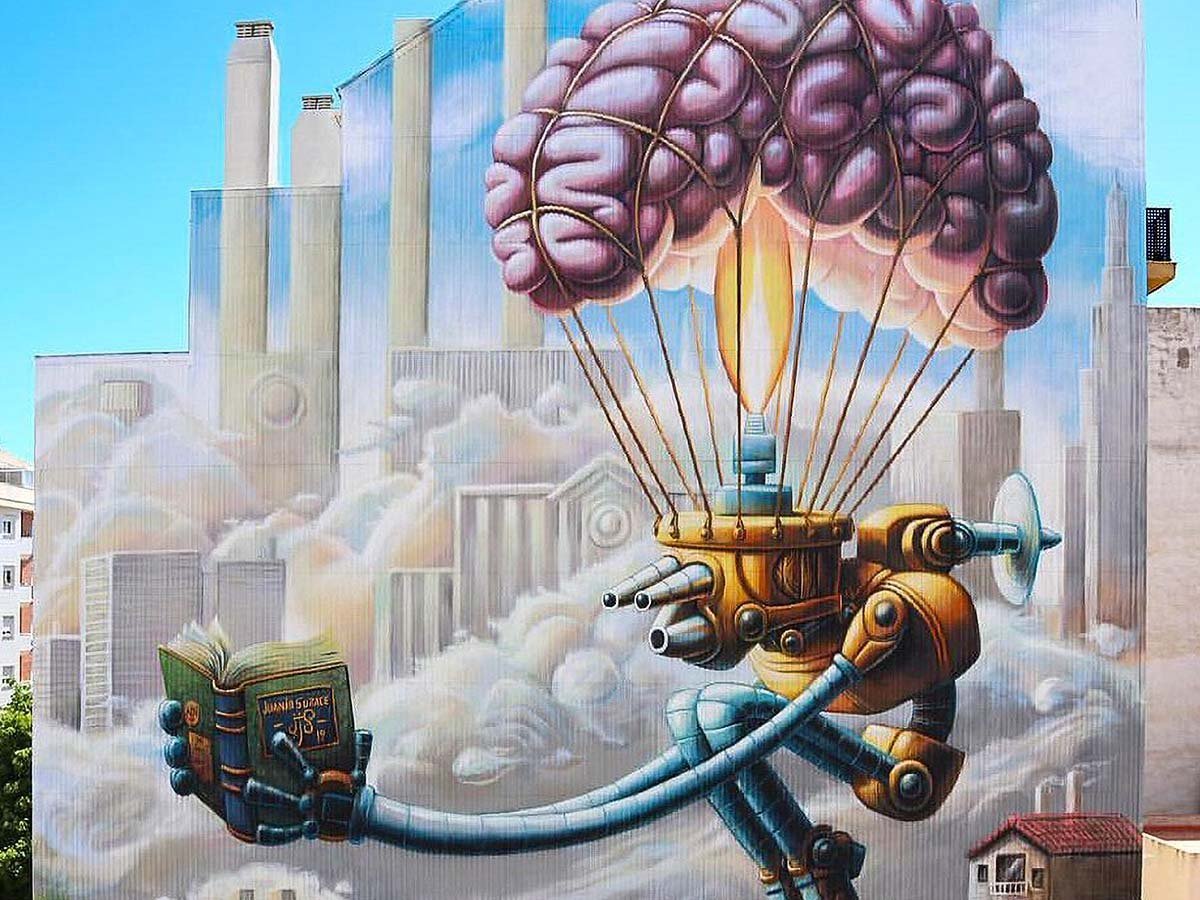
    Thumbnail image by Janjo Surace

    Graph of the Week

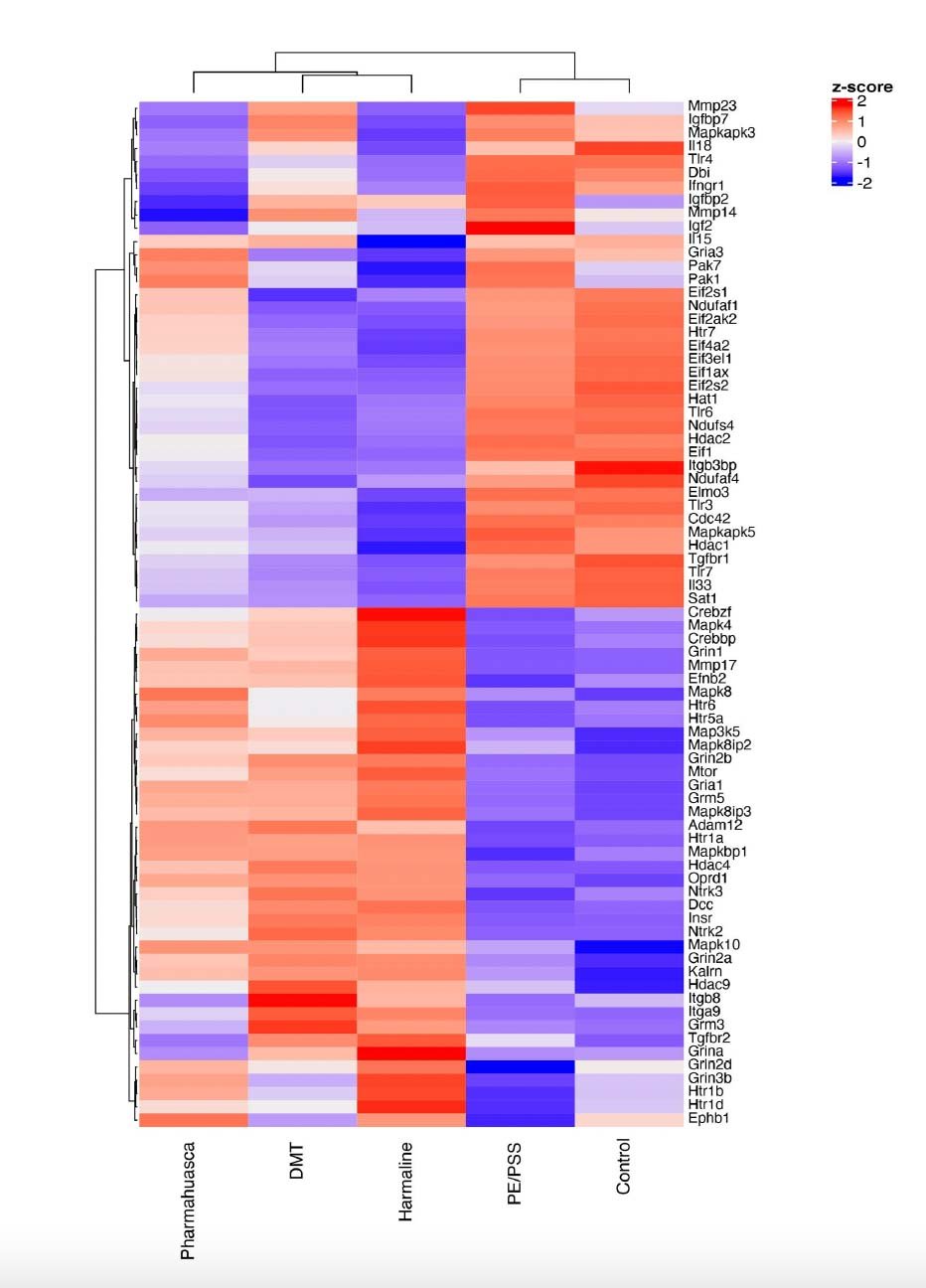
    What ‘pharmahuasca’ including DMT does to genes in rats. Positive effects were shown in the balance between reactive oxygen species cells and the anti-oxidants that keep them from becoming too ‘cytotoxic’ (damaging to other cells) and implicated in the pathogenesis of EG cancer, asthma, pulmonary hypertension, and retinopathy

        Supplemental Figure 1: Heat plot for pairwise comparisons between control, predator exposure/ psychosocial stress (PE/PSS), and PE/PSS + treatment groups. The heatmap illustrates hierarchical clustering of the scaled counts (z-scores) for a set of biologically relevant differentially expressed genes (FDR<0.1).      From:      Pharmahuasca and DMT Rescue ROS Production and Differentially Expressed Genes Observed after Predator and Psychosocial Stress: Relevance to Human PTSD      by D Parker Kelley, Katy Venable, Aspasia Destouni, Gerald Billac, Philip Ebenezer, Krisztian Stadler, Charles Nichols, Steven Barker, Joseph Francis. Published in ACS Chemical Neuroscience Jan 2022
    Supplemental Figure 1: Heat plot for pairwise comparisons between control, predator exposure/ psychosocial stress (PE/PSS), and PE/PSS + treatment groups. The heatmap illustrates hierarchical clustering of the scaled counts (z-scores) for a set of biologically relevant differentially expressed genes (FDR<0.1). From: Pharmahuasca and DMT Rescue ROS Production and Differentially Expressed Genes Observed after Predator and Psychosocial Stress: Relevance to Human PTSD by D Parker Kelley, Katy Venable, Aspasia Destouni, Gerald Billac, Philip Ebenezer, Krisztian Stadler, Charles Nichols, Steven Barker, Joseph Francis. Published in ACS Chemical Neuroscience Jan 2022

    My bookshelf weighs a ton

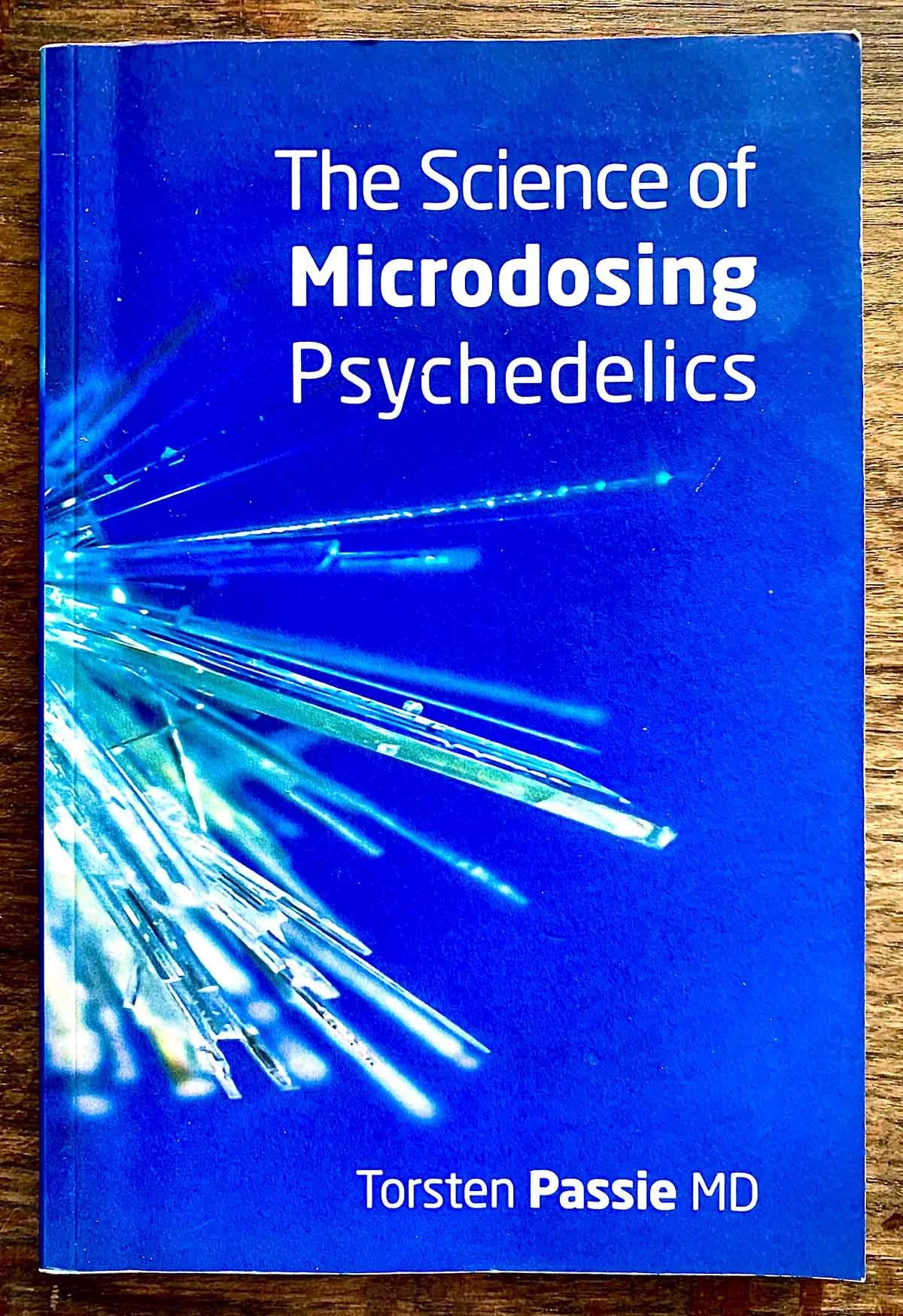
    Notable new purchases for the occult library. Strictly second hand snap-ups only. This week: The Science of Microdosing Psychedelics by Torsten Passie

         Originally £19.99 now fetching      £35-plus
    Originally £19.99 now fetching £35-plus

    Everything you need to know and considerably more from former Harvard lecturer Dr Passie. This is considered the definitive book on microdosing, the unexpected but rather popular trend for small regular doses of psychedelics.

    Originally published by Psychedelic Press for superb UK public conference for the heads, Breaking Convention, this will cost you upwards of £35 on the second-hand market now.

    Dr Passie includes previously untranslated international studies in his comprehensive round-up. He also tackles talking points like the placebo effect. Even if microdosing does not produce any significant effects and it is all placebo, the trend is a new way to introduce it into our society, he told a corresponding interview on the Psychedelics Today podcast.

  • Kool-Aid Corner #14

    Kool-Aid Corner #14

    To finish: trippy clippings, merry pranks, and psychedelic student life

    Graph of the Week

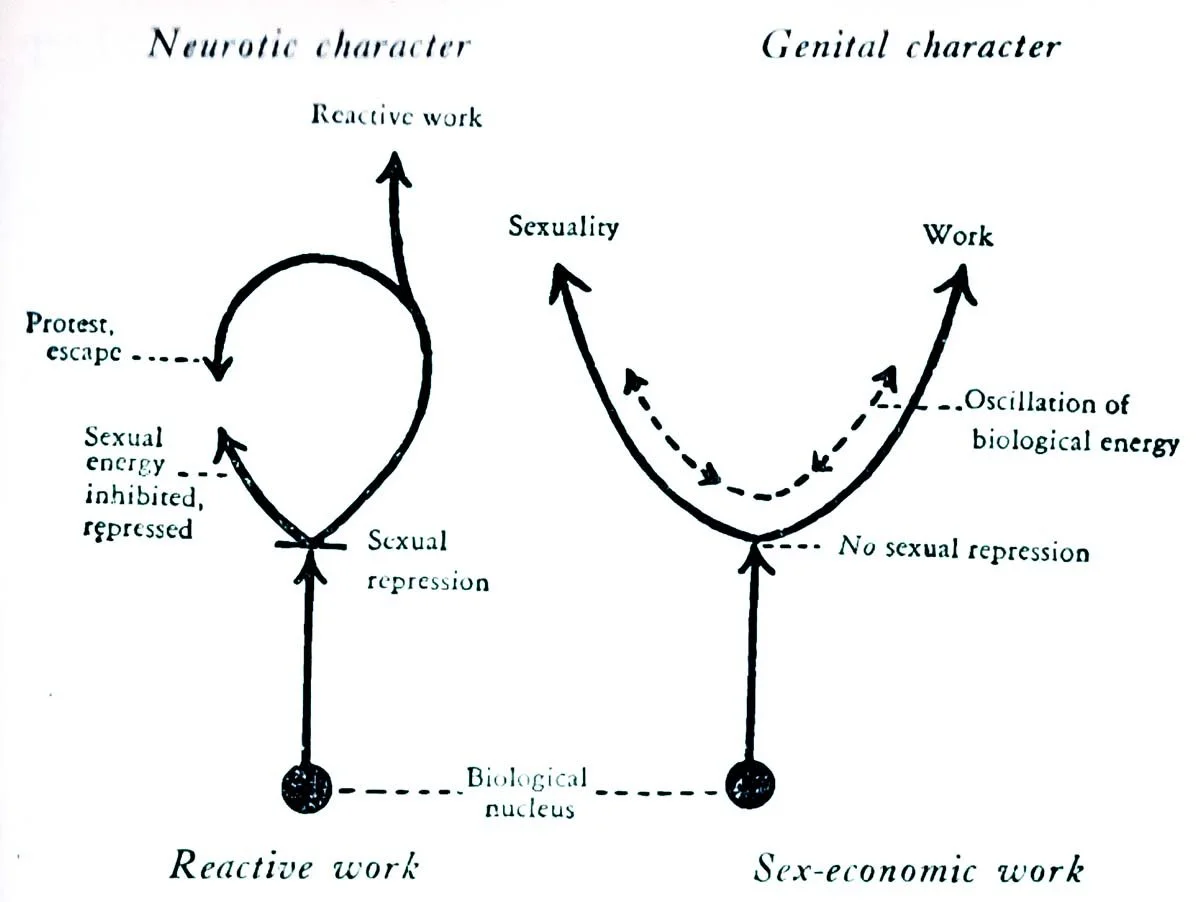
    Reactive vs sex-economic ways of working…

       From: The Function of the Orgasm,      Wilhelm Reich      (1948)
    From: The Function of the Orgasm, Wilhelm Reich (1948)

    My bookshelf weighs a ton

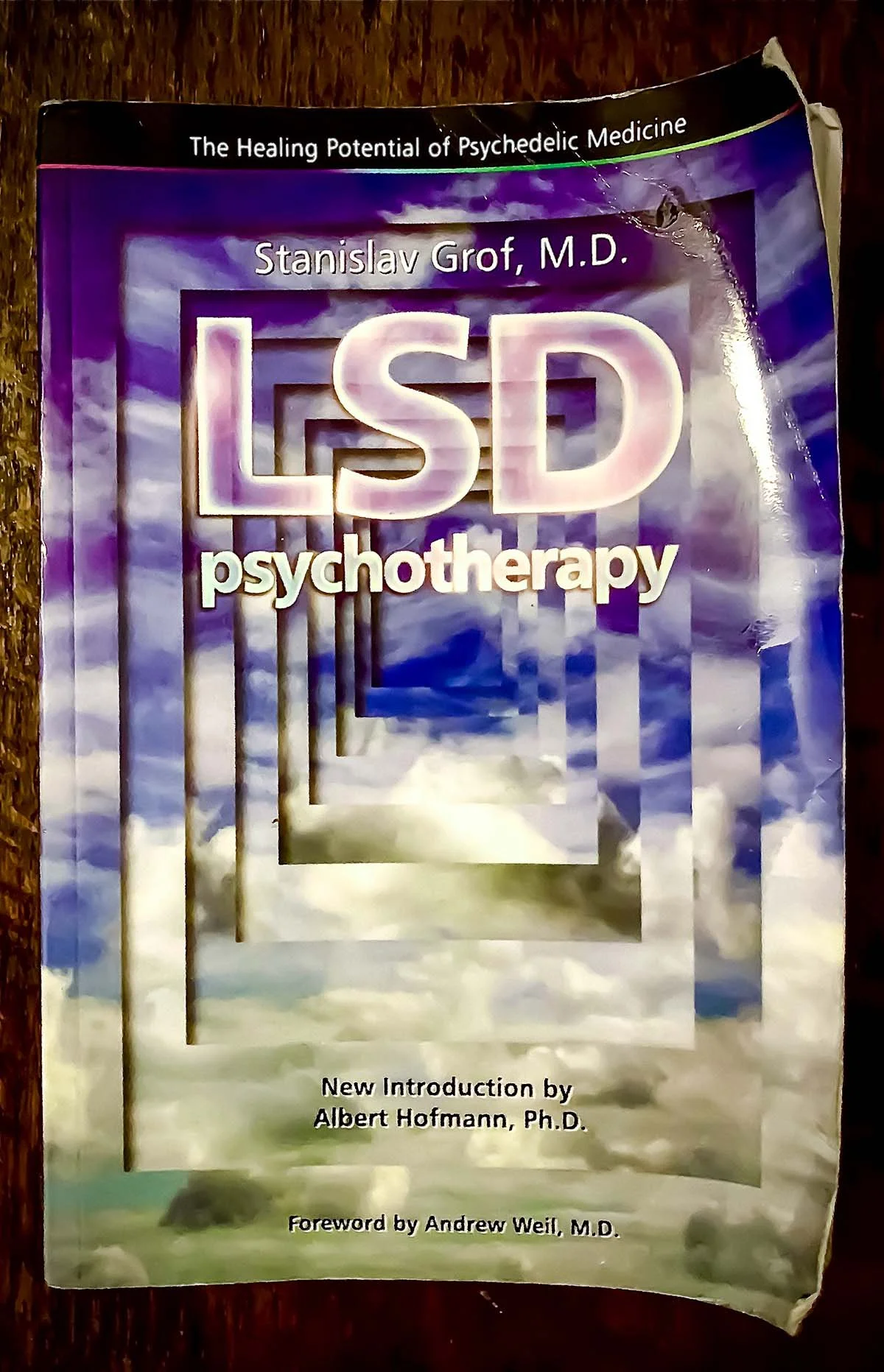
    Notable new purchases for the occult library. Strictly second hand snap-ups only. This week: LSD Psychotherapy by Stanislav Grof

     Buy MAPS’ natty two-volume   Way of the Psychonaut   set
    Buy MAPS’ natty two-volume Way of the Psychonaut set

    If James Fadiman’s Psdychedelic Explorer’s Guide is the basic primer on Vital, this is the advanced text.

    I was saving up for MAPS’ natty two-volume Way of the Psychonaut (WotP) set but so many clever people mentioned LSD Psychotherapy off-hand in their lectures, and implored students to read it, that I followed the signs and grabbed a copy of the general 1980 release. I wasn’t disappointed.

    Within Grof’s reflections were the missing four corners of the jigsaw puzzle: LSD Therapy squared my impressions of the experience, its mystic and medicinal qualities, plus even putting on the the blindfold and ‘going under’.

    LSD Therapy features illustrated plates picturing art created on LSD by Grof’s patients, including a chap who, while others are painting tableaux featuring EG a rising phoenix, daubs cartoons about his wife and his car.

    I get the impression Grof books are like Smiths albums and crossover a little content-wise, so buy WotP rather than scurry around Abe Books snapping up what you can.

    Next issue: Dr Eduardo de Luna, Brazil’s top expert and founder of Wasiwaka Research Centre

  • Kool-Aid Corner #13

    Kool-Aid Corner #13

    To finish: trippy clippings, merry pranks, and psychedelic student life

    Graph of the Week

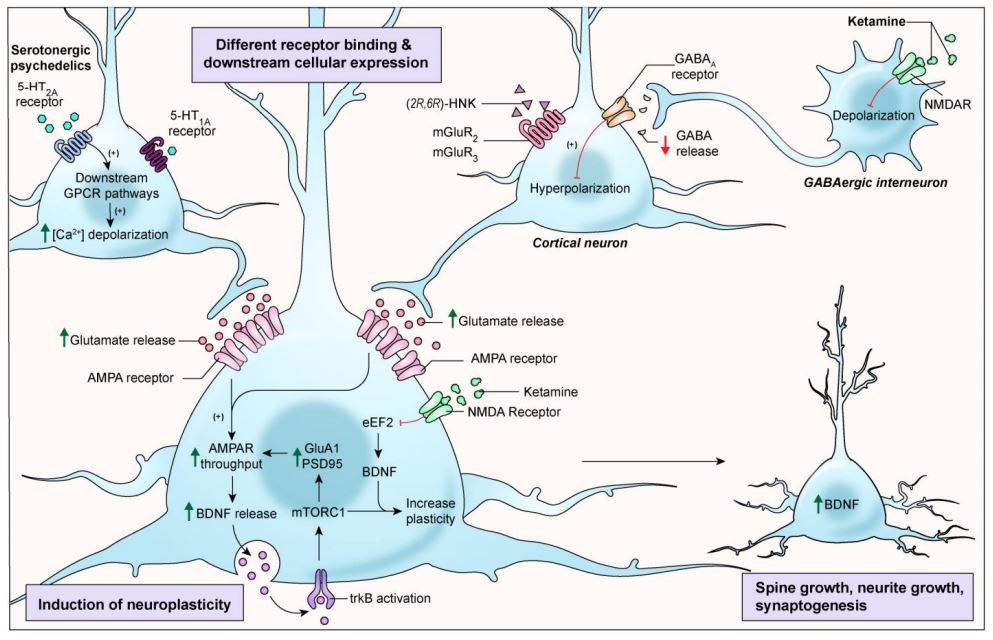
    How a glutamate ‘surge’ (it’s more of a mediation than a wave) works through the nervous system:

       From:      Ketamine and Serotonergic Psychedelics: Common Mechanisms Underlying the Effects of Rapid-Acting Antidepressants     , by Bashkim Kadriu, Jessica R Gilbert, Ioline D Henter, Christoph Kraus published in The International Journal of Neuropsychopharmacology November 2020
    From: Ketamine and Serotonergic Psychedelics: Common Mechanisms Underlying the Effects of Rapid-Acting Antidepressants , by Bashkim Kadriu, Jessica R Gilbert, Ioline D Henter, Christoph Kraus published in The International Journal of Neuropsychopharmacology November 2020

    My bookshelf weighs a ton

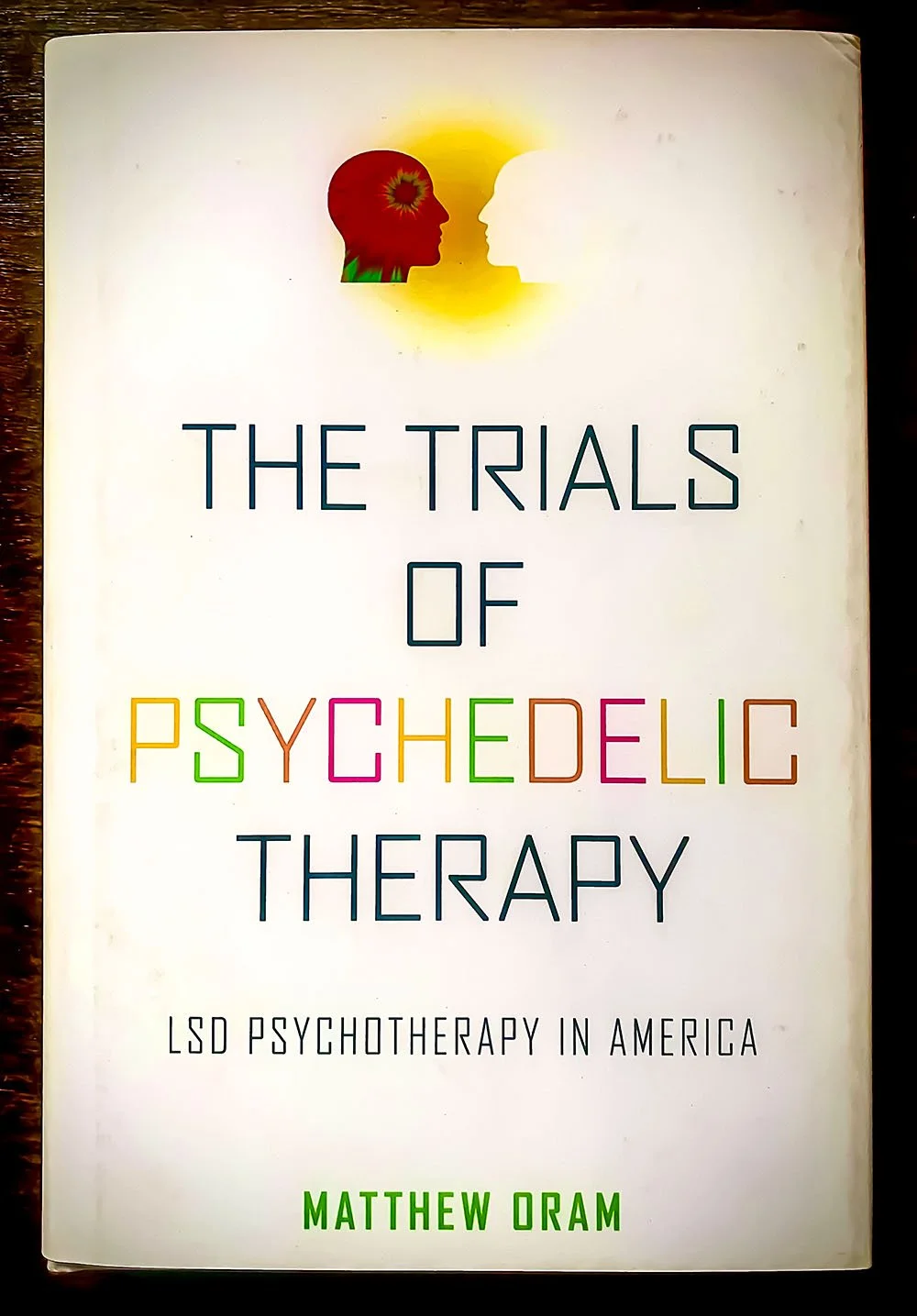
    Notable new purchases for the occult library. Strictly second hand snap-ups only. This week: The Trials of Psychedelic Therapy

       Grabbed it for £16 price now pushing £37 but      bargains exist
    Grabbed it for £16 price now pushing £37 but bargains exist

    ‘The First Lady of LSD History’ Dr Erika Dyck says, “There is no other historical account that offers this degree of breadth on the topic.” Psychedelic Renaissance author and medical thought leader Dr Ben Sessa wrote in the British Journal of Psychiatry, “Shines a fascinating light on a discipline that is neither pure pharmacotherapy nor pure psychotherapy… Oram shows how LSD’s unique position has been, and still is, its potential undoing when it comes to obtaining formal licensed approval.”

    Published by John Hopkins University Press during the dark days of the early 1980s, Matthew Oram’s examination was undertaken away from hype or disapproval. The writer points out that the issue with approval is not only the ‘randomised controlled trial’ process that insists on a placebo, but also statistical compromises that arise from therapy provided alongside. 

    That’s still causing issues to this day. Imperial College’s PsiloDep 2 is criticised because 35-plus hours of therapy were provided alongside the psilocybin. Oram writes that researchers were concerned about this in the early 1960s, when treatments combined physical, psychological and psychiatric methods as a matter of course. 

    That didn’t last. Speaking in an interview for historian Andy Roberts’ book Acid Drops, 1950s British LSD researcher Dr Ronnie Sandison says, “When I started using LSD in therapy over 40 years ago the split had already started between general psychiatry and psychotherapy, and that divide has gradually widened into psychotherapists and psychoanalysts and an increasing number of lay-psychotherapists, all doing very good work. And then you have the general psychiatrists who have become more and more a victim of the drug companies. I really believe you can be a psychiatrist these days without having much knowledge of the mind, if you hand out the right pill to a patient.”

    Maybe he’s right. But psychedelic evangelists in the therapeutic frontlines are also better off considering why psychotherapy might not appeal to the customer, at least initially. I’d posit that expense and time off work are the main reasons, followed closely by disappointment in non-psychedelic assisted talk therapy sessions, where narrative psychoanalysis insists on a universal worldview that contradicts a patient’s lived experience. 

    Next issue: Psychedelic Renaissance author Dr Ben Sessa of Awakn Life Sciences speaks, and we listen

  • Kool-Aid Corner #12

    Kool-Aid Corner #12

    To finish: trippy clippings, merry pranks, and psychedelic student life

    Graph (or Fig.) of the Week

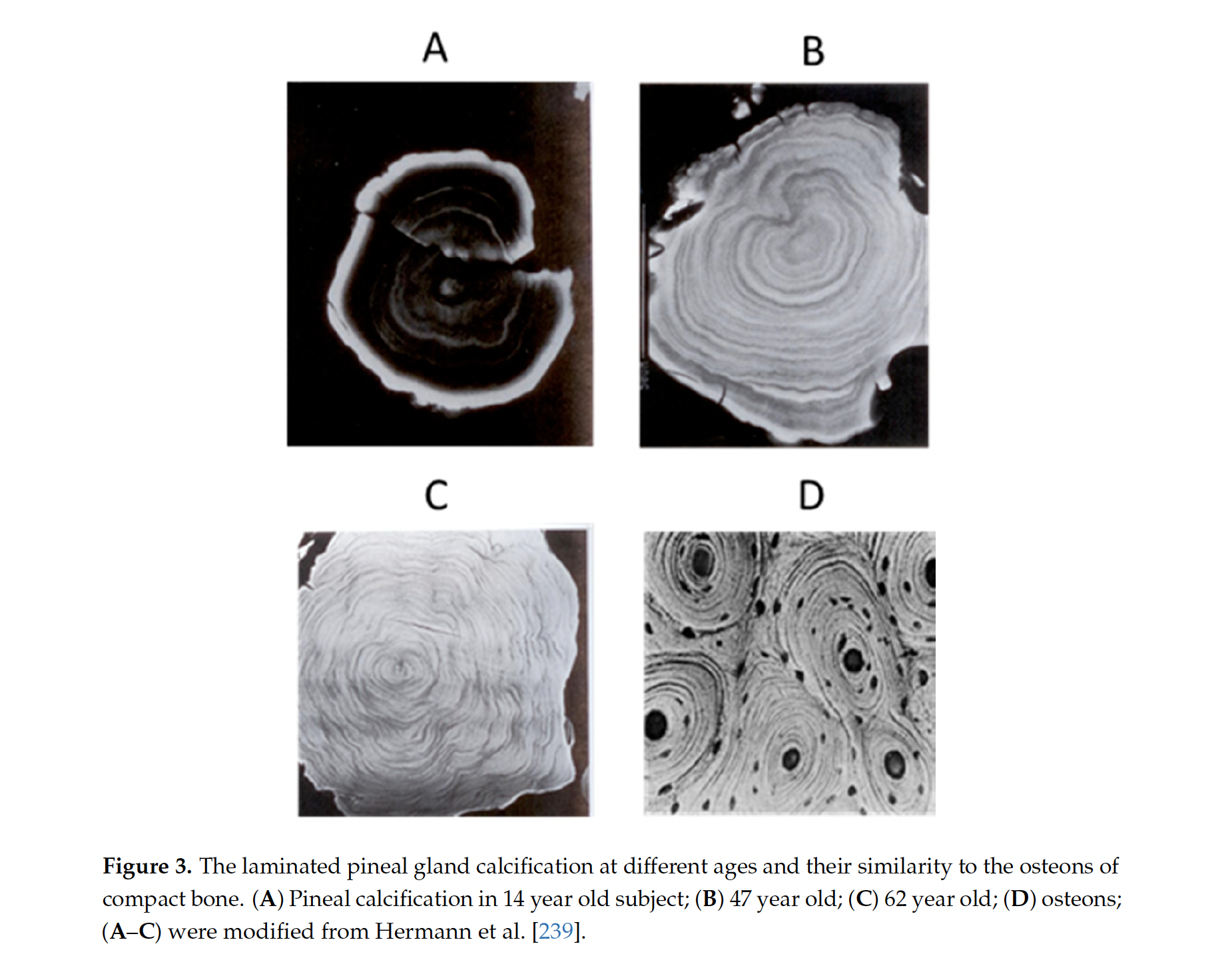
    Comparison of calcified pineal glands with ossified compact bones:

      From: Pineal Calcification, Melatonin Production, Aging. Associated Health Consequences and Rejuvenation of the Pineal Gland by Dun Xian Tan, Bing Xu, Xinjia Zhou and Russel J Reiter. Published in    Molecules    January 2018
    From: Pineal Calcification, Melatonin Production, Aging. Associated Health Consequences and Rejuvenation of the Pineal Gland by Dun Xian Tan, Bing Xu, Xinjia Zhou and Russel J Reiter. Published in Molecules January 2018

    My bookshelf weighs a ton

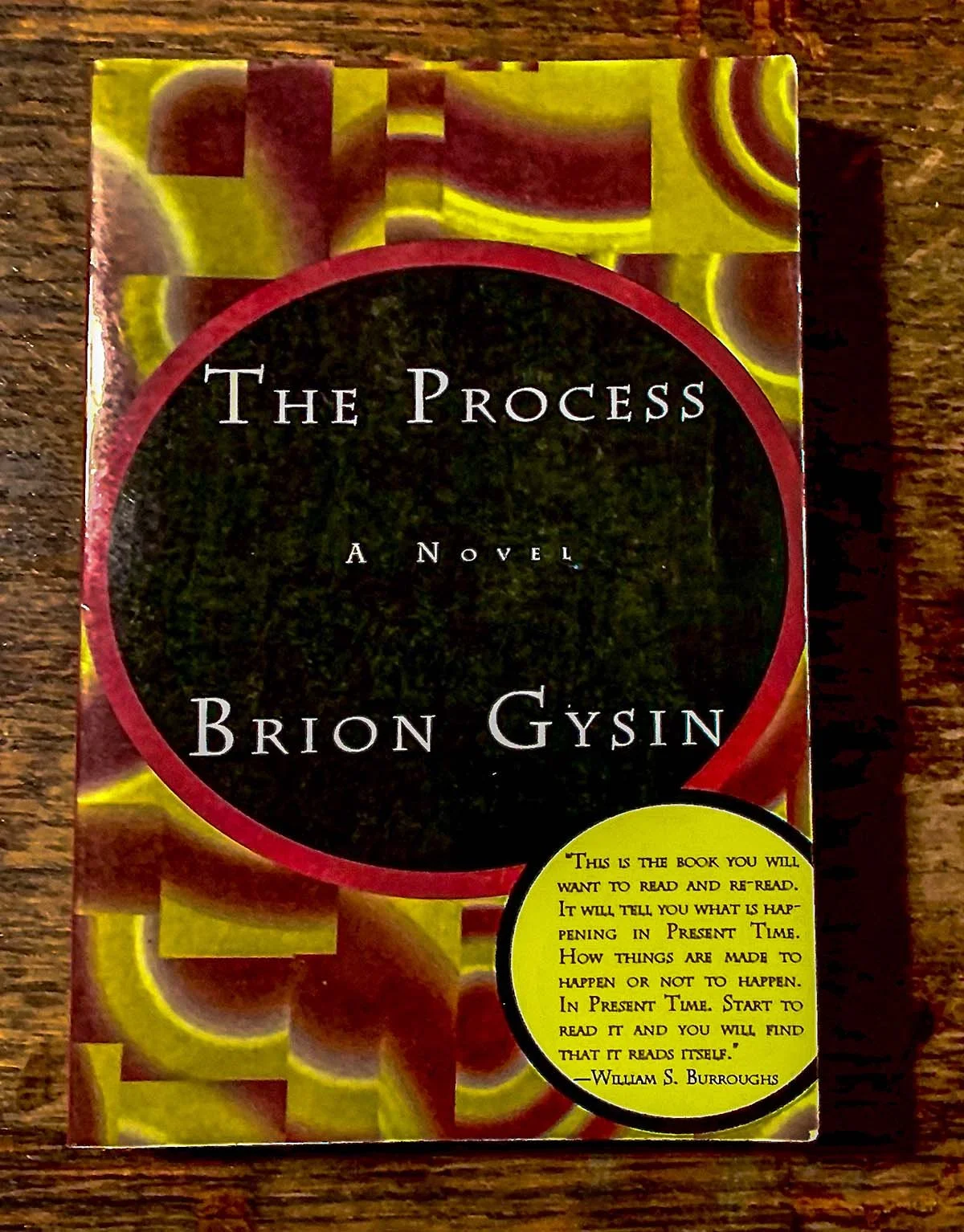
    Notable new purchases for the occult library. Strictly second hand snap-ups only. This week: The Process by Brion Gysin

       £23 fittingly.      Hardcover first editions      go for £1500+.
    £23 fittingly. Hardcover first editions go for £1500+.

    Naked Lunch author William Burroughs called his best friend and Dream Machine co-inventor Gysin “the only man I ever respected.” Gysin might be best known for ‘cut up technique’ a writing method used by David Bowie, Iggy Pop and Jello Biafra, much loved by English teachers. 

    The Process is a dreamlike, luscious ‘spiritual novel’ like Dune. It’s set in the desert too (sync). and a tableaux of his own soul’s development. His groovy mates have affectionate cameos in it. Gysin is said to have tutored Genesis P Orridge of Thee Temple ov Psychick Youth in the mystic arts. ‘I could easily blast so much keef night and day I become a bouhali,’ his alter ego Ulysses O Hanson, a real-gone crazy, a holy untouchable madman unto whom everything is permitted, nothing is true.”

    Next issue: MDMA therapy with the dyad who wrote the MAPS program, Annie and Dr Michael Mithoefer

  • Kool-Aid Corner #11

    Kool-Aid Corner #11

    To finish: trippy clippings, merry pranks, and psychedelic student life

    Graph of the Week

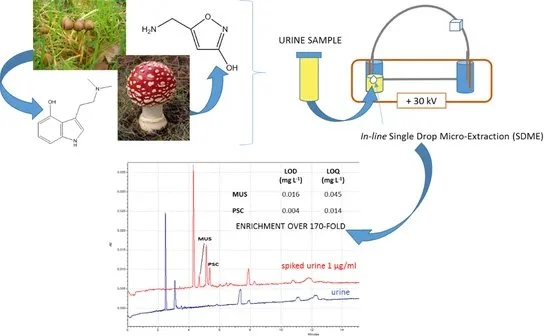
    Panic over, someone’s sorted the whole ‘fly agaric is stronger once it’s gone through someone else’s bladder’ question

        Direct Analysis of Psilocin and Muscimol in Urine Samples Using Single Drop Microextraction Technique In-Line with Capillary Electrophoresis      by Anna Poliwoda, Katarzyna Zielińska Piotr P. Wieczorek published in Molecules spring 2020.
    Direct Analysis of Psilocin and Muscimol in Urine Samples Using Single Drop Microextraction Technique In-Line with Capillary Electrophoresis by Anna Poliwoda, Katarzyna Zielińska Piotr P. Wieczorek published in Molecules spring 2020.

    My bookshelf weighs a ton

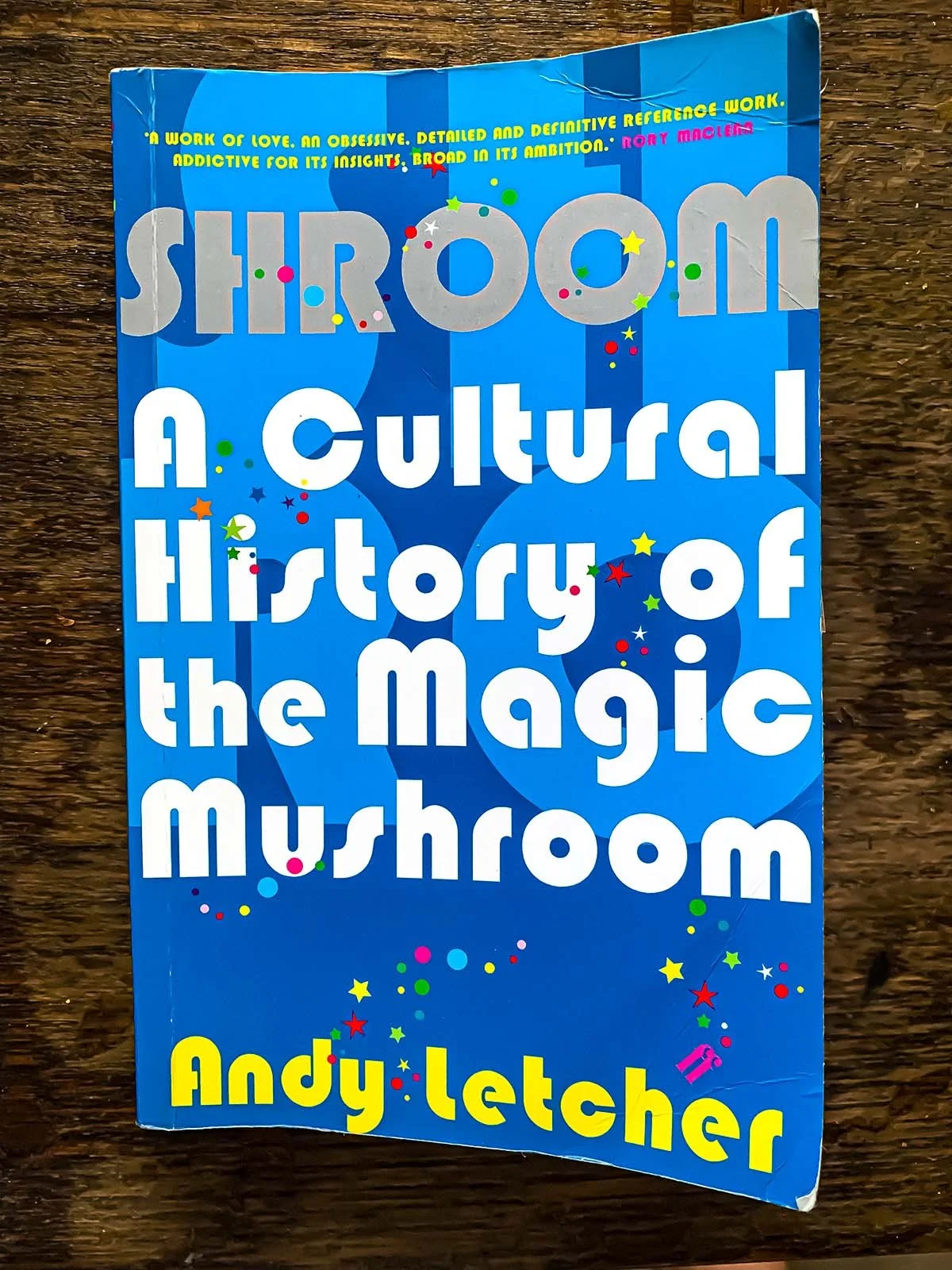
    Notable new purchases for the occult library. Strictly second hand snap-ups only. This week: Shroom by Andy Letcher

       From WoB for £9.99, there are ones with slightly      better covers      out there
    From WoB for £9.99, there are ones with slightly better covers out there

    It’s a lecture circuit gag that one of the best books on the history of psilocybin has a really crappy cover.

    Andy Letcher, writer of Shroom, is a high-level druid here in Britain. His rigorous taxonomy of magic mushrooms within society comes with shadow work: it debunks myths and sacred cows, in particular the stoned ape theory, left and centre. This paraphrase from author will Self, in his review of Terrence McKenna’s Food of the Gods is possibly the shadowiest bit: “he compares McKenna’s [worldview] to Marxist dialectical materialism, where the type of drugs you take determines the society you live in: mushrooms good, alcohol bad.” Want more? “Indegenous communities are rarely harmonious, and use ayahuasca to curse as much as cure.” Essential.

    Next issue: MDMA therapy with the dyad who wrote the MAPS program

  • Kool-Aid Corner #10

    Kool-Aid Corner #10

    To finish: trippy clippings, merry pranks, and psychedelic student life

    Graph of the Week

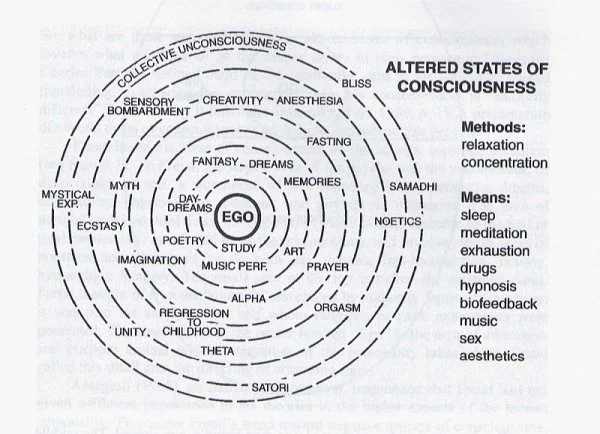
    “There are many other ways of acheiving altered states,” says Kylea Taylor, Grof Foundation therapist and psychedelic ethics expert. Here’s trip playlist maetsro, Guided Imagery and Music therapy inventor Helen Bonny’s handy guide to them:

      From:  The Use of Music in Psychedelic (LSD) Psychotherapy, Helen L. Bonny, Walter N. Pahnke, Journal of Music Therapy, Volume 9, Issue 2, Summer 1972
    From: The Use of Music in Psychedelic (LSD) Psychotherapy, Helen L. Bonny, Walter N. Pahnke, Journal of Music Therapy, Volume 9, Issue 2, Summer 1972

    My bookshelf weighs a ton

    Notable new purchases for the occult library. Strictly second hand snap-ups only. This week: Slaine: The Horned God by Pat Mills and Simon Bisley

       Got it from America for £25 plus slow P&P here’s some 2011 editions for £300+
    Got it from America for £25 plus slow P&P here’s some 2011 editions for £300+

    Celtic myth reinterpreted by one of UK comics’ greatest minds, illustrated by future fanboy favourite Simon Bisley.

    This has just been re-released. But don’t be fooled, the new one’s got crappy matt pages. The 2011 original dust jacket edition and the 2014 second printing have gloss pages. It’s chock-full of inspiration for young fellows growing up, like this one direct from the lips of the Goddess herself: “The Horned God is nor afraid of death, of losing control… he sees the ridiculousness of taking the wheel of life seriously. The humour of death is his.” A bit much to take in aged 16 during the late 80s but it put a generation on the right track.

    Next issue: Core module two Psychedelic Therapies continues with ethics training on the edge of reality

  • Kool-Aid Corner #9

    Kool-Aid Corner #9

    To finish: trippy clippings, merry pranks, and psychedelic student life

    Graph or Table of the Week

    Self treatment with psychedelics:

        From:      Self-treatment of psychosis and complex post-traumatic stress disorder with LSD and DMT —A retrospective case study      by Mika Turkia published in Psychiatry Research Case Reports Vol 1 Issue 2 (2022)
    From: Self-treatment of psychosis and complex post-traumatic stress disorder with LSD and DMT —A retrospective case study by Mika Turkia published in Psychiatry Research Case Reports Vol 1 Issue 2 (2022)

    My bookshelf weighs a ton

    Notable new purchases for the occult library. Strictly second hand snap-ups only. This week: Storm of Steel by Ernst Junger

       Another score from the Brick Lane bookstore, £6.50
    Another score from the Brick Lane bookstore, £6.50

    “No other writer has thus opened my eyes,” wrote Albert Hoffman of Junger’s sublime nature writing in LSD: My Problem Child. Although the psychedelic inventor who corresponded with Junger after WW2, was keen to point out that he was less into Junger’s ‘earlier books’ about ‘war and a new type of human being.’

    Junger was Germany’s greatest military hero of WW1. Throughout his career he consistently refused to apologise for embracing conflict when necessary, perhaps in contrast to his proto-hippy views that influnced the 60s counter-culture. He did accept that the warrior was powerless against the march of tech. “In war you learn your lessons, and they stay learned, but the tuition fees are high” is just one of the gems from this terrifying and exhilarating account of trench warfare that’s often uncomfortably, but necessarily, voyueristic.

    Next issue: Core module two Psychedelic Therapies continues with ethics training on the edge of reality

  • Kool-Aid Corner #8

    Kool-Aid Corner #8

    To finish: trippy clippings, merry pranks, and psychedelic student life

    Graph of the Week

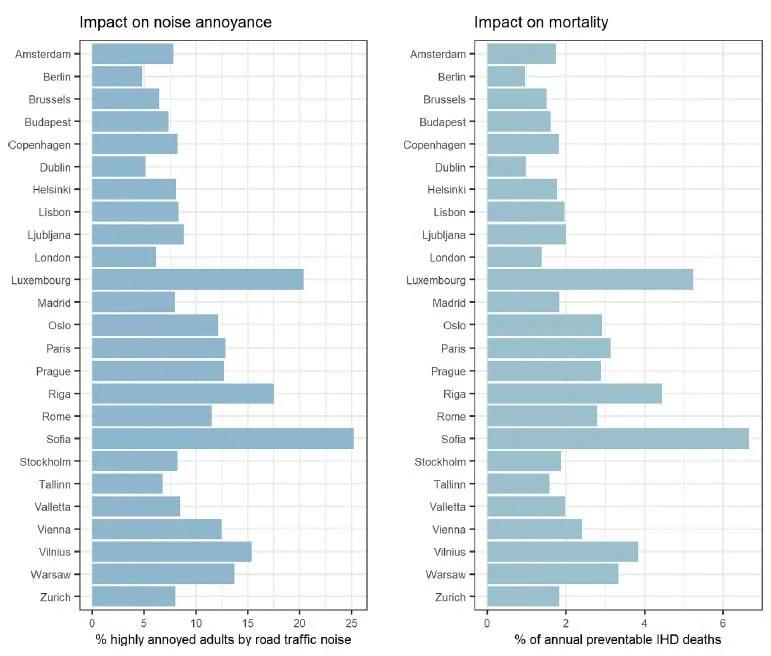
    Impact of traffic noise on heart disease:

       From:      Impact of road traffic noise on annoyance and preventable mortality in European cities: A health impact assessment      by Sasha Khomenko et al, published in Environment International Volume 162, April 2022
    From: Impact of road traffic noise on annoyance and preventable mortality in European cities: A health impact assessment by Sasha Khomenko et al, published in Environment International Volume 162, April 2022

    My bookshelf weighs a ton

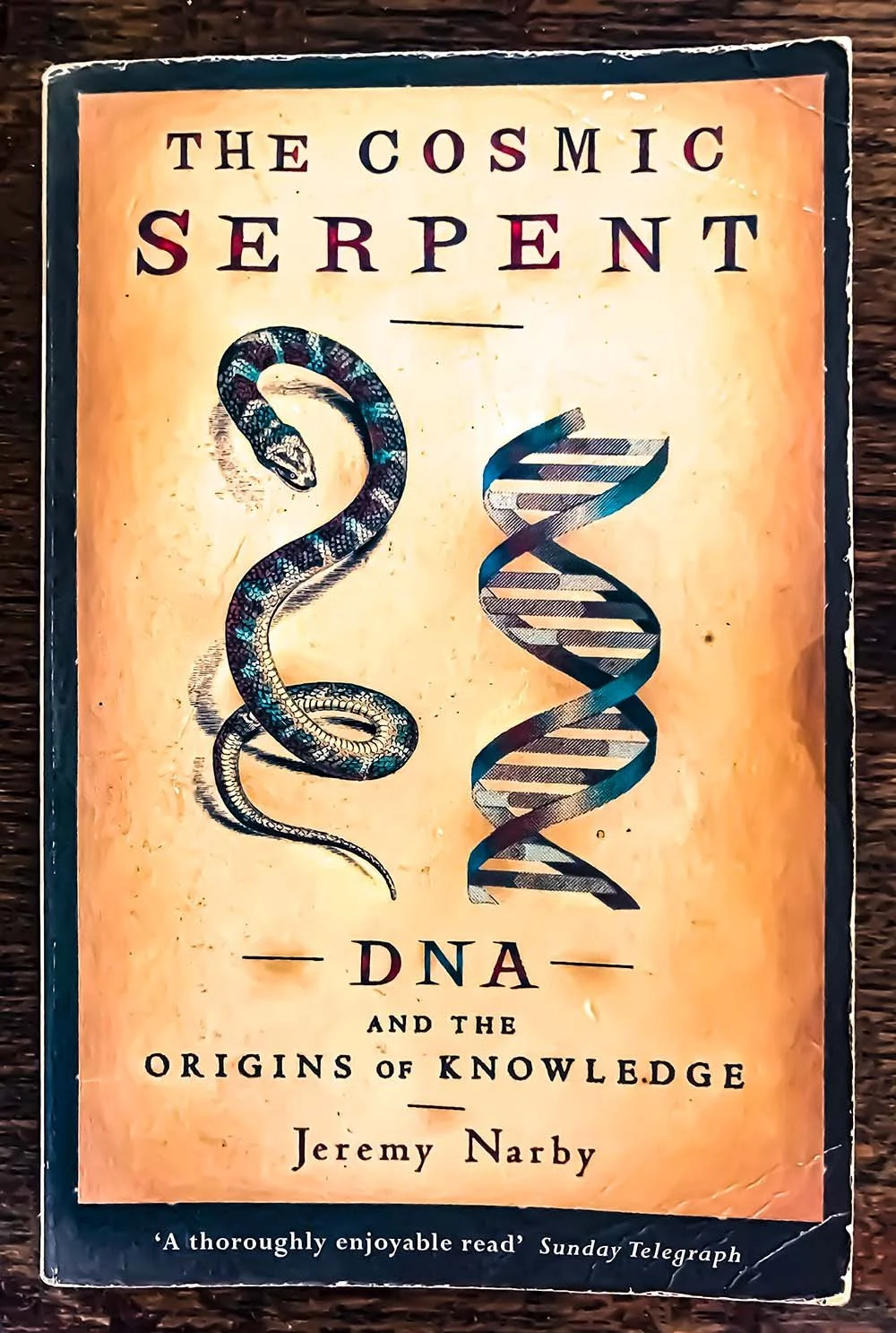
    Notable new purchases for the occult library. Strictly second hand snap-ups only. This week: Cosmic Serpent by Jeremy Narby.

      From World of Books for £4.79
    From World of Books for £4.79

    I understand why Cosmic Serpent is overlooked in favour of writings from more local experts like Eduardo de Luna. But it does at least come from the PoV of an intrigued, enthusiastic westerner. Plus it contains not only descriptions of the ceremonial process, but the animistic lifestyle that informs it.

    Narby was only in his mid-20s when he travelled to Peru, and soon after first published the book in France in 1995. It was 1998 by the time it made it to the UK. That’s still 25 years ago. Kudos to Narby’s instinct for picking up on the vibe so long ago.

    Next issue: Core module two Psychedelic Therapies begins with Courtney Barnes on the legal situation

  • Kool-Aid Corner #7

    Kool-Aid Corner #7

    To finish: trippy clippings, merry pranks, and psychedelic student life

    Graph of the Week

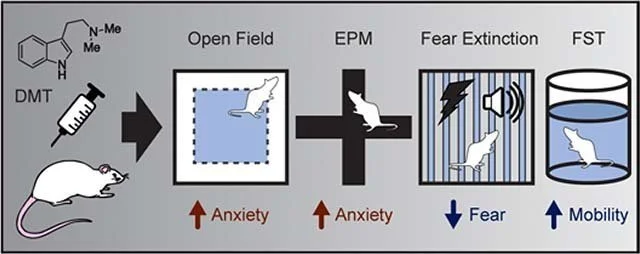
    Positive effects of DMT on rats:

      From:     Effects of N,N-Dimethyltryptamine on Rat Behaviours Relevant to Anxiety and Depression     by Lindsay P. Cameron, Charlie J. Benson, Lee E. Dunlap, and David E. Olson published in  ACS Chemical Neuroscience , April 2018
    From: Effects of N,N-Dimethyltryptamine on Rat Behaviours Relevant to Anxiety and Depression by Lindsay P. Cameron, Charlie J. Benson, Lee E. Dunlap, and David E. Olson published in ACS Chemical Neuroscience , April 2018

    My bookshelf weighs a ton

    Notable new purchases for the occult library. Strictly second hand snap-ups only. This week: illustrated Songs of Innocence and Experience by William Blake

      From the National Trust bookstall at Ashton Court, West Somerset for £2
    From the National Trust bookstall at Ashton Court, West Somerset for £2

    I currently live near Bunhill Row Cemetery in east London, where the ‘noncomformists’ were buried just outside the old city gates. The plot includes resting palces for Wuthering Heights author Thomas Hardy, Pilgrim’s Progress writer John Bunyan, Robinson Crusoe’s Daniel Dafoe, and Blake.

    These poems contrasting the attitudes of the fool and the magus are a 12-Step favourite and often paired with the Bible’s Book of Job, that teaches life is more colourful when it includes hardship.

    Next issue: Bennet Zenner of Brooklyn Psychedelic Society takes the discussion into the here and now