
Blog

  • Alcoholics Anonymous founder Bill W’s LSD use inspired 12-Step and cured his depression

    Alcoholics Anonymous founder Bill W’s LSD use inspired 12-Step and cured his depression

      Therapy
    Therapy

    LSD treatment is most effective against the demon drink, says a 2020 report. But AA founder Bill ‘W’ was ahead of the curve back in the 1950s
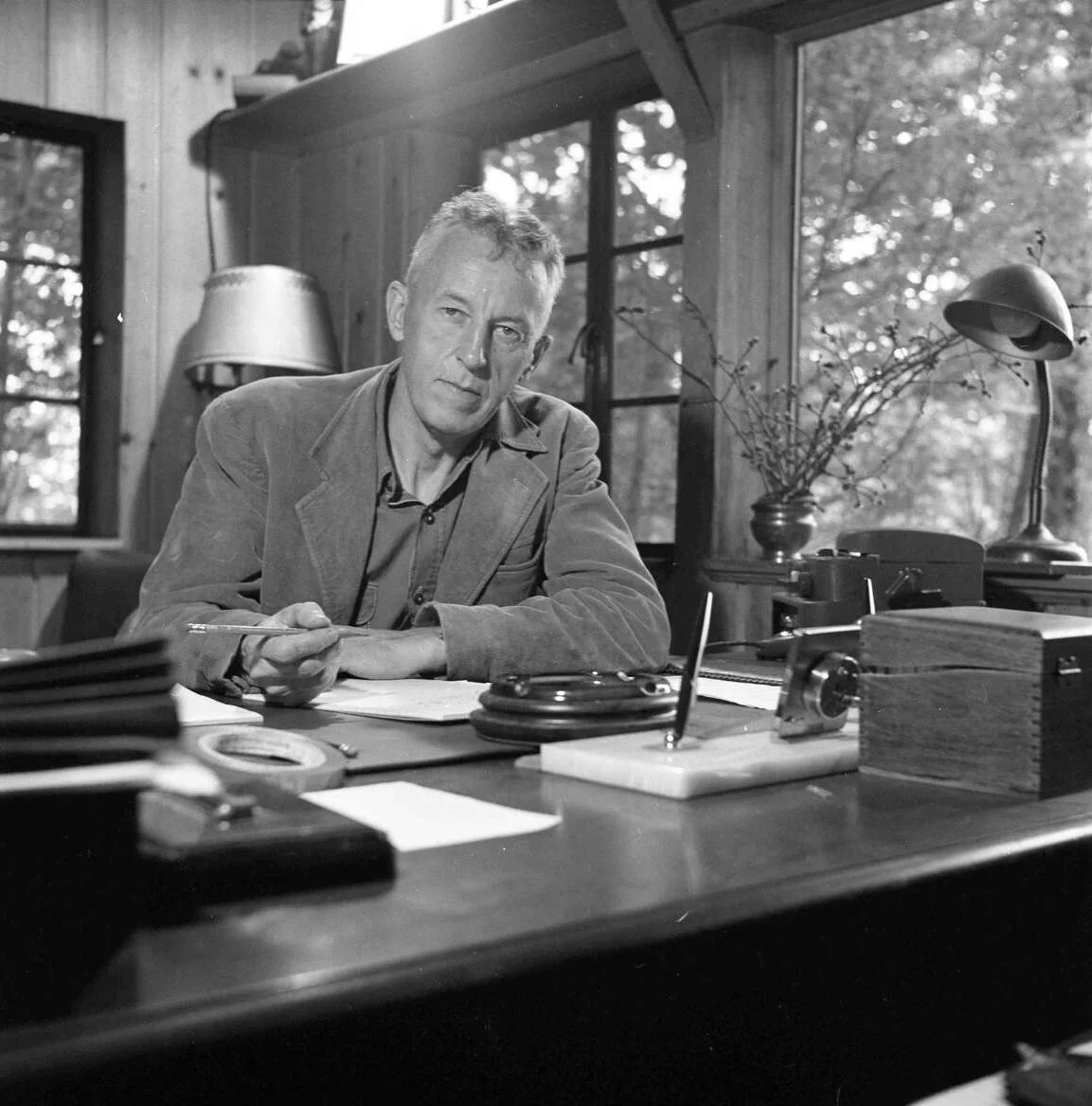
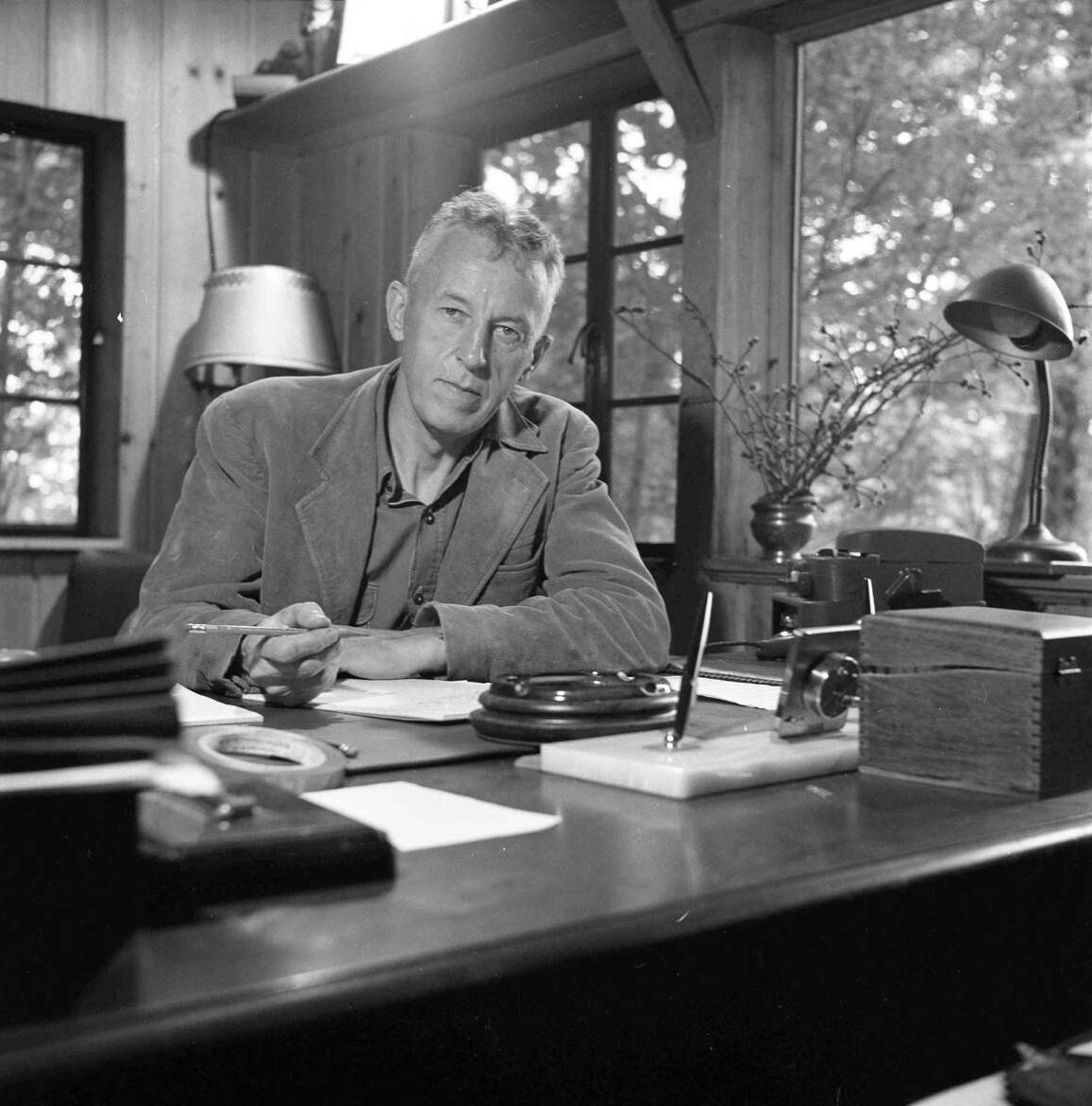
      Alcoholics Anonymous founder Bill Wilson was forced to stand down from his pro-LSD stance
    Alcoholics Anonymous founder Bill Wilson was forced to stand down from his pro-LSD stance

    Hospitalised three times already in less than two years during the mid-30s, Bill ‘W’ Wilson checked himself into hospital for rehab bearing a copy of William James’ Varieties of Religious Experience.

    He was given the Towns-Lambert treatment for detoxification made using deadly nightshade, henbane (both lively natural psychedelics) and morphine over a period of days.

    A close converted christian friend and recovery fellow, Ebby, visited, and pressed the conversation towards Wilson’s atrocious treatment of his wife Lois. Wilson hit ‘rock bottom’ – ego death – and, as he writes in autobiography Pass it On:

    “Then came the blazing thought, ‘you are a free man!’ A great peace stole over me, and this was accompanied by a sensation difficult to describe. I became acutely conscious of a Presence which seemed like a veritable sea of living spirit. I lay on the shores of a new world. ‘This’, I thought, ‘must be the great reality.”

    “LSD therapy has contributed not a little to this happier state of affairs”

    Wilson also experienced visions of “a chain of drunks” extending around the globe, assisting each others’ recovery. This would become Alcoholics Anonymous (AA). Wilson also came to value spirituality, and etched its practice into The Twelve Steps. According to his I am Bill biographer Francis Hartigan, Wilson thought depression grew from a “lack of faith” and a dearth of “spiritual achievement.”

    Vitally, he “did not see any conflict between science and medicine and religion.”

    Thanks to Osmond’s work, church and community leaders were (at this stage) pro-LSD, having seen Osmond’s patients rejoin functional society. Wilson met Osmond and Hoffer in his role as an abstinence thought leader to discuss addiction in 1954. At this stage our favourite post-war sub-arctic boffins were blundering around believing LSD would prompt delerium tremens attacks that might shock drinkers out of their rut. Osmond: “We found, in fact, that this wasn’t quite how it worked… not unlike Bill’s experience. It gave us pause for thought. Not on the grounds of how terrifying it was, but how illuminating it was.”

    In 1955 Wilson took LSD under supervision from consciousness pioneer Gerald Heard and psychiatrist Sidney Cohen (who also provided Aldous Huxley’s deathbed LSD).

    He wrote to Betty Eisner, one of his therapy team plus an especially innovative researcher into addiction and LSD, reporting:

    “Since returning home I have felt — and hope have acted! — exceedingly well. I can make no doubt that the Eisner-Cohen-Powers-LSD therapy has contributed not a little to this happier state of affairs.”

    AA’s narrative was that it healed through a combination of complete sobriety and the ‘higher power’ (the latter Wilson considered contactable via LSD). Psychedelics and even psychology didn’t fit with that. To fervent AA members, “Bill’s seeking outside help was tantamount to saying the program didn’t work” writes Hardigan. 

    “This,” 12-step founder Wilson thought, “must be the great reality”

    In 2020, a systematic review published by Frontiers in Psychology compiling figures from alcoholism LSD treatments over many decades said, “LSD is revealed as a potential therapeutic agent in psychiatry; the evidence to date is strongest for the use of LSD in the treatment of alcoholism.”

    John Hopkins stand-out Matthew Johnson began trials on psilocybin for smoking cessation in 2014, and has since racked up an 80% success rate that dwarfs other approaches. His team are also starting or planning studies using psilocybin therapy for a wide range of other conditions, including opioid addiction and alcoholism. 

    Bill ‘W’ Wilson caved into pressure and stopped LSD therapy in the mid-60s. Neither his depression nor drinking returned.
  • Public opinion had a huge effect on research back then. It still does.

    Public opinion had a huge effect on research back then. It still does.

      Medical
    Medical

    Social disapproval – not legislation – wiped out LSD testing in the 20th Century

      Poison
    Poison

    ‘The first lady of LSD history’ Dr Ericka Dyck’s Vital presentation began with a curved ball.

    The Canadian historian pointed out that pharmaceuticals were bang on-trend during the 1950s after the successful roll-out of anti-psychotic chlorpromazine (Thorazine). This generated goodwill for tests on more ‘wonder drugs’.

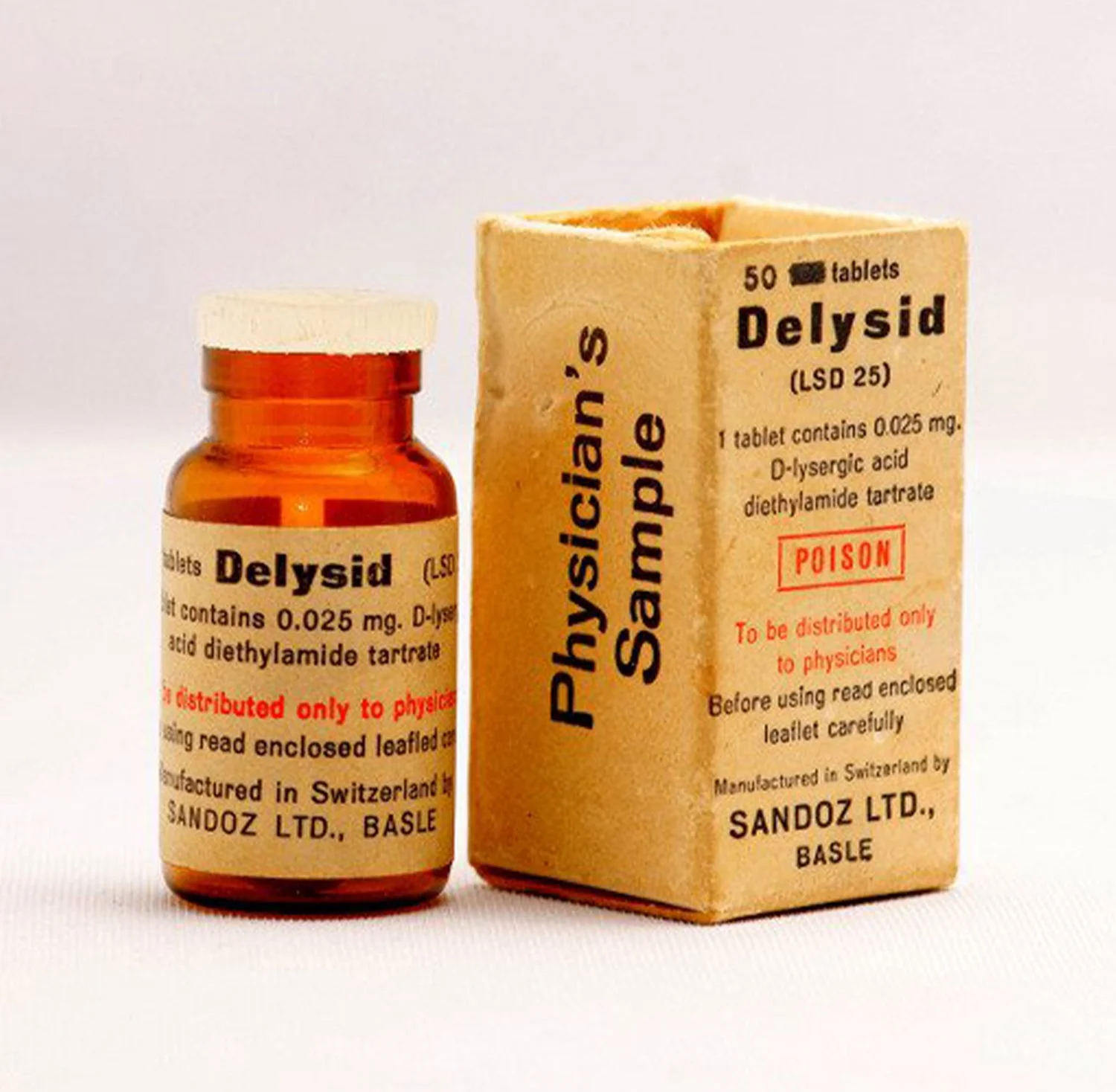
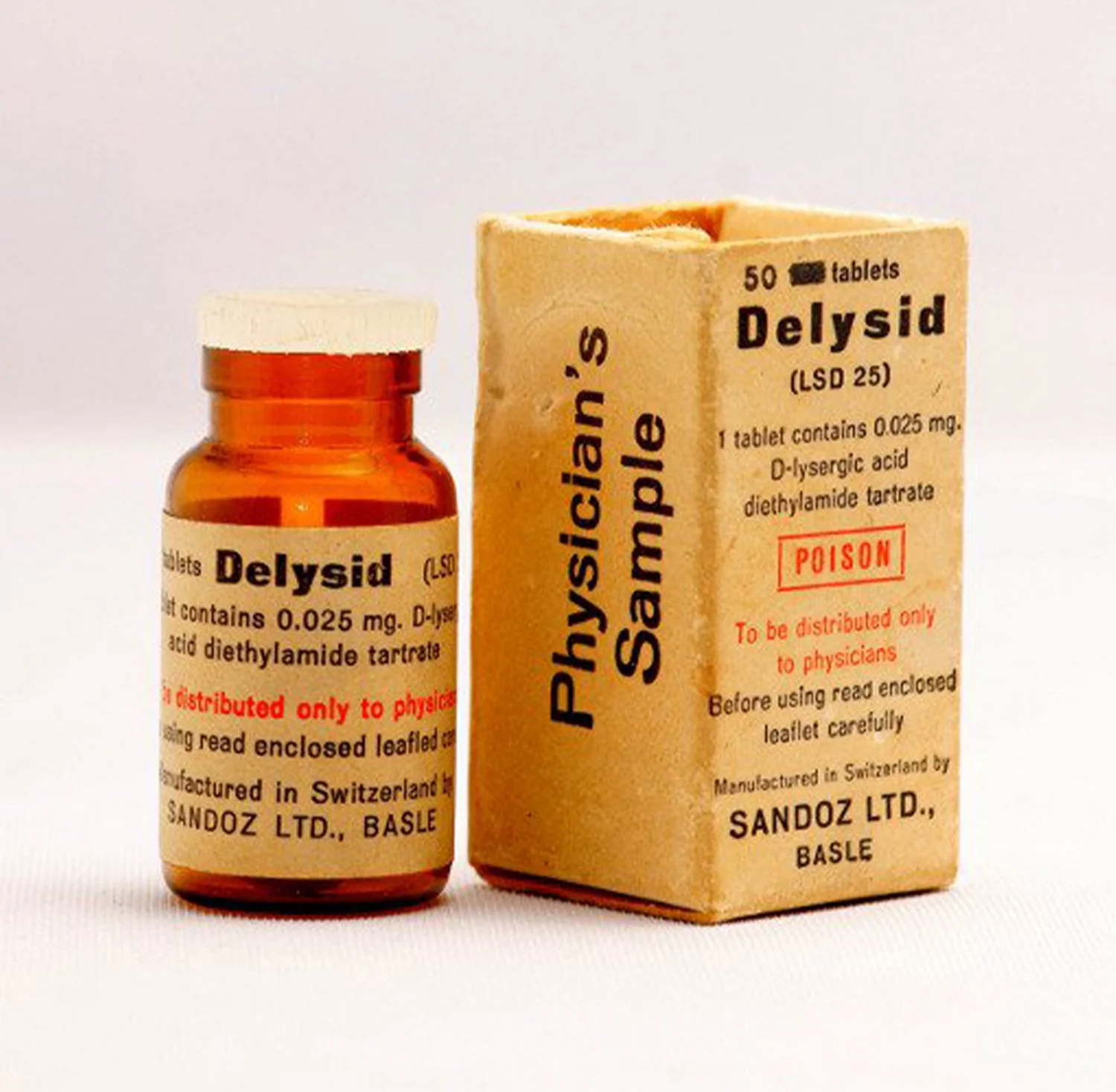
    However, in the early1960s the startling effects of thalidomide on pregnancy came to light. “Images of deformed children caused outcry and a moral panic over testing ethics,” plus the emerging anti-modernity movement fuelled a backlash that brought LSD – brand name ‘Delysid’ – testing to a halt in Canada by 1962.

    Leary was fired from Harvard in April 1962. FDA-sanctioned research continued until 1977, but funding and support rapidly became non-existent.

  • Architecture is the trippiest job

    Architecture is the trippiest job

      In  te  gr  at  io  n
    In te gr at io n

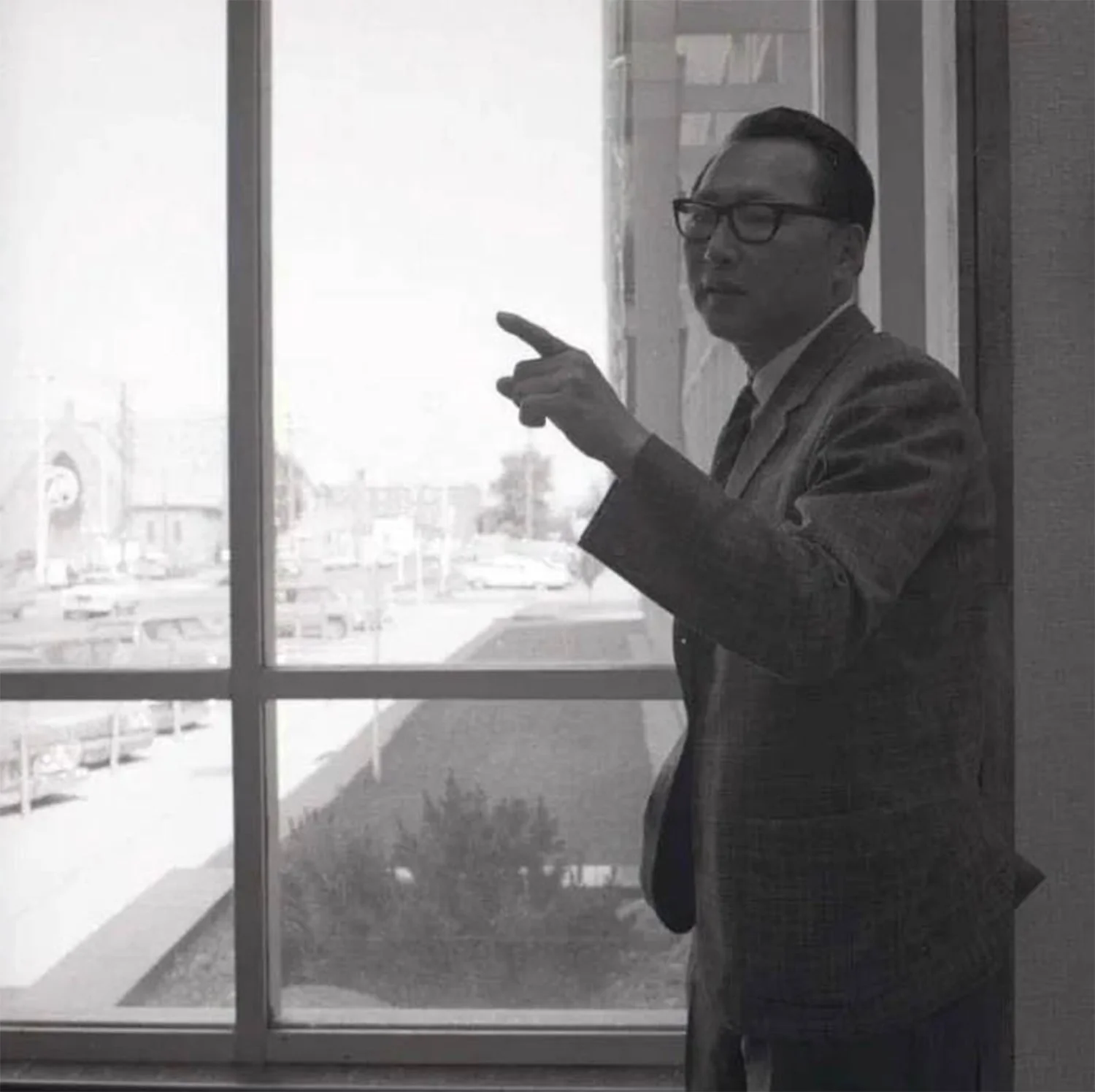
    ‘Kiyo’ Azumi was a core member of the Weyburn team and tripped with the nurses

    Kiyoshi Azumi built six ‘ideal mental hospitals’

    Architects Henrik Bull and Erik Clough wrote chapters for Ralph Metzner’s The Ecstatic Adventure.

    They took part in noted creativity and problem-solving exercises under the influence of LSD during the 1960s. Architecture has arguably become the trade most closely associated with psychedelic self-improvement since.

    The first modern-day architect to get turned on though was Kiyoshi ‘Kiyo’ Azumi. Commissioned to revamp Canada’s asylum buildings by Osmond and Hoffer, you can probably guess what happened after they met in 1956 under the proviso of ‘learning how the patients perceive their environment.’

    A long friendship developed: the first ‘ideal mental hospital’ in Yorktown, Saskatchewan was opened in 1965, another five were built in Canada, and a further in Pennsylvania USA.

    Izumi’s book LSD and Architecture specifies the following conclusions:

    1 Provide as much privacy as possible.

    2 Minimise ambiguity of architecture’s design and detail.

    3 Bear no intimidating features.

    4 Foster spatial interactions that curtail the frequency and intensity of undesirable confrontations.

    More here.

    Izumi passed away in 1996, and Weyburn was demolished in 2009.

  • Kool-Aid Corner #1

    Kool-Aid Corner #1

    To finish: trippy clippings, merry pranks, and psychedelic student life

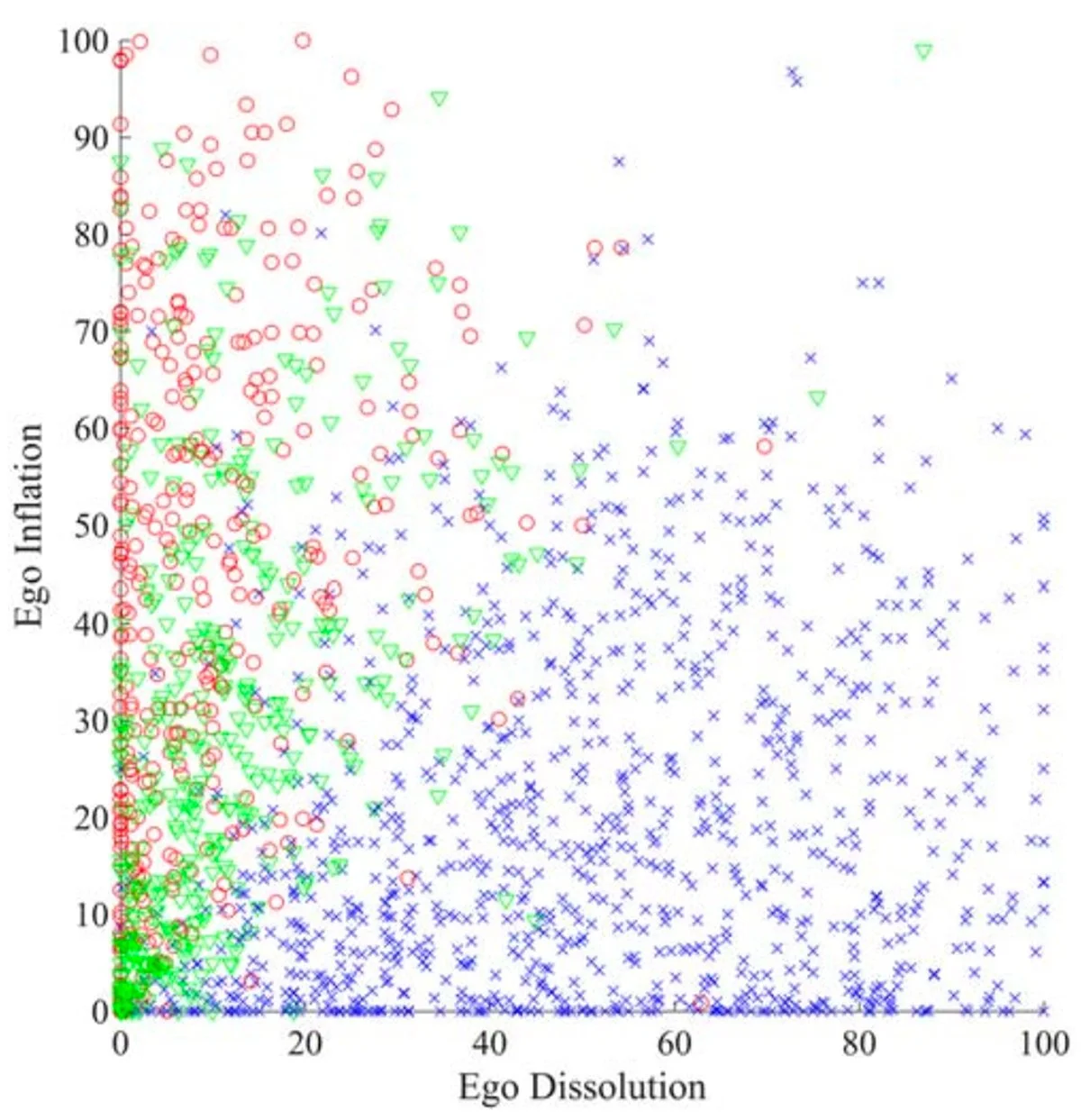
    Graph of the Week

    The relationship between ego-dissolution and ego-inflation for experiences occasioned by:

    Classical psychedelics

    Coacine

    Alcohol

     From:  Ego-Dissolution and Psychedelics: Validation of the Ego-Dissolution Inventory (EDI)  by Matthew M Nour, Lisa Evans, David Nutt and Robin L Carhart-Harris (2016)
    From: Ego-Dissolution and Psychedelics: Validation of the Ego-Dissolution Inventory (EDI) by Matthew M Nour, Lisa Evans, David Nutt and Robin L Carhart-Harris (2016)

    My bookshelf weighs a ton

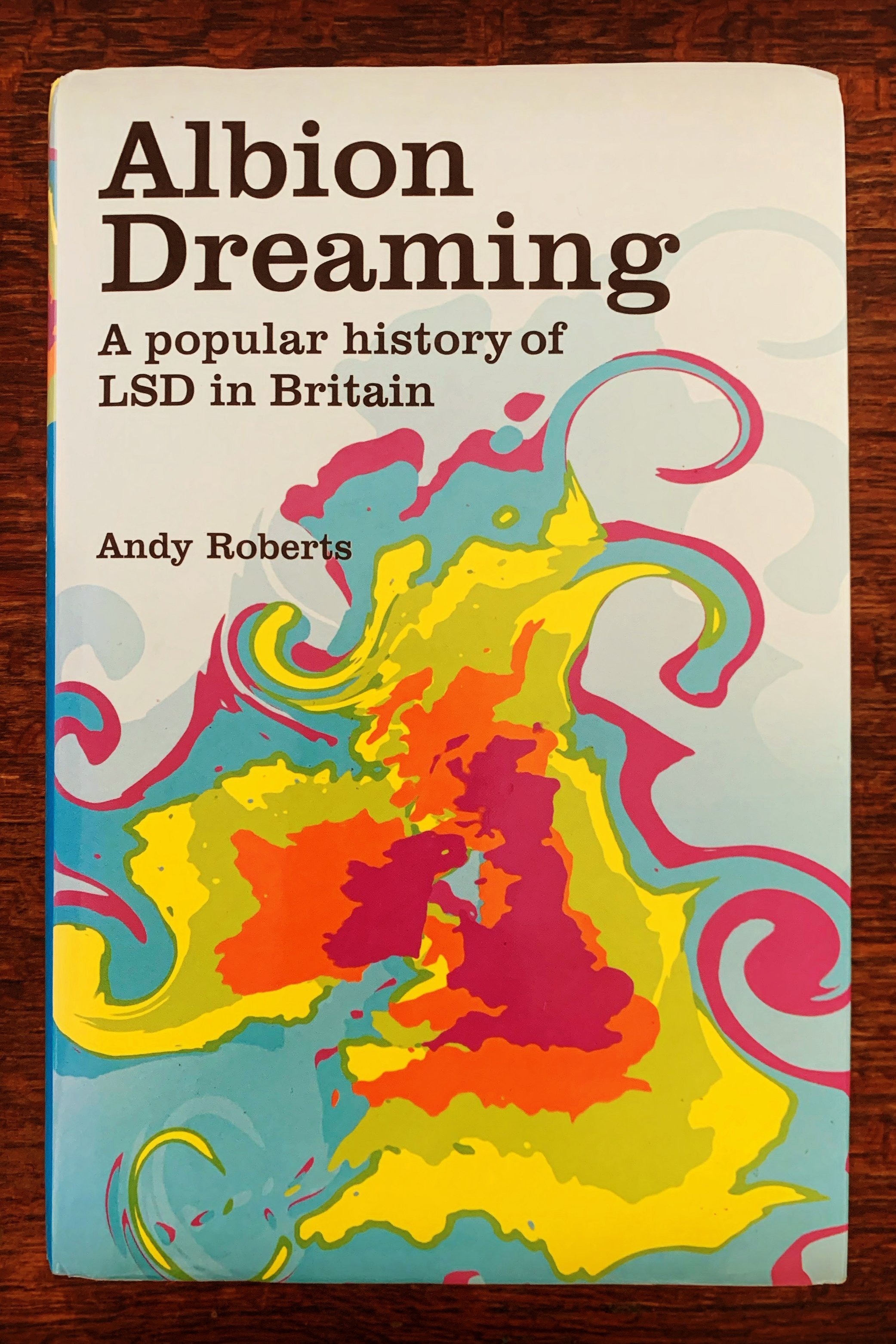
    Notable new purchases for the occult library. Strictly second hand snap-ups only. This week: Albion Dreaming by Andy Roberts. Replaced after my first copy accompanied a close friend to his new life in NY

      Snapped up for just over UK£25, copy for sale via GF Books in Hawthorn, CA for just over US$1000, UK price £95+
    Snapped up for just over UK£25, copy for sale via GF Books in Hawthorn, CA for just over US$1000, UK price £95+

    From the first chapter: ‘William Blake drew on Albion as a symbol of man before the Biblical fall and historian Peter Ackroyd has used the term for the title of his book charting the origins of the English imagination.

    From the Sixties onwards sections of the counter culture used the term Albion to refer to their vision of a land, society and individual consciousness based on the insights offered by LSD.

    Thus, Albion embodies the mythological imagination of these Isles, a state akin to the aboriginal Dreamtime, to which everyone should have access. This, then, is Albion’s dreaming.’

    Andy Roberts is Britain’s answer to Erika Dyck; our national chronicler of the far out. Psychedelic Renaissance author AWAKN’s Dr Ben Sessa says:

    “Andy is an anti-authoritarian, free-thinking individual who has happily nailed his colours to the weirdness mast without being lost in its sea of ethereal fluffiness.”

    Indeed he’s unafraid of toppling sacred cows, like in this forensic inquisition into the Francis Crick LSD-DNA connection and his biography of disruptive-at-best prankster Michael Hollingshead. Grab his recent collection of essays from Psychedelic Press and see vids on the New Psychonaut YouTube depository.

    Next issue: Dr Joe Tafur explains traditional and modern indigenous perspectives