Category: Medical

  • Village Green Preservation Society

    Village Green Preservation Society

      Medical
    Medical

    A radical healthcare program centred on human interaction emerges in Somerset

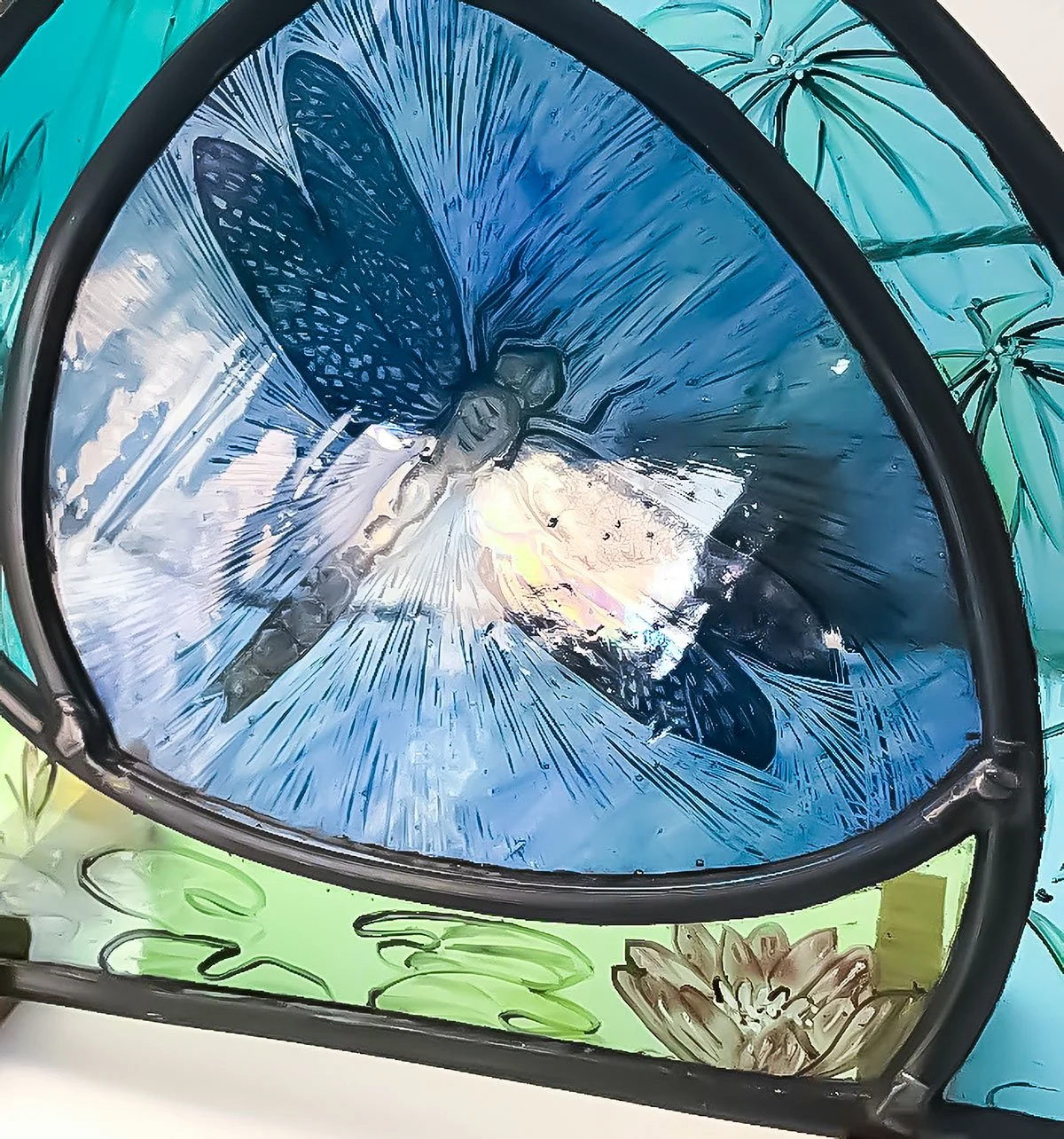
        Frome stained glass artist      Jo Eddleston
    Frome stained glass artist Jo Eddleston

    Here in Albion a new psychedelic model of healthcare is saving the National Health Service millions.

    “What we should be doing is spreading wellbeing with an integrative approach, not just treating diseases,” says Dr Zelner, “Wellbeing is an inherently holistic concept. You can only create it with an integrative approach.”

    Glorious Somerset is the supposed site of King Arthur’s Camelot and the 4,500 year-old stone circles in Stanton Drew where Currunos and The Wild Hunt roam (it is also reasonably close to glastonbury and Stonehenge, yes). It’s also a hotbed of middle-class flight from post-COVID London. Property prices are going through the thatched roof. Born within this liminal fuzzbox is The Frome Model of Enhanced Primary Care. In place for over a decade it’s saved the NHS £6 for every £1 spent on it.

    This gently radical approach to public health provision is focussed on community interaction, especially including the most vulnerable. Over its 12 years in progress, the sleepy West Country town of Frome’s accident and emergency admissions have reduced by 16% while the local average has risen 30%. 

    “It proves community improves wellbeing”

    ‘Primary care’ is health work intended to prevent disease before it requires any treating. Face-to-face contact has proven to be the most effective way to do this. The model mixes primary care innovations with organic community development programs. 

    Dr Zelner explains, “Around fifteen years ago the health workers in Frome observed a lot of patients coming in were suffering from loneliness. They decided to treat loneliness as a medical condition: training up health connectors who’d look out for people who seemed lonely, and community connectors who connected them with community organisations.”

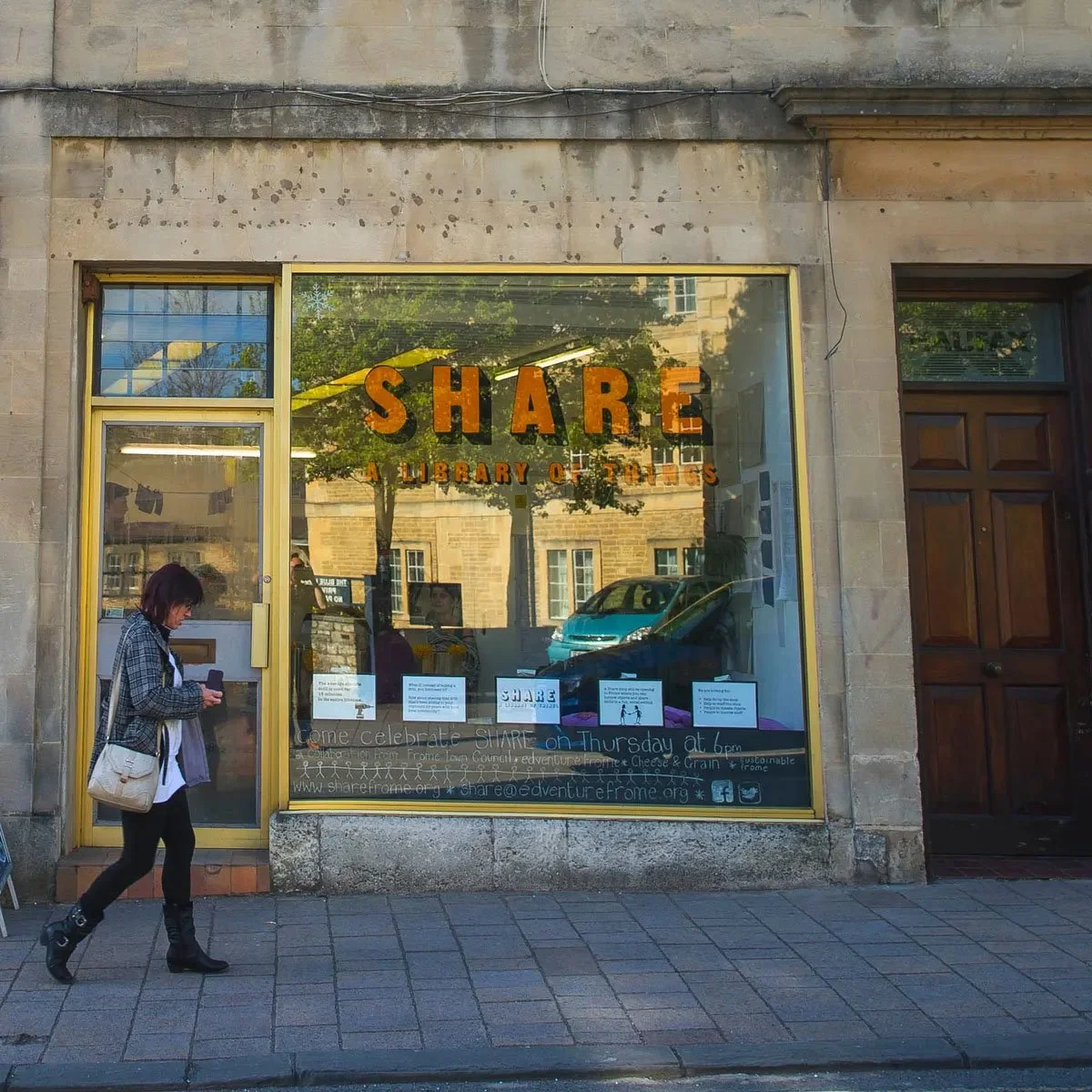
       ‘Why buy when you can borrow?’ is      A Library of Things’      slogan
    ‘Why buy when you can borrow?’ is A Library of Things’ slogan

    Further innovations followed in what Compassionate Communities director Dr Julian Abel, former vice president of Public Health Palliative Care International, calls ‘Integrated well being networks that enhance naturally occurring ones.’

    “They set up ‘talking cafes’ where you could chat to strangers freely,” expands Dr Zelner, “in-person visits for hospital dischargees, and hubs inside the surgeries. It became known as ‘Compassionate Frome’. There’s been enough time for empirical evidence and all admissions have declined by 30-40% relative to neighbouring areas. It proves community improves wellbeing.” Indeed, 81% of patients felt their wellbeing increase and 94% said they found it easier to mange their health.  

    The programme is being rolled out across the UK.

    Echoing Stanislav Grof’s view of the Freudian mental health model, Abel writes, “‘Survival of the fittest’ is not a phrase that accurately reflects our evolution. Instead, ‘survival of the kindest’ describes how animals, especially humans, have evolved to be social creatures. We are dependent on each other, and how we treat the people around us has a profound effect on us all’.”

  • The lollipop of optimism

    The lollipop of optimism

      Medical
    Medical

    The placebo effect “is scientific and real.” Psychedelics may just supercharge it

       Ann Veronica Janssens,    Installation in situ at Panthéon   , Paris until 30 Oct 2022
    Ann Veronica Janssens, Installation in situ at Panthéon , Paris until 30 Oct 2022

    “Psychedelics were never found to be especially useful as brainwashing tools,” says Dr Strassman going deep as per usual, “you have to want to be healed… or to become an assassin.”

    He continues during his Vital lecture on contemporary research, “Sure, there’s neuroplasticity and neurogensis. But why’s the experience is so rich? That intensity is down to the activation of the placebo effect. Which is scientific, biological, endocrine and inflammatory.”

    Microdosing trials struggle to distinguish between placebo and psychedelic. But this only compounds the theory, he grins.

    The Strass went big on his theory that psychedelics replicate the placebo effect at ‘Psychedelic Neuroscience Symposium 19’ celebrating the University of Michigan’s breakthrough DMT research.

    “Effective placebos have to be rare, costly, foul-tasting or ideally all three”

    He pointed out how recent trials had highlighted psychedelics’ powers of suggestibility, and the importance of set and setting, plus how in his own 1990s DMT tests “We found that ultimately people’s experiences represented simply more of who they already where. The nihilist became more nihilistic, the software designer saw the origin of information bytes.”

    “Panaceas work through suggestibility. What if we’re talking about a ‘super placebo’ here? That’s why the integration process is so important. If you’re forming new neurons you want them in the right direction. How you occupy your mind after psychotherapy is important. If you watch violent hardcore porn you’re going to get a different result than meditating in the forest for a week.”

    Another fan of the placebo effect – and not just in drugs – is advertising guru and UK columnist Rory Sutherland.

    “Placebos really do work because that’s how our minds work”

    The Ogilvy agency wallah’s favourite anecdote is how in some other countries painkillers are marketed for specific ailments – back pain, headache – despite being identical products. Yet they work better, because of the placebo effect. 

    “Yes, I know it’s bullshit,” he wrote, “But that’s the peculiar thing. We instinctively respond to things which are inefficient. Effective placebos have to be rare, costly, foul-tasting or ideally all three. In manners, in art, in friendship (in advertising, too) we are drawn to the unnecessary, the effortful or the extravagant. If rationality and efficiency were all that valuable in evolutionary terms, accountants would be really sexy.”

    Interior designer and thinker Charles Leon speaks about how placebos work even better if you tell the subject they are a placebo. “It suggests the ability of the brain and mind to heal is much more powerful than we give it credit for. Feelings can be inherited, whereas reasons have to be learnt. For instance, we are born with a fear of snakes. Experience may teach us why, but the reaction is first. Placebos really do work because that’s how our minds work.”

    Although I prefer to think of it as unleashing the true power of the human imagination, it would be the ultimate trickster gag if psychedelics simply empowered the placebo effect. The joke’s closing punchline being that there is one set of substances that are famously straightforward to tell from a placebo.

  • More healthy, less normal

    More healthy, less normal

      Medical
    Medical

    The performance enhancing and problem solving powers of psychedelics are growing in legitimacy and acceptance

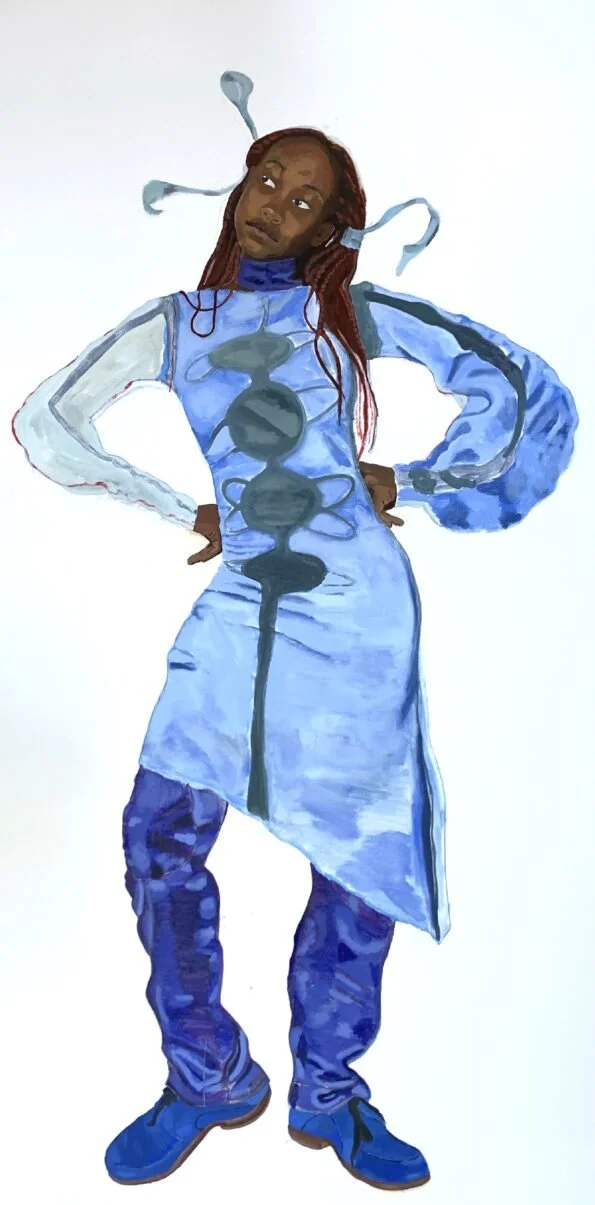
       By Sidone Roddam    via Gallery 46
    By Sidone Roddam via Gallery 46

    Psychedelic philosophy endorses mind-expanding supplement use as ethically sound plus highly beneficial to discovery and innovation.

    Scientific problem solving with psychedelics is the pet subject of Psychedelic Explorer’s Guide author Dr James Fadiman to this day.

    “It would be horrific if psychedelics just turned into anti-depressants,” says Dr Sjöstedt-Hughes, “What a waste of our psychedelic renaissance.”

    The ideology begins its case for supplemental LSD use with historical examples, like Nietzsche’s concept of moral relativity. The moustachioed firebrand challenged conservative christian ethics he concluded were toxic to society. Nietzsche believed the church promoted a ‘slave morality’ that he claimed advantaged the unadventurous and the unmotivated – crucially at the expense of the more inspired.

    “As with after-work drinks not everyone wants to take part”

    Admittedly Nietzsche could come across as a little problematic. So the argument in favour of psychedelic use for self-improvement also deploys topical markers of acceptability.

    “Carey Mullins said he ‘learned to use his visual problem solving imagination’ and that led to the applications of DNA,” is one of Psychedelic Philosophy author Dr Chris Letheby’s favourite pieces of lecture ammo. 

    Mullins’ open declaration of how much impact LSD had on his studies also makes an appearance in the summer ’22 paper in Drug Science, Policy and Law.

    “Many scientific insights were partially if not wholly dependent on criminalised activity”

    Psychedelics as potential catalysts of scientific creativity and insight by Drs David Luke and Sam Gandy presents a watertight case for creative problem solving under low doses of LSD (40ug to 100ug have been used in limited official trials over the decades) and otherwise. 

    The clarion call deploys history, philosophy, scientific thinking and direct quotes from the likes of Einstein: “The most beautiful experience we can have is the mysterious. It is the fundamental emotion that stands at the cradle of true art and true science.” The paper covers the importance of dreams and ‘visions’ in personal and scientific breakthroughs, citing declarations from Google creator Larry Page and Dmitri Mendeleev’s periodic table. It lists the inventors who’ve cited their psychedelic use itself: Apple boss Steve Jobs claimed the drugs advised him to focus on product quality over revenue generation, and contemporary physicist Carlo Rovelli claims psychedelics gave him an understanding of the nature of time which inspired his career.

    “Many of the insights outlined, including the Nobel Prize-winning discovery of PCR, were partially if not wholly dependent on criminalised activity… the potential of psychedelics as agents to support creative thinking demonstrates the restrictiveness of a ‘health-only’ classification that fails to holistically consider the breadth of risks and benefits of drug use,” it concludes.

    Real life, as ever is far ahead of academia and the medical establishment, let alone politics. Data scientists like Ahnjili ZhuParris, who’s provided frameworks for microdose self-tests and speed learning on psychedelics, are at the cusp of both the ‘Quantified Self’ movement – an army of science nerds self-testing for self-improvement – and the subculture’s citizen science element. 

    “It would be horrific if psychedelics just turned into anti-depressants”

    Ironically it’s exactly the attitude that eager start-up execs are drawn to. And modern-day corporatism is colonising the culture in its inimitable way. An article in the June ’22 issue of financial bible The Economist declared ‘Bosses want to feed psychedelics to their staff. Are they high?

    It turns out tripping in the office could be a case of two steps forward, one step back.

    ‘As with after-work drinks, not everyone wants to, or can, take part,’ The Economist reminds us more enthusiastic readers, ‘an asset manager at a big family office reports agonising over whether or not to accept an invitation from a firm in her portfolio to an (illegal) Ayahuasca retreat at a villa in California, with a shaman flown in for the occasion.’

    A portent perhaps, that even in the psychedelic renaissance we are still fretting about our workplace networking obligations. Perhaps we were naive to assume we’d glide towards a seamless new interconnectedness.

    More ancient forces, The Economist warns, are at play: ‘A mind-bending experience can lead workers to question everything—including capitalism and the nature of work.’

    Truly we must be mindful when turning on the staff. The New Health Club and Field Trip are among the companies vying to usher in this new age of glad-handling. Which to be fair sounds a lot more compelling than Friday evening in the local Irish pub.

    Apparently though, life is not all about work. And neither does our career have a monopoly on problems that require solving.

    “I loved and desperately wanted my wife. This was a surprise to everyone including ourselves”

    Within the pages of 1967’s The Problem Solving Psychedelic PG Stafford and BH Golightly went to the heart of the matter.

    “Marriage may begin with a great deal that favours success and yet there is an appalling rate at which the relationship deteriorates… the ‘advice’ given by LSD is for the most part benevolent. Instead of encouraging disparagement of a mate for shortcomings, as may result from greater intellectual clarity, the drug generally activates emotional tolerance, if not empathy, and highlights hidden or forgotten attractive qualities.”

    The writers quote two husbands who underwent LSD therapy in the 60s:

    “I am able to talk to my wife more freely and frankly than I ever used to be. I am not so afraid of saying what I really think even if I know she will not agree. Apart from the restoration of intercourse, we really get on much better than before.”

    “I loved and desperately wanted my wife. This was a surprise to everyone, including ourselves, because as I said we had been through a bad time together. But under LSD it is impossible to fake anything: she was my connection with life.”

    Certainly a more worthwhile state of affairs than after-work drinks. 
  • DMT vs Death

    DMT vs Death

      Medical
    Medical

    Is DMT hyperspace the afterlife and do we become an ‘entity’ when we die?

        Mary Jacoob ‘Nexus 02’      via Gallery 46
    Mary Jacoob ‘Nexus 02’ via Gallery 46

    DMT is produced in the body at the moment our physical existence ends.

    And, according to a recent paper by proper brainbox Dr Christopher Timmerman, DMT replicates the near death experience (NDE). So is DMT intended only for that final event in our lives? And is a DMT trip a ticket to the realm beyond?

    Judging by his own enthusiastic research “the truth is “going to be more complex,” says Dr Luke, who has studied more than one shamanistic tradition first hand in detail.

    “There are features of the DMT experience you don’t get with NDE,” says Dr Luke, “Intense geometric patterns and colours for example, which are fundamental. Encounters with deceased relatives, and premonition [predicting the future] are less common in DMT. But 4-5% of people who take DMT have a ‘deceased encounter’ – but no ‘life review’ or ‘tunnel’.”

    ‘DMT entities’ are also unique to substance, Dr Luke adds. “Then there are the encounters with little people that have been around for a long time,” he says, “Graham Hancock made a direct comparison with them to modern-day alien abduction experiences. Although traditionally they were associated with the world of the dead. There’s many layers – the two not the same, I would say. They may be related. DMT may be ‘released’ at death. It may be created in the pineal gland. But we don’t have enough hard evidence.”

    There are many other hypotheses: “I have colleagues who believe DMT entities are ‘intro-ceptive.’ You’re encountering your own micro-biome, mitochondria or other internal structures,” says Dr Luke, “Interesting theory, but it doesn’t account for the 25 -foot tall preying mantises.”

    DMT is prevalent at much higher levels in the human body than previously believed. Maybe to the same extent as serotonin, to which it is increasingly compared

    So should we, like our mate says, avoid taking DMT in case it uses up all our death high, and our eventual moment of union with the cosmic whole is, like, a dud?

    According to hardcore research where scientists monitored the brain activity in rats while they died, DMT is produced at six times the normal level at the moment of extermination. But other chemicals, including serotonin, noradrenaline and dopamine are blasted at many more times the normal levels.

    “There’s very good reasons to think DMT is produced in the human pineal gland,” says Dr Luke, “but it could be made in the body.” In 2019 a heavyweight paper from the DMT Quest organisation concluded DMT is prevalent at much higher levels in the human body than previously believed; even to the same extent as serotonin, to which it is increasingly compared. The pineal gland is tiny, points out Dr Luke, and said experiments on rats were also conducted on another set of rats who’d had their pineal glands removed. DMT was still produced at large quantities upon death.

    While we’re asking questions like ‘are entities real?’ in the pub, more ambitious brains are looking into the relationship between the pineal gland, DMT and autism (upon which Dr Luke has conducted surveys suggesting “extremely promising data”). While dudes like Andrew Gilmore and Anton Bilton are talking about setting up a DMT hyperspace station for extended exploration and communion.

  • Guess who’s back?

    Guess who’s back?

      Medical
    Medical

    Everything you need to now about this season’s essential LSD revivial trend

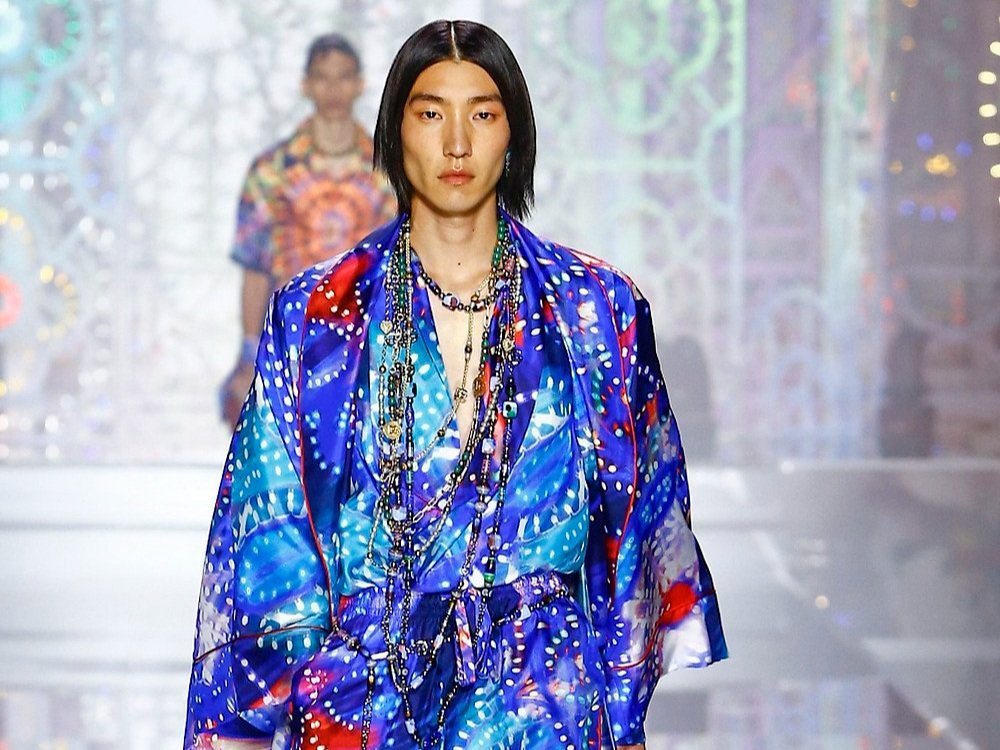
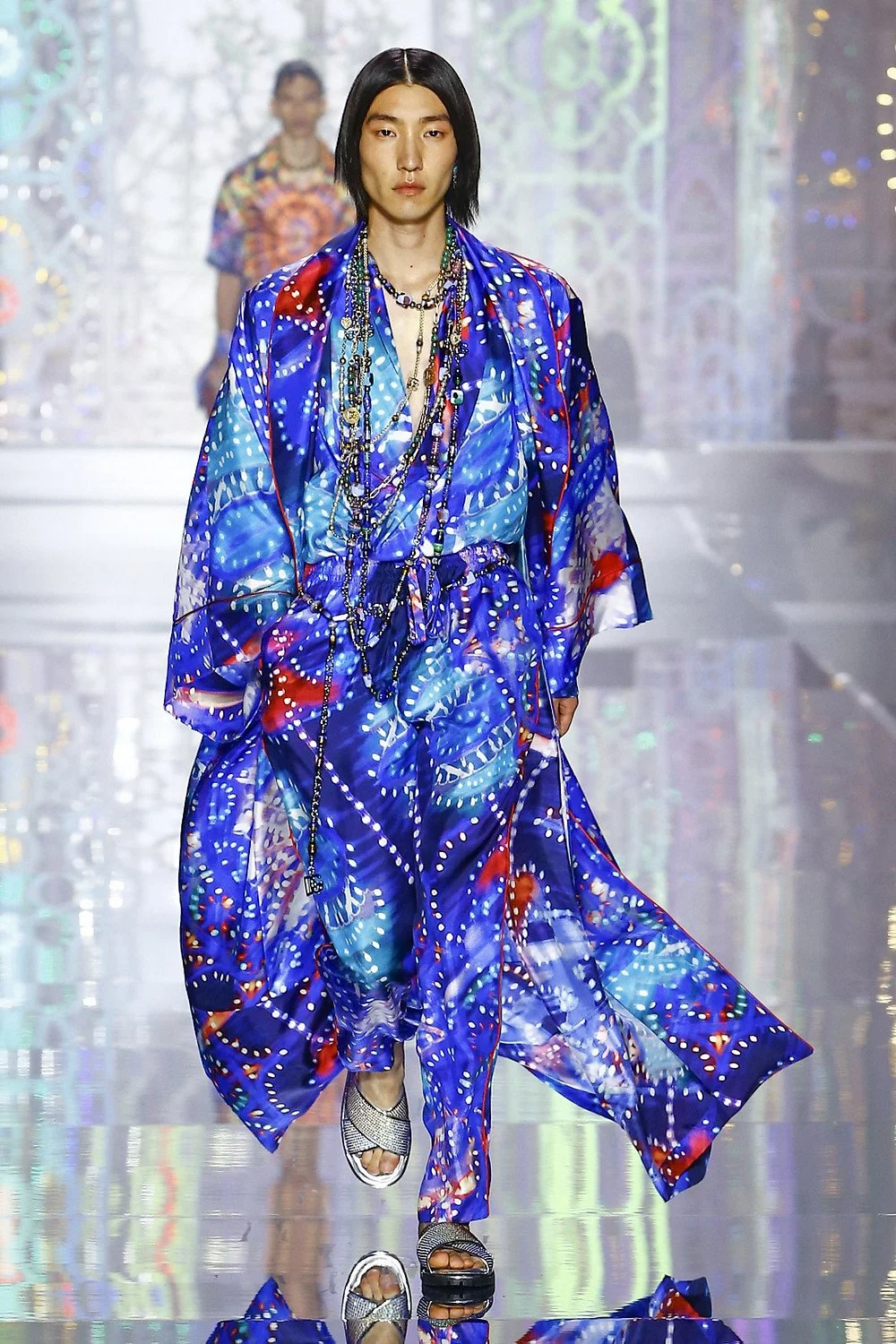
       Dolce & Gabbana      men’s spring/summer ‘22 collection      catwalk show
    Dolce & Gabbana men’s spring/summer ‘22 collection catwalk show

    The psychedelic renaissance wrote LSD off as impractical, fuddy-duddy, and just so, like long as to be downright subversive.

    But tastemakers are trumpeting LSD’s versatility, while trendsetters are mining its aesthetic.

    “To my mind, LSD is the best, the purest” declared Beckley Foundation’s Lady Amanda Fielding at the 2022 Psych Summit held at London’s National Gallery.

    After all only the bohemian elite would have the time, right? And time is money more than ever before (usual disclaimers re: existence and/or nature of time).

    One shudders to think that LSD is the new jet set drug of choice. Beckley are actually conducting the first serious test into microdosing with LSD. The old fave has also found favour with the restless rabble. MindMed’s stage two tests for ADHD are underway at 20µg of LSD twice a week, hot on the heels of its success with LSD for anxiety. MindMed’s base of Switzerland is the home of LSD after all.

    Meanwhile, Milanese glamour powerhouse Dolce & Gabbana offers the trip-wear of choice for sartorial psychonauts in its spring/summer 2022 menswear collection. See you at the sample sale.

       Dolce & Gabbana      men’s spring/summer ‘22 collection      catwalk show
    Dolce & Gabbana men’s spring/summer ‘22 collection catwalk show
  • The Microdose Age

    The Microdose Age

      Medical
    Medical

    LSD’s versatility is wildly underestimated say thought leaders Beckley Psytech

      Lady Amanda Fielding of    The Beckley Foundation    and now    Beckley Psytech
    Lady Amanda Fielding of The Beckley Foundation and now Beckley Psytech

    “Microdosing is a step forward for humankind.”

    Beckley Psytech’s Lady Amanda Fielding (for it is she) declared so at Psych Symposium. If psychedelics can be for the everyman, can they be for every day?

    While it’s less spectacular than ‘spiritual doses’, DMT, or ayahuasca, and an ongoing science to say the least, microdosing’s arguably taken a stronger foothold in popular culture than the next-level psychedelics. Users report similar effects to integrated major experiences, like enthusiasm, geniality, consideration and walking in the woods while listening to Jon Hopkins. Famously though microdosing – which Beckley are researching throughly – is one of the few contemporary psychedelic phenomena to fail the placebo test. Small doses are being tested on some conditions: MindMed are on stage two for 20µg of LSD twice a week, while sticking someone in a room and giving them a proper tab (200µg) did okay for GAD . The likes of New Health Club are poised to bring acid to the workplace (at last). Lenny Gibson’s observation was that ‘psyche’ also means ‘breath’, and Stanislav Grof’s holotropic breathwork could be the only option – and also a better one – for many.

    Professor David Nutt pointed out in his Psych presentation that it’s the ‘wellbeing’ scores that are really impressive in psychedelic therapy’s efficacy results. But according to a neuroscientist I spoke to outside when the fire alarm went off, “there are no criteria for developing drugs for ‘wellbeing’ like there might be for mental health conditions already treated pharmacologically. So everybody’s trying to make drugs, which is ruinously expensive as it is, without knowing precisely what to aim at, certainly in terms of approval.” The Mushroom Nation is at once already here, and still so far away.

    NB Psychedelics are prohibited in most places even if labelled ‘cacao’ and sent in gaudy packaging. You can still get busted for them like this guy.

  • Spiritual healing could help cure epigenetic disease and transform treatment

    Spiritual healing could help cure epigenetic disease and transform treatment

      Medical
    Medical

    “Ultimately we’re reopening metaphysics. The research is in review now and we’re looking forward to sharing it with the world,” says Dr Tafur

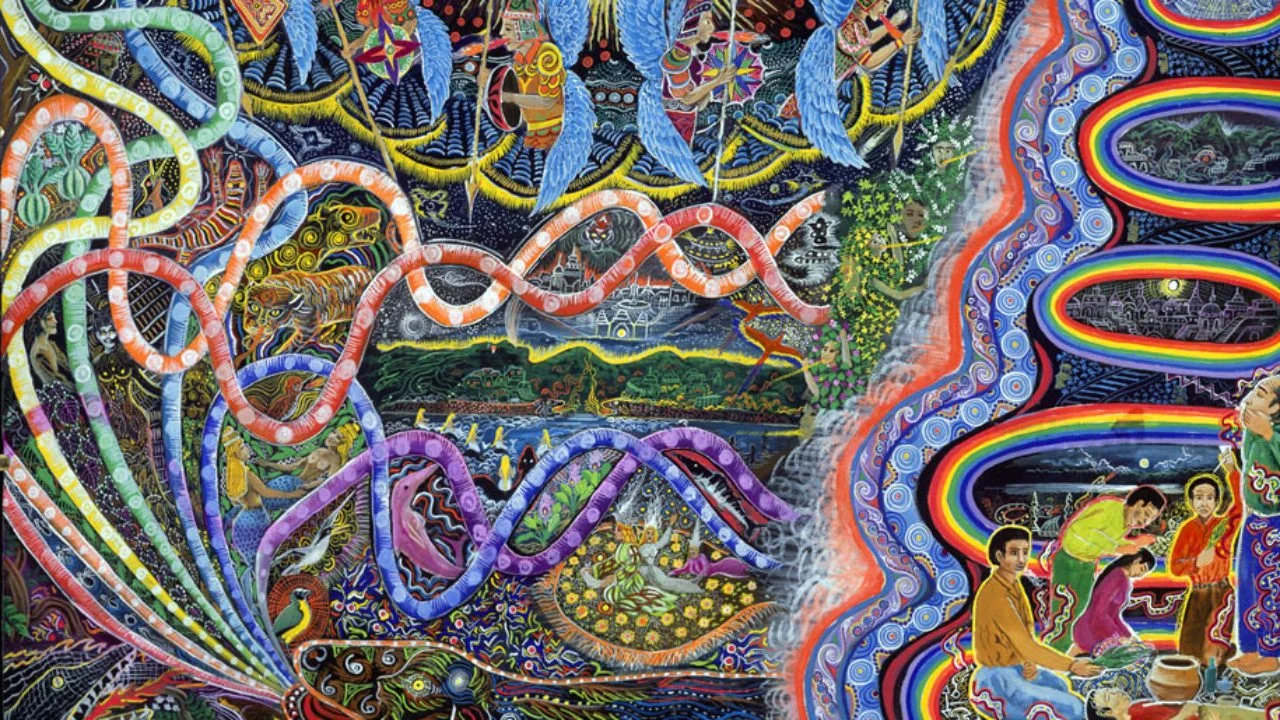
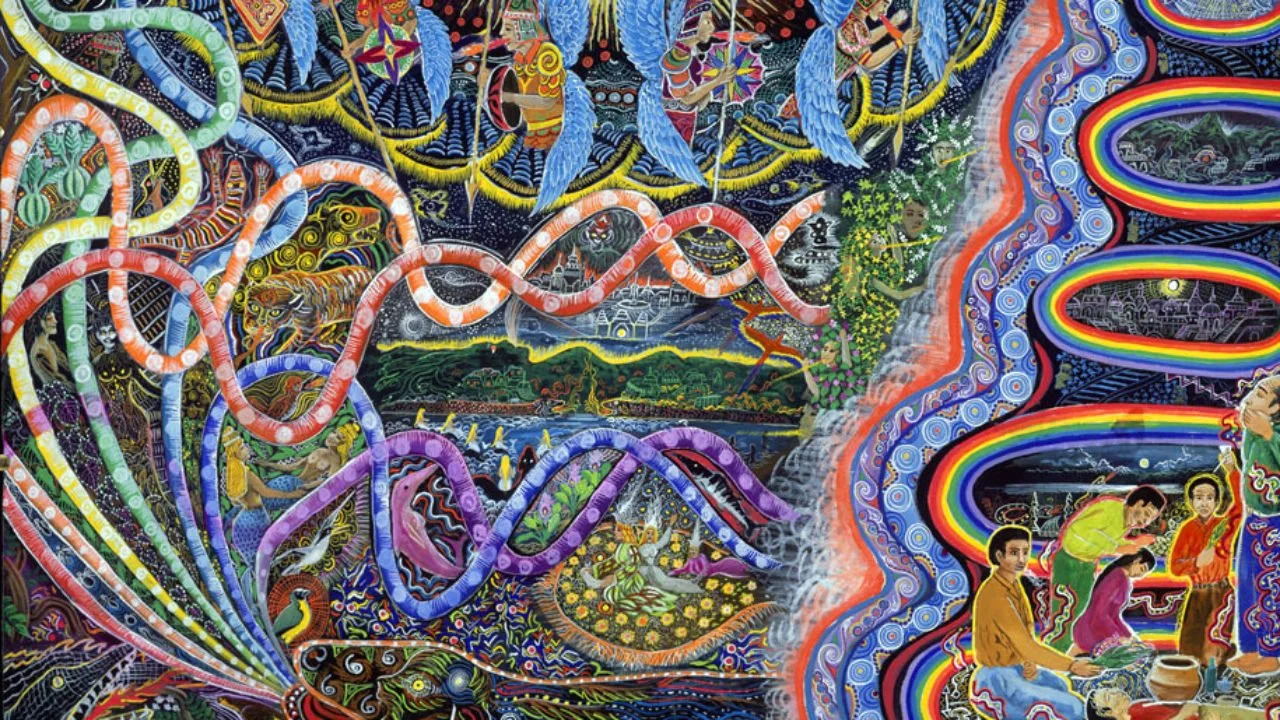
      Plant medicine fan favourite    Pablo Amringo
    Plant medicine fan favourite Pablo Amringo

    Dr Tafur believes that mystical experiences can help cure epigenetic diseases from PTSD to psoriasis… and maybe even the Big C.

    Modern Spirit, Dr Tafur’s non-profit org has collected genetic samples from some of the 107 patients in MAPS’ 12-month MDMA therapy trial (see above) where a stunning 68% of patients had statistically recovered from chronic, treatment resistant PTSD after three treatments. They’d been suffering for an average of 17.8 years.

    “To a doctor, the sacred isn’t important. But to close your mind is a hiding place. People need to see something. Mental health? It’s competitive. But cancer is largely epigenetic and that’s one of the fields they’re saying they want to put more energy and understanding into.”

    The research could also validate other holistic practices ranging from somatic experiencing to reiki.

    “Ultimately we’re reopening metaphysics. The research is in review now and we’re looking forward to sharing it with the world,” he says.

    He recounts a pivotal moment in his shamanic career, when ayahuasca visions insisted that a penitent’s disease was “on” as opposed to “in” her genes as medical consensus assumes.

    This tall with the compelling field of epigenetics, which examines changes in our DNA (nature) brought about by environment (nurture). These can be passed down the generations, and include traumatic experiences. This was proven by landmark surveys using data assembled from descendants of Holocaust survivors. Of course it also works for colonialism, industrialised warfare, poverty, patriarchy and lovelessness. It’s a new and complex but far from fringe area: my mother is an identical twin who has been taking part in NHS epigenetic research funded by good old Wellcome Trust for decades.

    This blog is not affiliated to Vital beyond my study on the course. The content shouldn’t be taken as representative as it’s a personal reflection and includes my own lived experience of the sector too.

    Psychedelic substances are prohibited in the UK, other countries and most US states. I do not condone their use, neither am I evangelising for, or recommending them to you. There are more qualified people you can turn to in the Resources section but if you are considering psychedelic treatments the best person to speak to is probably your own therapist, counsellor, or doctor.

  • Public opinion had a huge effect on research back then. It still does.

    Public opinion had a huge effect on research back then. It still does.

      Medical
    Medical

    Social disapproval – not legislation – wiped out LSD testing in the 20th Century

      Poison
    Poison

    ‘The first lady of LSD history’ Dr Ericka Dyck’s Vital presentation began with a curved ball.

    The Canadian historian pointed out that pharmaceuticals were bang on-trend during the 1950s after the successful roll-out of anti-psychotic chlorpromazine (Thorazine). This generated goodwill for tests on more ‘wonder drugs’.

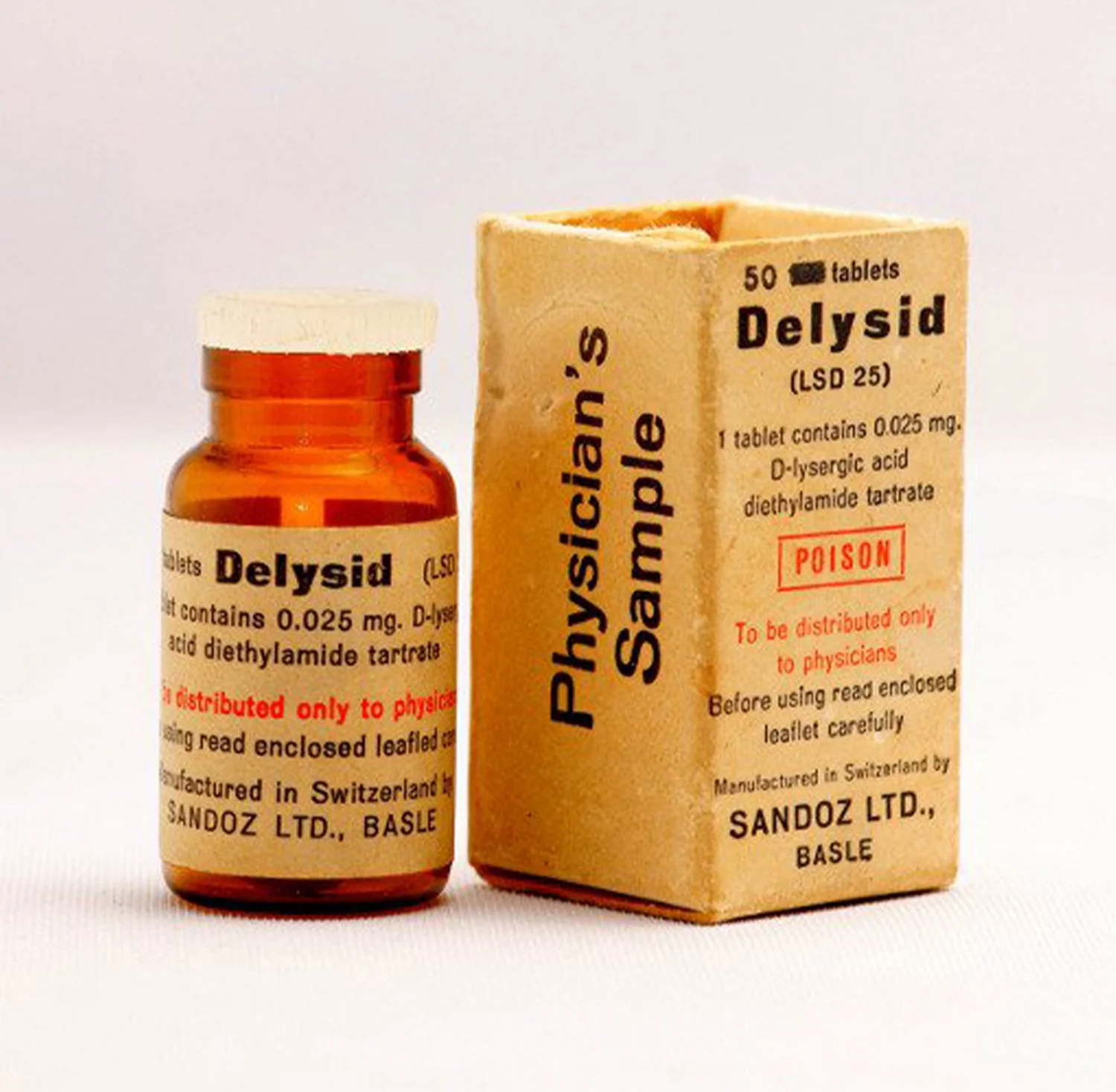
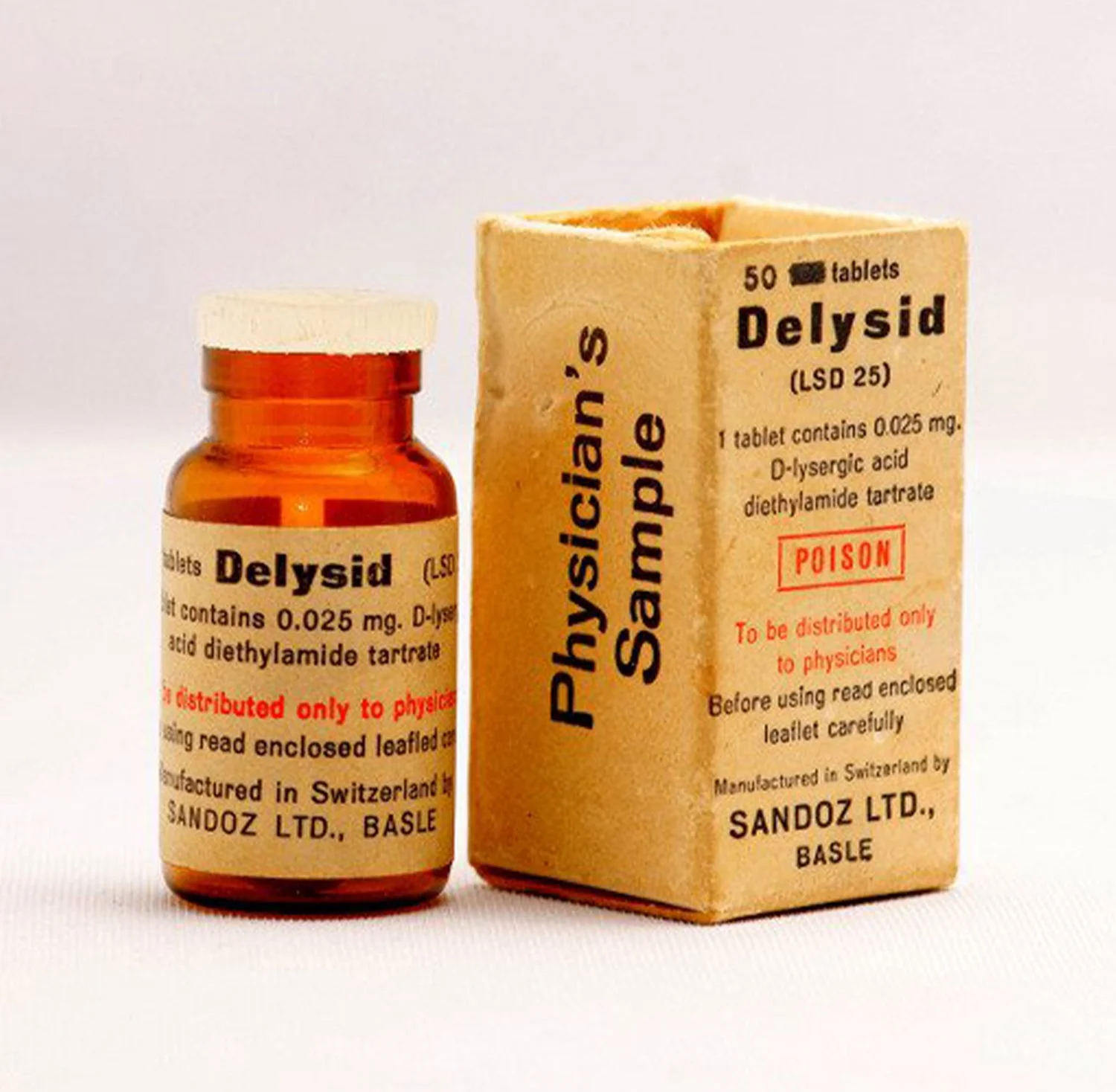
    However, in the early1960s the startling effects of thalidomide on pregnancy came to light. “Images of deformed children caused outcry and a moral panic over testing ethics,” plus the emerging anti-modernity movement fuelled a backlash that brought LSD – brand name ‘Delysid’ – testing to a halt in Canada by 1962.

    Leary was fired from Harvard in April 1962. FDA-sanctioned research continued until 1977, but funding and support rapidly became non-existent.