Category: Medical

  • Lower doses better for shadow work say Jungian therapists

    Lower doses better for shadow work say Jungian therapists

      Medical
    Medical

    ‘Psycholytic’ techniques with more practicioner involement are making a comeback – and suit lighter trips, claim experts

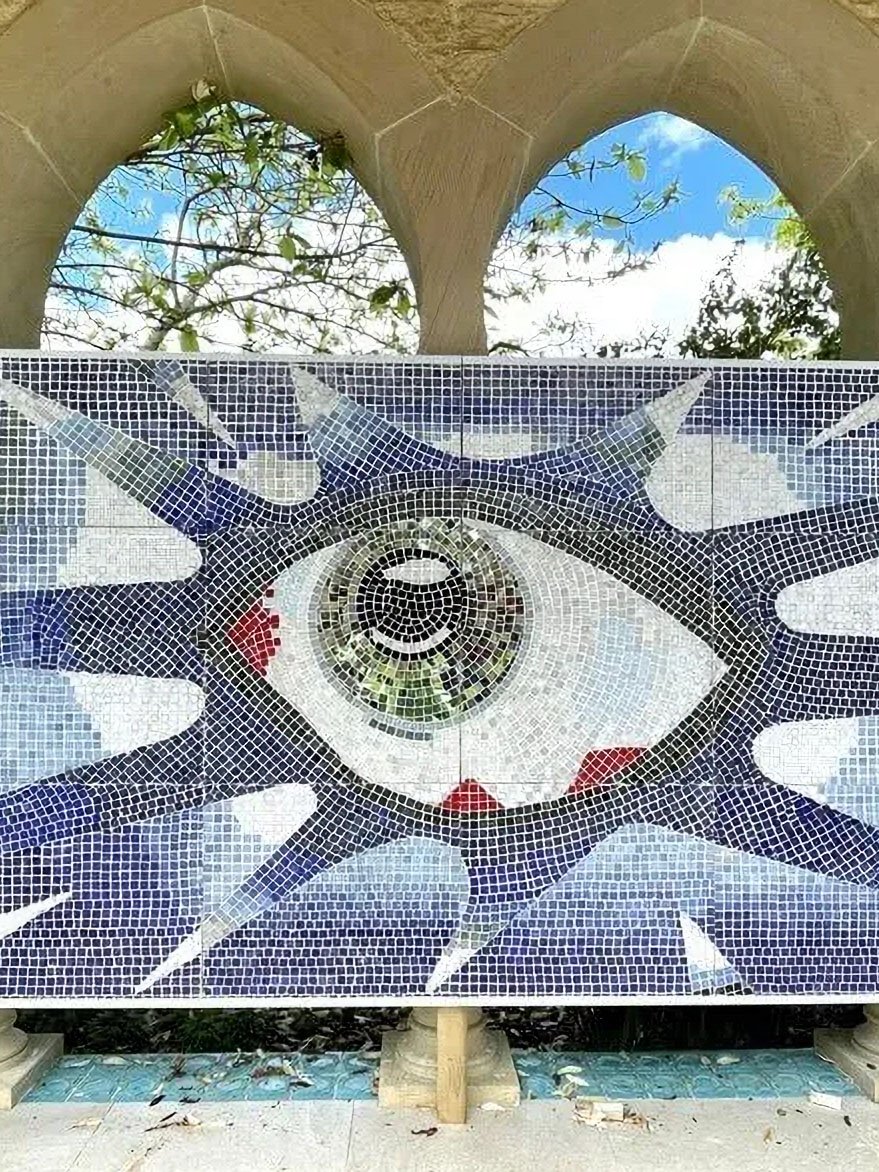
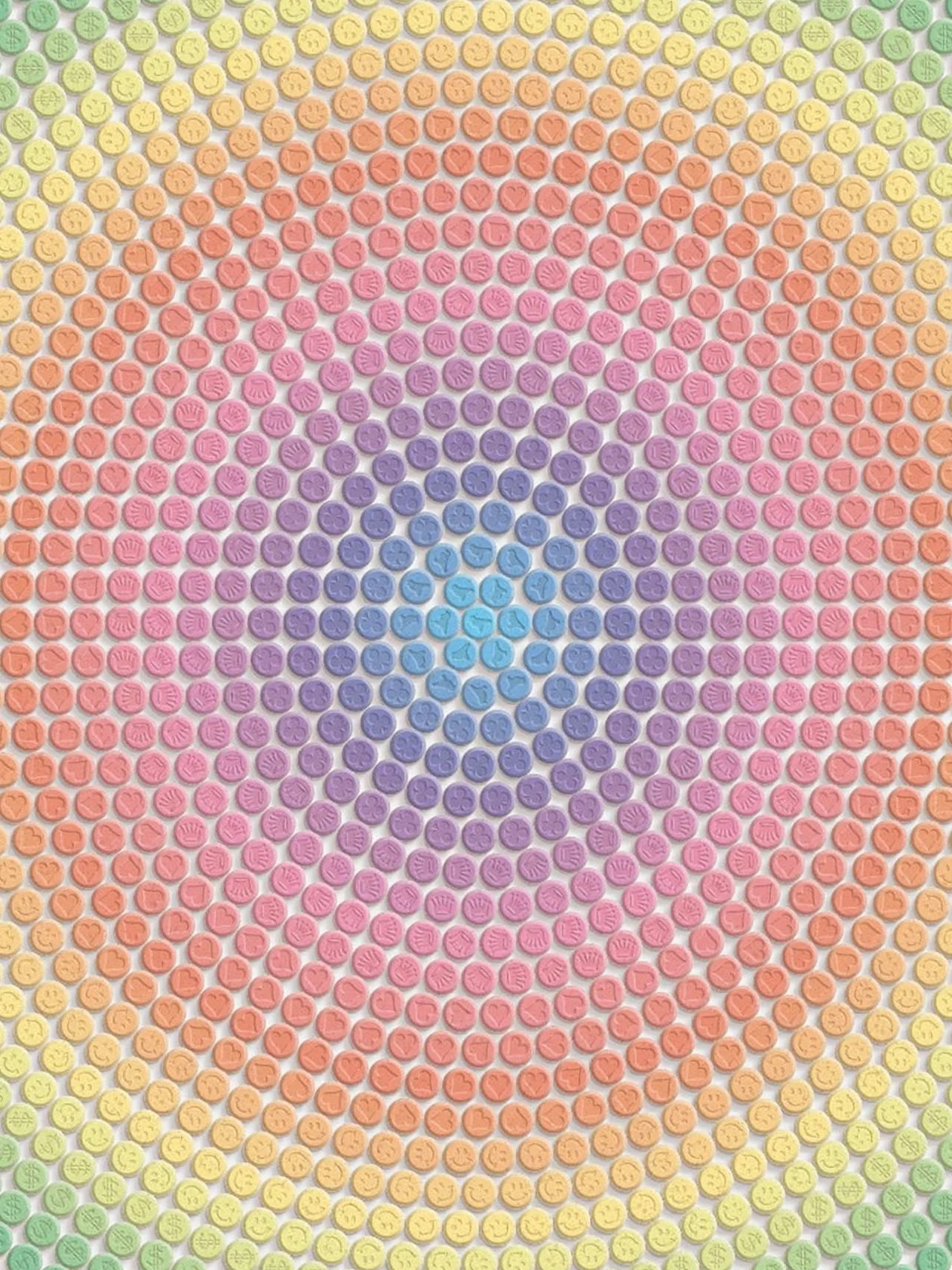
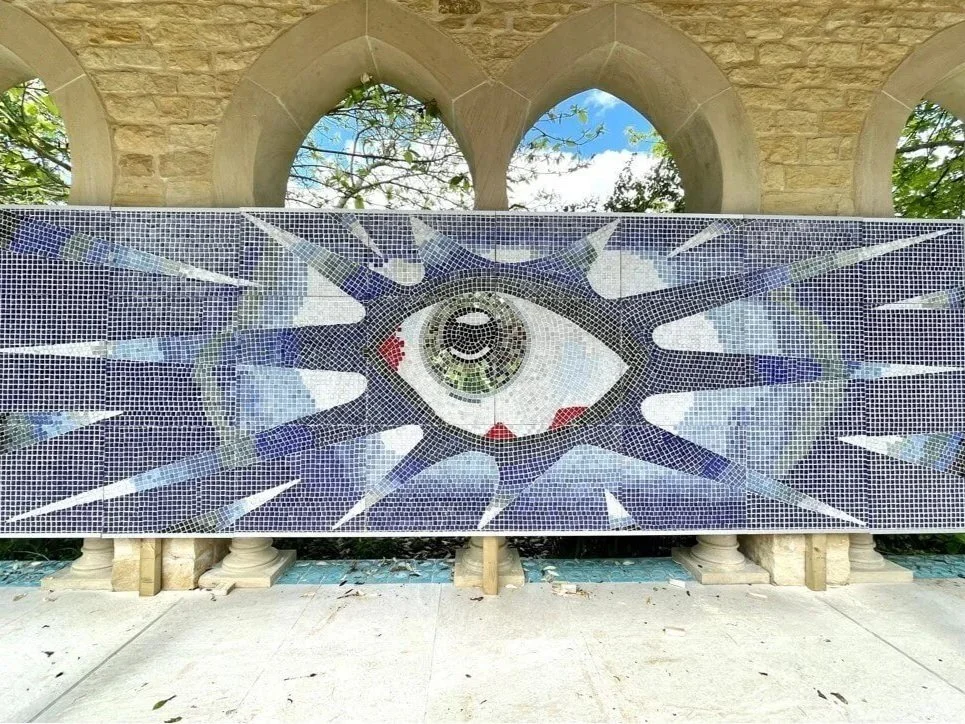
       ‘The Psychedelic Eye’ by John Lennon (for it is he) at    Kingham lodge sculpture park
    ‘The Psychedelic Eye’ by John Lennon (for it is he) at Kingham lodge sculpture park

    Challenging shadow work is best attempted on lower doses of psychedelics with therapist guidance, say Jungian experts – in contrast to current wisdom.

    Dr Scott Hill’s Confrontation with the Unconscious is considered the definitive text for using  Jungian psychology in psychedelic therapy and integration. 

    Speaking in Vital’s Jungian shadow therapy lecture series, Dr Hill questioned the modern-day orthodoxy for high dose sessions: “Low doses allow us to be more conscious in the experience,” he says.

    While recreational MDMA users will tell you “less is more,” the modern-day psychedelic therapy circuit believes in high doses, with ‘non directional’ interaction between therapist and patient.

    But “People who keep coming back for high doses may struggle during integration,” Dr Hill continues, “Their experiences are so big – the ‘godhead experience’ – that they struggle to integrate into mainstream reality, and keep wanting to go back.”

    Dr Hill says mild doses can still trigger archetypal awareness for example. And he believes experienced users can access and navigate meaningful psychedelic states with lower doses.

    “High doses might avoid dealing with the shadow. Maybe that’s why they can disappoint”

    Just like many Peruvian shamans believe one becomes more alert to ayahuasca as use increases. (And claiming you’re ‘sensitive to the medicine’ has become a Western humblebrag).

    NY-based clinical psychologist Dr Gita Vaid believes intra-muscular ketamine injections can be artfully choreographed to create a specific experience for the patient. 

    “High doses might actually be an attempt to avoid dealing with the shadow work. This is why psychedelic experiences can sometimes initially feel disappointing,” she says, “But it’s through the integration process where diamonds of insights can be mined and used for growth.”

    Could a skilled therapist lead the complex shadow integration that will truly satisfy patient need?

    “What is holding space? Is it just making sure someone’s safe or is there a process going on?”

    Dr Vaid proposes a re-examination of the ‘psycholytic’ therapy style featuring more interaction between your inner healer, and the outer healer sat alongside.  

    “There’s a lot of platitudes in the psychedelic space – I don’t even know what we’re talking about anymore. What is holding space? Or what’s in that umbrella? Is it just making sure someone’s safe? Or is there a process going on? And how does one define that?” 

    Are we just lame duck ‘shamans’ sitting there not even pretending to commune with supernatural intelligences?

    “Frameworks will start emerging to evolve and grow the field of psychedelic-assisted psychotherapy”

    What divides the psychedelic guide from the friendly barman or hairdresser, says Dr Vaid?

    “What constitutes the ‘psychotherapy’ part of psychedelic-assisted psychotherapy? We don’t really have the systems, the language, vocabulary or theoretical frameworks,” she says, “which I’m hoping will start emerging to actually distinguish, differentiate and get more sophisticated – evolve and grow the field.” 

    Dr Vaid admits a lack of ambition isn’t limited to the psychedelic sector: “You even hear psychiatrists talking about sleep and exercise, which to me wouldn’t constitute psychotherapy in the first place.”

    More Medical articles here on New Psychonaut:

  • Wavy Garms

    Wavy Garms

      Medical
    Medical

    What the modern-day professional psychopomp is wearing this season

        Not this, unfortunately. It’s from ‘Ikon’ by Nick Knight      available now
    Not this, unfortunately. It’s from ‘Ikon’ by Nick Knight available now

    In his definitive book Psychedelic Renaissance, Dr Ben Sessa of Bristol’s Awakn Clinics writes: “An unfortunate but necessary truth is that profession­als working in this field must remain as boring and staid as possible.” 

    No ceremonial robes allowed?

    What’s the sartorially minded integration coach to do? 

    Faced by this matter of cosmic import, I turned to Vital’s students for answers after Kyle Buller’s lecture on ‘psychedelic integration’. Which is, for the uninitiated, ‘the process by which a psychedelic experience translates into positive changes in daily life.’

    “I’m a professional therapist and I’ve got tattoos on knuckles and neck,” says my Vital colleague Mackenzie Amara.

        Also from ‘Ikon’ by Nick Knight      available now
    Also from ‘Ikon’ by Nick Knight available now

    “My image filters out the people that would be distracted by that,” says the head-turning Jungian depth psychologist, based in Zurich. Though, “the flipside is more likelihood of extreme projections” she says, referring to a client’s tendency to act out behaviour patterns on their therapist… that’s often intensified in psychedelic sessions.

    “Image considerations are more about what projections you might be managing”

    Sporting a strong look might muddy the astral airwaves once the archetypes start flying: “Image considerations are less about fitting in with the crowd, and more about what projection you might be managing,” Mackenzie advises.

    The general concensus from the students is that the culture behind whatever medicine’s going down can be respected in the ceremony. Personally I take that as a green light for cloaks and headdresses. 

        Also from ‘Ikon’ by Nick Knight      available now
    Also from ‘Ikon’ by Nick Knight available now

    You’re not at an after party, though. Even the most progressive psychedelic ceremonies demand some decorum.

    “It goes back to: how much are we influencing people?” says integration lecturer and Vital founder Kyle Buller, “I wanted to wear a shirt in our last Jamaica retreat of this reindeer eating a mushroom. And I was, like… maybe I’ll save that and just wear something bland…”

  • Anger is an NRG

    Anger is an NRG

      Medical
    Medical

    How to take a (small) step closer to the dark side for more assertiveness and self-compassion

        Adam Neate, ‘Retrato’ available from      Flurorescent Smogg
    Adam Neate, ‘Retrato’ available from Flurorescent Smogg

    The reconstructed self doesn’t take any crap.

    “Assertion is a common after-effect of medicine work,” says Dr Lafrance coyly, in her eye-opening lecture to Vital students on hw psychedelic therapy goes down in the real.

    Like the article says over in the Approach section of Zine #17 here, Dr Lafrance says therapists see two secondary emotions most commonly in the field.

    “Empowerment skills, when they’ve perhaps not been done before, are usually too mousey… or too much”

    Those two feelings she hears about the most are sadness, as one might expect from the depressed, and rage.

    “Anger is a challenge for many people,” says Dr Lafrance, “but not all anger is destructive. There is healthy anger.”

    This more righteous kind of fury can often be confused, shall we say, with assertiveness.

    “Culturally we really struggle,” comments Dr Lafrance, “I’ve been in therapy for 20 years working on my capacity for anger, standing up for myself, and asking what I need.”

    The rage-fuelled are shying away from vulnerability according to emotion focussed therapy, and it “shows up as these problematic reactions that fuel expression of symptoms,” says the clinical psychologist, somewhat eupehmistically.

    “Empowerment skills, when they’ve perhaps not been done before, are usually too ‘mousey’, or too much,” explains the blonde boffin, “plus the most predictable reaction to unexpected criticism is defensiveness.”

    Dr Lafrance provides scripted frameworks for the budding bearish buccaneer.

    “I always assume user error. You know, because it helps me to cultivate more sophisticated skill”

    She’s kind enough to share one with Vital students during the post-lecture Q&A, when I ask about help with my own fermenting… assertiveness.

    “I always assume user error. You know, because it helps me to cultivate more sophisticated skill,” she advises. 

    “If I’m expressing assertion, especially if it’s in a relationship where it’s kind of a novel experience, and it doesn’t go well… then I ask myself: ‘What am I doing or not doing to contribute to this problem?’” 

    That’s how she hit on the idea of detailled advice for pateints fumbling their way into self-confidence.

    “I was encouraging people to express assertion, and it’s not going well. So then I, as a therapist, asked myself ‘How did I contribute to that?’ Like, ‘Oh, shit, we didn’t warn them.’ So I wrote, I wrote the script now that I give to all the clients.”

    And it goes a little something like this:

    ‘I realised that I don’t always say or tell the truth about how I feel. Or about what I need. It’s hurting me.

    And I realise that makes it so that I’m not always honest in relationships. Because I’m scared that I’ll lose people important to me. Including you.

    “Not all anger is destructive. There is healthy anger”

    I really want to make a change in this way. I want to be more honest. And I want to have more faith.

    Faith that heart-centered motivation is there at the forefront. And faith that this relationship can sustain the changes that are required for it to evolve. 

    Would it be okay, if I started, in this relationship, being more honest about the things that hurt?

    Or the things that anger me? Knowing that it’s really because I want to find a new normal that will serve us both?’

    You might as well give it a go, you’ve tried evrything else. Could avoid an ‘Iatrogenic’ – therapist-induced – divorce.

  • Soul reduction

    Soul reduction

      Medical
    Medical

    ‘Pharmahuasca’ pills are simply not the same as ingesting traditional brews fully in a ceremonial context

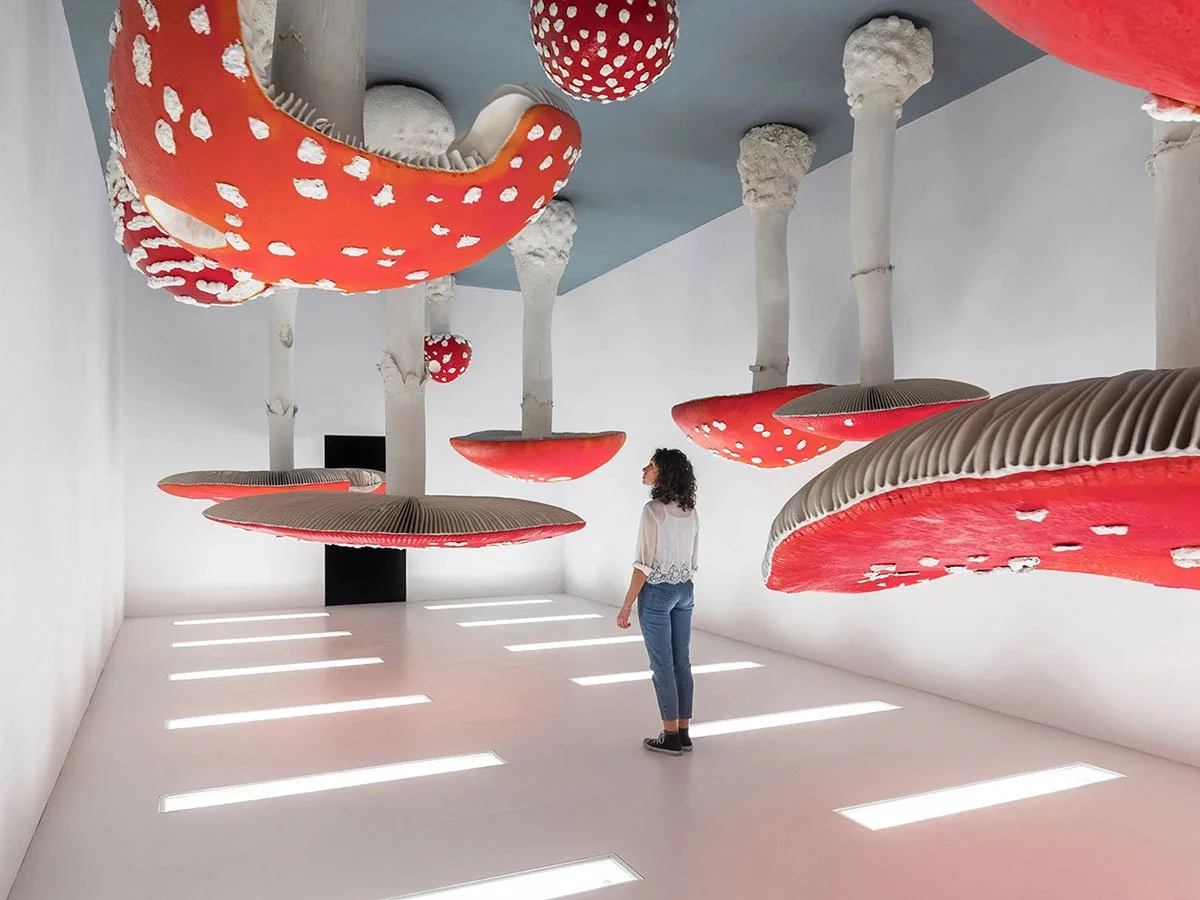
      By    OMA       at      Foundazione Prada     , Milan. Yes, these are Fly Agarics.
    By OMA at Foundazione Prada , Milan. Yes, these are Fly Agarics.

    The Vine of the Soul has been synthesised. Kind of.

    Pharmacusca is a combination of DMT and beta-carboline stomach inhibitor harmine, which also boasts psychedelic properties. “There’s a huge body of evidence showing ayahuasca’s therapeutic potential,” says Imperial College’s Ashleigh Murphy-Beiner who’s been a cheerleader for ayahuasca research here in the UK

    What’s used for most tests on ayahuasca, ‘The Vine of the Soul’ is ‘pharmahuasca’ a combination of DMT and harmaline, the brew’s two stand-out alkaloids, often taken as separate pills 10-20 minutes apart so the mono-inhibitors in harmine that stop the stomach from registering the fact there’s a bucket of DMT in there can take effect. Pharmahuasca’s long been gaining popularity with recreational users too.

    “The vines are part of a magnificent cluster of beings”

    “You just use the alkaloids and you say this is equivalent,” comments Dr Luis Eduardo Luna in his lecture closing Vital’s therapy-themed teaching module examining what Western practitioners can learn from traditional amazonian approaches, “It isn’t, neither chemically or synergistically. It is reduced down to a pill… an object.”

    Pharmahuasca also dispenses with the aspects of ritual, myth and ceremony – and even the digestive pruging – that are obligatory in traditional use. 2021 resarch paper Examining changes in personality following shamanic ceremonial use of ayahuasca gently insisted, ‘Ceremonial practices may be informative about key elements of psychedelic-assisted experience that potentiate positive psychological changes’ and used authentic ceremony as its laboratory setting.

    Traditional ayahuasca brews contain more than two dozen active ingredients, some of which are contained in the chunky bits floating around the ichorous concoction. “The vines run throughout the forest. They are in symbiotic relationships with other plants, insects, animals and microbes, part of a magnificent cluster of beings,” says Dr Luna who cultivates an ecosystem friendly to Columbian ayahuasca equivalent yagé at his Wasiwaska nature reserve in Florentina, Brazil that you can read more about in this issue’s Integration item. 

    Preparations and admixtures for ayahuasca, yagé and another concoction capi differ between tribes and locations, so don’t accept any black-and-white categorisations from know it alls while debating psychedelics at one of your global north dinner parties. For example the Colombian Orinoco tribe consider ayahuasca to contain a ‘male’ spirit while it is generally thought of as ‘Mother Ayahuasca’ elsewhere and in the West.

    “I believe in both approaches, science and animism. We could be epistemological polyglots”

    The Colombian yagé Dr Luna first took alongside Terrence McKenna in 1971 uses the chaliponga plant as its DMT source instead of chacruna. While it may not be of relevance to Western researchers the preparation and ceremonial aspects of yagé are certainly different. Yagé’s effect is considered more contemplative and ayahuasca’s purgative, but that statement is also generalising to an inappropriate degree.

    Forcing down all the ingredients ceremonially for the true effect is no piety, insists Dr Luna. Indeed traditionally ayahuasca and yagé are used to solve practical issues (for instance locating a missing cockerel, clearing out your guts) rather than ‘finding God’ as canonical maestro Maria Sabina put it. 

    If Westerners can come to terms with an overlap of the spiritual and the material inherent in amazonian animistic and plant medicine culture, “We could truly be epistemological polyglots – studying the living and non-living world with the precision of scientific language, while simultaneously somehow perceiving the spirit, the anima of all that exists,” said Dr Luna in his keynote speech at Exeter University Philosophy of Psychedelics conference earlier this year, titled ‘Decolonising the Self’. “I believe in both approaches, science and animism, and that they are entirely compatible in the modern world,” he edicts.

    Even the paper Examining changes in personality following shamanic ceremonial use of ayahuasca printed in March 2021’s Scientific Reports slipped into the academic conversation that ‘The present study shows preliminary support for the therapeutic benefit of the shaman, icaro, purgative elements, cognitive reappraisal, sacramental atmosphere, and communal/group context.’

    44% of Amazon biomass is vine. Vines are plants that require other surfaces to support themselves. They climb up these, which are mostly ‘self-supporting’ trees, using strong arterial veins pumped with water so they love rainforest. While vines might creep around and not stand up straight without leaning on something else, they’re of considerable importance to the local ecosystem and tribespeople put them to good use as a versatile building and manufacturing material. Animals use them as transport, for avoiding predators in particular. Their abandoned biomass keeps the soil below host plants nutrient rich and vines provide food and medicinal sources aplenty: grapes, cucumbers, melons, and vanilla come from vines.

    Dr Luna lists the importance of ingesting the whole plant/fungus, not an extraction, in his bullet-points for Western therapists. Ideally it would be grown on-site at one’s paradisiacal retreat like Dr Luna’s Wasiwaska, a psychedelic nature reserve. Ecological projects involving the local community bring economic benefits. in the Amazon itself for example, retreats investing in the community would bring serious good vibes back in return. I’d cite Jake’s in Jamaica as a great example, would-be psychedelic travel entrepreneurs. 

    Ayahuasca’s shown considerable benefits to mindfulness (being ‘in the moment’) and cognitive flexibility (common sense) in tests for depression plus it’s also been a focus for studies into borderline personality and eating disorders. Leading crowdfunded research into trauma already testing DMT on rats is none other than… the esteemed Dr Robin ‘Hollywood’ Carhart-Harris, now ‘Founding Director of The Neuroscape Psychedelics Division and newly endowed Ralph Metzner Distinguished Professor of Neurology and Psychiatry at the University of California San Francisco’ (capitals all theirs). Hollywood says, ”DMT is a particularly intriguing psychedelic. The visual vividness and depth of immersion produced by high doses of the substance seems to be on a scale above what is reported with more widely studied psychedelics such as psilocybin or ‘magic mushrooms’.” Before you think ‘Isn’t that a bit of a Western science-y interpretation?’ that’s what Hollywood does – get these concepts over the line with the scientific establishment. We should thank him for that, I reckon. 

    Even if he is using pharmauasca. For now – because the active chemical ingredients may only play one part in the healing power of Amazonian-style plant medicine traditions. And not be so powerrful without the… is magic too strong a word? ingredients that are impossible to replicate in laboratories and treatment rooms.

  • Ravers score rare victory over Mondays

    Ravers score rare victory over Mondays

      Medical
    Medical

    The Awakn formula to avoid notorious MDMA comedowns: peak early and don’t skimp on quality

        Scott Houston     , ‘Party Kids at Dawn’
    Scott Houston , ‘Party Kids at Dawn’

    In 40 years there’s been no single serious reaction to MDMA in clinical setting.

    Doses taken are 125mg and up, about half the size of a respectable ecstasy pill. But “It’s 99.8% pure, and very expensive,” says Dr Sessa of his MDMA stash.

    Alongside a 9:30am start time, measured hydration, and overnight stays in the chic surrounds of an Awakn clinic, the integrity of the substance is one of the many reasons why Dr Ben Sessa reckons MDMA comedowns don’t exist. Just like your mate, ‘Hardcore Mandy’.

    Sessa didn’t exactly say ‘Comedowns don’t exist’ in his December 2021 report Debunking the myth of ‘Blue Mondays: No evidence of affect drop after taking clinical MDMA.

    “Take it during the day”

    In fact, like he does say in the proceeding war of words on the letters pages of The International Journal of Psychiatry (which is a pretty cool thing to be having anyway) after the article appeared:

    ‘We were not stating that ‘Blue Mondays’ do not exist in recreational user populations. Quite the contrary, they do. In respect of power: across 26 clinical MDMA sessions, we did not elicit one single report of acute comedowns. All participants reported no negative disturbance to affect at the end of the day after taking MDMA as the drug wore off. No comedowns. This is a highly significant outcome over 26 separate sessions with clinical MDMA.’

    The notorious ecstasy ‘comedown’ where ravers feel considerably less clever on the morning commute than they did atop a riser earlier in the weekend, is likely due to sleep deprivation, over-exertion and dehydration.

    “People often ask, what about comedowns?”

    Plus combining recreational MDMA with whatever ravers can get their hands on at 7am, Dr Sessa told Vital students. 

    “Every weekend, three quarters of a million doses of ecstasy are taken in the UK, yet our wards and clinics and outpatient departments are not full of ecstasy casualties. That is a data driven,” he explains, “People often ask, ‘What about comedowns? Recreational ecstasy users describe all kinds of flowery terms to describe this: blue Monday, black Tuesday [usually the worst I find], suicide Wednesday. We saw no evidence of this effect drop after taking clinical MDMA.”

    “Not too quick on ‘Debunking the myth of ‘Blue Mondays’,” responded a team of Dutch psychologists in masterful pidgin english before going all n=17 on everyone and spreading a really heavy vibe over the whole session. 

    ‘For instance, were there multiple raters, and can the authors report inter-rater reliability?’ They wrote to the editor in the August 2022 issue of the IJP, ‘These questions also apply to the “list of representative questions and responses” included in Table 3. What does representative mean in this case, and how was representativeness assessed?’

    The urbane Sessa parried, ‘We feel our recent Blue Mondays article contributes positively to the field by providing a clear report of the relative lack of adverse effects seen with clinical MDMA administration in contrast with the widely reported negative anecdotes seen with recreational use… This is especially relevant given the fact that we were studying potentially vulnerable patients with significant mental and physical illness. We appreciate the criticisms about the article’s hard-hitting title, which has certainly resulted in considerable debate.’

    Dr Sessa’s valuable advice to recreational users?

    “Take it during the day,” he told readers of hoary hedonism journal Vice, “I realise that is a bit unrealistic.” The rave scene adapts nonetheless: next-gen London nightclub Printworks is built in a former newspaper printing press for total soundproofing within a central north London location. DJs play all afternoon and evening to three generations of ravers, mostly on the younger end. Closing time on the Tube hasn’t been the same since it opened in 2017. While Printworks will be demolished to make way for… commercial offices, a successor has been announced.

  • War and peace

    War and peace

      Medical
    Medical

    Ketamine’s been used as an anti-depressant for decades. Its effect on neurotransmitter glutamate may hold the key to understanding mental health

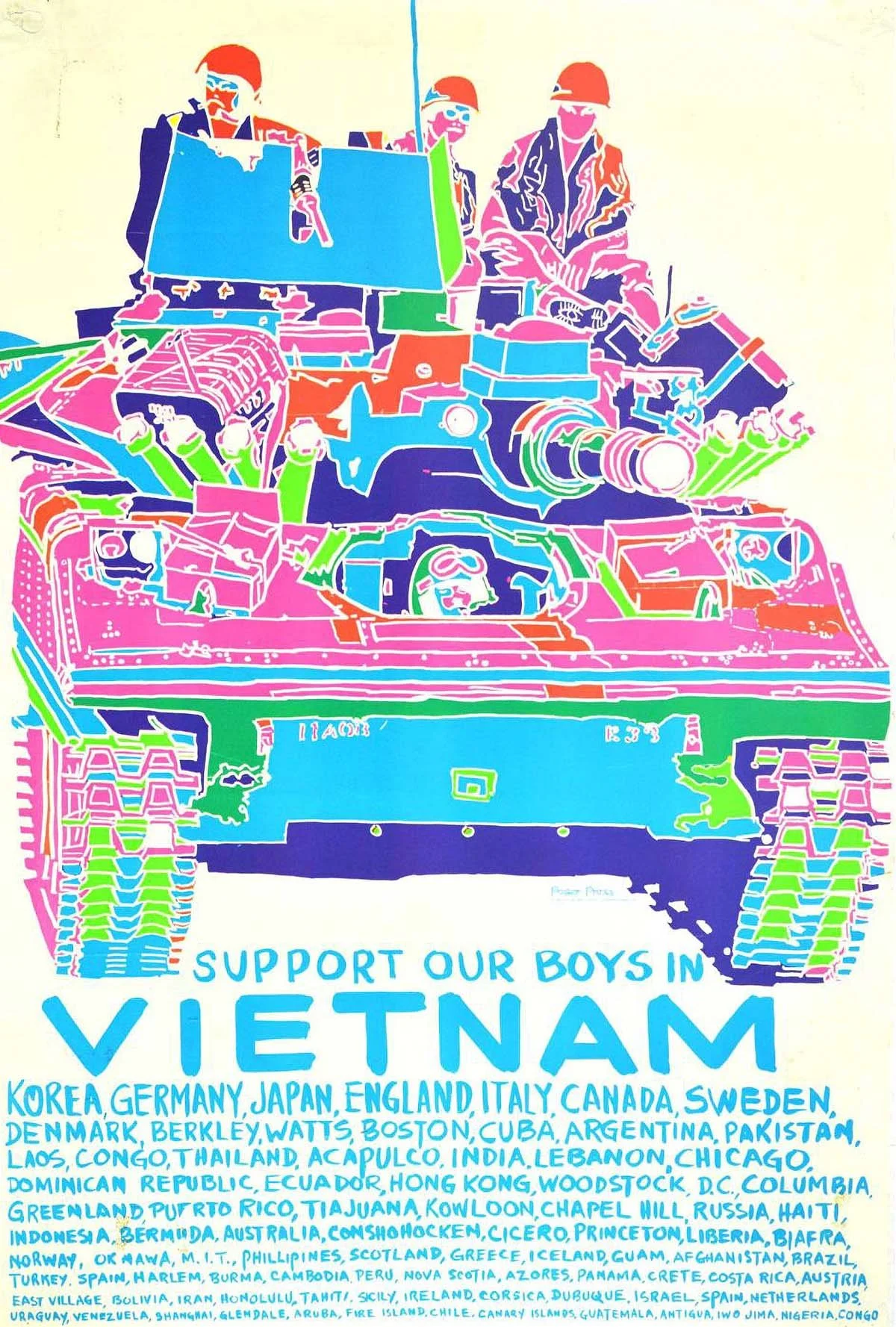
       Vintage war poster from      Antikbar Art
    Vintage war poster from Antikbar Art

    Ketamine’s actually been used as an antidepressant for many years, even in the NHS.

    With D-list celebrities queuing up for ketamine, it’s even easier to write it off as a D-list consciousness expander. But that’d be both distastefully othering and ignorant of ketamine’s rich heritage.

    Ketamine’s disinhibiting dissociative ‘emergent states’ comparable to psychedelic visions were noticed during its use as a battlefield anaesthetic in the Vietnam War. As were similar visions caused by its predecessor PCP AKA angel dust. The effects were studied in humans back in 1964.

    Loads more scientific double-blind investigations have been conducted into ketamine compared to proper psychedelics. Ketamine could work even better when combined with a designer drug in the same family, cycloserine, used to treat tuberculosis and kidney disease. 

    But ketamine’s authentic heritage treating mental health issues, plus its clarifying insights, aren’t all that’s worth bearing in mind before cocking any more snoops at the ketamine crew. 21st century neuroscience – and mycology – have dug up some astounding K-facts that endorse its use as a bio-psychological healing too.

    According to the superb Psychedelic Science Review, ketamine causes and mediates release of neurotransmitters in a ‘glutamate surge’ that essentially causes neuroplasticity.

    Ketamine could be “the most neuroplastic drug” as a psychiatrist commented in the Q&A after ketamine therapist Veronika Gold’s Vital lecture. Market anti-depressants only prompt limited aspects of this cascading process known as ‘brain derived neurotropic factor’ which isn’t dissimilar to the effects derived from healthy actives like cardio-vascular exercise. Un-mediated glutamate causes auto-immune and neurodegenerative diseases like ADHD, Parkinson’s and a raft of other conditions that psychedelics are associated with treating. Proper psychedelics are thought to do something similar but haven’t been lab-tested nearly as much as ketamine, so scientists can’t say for sure.

  • Inner space of safety

    Inner space of safety

      Medical
    Medical

    MDMA boasts striking therapeutic properties beyond increased connection

        Chemical X     , ‘Spectrum’
    Chemical X , ‘Spectrum’

    “I believe MDMA is the ideal drug for psychotherapy,” says non-nonsense Awakn founder and trauma expert Dr Ben Sessa.

    The exciting bits are MDMA triggers a ‘oxytocin-dependent reopening’ of a ‘social reward learning critical period’. It puts your brain in the state of early childhood and adolescence, when it establishes key neural pathways. The hypothesis is that dysfunctional thought patterns can be adjusted in this state.

    MDMA increases pre-frontal cortex activity like an ADHD stimulant, lowers activity in the amygdala ‘fear centre’ deep in the reptile brain, and is notable for its relationship to both dopamine and serotonin. It creates an ‘optimal level of arousal’ that is neither too little nor too much for the brain to process its thoughts and instincts. 

    Added neuroplasticity helps memories reconsolidate so patients feel safer in safe settings, for example. MDMA scored strongly on PTSD patients with dissociative symptoms who often prove the toughest to treat. Trial data was consistent across the five test sites spread globally. 

    Ecstasy was first named ‘Adam’ then ‘Empathy’

    Trial subjects previously suffered severe symptoms that had resisted regular therapeutic treatment for many years.

    ‘MDMA was invented for shellshocked soldiers’ is a trope I may be guilty of falling for. It wasn’t an appetite suppressant either when patented by Merck in 1914. Forensic research into the German pharmaceutical firm suggests a humbler origins for the love drug as merely a stepping-stone towards developing an alternative to hydrastinine, used to prevent internal bleeding particularly in the uterus.

    The military nonetheless had it knocking around for whatever reason in the 1950s around the first time scientists tested MDMA on humans and recorded the results. These soon reached the keen ears of Alexander Shulgin, who says he first synthesised it in 1965. It was originally named ‘Adam’, and also ‘Empathy’. 

    Patients during MDMA-AT are given 125mg of what the subculture renamed ‘ecstasy’ with up to 75mg of booster. Apocryphally, a friend who took part in an Imperial MDMA trial said it was hella strong.

  • Results Based

    Results Based

      Medical
    Medical

    Does psilocybin therapy work, or not?

       Kirsten Liu Wong,      ‘How Fast the Shadows Fall’
    Kirsten Liu Wong, ‘How Fast the Shadows Fall’

    Does psilocybin therapy soothe depression? The short answer is yes.

    But don’t go getting all ‘salvation fantasy’ on me now.

    Kick ass John Hopkins studies out earlier in 2022 claimed more than half of test subjects suffering from major depressive disorder were in remission (statistically cured) after treatment and a year later, after eight hours of prep (with Bill Richards, mind) and two doses, with five follow-up appointments. Which is… mind-blowing.

    Imperial’s comparison to SSRI escitalopram ‘PsiloDep 2’ ran into some IRL type stuff when the scale it used turned out to give mediocre – well, equal – results. Other scales fared far better. But symptoms returned within three to six months. Is it fair to say that “the miracle cure thing ain’t gonna stick” as Rick ‘The Strass’ Strassman laid down in his own Vital lecture? 

    “Some will want longer term therapy, to understand or change things in a way that others may not”

    Several patients went back to SSRIs. “For some people, psilocybin was very powerful,” says Vital lecturer Ashleigh Murphy-Beiner, who acted as a guide on the trials, “They’re quite okay with saying ‘that’s enough for now’. Others lived with the symptoms of depression in a new way, probably the majority, actually, did. The psilocybin brought relief.”

    NYU trial subject Court Wing defended PsiloDep 2 on Psychedelics Today, saying he “received incredible benefits – my depression of five years went completely into remission and has remained there.”

    Depression is one of humanity’s worst problems, barely understood. It’s a bit consumerist of us to think somebody’s suddenly sorted it, in such a romantic fashion. For now we can only defer to the inner healer, wish godspeed to the guides, researchers, and patients, then get our Forest Passage on.

    “The longer term option will be costly”

    From the sharp end, Ashleigh says: “I hope all options are available to people, to work very differently with the experiences that they’ve had in life. Some will want longer term therapy and really get to the roots, understand or change things in a way that others people may not.

    A shorter treatment or less intensive psilocybin therapy might be sufficient for them. I’m worried that the longer term option will only be available privately [not via the UK National Health Service], because it will be costly of treatment. And I’d really like the longer term treatment to be available at an affordable cost.”

    Thought leaders like Dr Ros evoke 12-step-esque community circles. But, Ashleigh observes, “There’ll be a push to making shorter term treatments like we have in traditional talking therapies already now, because of budgets, and funding. The people that want to resolve aspects of their mental health experiences are disadvantaged by that.”

  • Unconditionally loving cuddles: Yes or No?

    Unconditionally loving cuddles: Yes or No?

      Medical
    Medical

    What if the patient would benefit from a clasp of the shoulder or supportive hug? Easy tiger…

        Ravers in east London
    Ravers in east London

    Don’t put it past anyone’s shadow self not to get off with a pilled-up patient.

    That’s the message from therapy ethics expert, transpersonal psychologist and addiction counsellor Kylea Taylor.

    I’d hate to wipe any glamorous, lifestyle magazine-sheen from the Vital Student Zine. Yet seeing as this is ‘The Ethics Issue’ of Unofficial Vital Student ‘Zine it’d be remiss of me not to mention the sordid revelations to have swept the psychedelic space of late. 

    First fell Francoise Borat, the French figure fancied by many more than myself. Women like Maria Papasyrou, Adele LaFrance, Celia Morgan and Reanne Crane are tackling the least agreeable and most necessary areas of the psychedelic renaissance right now, and Borat pioneered that. Investigations showed she lived up to her femme fatale archetype.

    The scandal also exposed the wellbeing industry’s appalling lack of oversight, from passing your email address on to cat charities to… not actually removing famous people from your public register after you’d struck them from the official register for shagging clients. The stink was mostly coming from Bourzat’s hubby Aharon Grossbard in the form of detailed and sustained allegations by counsellor, campaigner and award-winning blogger Will Hall.

    “Have a safe word. Even if it’s just: Stop”

    Next, just when you were thinking some boomers may be OK, MAPS therapist dyad Richard Yensen and Donna Dryer blotted the saintly org’s copybook during landmark 2015 trails. It’s worth watching the CCTV. Trial subject Meaghan Buisson, a PTSD sufferer who took the edge off her condition with a career in the tough sport of inline speed skating, then moved near the couple as her only option to continue treatment. Yensen and her slept together during the period.

    In 2022, welcome to a world of headlines like A psychedelic therapist allegedly took millions from a Holocaust survivor, highlighting worries about elders taking hallucinogens. Campaigning website Psymposia which produced the Power Trip podcast with New York Magazine that brought many of these stories to a wider audience, does a sterling if militant job of sniffing out stuff like this.

    Thing is, some patients really would like a hug during MDMA therapy. Recreational users might sympathise. Written and thoroughly discussed pre-agreements are the done thing, says Taylor. 

    “Have the safe word, even if it’s just ‘stop’, and tell the patient, ‘Remember you can say stop’ even when you’re merely putting a blanket over them,” advises Taylor, “a lot of people are recommending a dual consent process involving a written agreement on touch, that is sacred and not changed in the middle of the session.” 

    The subject should be fully felt through: “Explain the reasons why they might want it, and might not want it, and that if they say no now, they won’t get touched in the session,” says Taylor. California bioenergetics bodywork teachers have legal license to handle clients when required. 

    Strictly unconditionally loving cuddles can be a productive part of emotional breakthrough, release and recovery, say many therapists.

    “A third agreement is ‘If you do ask me to touch you in the session, I will’,” suggests Taylor, “If they do want that, then watch out for obvious gestures suggesting they might require physical comforting. If their body language suggests it, then you might – for example – touch the back of their hand, and read their reaction.”

    It’s a jungle out there and not all accusations, unfortunately, carry complete legitimacy. Professionals in an area as unpredictable as psychology, let alone shamanism, expect accusation of some sort eventually according to Vital students in the field. Soccer players in the UK are advised to simply stay away from any form of ‘nightlife’ as it’s known in sporting circles, and most now do.

  • The New Bethlehem. Not like the Old Bedlam

    The New Bethlehem. Not like the Old Bedlam

      Medical
    Medical

    The UK NHS, Compass Pathways and King’s College promise a ‘beacon for mental health treatment’ in South London

       South London architecture collective      Resolve
    South London architecture collective Resolve

    Compass Pathways are partnering with the UK’s National Health Service and King’s College London – at the once-notorious ‘Bedlam’ asylum in London.

    Plants to treat over 650 NHS patients with Compass’ Comp360 psilocybin-based treatment plan include a new facility amongst 200-acre woodland.

    Mired in scandal back in the 1700s for making a tourist attraction of inmates St Mary Bethlehem Hospital has actually moved site at least once and is now in un-psychedelic Croydon. It’s run by South London and Maudsley NHS Foundation Trust (SLaM), the largest mental health trust in the UK National Health Service (NHS). Research will be conducted by the Institute of Psychiatry, Psychology at Neuroscience (IoPPN) at King’s, which was founded in the 12th Century and has partnered with Compass since 2007.

    It’s the first of its kind for the UK state healthcare system that’s under siege from the demographic time bomb and mental health epidemic. 

    “It will be a centre of excellence for new therapies that don’t always involve psychedelic drugs but also the key therapy that goes along with it” says Professor Allan Young from IoPPN.

    “The focus is on people who use mental health services day to day, developing effective new medicine for patients with depression, anxiety, addiction and other mental health issues,” says NHS exec David Bradley.

    No news yet on who will be designing this New Esalen but South London’s Resolve must be high on the shortlist. 

    London-based Compass has come out swinging in 2022, taking on autism alongside the NHS with its, er PSILAUT program and fighting off off a challenge to Comp360 by Freedom to Operate, whose founding legal eagle Carey Turnbull said, “We are confident that the PTAB’s extremely narrow interpretation of Compass’s patent claims will provide generic manufacturers of psilocybin with wide latitude to produce and commercialise psilocybin without risk of violating the Compass patents.” So everybody’s happy… for now.