Category: Introduction

  • The Jung Ones

    The Jung Ones

    My unofficial Vital Study Zine #19 with observations from Vital Psychedelic Training and recent happenings in the space.

    This issue: Carl Jung and the shadow side of psychedelia with Drs Ido Cohen and Gita Vaid, plus The Temple of Light and more

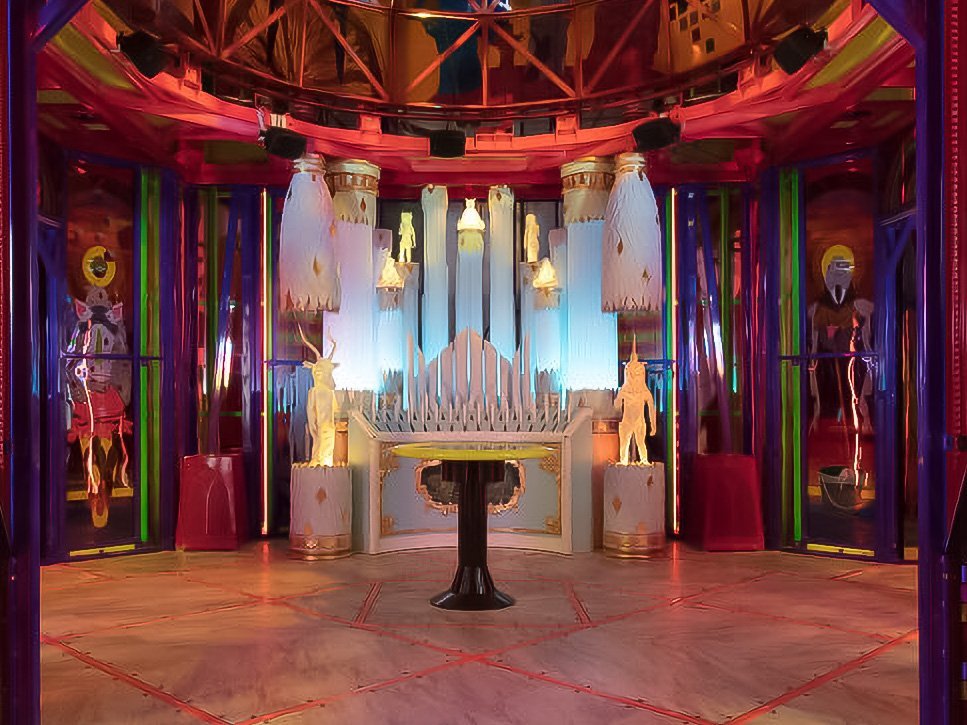
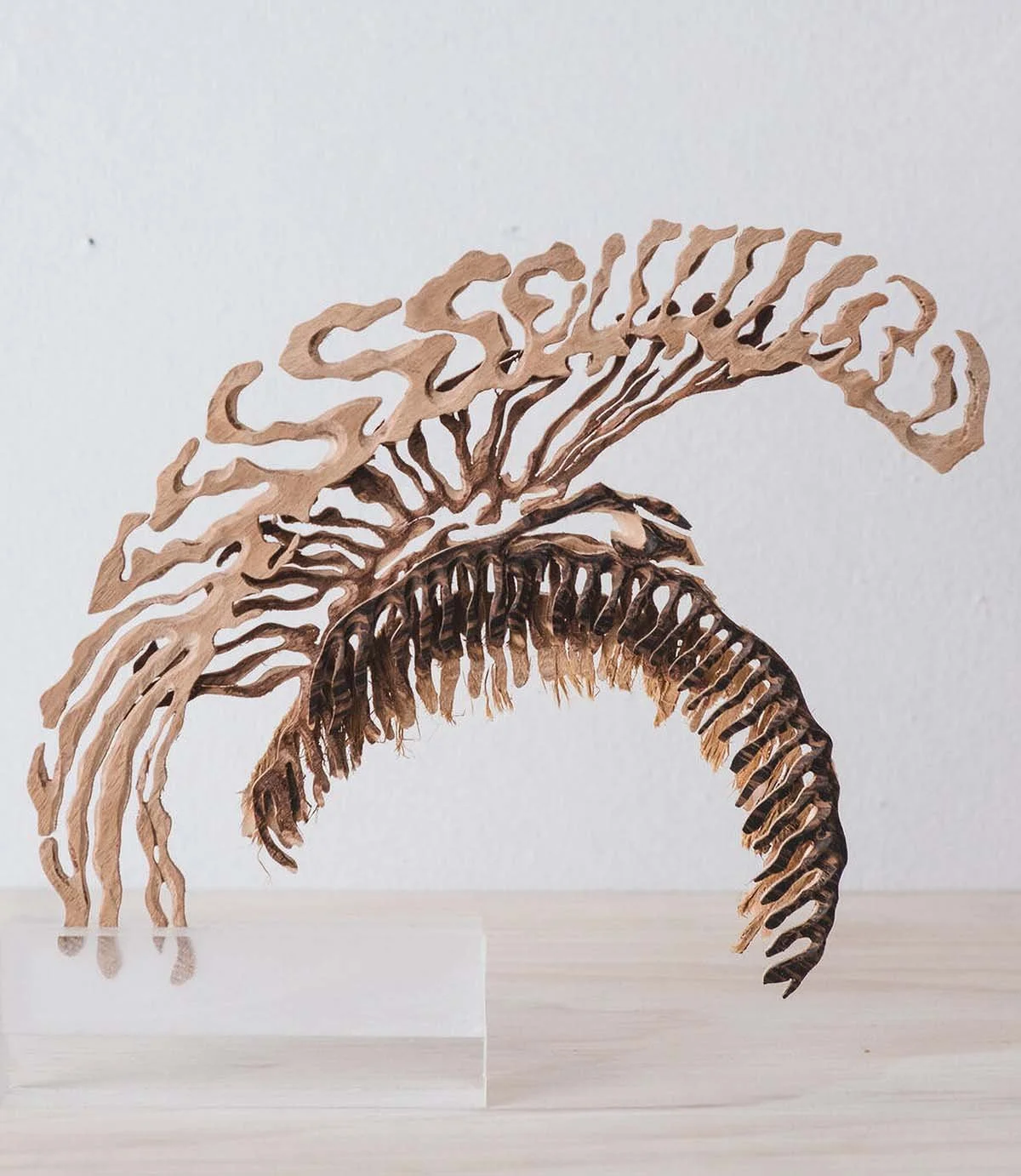
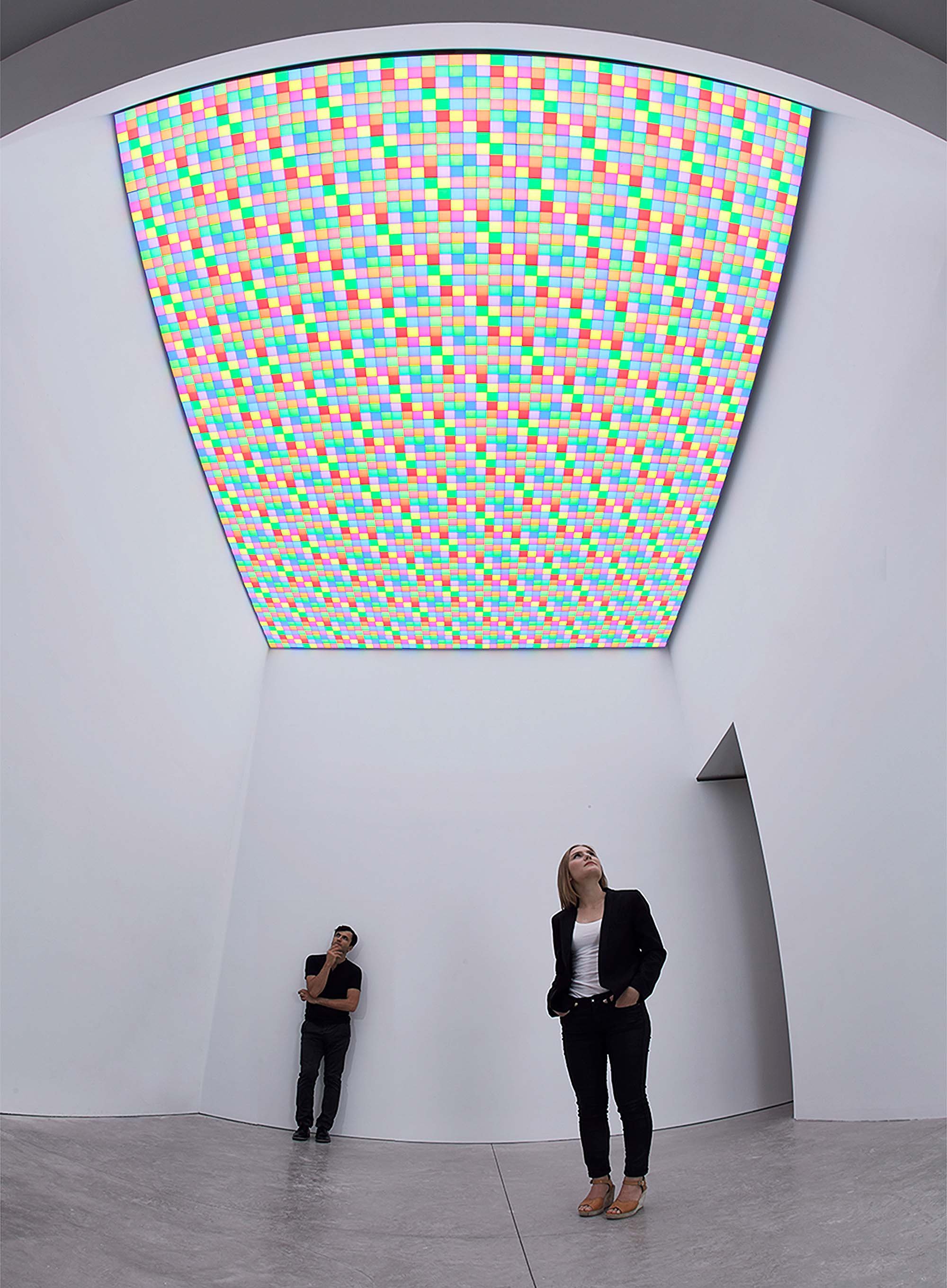
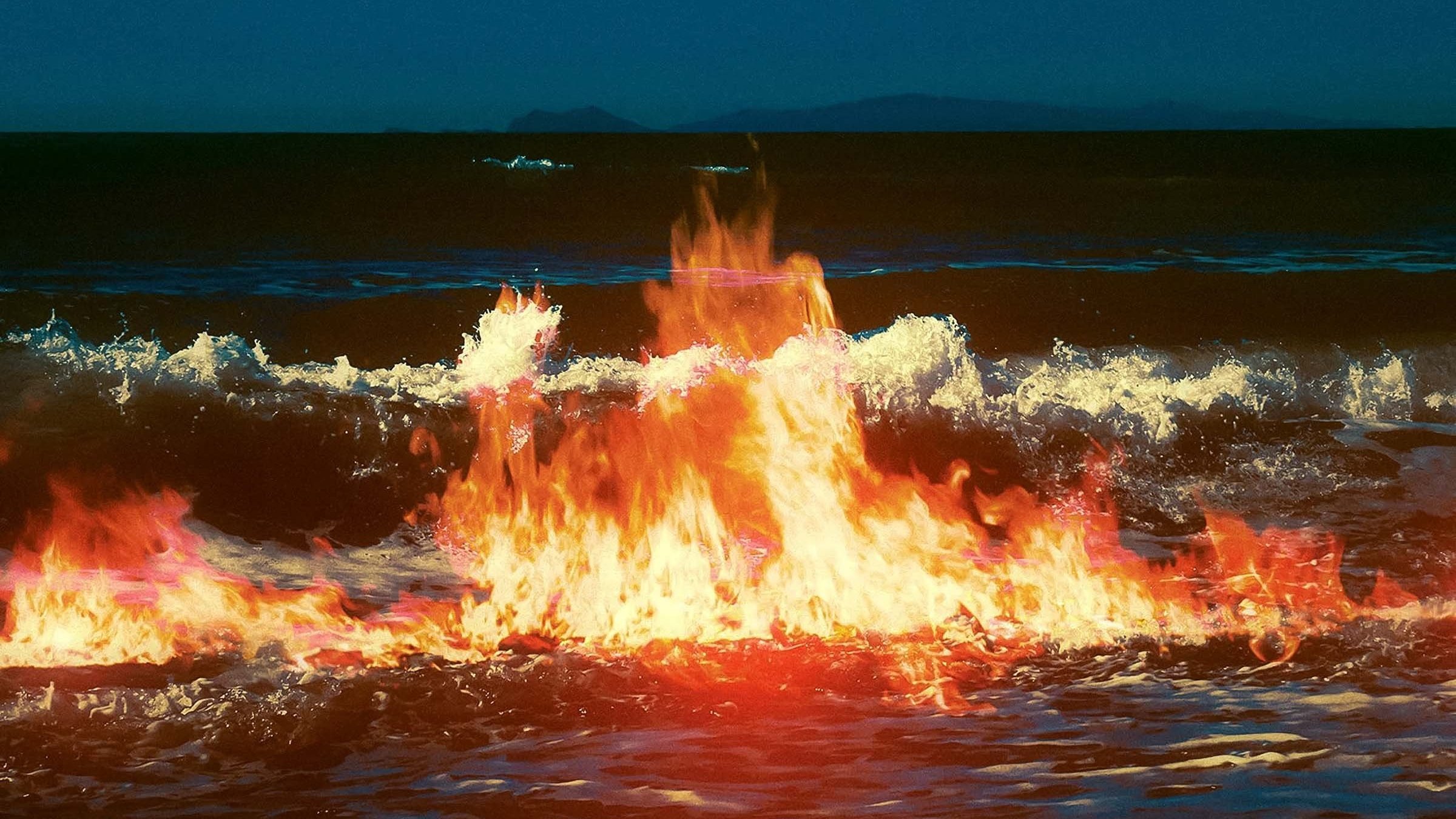
        From ‘Novae’ by      Lab212 Collective      at      Wavelength     :    A Momentary Spring at Beijing Times Art Museum    till 1 July
    From ‘Novae’ by Lab212 Collective at Wavelength : A Momentary Spring at Beijing Times Art Museum till 1 July

    ‘Jung’s work reminds us that our psyches are endlessly complex systems with unfathomable capabilities for healing and growth.’

    Not my own prescient words, but those of my esteemed Vital Psychedelic Training course tutor Johanna Hilla in Philosophy and Psychedelics. The seminal compilation is now available in paperback out of Exeter University, Albion. That’s where Johanna, a pioneering expert in applying Carl Jung’s psychology to psychedelic use, is based. ‘Jung’s contribution may prove essential for realising a comprehensive psychology of altered states,’ she concludes in her essay Journeying into the Realm of the Unconscious.

    Jung famously rejected Sigmund Freud’s focus on childhood, sexuality and biological functions. Legend has it that during a long ocean voyage spent together, the spritely Jung implied Freud’s lack of sexual experience might contribute to the significance he attached to it.

    Freud shall we say was triggered. Jung spiralled into a spiritual crisis, his mind blown by the realisation Freud was not only sexually repressed himself, but possibly projecting it all over human history. The son of a priest and a medium, his confusion manifested in lavish, intense visions including an especially poignant prophecy of the First World War in October 1913. From Jung’s 1962 autobiography Memories, Dreams, Reflections:

    ‘I saw the mighty yellow waves, the floating rubble of civilization, and the drowned bodies of uncounted thousands,’ he wrote in his memoirs, ‘Then the whole sea turned to blood. This vision last about one hour. I was perplexed and nauseated, and ashamed of my weakness. Two weeks passed; then the vision recurred, under the same conditions, even more vividly than before, and the blood was more emphasized.’

    Jung did what any of us would: he comissioned a large red leather bound scrapbook, built a massive extension on his crazy villa by Lake Zurich and retired there ‘in solitude’ AKA alongside his polyamorous coterie of society beauties, to write canonical books – and paint a unique illuminated manuscript exploring his own psyche.

    The son of a priest and a medium favoured stuff that – a century later – would turn out to be highly appealing to us voyaging-through-the-netherworlds types. 

    Arguably, the writing was on the wall when Jung wrote the introduction to the first-ever 1935 German edition of The Tibetan Book of the Dead, which Timothy Leary and Richard ‘Ram Dass’ Alpert would present as an LSD road manual in the 60s. His med school dissertation was written On the Psychology and Pathology of So-Called Occult Phenomena.

    Jung channeled the imagination to illustrate our purpose, and the route to homeostasis. He empirically examined the use of classical tools like religious texts, alchemical practices, and dream states to understand human psychology. He believed historic methods employed a metaphysical vocabulary richer than words alone. 

    The mental health crisis is a result of these more elegant methods of understanding falling into neglect, Jung decalred. Muddied are our personal blueprints for fulfilment: ‘The will can control our impulses only in part. It may be able to suppress them, but it cannot alter their nature,’ he wrote in 1951’s Aion: Researches into the Phenomenology of the Self, ‘And what is suppressed comes up in another place, in another form, but this time loaded with a resentment that makes the otherwise harmless natural impulse our enemy.’

    This issue goes Carl Jung bananas: with special guests my aforementioned teach Ms Johanna Saponnen, modern-day magus Dr Ido Cohen, and many more psychedelic thinkers who tell stories with punchlines like “You must respect the circle of life to drink ayahuasca” and “Shouldn’t we be coming up with something better than ‘just trust the inner healer’?”

    In this archetypal collector’s issue:

  • Integration: planning and meaning making with Kyle Buller

    Integration: planning and meaning making with Kyle Buller

    My unofficial Vital Study Zine #18 with observations from Vital Psychedelic Training and recent happenings in the space

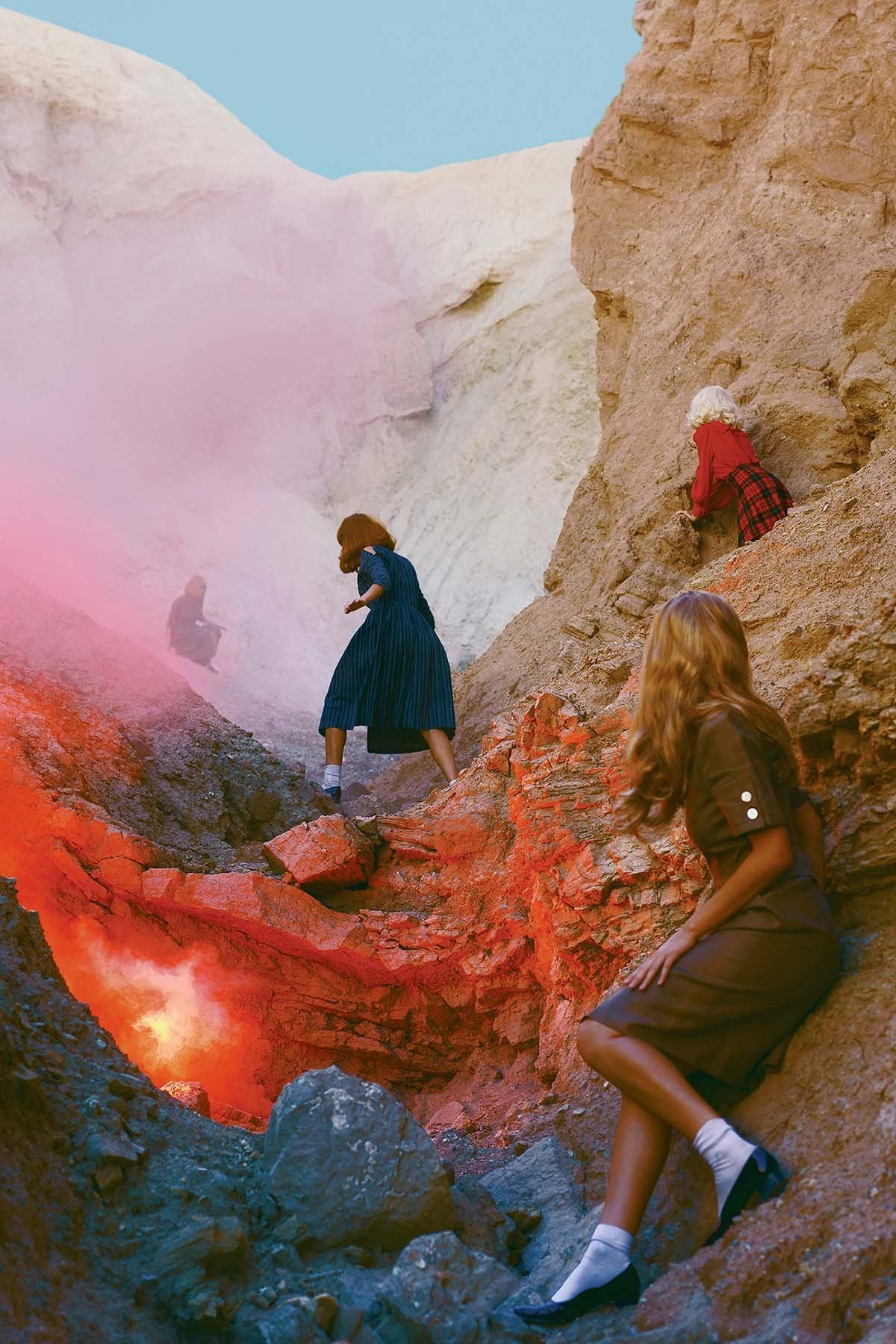
        From Transcendent Country of the Mind by Sari Soninen published by      The Eriskay Collection
    From Transcendent Country of the Mind by Sari Soninen published by The Eriskay Collection

    ‘Integration is something that the psychedelic space talks about a lot, without ever going into detail about what it is.’

    Thjat’s according to Jungian psychoanalyst Scott J Hill in his seminal work, Confrontation with the Unconscious: Jungian Depth Psychology and Psychedelic Experience. (On which topic, much more later down the line).

    And it’s fair to say that early integration programs were pretty toss: some progressive psychotherapy here, some wellbeing basics there, plus some toned-down underground and/or Groffian tactics drip-fed to the receptive.

    To be fair, rectifying the psychedelic experience and life in post-industrial society is hard enough as it is. Helping a vulnerable individual to navigate it while reamaining within the bounds of a socially acceptable therapeutic practice arguably more so.

    Nonethless, unprepared clinical trial psychologiosts and wellbeing hustlers in plausible knitwear alike mostly ended up fruitlessly recommending meditation apps to mind-blown metropoles, after they’d seen ayahuasca on Netflix and naively presumed it’d be like that immersive Salvador Dali show

    “No dramatic life changes within the first fortnight”

    Psychedelic integration therapy was showing the whole space up, frankly.

    So fair play to Vital Psychedelic Training headmaster and consciousness thought leader Kyle Buller. He took time to assemble a worthwhile integration manual while interning at MAPS, and presented on the topic to begin Module Five of Vital’s year-long psychedelic training programme. 

    Even for total edgelords, actual integration is not to be sniffed at. Because it concerns the subject of… making your trip go on forever.

    Sort of. The golden you who blossoms under the medicine can be ‘integrated’ to a certain extent. 

    Using techniques like Jungian depth analysis, those seemingly fantastical visions can be understood as unconscious guidance; in a similar manner to dreams. This is good news for those of us who receive a sensation along the lines of ‘Why are you worrying about that? Think about this,’ when we run our carefully prepared list of neuroses – ‘intentions’ – past the medicine.

    Likewise, going for a walk in the woods while listening to John Hopkins does help one not feel so shitty to be back in reality. Troopers like Dr Sam Gandy (coming up later in the integration module) have got stats on the benefits of setting trippers free into nature. Which is the one thing us recreational yobs could’ve told you about integration. (Back the outlaw days we made do with a KLF CD, David Lynch’s version of Dune and lashings of soap bar.)

    Guess what also helps with your psychedleic integration? Meditation, which, long story short, aids effective neuroplasticity, clarity and homeostasis.

    It’s all in this laudable round-up paper from Geoff J. Bathje  out of Chicago’s Adler University, Psychedelic integration: An analysis of the concept and its practice.

    And here’s my edit of Top Integration Tips from the week’s barrage of alternative self-improvement intel. And remember everyone – “No dramatic life changes within the first fortnight following the experience,” says Kyle, “…preferably longer.”

    These five items I pulled from the week’s research are themed along Vital’s natural element-themed structure. Air provides an overview of psychedelic use, Fire concerns therapeutic applications, Water covers ‘space holding’ – the art of keeping it together, Earth is where you’ll find medical matters, and Ether discusses integration, the process of bringing psychedelic power into regular life.

  • Clinical skills for psyhchedelic therapy with Dr Adele Lafrance

    Clinical skills for psyhchedelic therapy with Dr Adele Lafrance

    My unofficial Vital Study Zine #17 with observations from Vital Psychedelic Training and recent happenings in the space

        From Highlights of the Convergence, a new immersive exhibition for the visually impaired, open now at      Meow Wolf     , Denver, Colorado
    From Highlights of the Convergence, a new immersive exhibition for the visually impaired, open now at Meow Wolf , Denver, Colorado

    “I want to be a steward for reality,” declares clinical psychologist Dr Adele La France.

    The effervescent Dr La France is famously ‘based’.

    She cracks off her talk to Vital students about the practicalities – the reality if you will – of psychedelic therapy by explaining how she was generally anti-psychedelic drugs, until she experienced them in a medical context.

    Her clinician’s manner is a masterclass in marrying authority, whimsy and vision. She’s the co-creator of Emotion Focussed Family Therapy; her clinical manual on it is published by the notoriously hard-to-please American Psychological Association. Dr Lafrance’s new book What to Say to Kids When Nothing Seems to Work: A Practical Guide for Parents and Caregivers is out now at a family-friendly price.

    While toiling at the sharp end of mental health, she’s spoken convincingly (and warmly) about topical issues like taking ayahuasca to heal eating disorders on Emmy Award-winning daytime TV show The Doctors, and video game addiction on CBS. She’s currently working as clinical investigator and strategy lead at MAPS’ study of MDMA-assisted psychotherapy for eating disorders, and as clinical support on Imperial College London’s study for psilocybin and anorexia nervosa.

    Maybe because Dr Lafrance has actually been conducting psychedelic therapy while the rest of us are debating its finer points, the softly-outspoken clinician has junked some of the practice’s outdated rhetoric.

    “Oftentimes they’ll be rewarded with amazing insights in the bathroom”

    Like its reluctance to let voyagers take a pee, lest a break for ‘voiding’ stops them from ‘surrendering to the medicine’. “If they’re doing work that feels really meaningful, clients may get conflicted about going to the bathroom. But my stance is that the meeting of physiological needs is the most important,” she says, “After all, Abram Maslow’s Hierarchy of Needs would say insights are great, but engaging consistently in meeting physical needs is fundamental.”

    According to Dr Lafrance there are all sorts of other advantages to be discovered when trippers stumble to the lavatory.

    “Oftentimes they’ll be rewarded with amazing insights in the bathroom,” she says, and it’s true ablutions are managed by the right brain, hence Pythagoras’ eureka-in-the-bath moment.

    Things clicked for Dr Lafrance – “Adele, please” she urges Vital students – in a ‘patient experience’ she had a while taking part in an MDMA safety trial. 

         Dr Adele La France
    Dr Adele La France

    “It happened to me when I was part of an MDMA study for health controls,” she confesses, “I went to the bathroom to pee. But I was working on something, and I couldn’t wait to finish it up and get back. So I was pee-ing in a pressured way… I can’t believe I’m sharing this… anyways… I realised, for fuck’s sake’s – I couldn’t even pee in peace. I’m so focussed on productivity and getting things done, that I can’t even pee at a rate that is organic! That revelation was life-changing. Now I never want to multi-task ever again. It’s self injury!”

    It is indeed. But there’s even more to a mindful tinkle than flushing out the pipes, psychic or otherwise. 

    “If we all heal the split between our mind and our body, not only are we more attuned to when we need to void or eat, we’re more attuned to our instincts,” advises the working psychedelic clinician, “and reconnecting with their instincts the greatest gift we can give our clients.” 

    Homeostasis for everyone. And, risk of multi-tasking aside, Adele has further intentions: she’s grown psychedelic therapy into a fresh model, ‘theoretically informed’ psychedelic therapy, incorporating her angle of emotion processing.

    “A sign of emotional maturity is the capacity to hold anger and love at the same time”

    She’ll apparently be presenting this next year in 2023, and gave the Vital cohort a sneak peek.

    “I am committed to reality,” she reminds us, “meaning, actively letting go of blame narratives and fantasy as a tool for human relationships. A sign of emotional maturity is the capacity to hold anger and love at the same time, reckoning with the complexity of human relationships.”

    Watch Adele talking to Gabor Maté on behalf of Chacruna and more including her talks for MAPS on my New Psychonaut YouTube lecture library type thing.

    Here’s what’s in this week’s issue of your frank but friendly Vital Student Zine, themed along Vital Psychedelic Training’s core pillars of study. Air provides an overview of psychedelic use, Fire concerns therapeutic applications, Water covers ‘space holding’ – the art of keeping it together, Earth is where you’ll find medical matters, and Ether discusses integration, the process of bringing psychedelic power into regular life.

  • Substances and mechanisms with Dr Charles Nichols

    Substances and mechanisms with Dr Charles Nichols

    My unofficial Vital Study Zine #16 with observations from Vital Psychedelic Training and recent happenings in the space

          Pamela Simard     , ‘BDL’
    Pamela Simard , ‘BDL’

    Dr Charles Nichols – son of canonical chemist Dr David Nichols – puts forward a single very good reason for extracting the profound components from psychedelics.

    “These drugs are taking so long to develop because the FDA wants much more rigorous testing,” he informs us from the front line of medical authorisation.

    One particular medicine on his to-do list Charles found by isolating the properties of mescaline, synthesised from the peyote cactus.

    Turns out psychedelics interact with cells in the soft muscle tissue around the heart, as well as the brain. He’s already registered a patent.

    While LSD for example “isn’t a very strong anti-inflammatory” Charles says, mescaline has an “extremely potent” effect on inflammatory-based issues like, for example, breathing condition asthma.

    The discovery could have major implications for psychedelic healing of previously unconsidered issues. Not just physical struggles like asthma but also schizophrenia, Parkinson’s and Alzheimer’s which are all connected with inflammation.

    “So much has to do with inflammation and the over-active immune system right now,” says Charles, pharmacology professor at LSU Health Sciences in New Orleans with a background at Purdue and Vanderbilt universities.

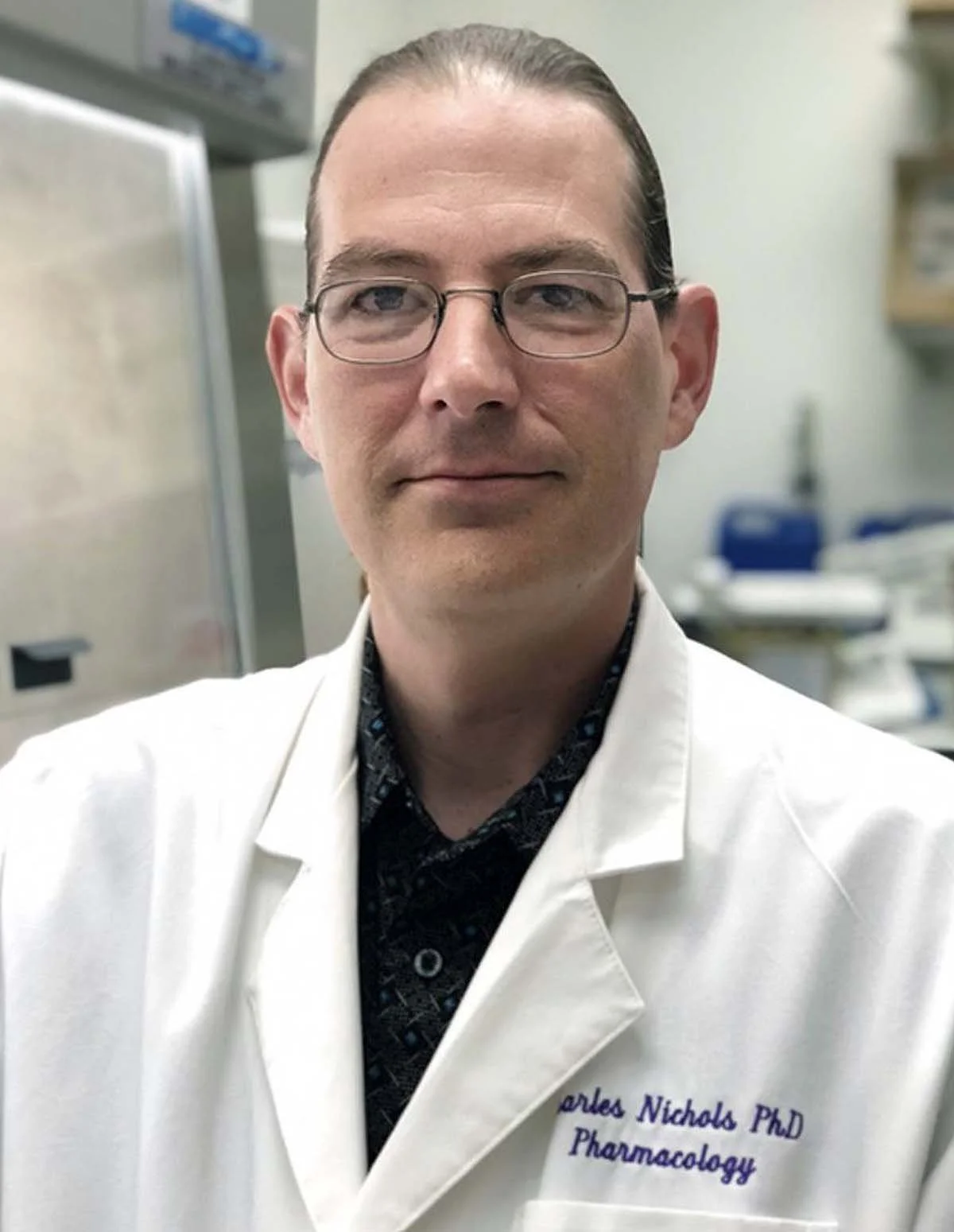
        Charles on the      job     . Embroidered lab coats FTW
    Charles on the job . Embroidered lab coats FTW

    ‘Inflammation’ is shorthand here for ‘chronic inflammation’. Oxidants produced in the aftermath of a stress hormone spike for example, linger around and screw stuff up over time.

    “I never intended to follow my father into psychedelics actually”

    It’s a cause of cancer, psoriasis, arthritis, asthma, allergies, Chron’s Disease, hepatitis, neurodegenerative diseases like Parkinson’s, and more. In younger folks chronic inflammation is mostly caused by stress, bad diets and poor sleep.

    The chemical aspect in question has nothing to do with the ‘psychedelic’ properties of mescaline. It has the same anti-asthmatic effect on its own sans tripping when tested on Charles’ elite lab rats bred for psychometric testing.

    The intrepid rodents tested it out against 25 other designer psychedelics from the drug cupboard Charles inherited from his father David: the pharmacologist who synthesised DMT for Rick Strassman, MDMA for MAPS and psilocybin for PsiloDep 2.

    “I never intended to follow my father into psychedelics actually,” says Charles coyly when I ask in the Q&A if he’d ever noticed the hand of fate guiding his work – like it did when Albert Hoffman felt compelled to re-examine the LSD that’d sat on his shelf un-investigated for seven years.

    Charles tried to evade his cosmic destiny in vain. Two separate freaky coincidences nudged him towards a career in consciousness expansion.

    The eventual pharmacologist initially studied genetics. Even now Charles’ ‘animal models’, creatures bred for testing purposes, are much envied in scientific circles.

    Exhausted by the minutiae of fruit fly genetics after finishing a Phd, the younger Charles was restless for change. Twirling absent-mindedly on his lab stool wondering how to enter the world of employment, Charles spied a promo ad for a new book from Vanderbilt University scientist Elaine Sanders-Bush, who he’d heard his father mention.

    He called up and asked about assistant roles.

    “It turned out the job involved studying the effects of LSD on mouse and rat brains,” says Charles, “it was one of only a handful of labs doing so at the time. They’d run out of budget for now and couldn’t hire anyone. But a few months later Elaine called and asked if I was interested.”

    Charles met Sanders and showed her his resumé featuring his education at Perdue University. “Elaine said she knew a Dr David Nichols there, at which point I had to tell her,” confesses Charles.

    “Eventually we might isolate the qualities of peak experience, ego dissolution and breaking stuck thinking”

    The next turning point came as Charles was working at New Orleans University in the chaotic aftermath of Hurricane Katrina. Struggling to find researchers he took a chance on a visiting Chinese scientist who needed facilities. By 2013 Charles and collaborator Bangning Yu had isolated the effects of mescaline-derived DOI on inhibiting tumour necrosis factor (TNF)-a mediated inflammation, which is associated with asthma, Parkinson’s Disease and many more conditions not previously part of psychedelic research.

    ‘Our data suggests,’ reads the modest blurb, ‘that sub-behavioural levels of certain psychedelics represents a new, steroid-sparing, small molecule strategy for the treatment of peripheral inflammatory related diseases.’

    Targeting diseases on the fringe of psychedelic potential is not where Charles’ quietly vast ambition ends, though.

    The basic neuro-scientific explanation of how psychedelics do their thing is the chemicals interact with receptors in the body’s cells. In particular ones given the code ‘5-HT2a’ usually given over to the neurotransmitter serotonin.

    LSD contains serotonin in its chemical make-up. It latches on to receptors; hence the lengthy trip. Serotonin certainly isn’t simply ‘the happiness chemical’. It’s related to memory, learning, imagination, sexual arousal, appetite, anxiety and ‘diseases with complex etiologies.’

    “Pressing different 5-HT2a receptors, and others, creates the various effects,” says Charles. Identifying medical properties could be just the beginning, he insists: “Eventually we might isolate the qualities of peak experience, ego dissolution and breaking stuck thinking.”

    That’s not all. A new testing system Charles has designed examines the long terms effects of a single dose, identifying ‘persistent normalisation of stress-induced hippocampal dysfunction relevant to depression and other psychiatric conditions’

    Find out more about Charles’ astonishing findings and their implications in this issue’s contents just below. You can also see Charles present his findings here, talk about inflammation and more with Mind and Matter here, and his thoughts on psychedelics and genetics plus more over on the New Psychonaut YouTube lecture channel. Follow Charles on Twitter at @lab_nichols.

    If you want to go deep on neuroscience may I recommend Tokyo-based, Cambridge-educated neuroscientist Dr Andrew Gallimore’s extensive guide.

    Here’s what’s in this week’s issue of your multi-syllabic Vital Student Zine, themed along Vital Psychedelic Training’s core pillars of study:

    These five items I pulled from the week’s research are themed along Vital’s natural element-themed structure. Air provides an overview of psychedelic use, Fire concerns therapeutic applications, Water covers ‘space holding’ – the art of keeping it together, Earth is where you’ll find medical matters, and Ether discusses integration, the process of bringing psychedelic power into regular life. Click straight through to your pet subject.

  • Medical Anthropology and Psychedelics with Dr Luis Eduardo Luna

    Medical Anthropology and Psychedelics with Dr Luis Eduardo Luna

    My unofficial Vital Study Zine #15 with observations from Vital Psychedelic Training and recent happenings in the space

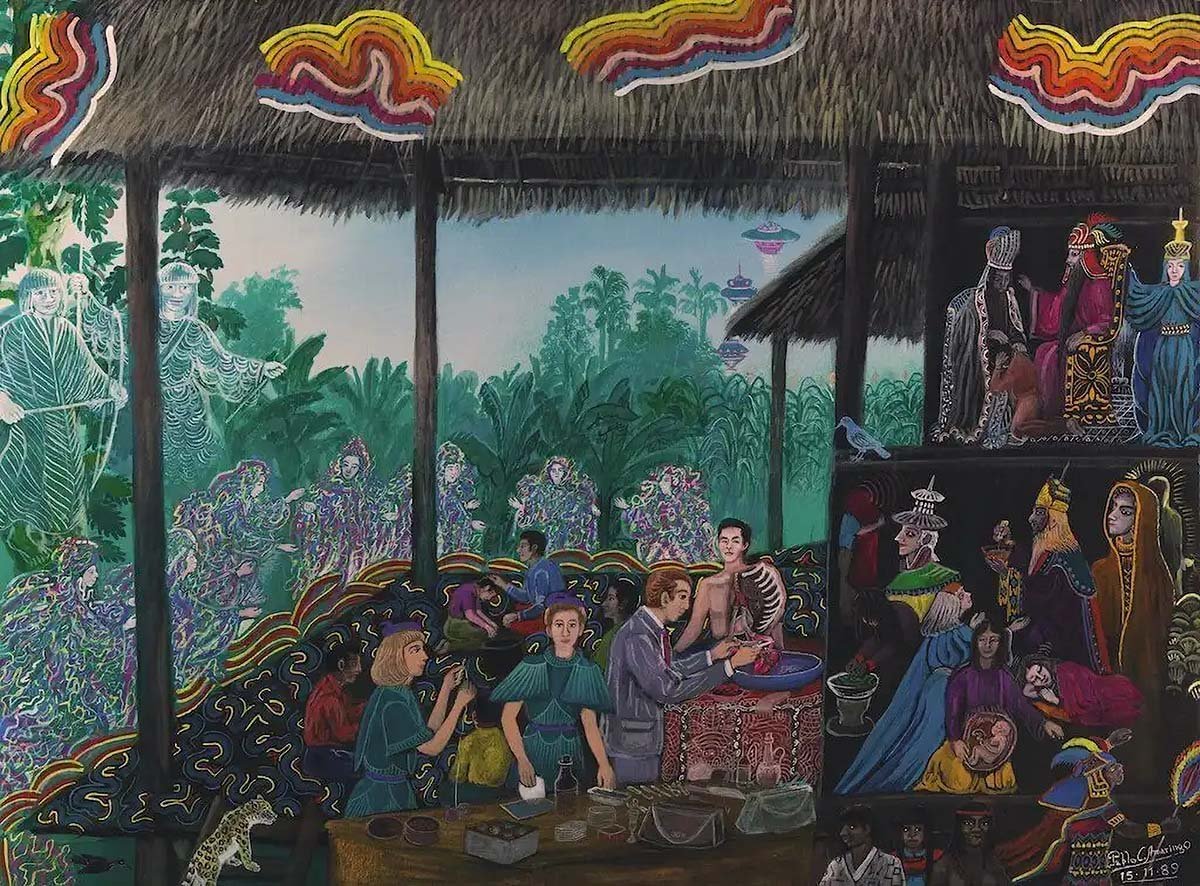
      Pablo Amargino, ‘Spiritual Heart Operation’ via Dr Luna’s    True Amaringos gallery
    Pablo Amargino, ‘Spiritual Heart Operation’ via Dr Luna’s True Amaringos gallery

    Dr Luna is the eminent expert on indigenous psychedelic use worldwide.

    He’s every bit the classy, cosmopolitan professor; armed an incorrigible streak required to pioneer psychedelic research.

    The Guggenheim Fellow and member of the learned Linnean Society of London breaks up a thrilling, theatrical presentation with itemised lists of how Western psychedelic therapy can incorporate Amerindian tradition to considerable benefit. And Amazonian animism, Dr Ludo says, is a practical lifestyle for interacting with the natural world.

    “In mythical times animals, plants, and humans were all shamans able to transform,” says Dr Luis Eduardo Luna during his Vital lecture, “this is why we believe that selfhood does not apply exclusively to ourselves, but to any entity that communicates through signs.”

    Plants do communicate he points out, maybe in a more sophisticated way than us.Thus Spoke the Plant author Monica Gagliano has proven they generate delicate harmonies: “Maybe you can hear it, just being in the forest, without ideas,” urges Dr Ludo. “You can feel your child. You do not need words.”

       Myself and Dr Luis Eduardo Luna at      Philosophy of Psychedelics
    Myself and Dr Luis Eduardo Luna at Philosophy of Psychedelics

    But he didn’t get there purely by publishing papers. Or with soundbites like “The Anthropocene began in 1610, when carbon dioxide started rising because of all the forest growing over the farms of a massacred civilisation. Europe is just a peninsula of Asia.”

    Instead, Dr Luna self-actualised through “direct experience” – manifesting, learning and transforming within our physical reality. 

    “Is ayahuasca addictive? No! I have taken it a thousand times”

    Born 1947 in Florencia, Colombia a city noted for its proximity to rainforest and tribal settlements, Lois Eduardo Luna was sent away to religious school to study philosophy as a boy with the hope of becoming a priest. He hot-footed to university in Madrid, Spain where he graduated in philosophy and literature. Returning home aged 21 he fell in with a Canadian traveller called Terrence McKenna (the very same). The two took yagé, a variant of ayahuasca prevalent in Colombia together for the first time.

    “Her own body is a metaphor. She is a river, a serpent, an umbilical cord”

    In 1980 Dr Luna met a Colombian vegetalista ‘plant teacher’ Emilio Gomes. The shaman told him, “Everything has spirit. Everything is intelligent,” and eventually took Luna in as an apprentice. The Journal of Ethnopharmacology published Dr Luna’s fieldwork paper The Healing Practices of a Peruvian Shaman in July 1984. The abstract (introduction) reads, ‘The basic ideas of his cosmovision are presented… attention is given to the concept of “doctor” or “plant teacher” applied to certain plants which are supposed to “teach medicine”, if the appropriate conditions of isolation and diet are observed… During the period of isolation the spirits of these plants teach the initiate certain melodies or “icaros” that he will later use when practising his shamanistic activities.’ The accompanying film Don Emilio and his Little Doctors is “probably the first ayahuasca documentary,” he says proudly but with signature charm. His first book Vegetalismo was published in 1986 and Luna was made an associate of the Botanical Museum of Harvard University.

    “There is more healing in connection, outside in the forest among the trees”

    Not soon after Luna came across a distinctive Peruvian artist named Pablo Amaringo, who painted beguiling scenes of plant medicine ceremonies and their accompanying visions. The pair took ayahuasca art to the world, with Luna arranging global exhibitions and persuading the Finnish government to open an art school where 300-plus mestizos, mixed heritage, children received tuition. Luna still acts as agent for authentic trade of Amaringo’s works

    During the late 1980s the action switched to northern Europe, where Luna studied for a Phd in Helsinki and Stockholm, then took up a post lecturing at The Swedish School of Economics in Finland. Synchronicity abounded when he discovered a predecessor in the same role was theological firebrand Rafael Karsten, who wrote one of the first ever detailed accounts of Amazonian plant medicine ceremonies in 1935’s The Head Hunters of the Western Amazoas

    Now Professor Luna, and a globe-trotting ayahuasca ambassador with several books under his belt, he was invited to visit Rustler’s Valley in South Africa, an Earthrise Trust alternative community. Also visiting, coincidentally, was permaculture pioneer Bill Mollison who informed him how miniature organic ecosystems can be created. Luna also met Dale Millard, an adventurous anthropologist who introduced Dr Luna to nearby African tribespeople who told him they too had plant teachers of their own. Dozens, in fact.

    “Everything has spirit. Everything is intelligent”

    Inspired yet again, Dr Ludo struggled through the woes of doing business to build Wasiwaska Research Centre. It’s a breathtaking psychedelic nature reserve and ceremonial paradise, on a tip of the agreeable archipelago of Florianópolis, Brazil. Most of your favourite international space heads are hanging out there: maybe tapping some of the many ayahuasca vines for some sap syrup, taking a perambulo around the exotic selection of rare psychoactive plants with far-out flowers, having some reflective time in the library with a cup of kava-kava, or simply watching the marmoset monkeys get high. 

    “Therapy is narcissistic, ‘me’, going inside,” says Dr Luna, “There is more healing in connection, outside in the forest, among the trees. Depression is caused by not connecting.”

    Check out Wasiwaska in Dr Luna’s presentation of its gardens at Exeter University where he’s a research fellow, his autobiographical and philosophical keynote speech Decolonising the Self at Exeter’s 2022 Philosophy of Psychedelics conference, and much more on the New Psychonaut YouTube lecture channel.

    Here’s what’s in this week’s issue of your directly experienced Vital Student Zine:

  • Ketamine Assisted Therapy with Veronika Gold

    Ketamine Assisted Therapy with Veronika Gold

    My unofficial Vital Study Zine #13 with observations from Vital Psychedelic Training and recent happenings in the space

        Noëlle Matip      ‘Therapy’
    Noëlle Matip ‘Therapy’

    San Francisco’s Veronika Gold set up the Ketamine Training Centre ‘emphasising the skills unique and germane to ketamine assisted psychotherapy.’

    The MAPS co-therapist has written K treatment programs already in use across the USA. Her impressive CV includes somatic experiencing and EMDR expertise on top of academic psychology credentials. She works as an independent psychotherapist, and at stand-out San Francisco clinic Polaris Insights. Veronika has even curated a specialist ketamine therapy playlist.

    Her overview of the high street K revolution: “People get a series of sessions over to to three weeks which is usually what it takes to get the anti-depressant effect. Then they will come for what are called booster sessions: maybe every two weeks, or every three weeks, for somebody it might be four to six weeks.”

    Veronika plainly admits this is “Almost like an indefinite treatment,” but points out “for many people it’s still a preferable treatment compared to being a a daily SSRI.”

    We all love to rag on K clinics. But for the sake of successfully treating depression and alcoholism, please put snobbery to one side. Plus set-ups are likely to eventually incoporate MDMA and psilocybin treatments. So what’s happening now is a fascinating precursor to the future. There’ll be DMT on the go eventually.

    Precise therapy alongside ketamine (KAP) catalyses long term results, summarises Veronica: “The psychological paradigm has an emphasis is on processing the underlying issues and challenges that are causing the symptoms. We actually see healing and change that the booster sessions are eventually no longer needed.”

    Shamanic-style trauma processing with its ‘the only way out is through’ ethos can hit flabby westerners hard though. Not only during the experience itself but afterwards: “They have to face all the losses that were connected to being depressed after it suddenly lifts… perhaps not being able to enjoy relationships, or having relationships that are no longer working for them when they are not depressed.” If that’s anything like my own revelations after going on ADHD medication, it feels like someone else has been living in your body all this time.

    Veronika talks about her training program here, and see her on Psychedelics Today’s up to the minute ketamine therapy panel from earlier this summer plus more on the New Psychonaut YouTube Lecture channel.

    These five items I pulled from the week’s research are themed along Vital’s natural element-themed structure.

  • MDMA Assisted Therapy with Michael and Annie Mithoefer

    MDMA Assisted Therapy with Michael and Annie Mithoefer

    My unofficial Vital Study Zine #12 with observations from Vital Psychedelic Training and recent happenings in the space

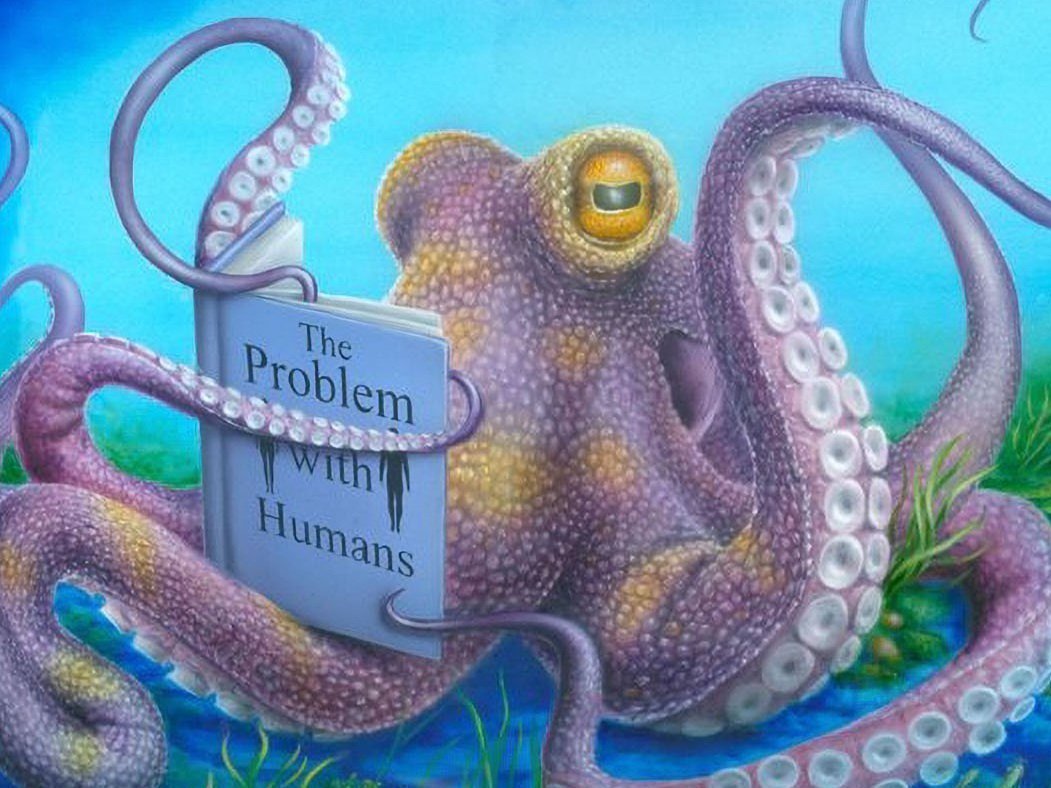
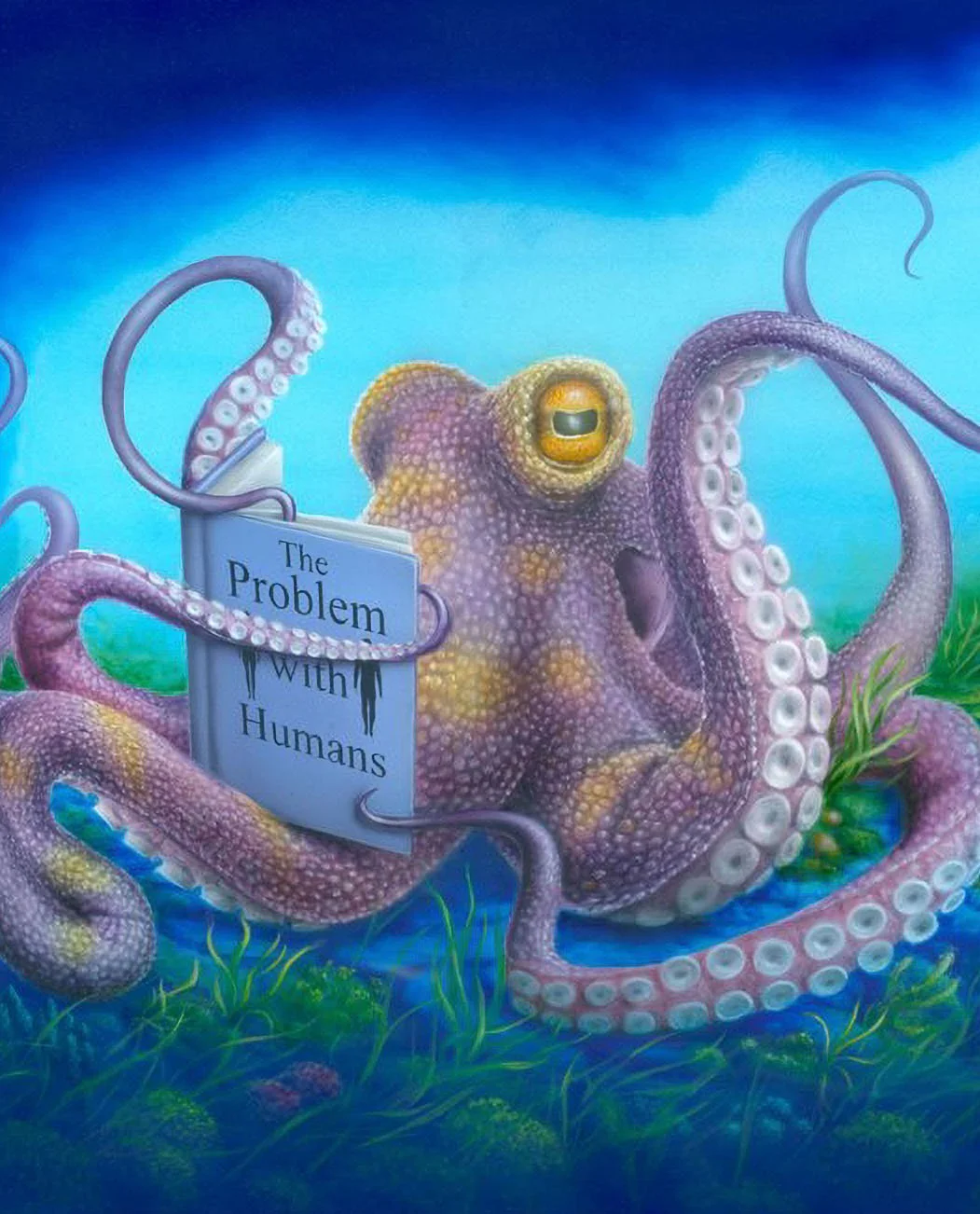
        Jeremy Deller,      ‘The Problem with Humans’  available here
    Jeremy Deller, ‘The Problem with Humans’ available here

    Gotta love MAPS PBC, the Multi-Disciplinary Association for Psychedelic Studies Public Benefit Corporation.

    An MDMA ban in 1984 inspired its founder Rick Doblin to somehow keep the flame alive. Decades later, in July 2022 a letter leaked to The Intercept’s Mattha Busby implied the Biden administration are stepping up for country-wide medicalisation of MDMA and psilocybin. MAPS expects legalisation in the USA by 2024.

    MAPS is technically a ‘non-profit’ entity with a public benefit corporation bolted on. In June 2022 the MAPS C-suite was joined by Boston Consulting Group managing director Dan Grossman, and former Sandoz CEO Jeff George a managing partner at VC fund Maytal Capital, boardroom heavy hitters both. The ‘extractive’ big pharma model is under challenge, it seems, from empowered non-profits like MAPS and in the UK, Amanda Fielding’s Beckley PsyTech. 

    “We facilitated out first Grof holotropic breathwork session where Vital is based near Vermont, with Vital’s patrons Lenny and Elizabeth Gibson”

    MAPS will be distributing its radical new treatment program, including its accompanying talk therapy, ‘MDMA-AT’, for free. MDMA-AT has obtained a ‘special protocol’ from the FDA so it does not need to be revised before MDMA itself is available legally. That’s an incredible achievement for the veteran healers who devised, wrote and guided it to American federal approval, Vital Week 12 lecturers Michael and Annie Mithoefer.

    The young Dr Michael Mithoefer was up to his scrubs in gore for ten years as medical director at the emergency departments of Charleston County and Georgetown County hospitals, North Carolina. He turned to psychiatry in 1991. The trauma specialist is trained in Internal Family Systems, EMDR and Grof Holotropic Breathwork. His wife and dyad partner Annie is a certified nurse and Hakomi therapist who’s also Groffed-up. The two have worked for MAPS since the early 2000s and are also on the advisory board of Bristol’s AWAKN; they’ve been to Ben Sessa’s house in Somerset. Check it out:

       Awakn’s Ben Sessa hosts the Mithoefers in Somerset, England
    Awakn’s Ben Sessa hosts the Mithoefers in Somerset, England

    “We facilitated out first Grof holotropic breathwork session where Vital is based near Vermont, with Lenny and Elizabeth Gibson who can’t be a hundred feet away from the offices right now, so there’s symmetry there,” said Dr Mithoefer to open the eight hours of workshops he and Annie graciously provided for Vital students.

    Here’s the Mithoefers on Psychedelics Today’s podcast, and on Aubrey Marcus for the bros. More on the New Psychonaut YouTube channel. And here’s this issue:

    Next issue: Ketamine therapy thought-leader Veronika Gold direct from her bustling Polaris Insights clinic in San Francisco

  • Psilocybin for depression with Ashleigh Murphy-Beiner

    Psilocybin for depression with Ashleigh Murphy-Beiner

    My unofficial Vital Study Zine #11 with observations from Vital Psychedelic Training and recent happenings in the space

       ‘White Light’ from      Paul Cocksedge Studio
    ‘White Light’ from Paul Cocksedge Studio

    “We have really explicit conversations about sex, about violence, about death and ego death…”

    Plus of course, “Paranoia, wanting to go to the toilet, feeling like you’re going to the toilet, and the physical bodily experiences,” says Ashley Murphy-Beiner, psychologist and guide at Imperial College’s landmark ‘PsiloDep 2’ trial, which sounds suitably like a Quatermass movie.

    Ashleigh Murphy-Beiner is exactly the sort of impressive individual driving the psychedelic renaissance: a mediation coach and Peruvian ceremony facilitator alongside her studies at Imperial College London, she’s noted for her research on ayahuasca for treating depression too. She’s talking about preparing psychedelic novices for their first trip on synthetic psilocybin, the active ingredient in old-fashioned magic mushrooms. It’s used mostly due to stigma around LSD.

    “We let them know we’re not going to judge them on anything weird… although they’re not going to do anything like that, because mainly they’re worried it’ll really embarrass them or, or cause shame,” she continues, giving a window into life with depression.

    Depression is a ‘global burden’. The main cause of disability and the number one reason for taking time off work affects a quarter of a billion people worldwide, and more in The West. One in six Brits are on anti-depressants, and US figures rose by up to 30% during the COVID-19 crisis. Doomongers will be pleased to know there are plenty more sad stats in this week’s ‘zine.

       Imperial College psychologist, meditation coach and ayahuasca advocate Asheligh Murphy-Beiner
    Imperial College psychologist, meditation coach and ayahuasca advocate Asheligh Murphy-Beiner

    Can psychedelics cure long term depression where talk therapy and medications failed? Although arguably still spectacular in comparison to existing treatment, results are frankly not as good as those for psychedelic studies on treating trauma, addiction, and end-of-life crisis. That’s partly because depression mostly remains a mystery, with the widely-accepted ‘serotonin imbalance’ theory recently publicly debunked. Ashleigh calls the causes “biopsychosocial” meaning there are biological, psychological and social implications. Many patients have come crashing down to Earth when faced with the cruel reality of life in late capitalism. Preparation and integration are absolutely essential, say trial patient advocates Ian Roullier and Leone Schneider of advocacy group PsyPAN. Dr Rosalind Watts created a treatment model, Acceptance, Connection and Embodiment to cover the ground between secular dystopian life and the psychedelic experience. 

    Results of psilocybin for depression trials so far though are certainly optimistic compared to market anti-depressants. A major advantage is that psychedelic treatment opens up the mind, rather than numbing out all feelings, like current anti-depressants are said to. Opportunity and relish can once more be a part of depressive’s mindset. Plus they can dump their daily regime of equally barely-understood serotonin pills with side-effects like a plummeting libido. 

    This is one subject for which there is certainly no silver bullet. Here’s Ashleigh talking about ayahuasca, and the ACE therapy model used at the trials with Dr Ros, plus the ethics of the trials and therapy itself, and rounding up the trial results on the Chasing Consciousness podcast, all of which you can see on the New Psychonaut YouTube channel.

    This week’s topics arranged along Vital’s core learning pillars are below.

    Next issue: MAPS MDMA-AT program designers Michael and Annie Mithoefer.

  • The Ethics of Caring in Psychedelic Therapy with Kylea Taylor

    The Ethics of Caring in Psychedelic Therapy with Kylea Taylor

    My unofficial Vital Study Zine #10 with observations from Vital Psychedelic Training and recent happenings in the space

       From Phantom VII by      Neil Krug
    From Phantom VII by Neil Krug

    “We don’t rush to sign up for ethics classes,” says Kylea Taylor, a storied therapist who’s become the conscience of the psychedelic renaissance.

    But you’d be surprised, she says: “All our great tales and stories are concerned with dilemma, redemption and ethical themes. The field can be surprisingly interesting and worthwhile, plus you learn a lot about yourself.”

    ‘Ethics is the study of relationship’ says Taylor’s website for her InnerEthics program detailed in her respected book The Ethics of Caring. If we are defined by our interactions, then ethics are a crucial part of our existence. Taylor, I’ll point out, is no out of touch pharisee. Graduating in marriage and family therapy in the late 1960s, she worked as an addiction specialist throughout the 1970s including nine years in a residential rehab. She’s been with the Grof Foundation since the 1990s having trained there since 1984 (she calls them “Stan and Christina” at one point which is way cool).

    “Self-compassion and self-work are absolutely key”

    These days it’s not only addiction counsellors and psychedelic pioneers who sometimes deal with tricky individuals. Not for nothing are self-books with titles like The Five Types of People Who Will Ruin Your Life all the rage. It turns out that ‘drawing boundaries’ which we’ve all been told is the secret to negotiating life by our (childless, spouseless, mostly jobless) therapists, doesn’t actually work against bastards. Or if not bastards then the folk who’ve worked out they can make their ethics up as they go along, mostly – in a world where God is dead and Alfred North Whitehead is yet to be a household name. 

    “Ethical relationships are the relationships that are healing”

    Taylor tells of an acquaintance, a qualified and licensed female therapist, who dabbled with holotropic breath work and shagged a long-term male client who she’d had an intense session with. He sued her and she lost everything. “Why did this happen to a good, well-intentioned, well-trained therapist?” says Taylor, “because we need to discover as much as we can about our motivations, be completely sensitive to client safety, and educate ourselves about extraordinary states.”

    It’s not difficult to accept that psychedelic drug use and exotic religious ceremonies might get a bit sketchy sometimes. Denizens of the underground learn to pick their way around the gloom; some though trip over, into the murk. Go down into the Power Trip podcast rabbit hole for New York Magazine’s exposé series covering both the nascent scene and recent trials at MAPS, where perfection is absent even in the most optimistic of scenarios. 

    “If clients feel trust they’ll be more willing to go into strange spaces”

    Because we are human, reminds Taylor. She’s trained with Stanislav Grof’s Foundation since 1984. He wrote in LSD Therapy that we should strive to be more than human nonetheless, and Taylor thinks so too. 

    “Self-compassion and self-work are absolutely key,” says Taylor, who advised on MAPS’ new Code of Ethics. Current ethical codes don’t examine therapist motivations, and certainly not higher states of consciousness. While we must grill ourselves on our own weaknesses, we mustn’t overly admonish ourselves for mistakes in a new, difficult arena. 

    “We turn up the volume in psychedelic therapy. All internal and relational dynamics present have more impact for the client. Thoughts, words, feelings and intuitions affect the client and the therapist, much more than in a regular therapy session,” warns Taylor. Kundalini is one of her fields and she advises to look out for spiritual emergencies of both the dramatic and everyday kind: “realisation of cognitive dissonance can be a huge shock for many.”

    Self-work leads to self-realisation, self-compassion, stronger boundaries, and a finer relationship with others. It makes a psychedelic therapist better at their job.

    “Ethical relationships are the relationships that are healing. If clients feel trust they’ll be more willing to go into strange spaces and approach difficult feelings,” says Taylor.

    Here’s what else I flagged up, colour-coded to Vital’s themes of Approach, Therapy, Space Holding, Medical and Integration.

  • The Legality of Psychedelic Therapy with Courtney Barnes

    The Legality of Psychedelic Therapy with Courtney Barnes

    My unofficial Vital Study Zine #9 with observations from Vital Psychedelic Training and recent happenings in the space

       NO. 63 by Norbert Schoerner from      Gallery 46
    NO. 63 by Norbert Schoerner from Gallery 46

    This week Vital students heard from hero lawyer Courtney Barnes of Barnes Caplan LLC, state policy advisor for Decriminalize Nature, and associate attorney at Denver cannabis specialists Vicente Sederberg LCC.

    When Brits now based in the USA visit me in London nowadays, they’ll chuckle “I forgot weed is still illegal here!” as if that’s quaint and amusing. So I spent most of this week checking out UK legislation and musing on that. Muse upon this week’s insights including the opening of the world’s first psychedelic ‘amazement park’ in my home town of Bristol, where Ben Sessa’s Awakn just secured UK government funding and a green light for Celia Morgan’s addiction treatment using ketamine in North America.

       Psychedelic attorney Courtney Barnes. I only use lawyers who wear Pucci, personally
    Psychedelic attorney Courtney Barnes. I only use lawyers who wear Pucci, personally

    I did pick up: in the US and undoubtedly here in the UK, you can get busted for supply for leading a ceremony even if you’re not the actual supplier, although ‘duty of care’ legally obliges professionals to point enquiring patients towards the safest route to psychedelic experience they know of. Any kind of illegal activity whatsoever is unthinkable for any professional in a US state where psychedelics remain illegal. “I’m a member of my local emergency services and can’t possibly get involved in anything beyond the law,” said one Vital student.

    Screening potential voyagers, ideally via a spoken reference is highly recommended. From a licensed US facilitator: “My clients come from two close and respected community sources. Many have experience from their youth and would like to undertake a significant, intentional experience for the right, realistic reasons, in the forest, with someone trained to look after them.” Interestingly, when this Vital student evaluated possible experients he covered all the bases recommended for both the legal treatment he was licensed in his state of residence to provide, and the canny, no-stone-unturned, word-of-mouth recommendations for underground practitioners. 

    Next issue: Kylea Taylor charts a path through the ethical warpstorm of psychedelic therapy