
Category: Integration

  • Peak sexual experience

    Peak sexual experience

      In  te  gr  at  io  n
    In te gr at io n

    DMT is possibly responsible for the female full body orgasm

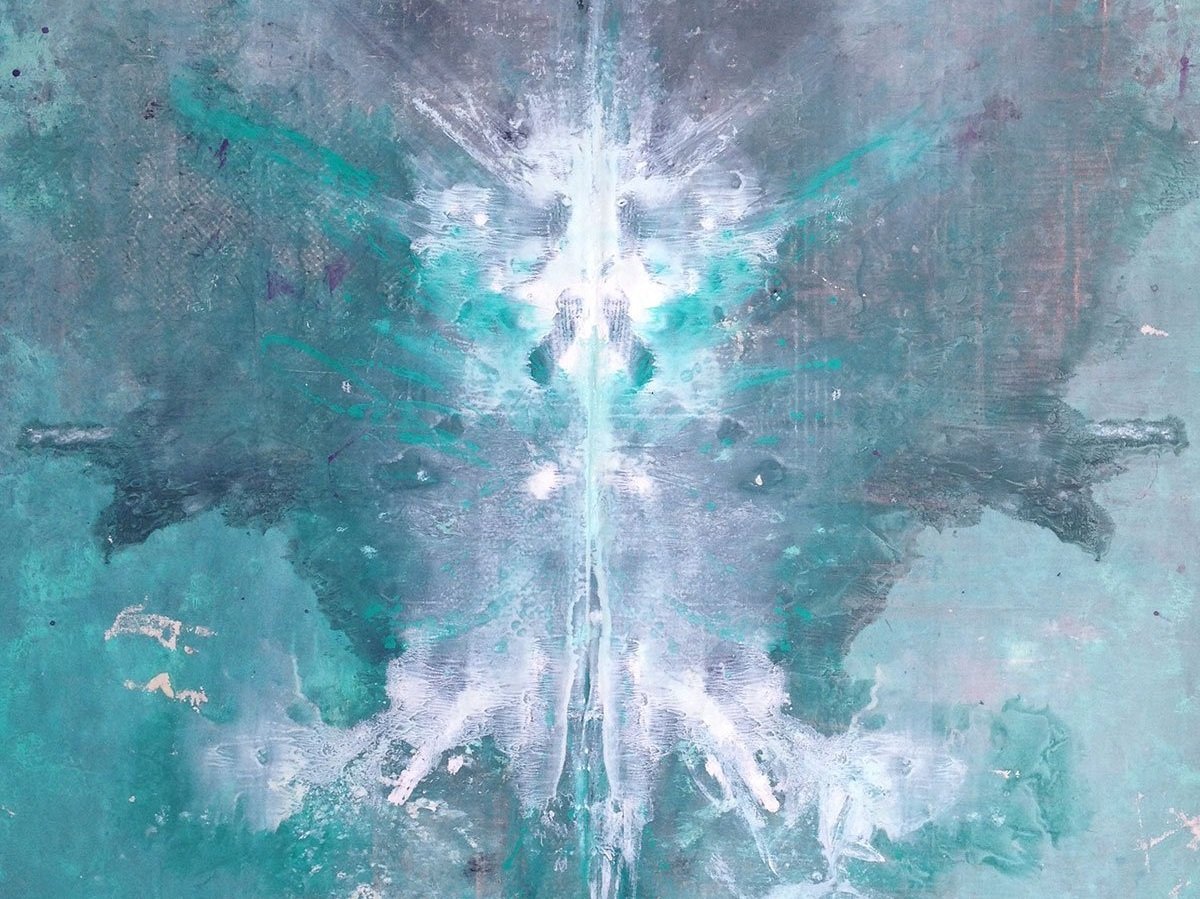
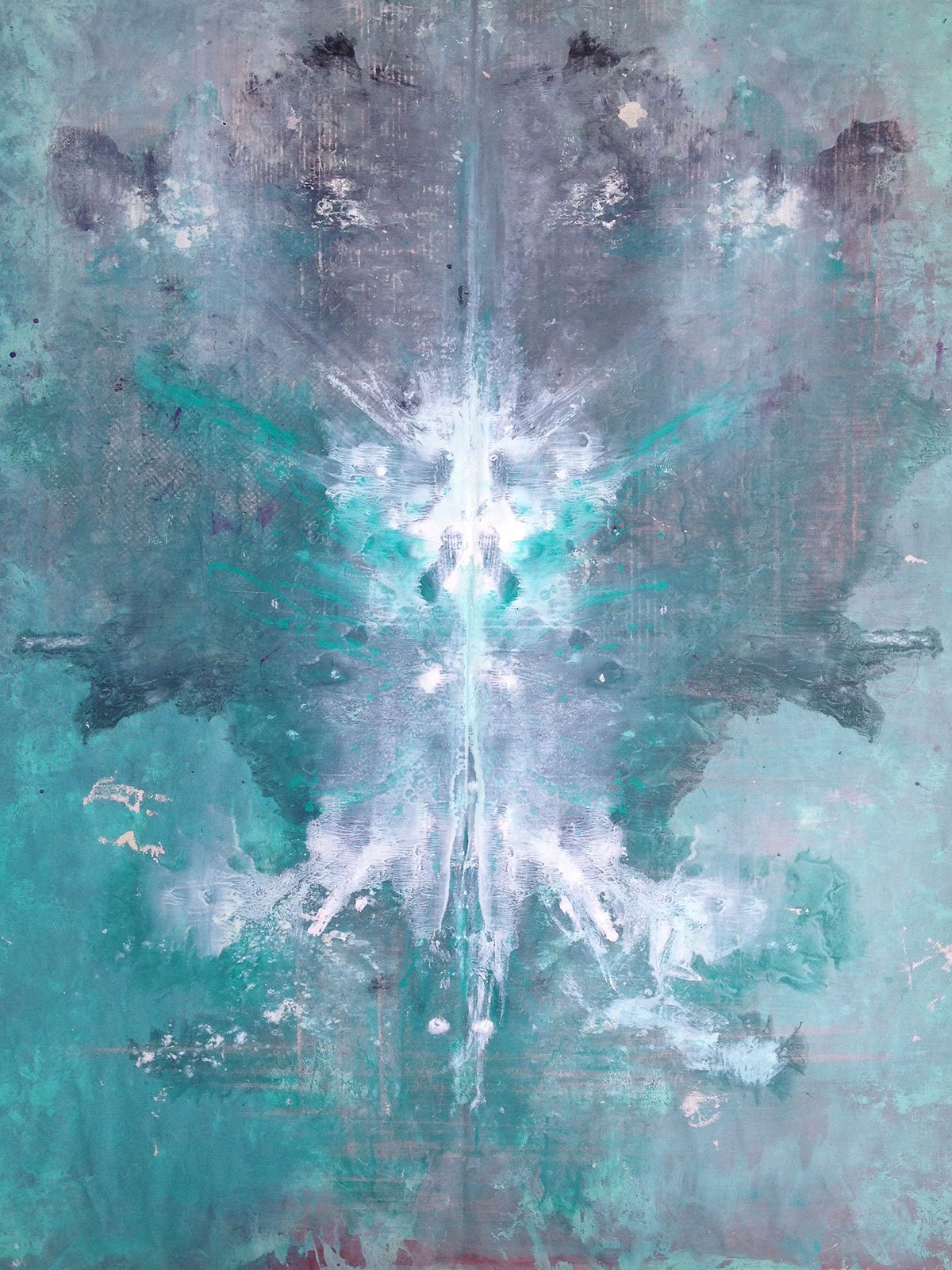
        Eternal Phoenix by      Carolyn Mary Kleefeld
    Eternal Phoenix by Carolyn Mary Kleefeld

    There’s a new emphasis on returning to the womb.

    An intrepid Vital student asked Dr Strassman a very pertinent question, going forward: “I’m a sex therapist. Should I ever mix psychedelics with that?”

    Dr Strassman does have something of the ‘unlikely sex symbol’ about him. A volcano festers within, and I can imagine bookish, imaginative girls becoming rather intrigued by the quietly uncompromising genius. 

    This image is compounded by The Strass’ involvement in the science of women’s cervical ‘full body’ orgasms.

    “I posted an interview about this on my Facebook page,” he coyly replies to my fellow psychedelic student, “and it got a ton of likes compared to everything else,” (He probably means the Old Testament stuff). 

    The splendid Double Blind magazine were first on it. The psychedelic lifestyle leader matched the sterling work of Olivia Bryant’s Self:Cervix project to spread awareness of earth-moving sex, with sex therapists who link that cervix to the vagus nerve. If the ‘full body’ orgasm activates the vagus nerve, the part of our nervous system responsible for the ‘rest and digest’ state, swinging from the chandeliers would bring significant health benefits.

    “You do hear reports of experiences with a sexual character during DMT states”

    The article quotes one of Bryant’s students: “Time both expanded and stood still. I understood everything and nothing. I was both God and unborn. The micro and the macro. The purest form of ecstasy and surrender I could ever hope to experience.”

    Writer Nicolle Hodges pointed out that in The Spirit Molecule Dr Strassman writes of DMT, “There is a powerful dynamic or tension between the two roles it may play—one spiritual and the other sexual.” Asked if the brain releases DMT during orgasm The Strass wouldn’t take the bait: “That’s not known,” he replies in the interview. ‘Is sexually-activated DMT production perhaps one of the major motivating factors in reproductive behaviour?’ comes the follow-up question. “It’s educated speculation,” he says. “We don’t know for sure one way or the other.”

    Undaunted, Hodges hit up Imperial’s Dr Chris Timmerman. “You do hear about reports of people having sensual experiences, which have a sexual character to them during DMT states,” he conceded, “Maybe [orgasms] have not been reported as much because sex has a taboo connotation to it, and the same can happen when sex is associated with DMT and psychedelics in general.” 

    Britain’s cannabis journal Leafie ran with the ball. Neuroscience graduate Bethan Finnegan pointed out that women with major spinal injury can still have cervical orgasms and the clitoral orgasm deactivates the pre-frontal cortex leading to miniature ‘ego death’, with French lingo for orgasm being le petit mort, ‘little death’.

    Back in the Vital Q&A, Dr Strassman falls back to scientist mode. “You’d have to be methodical and incremental with your research! Study the DMT like properties of orgasm with psychedelic questionnaires, to make a cogent comparison. I think you’d find a relationship, strong correlation. Then you can look into how it occurs.”

    He has some trade secrets for anyone carrying out cutting-edge research in mainstream science…

    “Don’t worry about risk. Find some good mentors, keep your head on your shoulders, and do your research step by step in a Trojan Horse manner. That’s how I did mine.”

    Dr Timmerman in Double Blind adds some London-based understatement: “You would need to collect blood samples when people are having these experiences to detect DMT levels in their bodies when this is occurring. This might be tricky to do in a lab environment for obvious reasons. But not impossible.”
  • Rising from the Ashes of God

    Rising from the Ashes of God

    A new mythology is the psychedelic philosophers’ highest ambition

      By Kevin Quigley , works available via    Gallery 46
    By Kevin Quigley , works available via Gallery 46

    Hardcore philosophers like Junger, Reich, Nietzsche, Spinoza and Whitehead were happiest wandering around the woods.

    You’d be forgiven for thinking they were only content when their books were being burned by all three of the Stalinists, Nazis and the Christian Evangelists (Spinoza and Reich’s actually were).

    Yet “God is nature” proclaimed Spinoza (who also was not beyond emotional intelligence, advising: “The more clearly you understand yourself and your emotions, the more you become a lover of what is.”)

    “We live in a post-cartesian, post-christian world,” Dr Sjöstedt-Hughes said to introduce the panel ‘Should we return to the gods of nature?’ at Amsterdam’s 2022 Institute of Art and Ideas festival, “the ecological crisis and the hard problem of consciousness steam from the bifurcation of nature. Déscartes split mind and matter; now we have thought as an extension of thought, science as extension of knowledge. and still don’t know how we get mind from meat. Viewing nature as simply physical discounts any part it plays in that.”

    “What are the laws of nature? Physicists say they’re constantly changing”

    In his Vital lecture on philosophy during the course’s first module on approaches to psychedelics, Sjöstedt-Hughes summarised: “Whitehead had the advantage of relativity and evolution: he is a combination of Einstein, Darwin and Spinoza. He concluded that nature has an intrinsic worth, not just spiritual worth. If a virus can be determined ‘living’ why not an atom or a molecule? The future is creative, not yet formed.”

    He cites Whitehead’s ‘Process Philosophy’ as the closest to a post-quantum physics spiritual framework humanity has. With humility – “We have to acknowledge that we are nowhere near the answers, and that 5-MEO DMT and other peak experiences bring up ontologies unfathomable to the regular Western version, or any other.”

    Dr Sjöstedt-Hughes’ philosophy goes beyond even the ‘panpsychism’ touched upon by voices like Anneka Harris in Conscious, where all matter contains some spark of life. It brings both ancient and renaissance hermeticism into the era where God is dead: “It combines process philosophy with Amerindian-style metaphysics, which are complex as opposed to animistic. God doesn’t ‘love’ you – he is comparable to Aristotle’s ‘prime mover’ rather than a benevolent force as such. Eternal life is now, stepping out of time.”

    The psychoneural, where consciousness and the physical nervous system combine, exist within and are one with the natural, material world; the ‘lived experience’ that Terrence McKenna considers superior to any spiritual system: our purpose, vessel and environment in an infinitely expanding, spherical space opera.

    “De Quincy said, ‘memories are never lost only found again. But what is memory?” Bellows Dr Sjöstedt-Hughes like a young Brian Blessed, “What are the laws of nature? Physicists say they’re constantly changing. If the past doesn’t exist, should it have more status than fiction?” Before whispering conspiratorially, “the druidic yearning we see in Britain could be connected.” Dr Aiden Lyon believes psychedelics could create a new mythological wisdom to underpin society.

    “We have to acknowledge that we are nowhere near the answers”

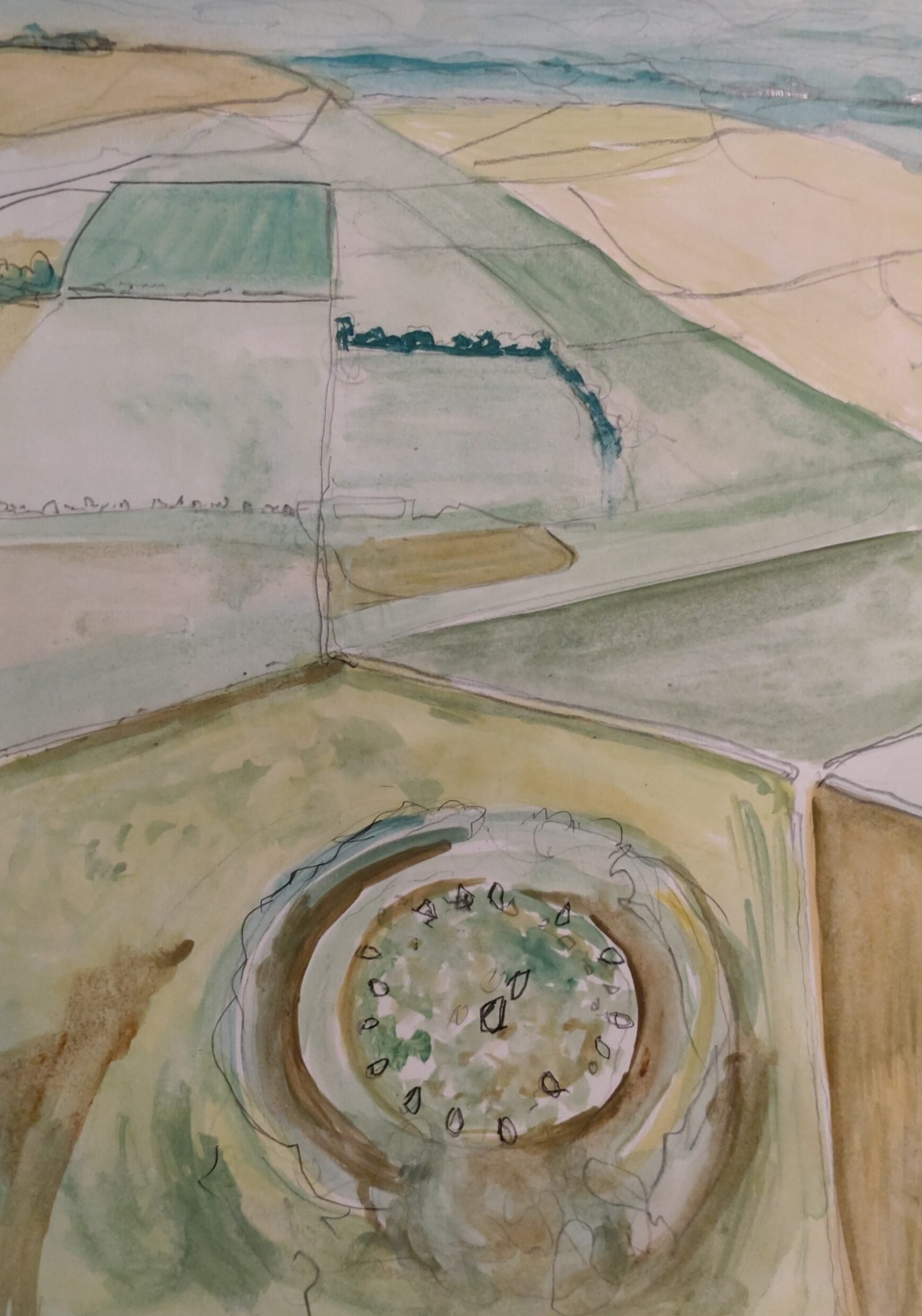
    There are now at least three Druidic orders vying for eyeballs in 21st Century Britain. Six thousand people turned up at 4:49am on summer Solstice 2022 to watch the sun hit the Heel Stone in the centre and spread rays throughout the circle.

      Stonehenge at Summer Solstice 2022
    Stonehenge at Summer Solstice 2022

    In a British major kind-of newspaper, noted for usually disapproving of this sort of thing, a top-rated comment below its article on the gathering reads, (sic) ‘You don’t have to travel to Stonehenge and dress up to show your love of nature, the natural world and the Earth’s life force, it is all around us. Feed the wildlife, plant flowers and trees, celebrate it that way, and respect it, it’s in us all, we are part of it. We have a Female Blackbird that literally follows us around our small garden and stands at the green house door to be let in to help herself to the box of wild bird food we have in there, what a privilege for a wild animal to communicate with us and trust us to enter into the greenhouse when we are there. There’s magic in our own gardens and stones.’

  • Alchemy for the People

    Alchemy for the People

      In  te  gr  at  io  n
    In te gr at io n

    The psychedelic revolution is already happening

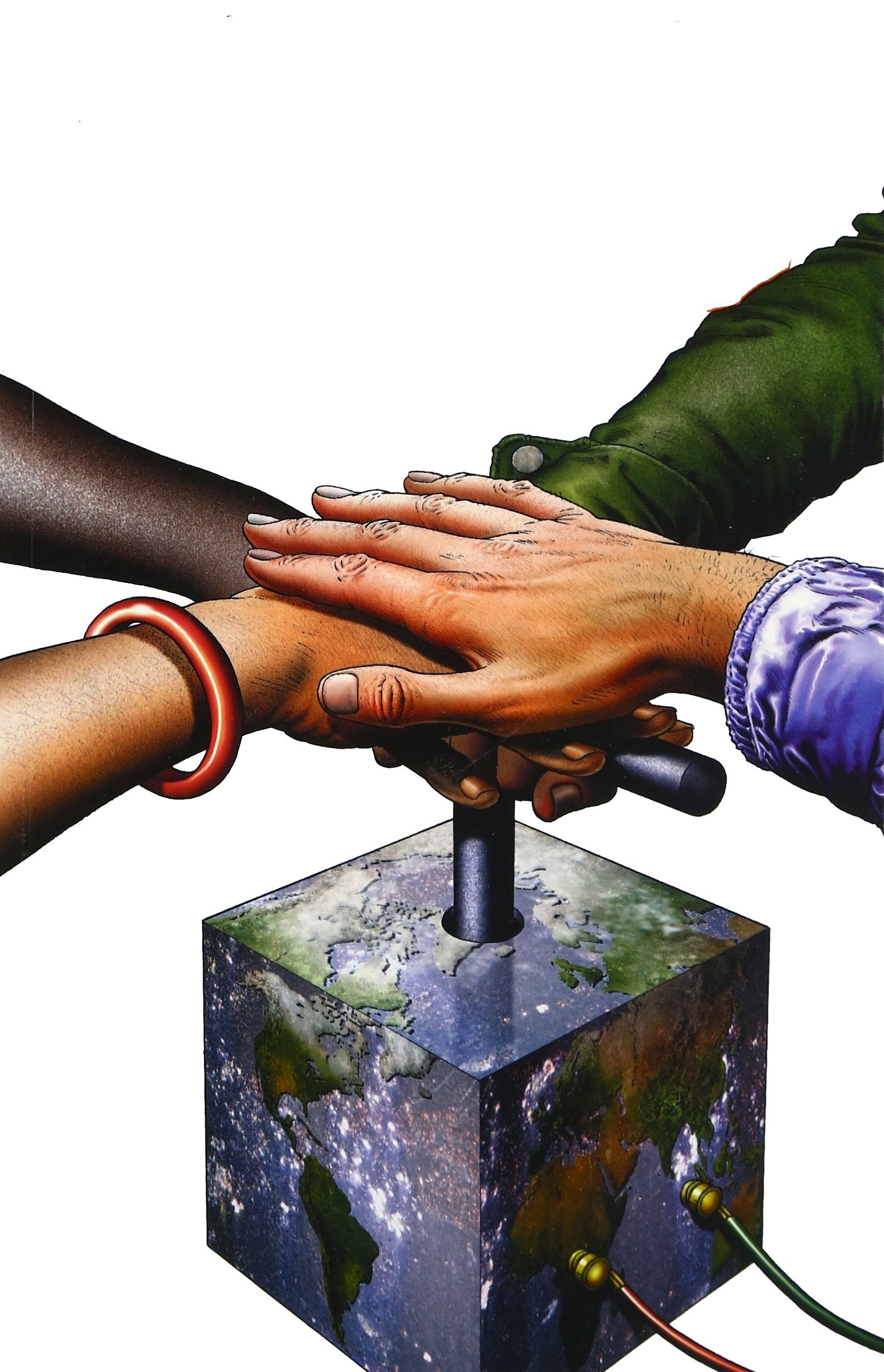
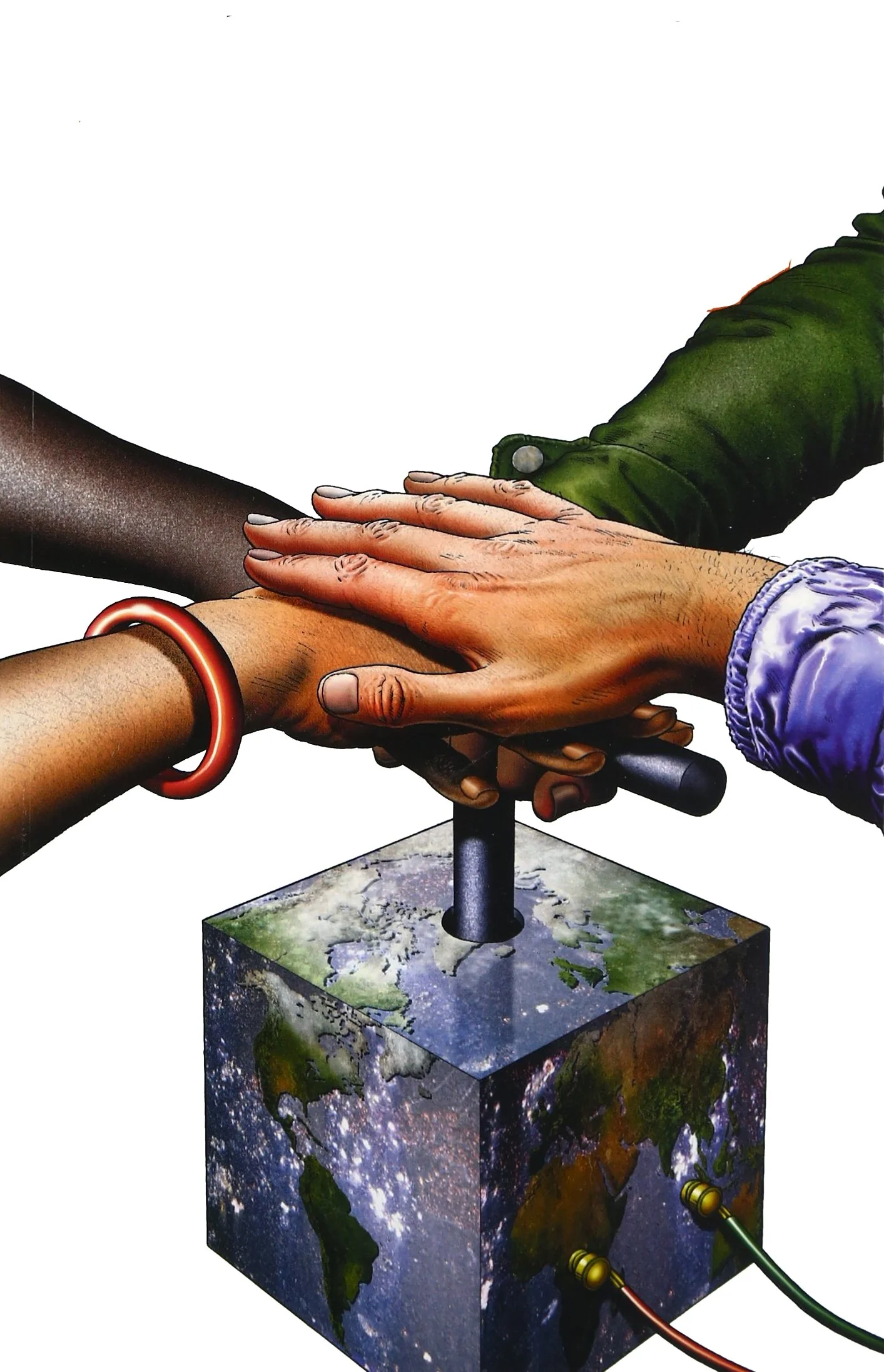
       By Brian Bolland from Grant Morrison’s    The Invisibles
    By Brian Bolland from Grant Morrison’s The Invisibles

    It’s time to take the psychedelic destiny that is rightfully ours. Which doesn’t have to involve anything too jarring.

    Stanislav Grof said “It would be nice to see people be able to go for hikes, or go swimming.” Albert Hoffman insisted LSD was experienced in the wild.

    “I used to go surfing, I’m a big fan of watersports on psychedelics,” giggles Dr Luke, “A lot of the outdoor-wilderness extreme sports have gone hand in hand with psychedelic culture.” James Oroc was the Burning Man face and 5-MEO author better known to extreme sports fans as paraglider ‘Kiwi’ Johnston, who passed away doing what he loved in 2020.

    “Ecologists in Europe have druids involved. Which is my fault”

    Morphic resonance – relating to the consciousness of others, said to be a skill of Shipibo ayahuasca healers – is strong in ceremonial groups.

    “Will I ever be able to conduct forest therapy with a hundred, maybe ten thousand people?” dreamed aloud one Vital student in the Q&A after Dr Luke’s speech. “Ecologists in Europe have druids involved, which is my fault,” was all the esoteric scientist could offer unfortunately, with acceptance on that scale being so far away.

    Although what with MDMA apparently being a psychedelic now, we’ve been in ceremony outdoors, admittedly with the drumming updated, for a while now. Here’s to James Oroc and all the rave ancestors.

  • Learning to fly

    Learning to fly

      In  te  gr  at  io  n
    In te gr at io n

    Is there more to integration than walking in the woods while listening to John Hopkins?

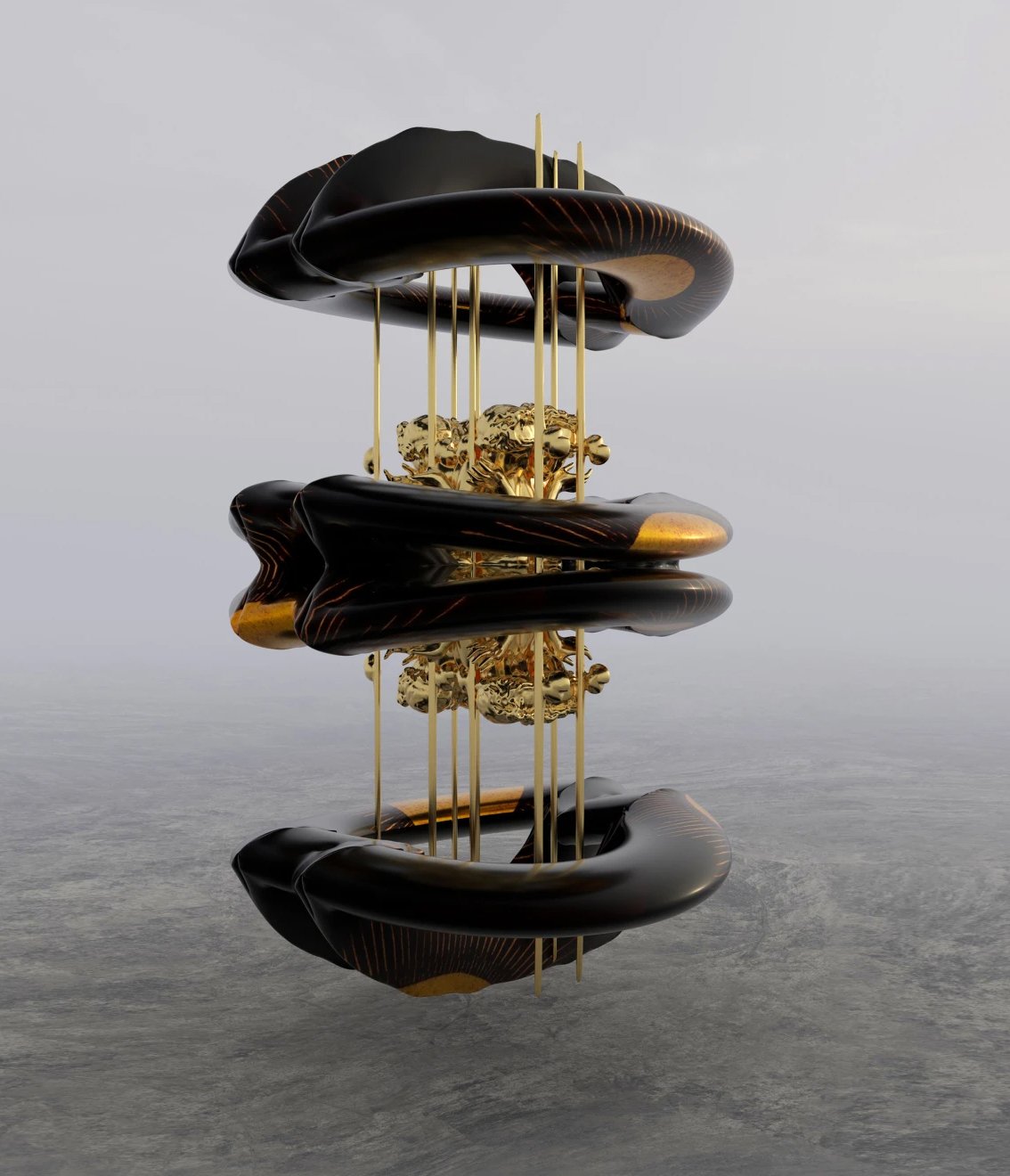
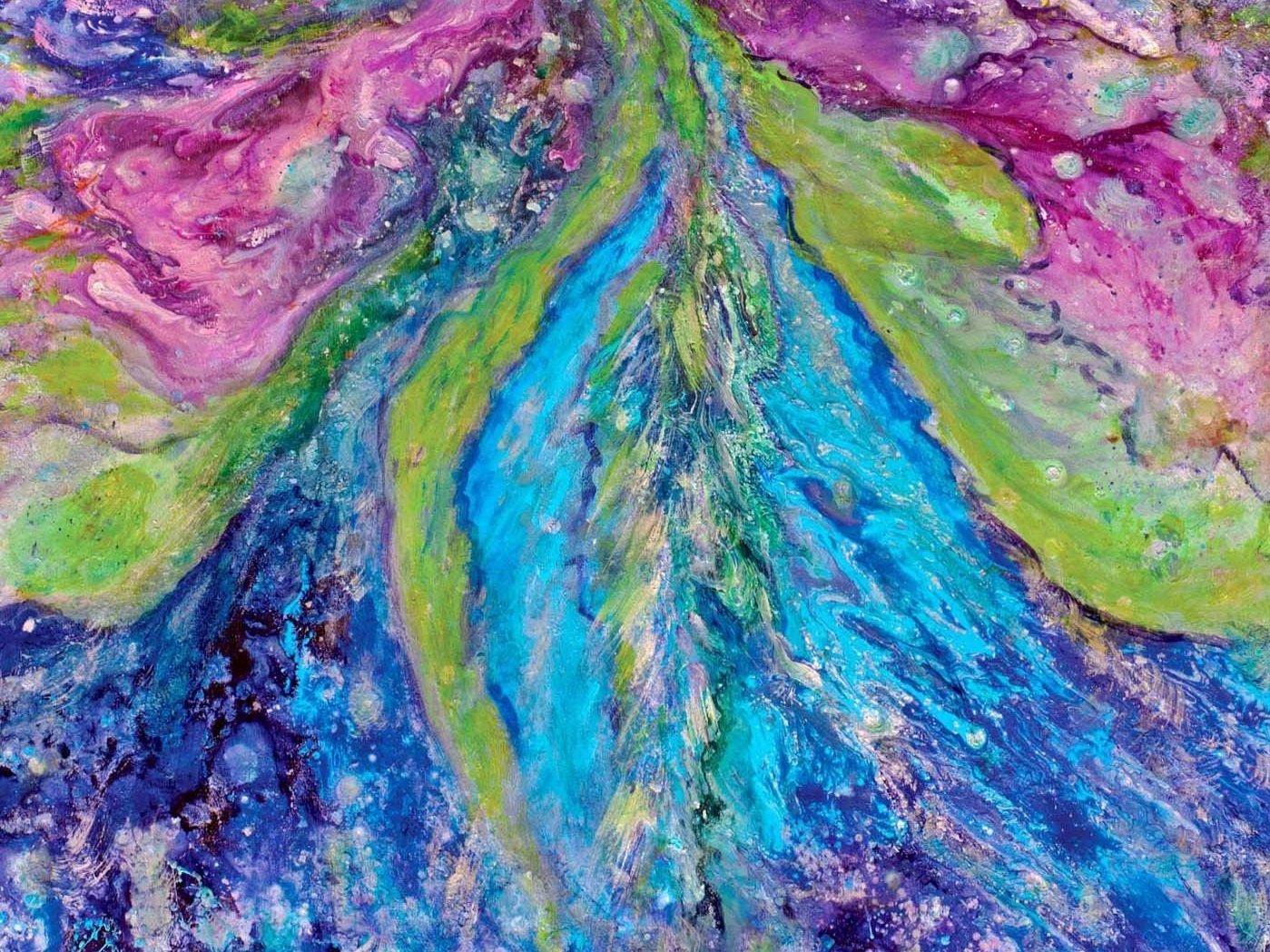
      ‘Hyperbolic Depth’ by Wolfe Von Lenkiewicz    available here
    ‘Hyperbolic Depth’ by Wolfe Von Lenkiewicz available here

    “The substance is only 51% of the treatment” said Imperial College PsiloDep 2 trial clinical lead scientist Dr Rosalind Watts at Psych Symposium 2022.

    It was vehemently echoed by the PsyPan patient support group alongside her on stage at London’s National Gallery. Blasting off into hyperspace is not entirely the point either reminded week four Vital lecturer Dr Lenny Gibson, who evoked Stanislav Grof: “The ecstasy of a noumenal moment, a psychedelic intoxication, is not enough for mysticism. Such a moment comes to nothing if it does not become part of a process of lived expression and expressed thinking.”

    Less than a week previously Dr Ros launched her Acer Integration project at the Earth Centre in Hackney. It’d take a heart of stone not to give the team at Acer credit and I, for one, liked the singing in the round. The mystic is sorely lacking in European research as Dr David Luke points out, and metropolitan Londoners, their dopamine receptors worn down to ichorous stubs, are polarised in their spiritual awakening or total lack thereof. I suspect it might be better for many if we stick to burning massive effigies and people just ‘get it’ on either a collective unconscious level or whatever.

    Meanwhile the stock images of millennials in the blindfold and headphones are beginning to look sinister, I reckon. Once again I find myself drawn to the intriguingly complex MAPS PTSD therapy programme, where the mystical concepts so potent for healing trauma must be dealt with ever so sensitively, because the soldiers have been driven far further from God than even my neighbours in this modern-day Babylon (I like London really; non-dual thinking).

    “Be kind to the guy at the grocery store. Make new friends. Put the art pedal to the floor.”

    While veterans and the treatment-resistant depressed crave healing – and should go to the front of the queue – the rest of us scrabble for meaning, humanity, or merely playfulness. Nonplussed yet fascinated by doxa, Plato’s term for shallow concerns, we struggle to ‘participate in eternal totality’ as Spinoza urged. Raves, ‘sex positivity’ and Burning Man-type festivals are our attempts to break through. And ‘meaning making experiences’ may indeed prompt a breakthrough or two, but that will only be the start of a long and confusing journey for some.

    Others, like us BJJ bores and Dragon’s Den/Shark Tank wannabees, ponder our lack of the right kind of trauma, that sweet spot sought by Neitzsche, Jung, and others who rarely left their desks.

    The greeks did put down their books. Even Plato excelled at wrestling, competing at the Pytheon (like The Championship in English football) and Isthmian games. Both of which featured culture and sport combined incidentally. Immortality Key writer Brian Muraresku says in this great Lex Fridman interview that the greeks were also fond of saying, “Life can only be experienced in a truly terrifying, but transformational, encounter with death.” He quotes Huxley on mass radical self-transcendence and deeper understanding. Plus Alan Watts on authority being threatened by mass outbreaks of mysticism. 

    Myth, or ontology if you like, in the West and far beyond teaches that less thought is better than more. Lenny Gibson’s lifestyle advice: “Be kind to the guy at the grocery store. Make new friends. Put the art pedal to the floor.”

  • The Eagle and the Condor

    The Eagle and the Condor

      In  te  gr  at  io  n
    In te gr at io n

    The Eagle and the Condor is a two thousand year old prophecy predicting unification of the American people

      By Fellowship of the River cover artist    Rai Weni
    By Fellowship of the River cover artist Rai Weni

    The propehcy that could be said to predict the colonisation of the Americas, the resulting cultural holocaust, and a re-emergence of mystical healing techniques.

    The peoples of the Condor – indigeneous Americans – and the Eagle, western colonisers – will finally come together ushering a new paradigm of enlightenment.

    Columbus’ First Voyage landed in the Carribbean in 1492. Syncronicity fans note that in 1994 Terrence McKenna published Food of the Gods and Dr Allan Schore released Affect Regulation and the Origin of the Self.

    “Be careful with anything, no matter what, because things can be tricky in those spaces. The medicine itself is not trying to trick us. If there is light, and positive healing spirit, it’s clear”

    The aforementioned Shuar shaman John Perkins has alluded to the propehcy as prompting a shift from the West’s ‘Death Economy’ based on competiting over limited resources to a ‘Life Economy’ where wellbeing is paramount (in our abundant era, the Death Economy is arguably so past its due that its basis in scarcity has even had to be simulated by, for example, western governments implementing policies to artificially raise house prices).

    This prophecy is not uncomparable to Western astrology’s Age of Aquarius (which both Carl Jung in Aion and Aleister Crowley with his ‘Age of Horus’ suggested will have a non-dual flipside, but that is for another day).

    “Hearing ‘is it real?’ from the other end gets kind of boring after a while”

    The prophecy offers the very seductive idea of ‘Pachakuti’ a time of reconciliation and healing. But is it real?

    “Who knows what’s real?” says Dr Tafur, when talking about ‘entity’ encounters’ and other sublime ingredients of the mystic experience, “we’re dealing with a mystery and we have to discern. Be careful with anything, no matter what, because things can be tricky in those spaces. The medicine itself is not trying to trick us. If there is light, and positive healing spirit, it’s clear. But if there’s any doubt, there’s no doubt – just wait. And don’t worry that you’re missing out, because you’re learning what could be good for you and what isn’t.”

    It is your journey, and there are no clear answers. “Respecting your space is important, and these things should respect you too,” he says, “but this isn’t the sort of thing that can be learned on the internet. It’s messy and there’s room for projection and confusion.” Enforce boundaries as you should outside of DMT hyperspace.

    “Hearing ‘is it real?’ from the other end gets kind of boring after a while,” says Dr Tafur.

    Whether ‘entities’, or prophecies, or indeed ‘limbic resonance’ are facts is to miss the point.

    Instead, ask – what are the feelings? And are they benefitting us?

  • Architecture is the trippiest job

    Architecture is the trippiest job

      In  te  gr  at  io  n
    In te gr at io n

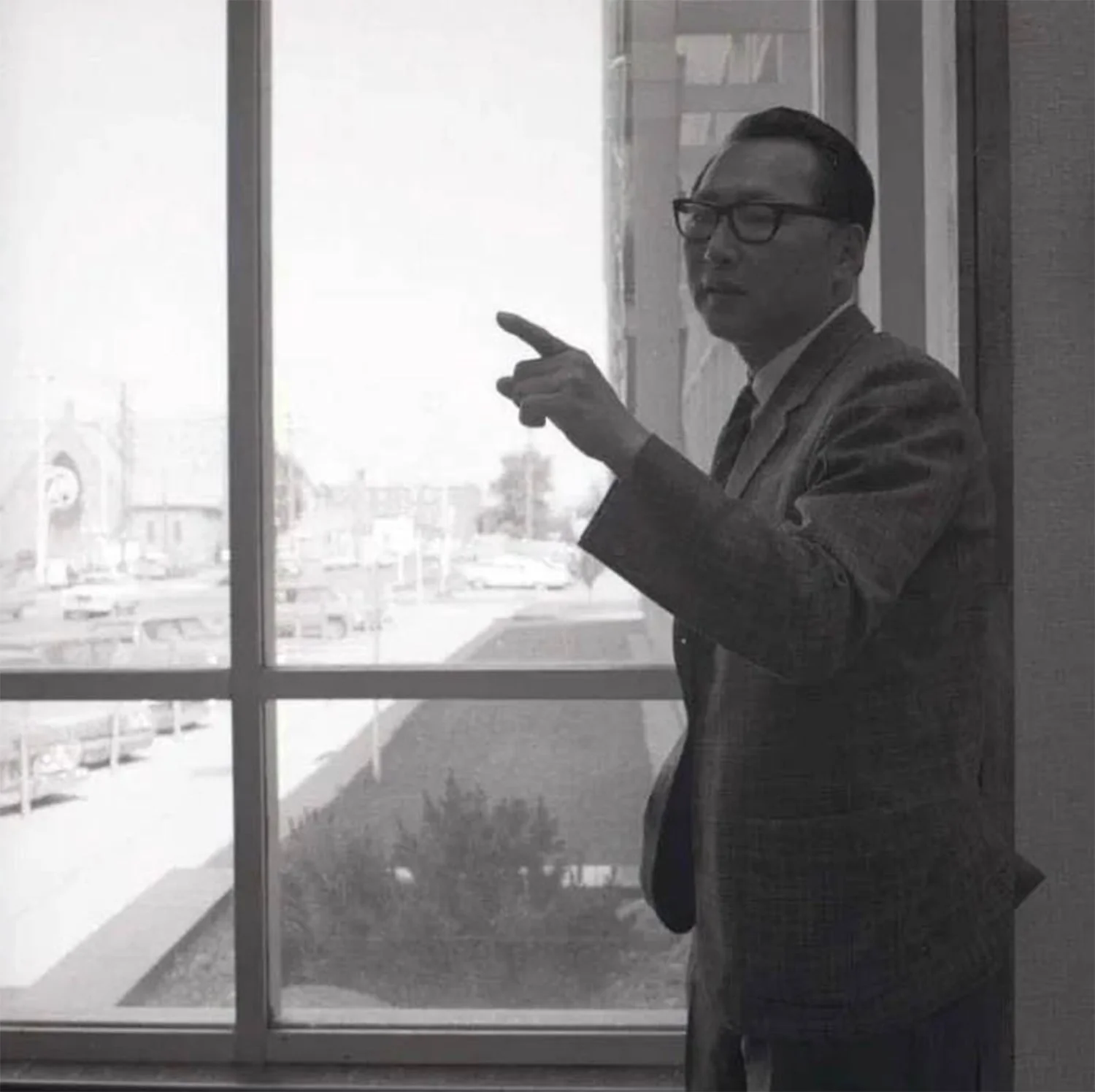
    ‘Kiyo’ Azumi was a core member of the Weyburn team and tripped with the nurses

    Kiyoshi Azumi built six ‘ideal mental hospitals’

    Architects Henrik Bull and Erik Clough wrote chapters for Ralph Metzner’s The Ecstatic Adventure.

    They took part in noted creativity and problem-solving exercises under the influence of LSD during the 1960s. Architecture has arguably become the trade most closely associated with psychedelic self-improvement since.

    The first modern-day architect to get turned on though was Kiyoshi ‘Kiyo’ Azumi. Commissioned to revamp Canada’s asylum buildings by Osmond and Hoffer, you can probably guess what happened after they met in 1956 under the proviso of ‘learning how the patients perceive their environment.’

    A long friendship developed: the first ‘ideal mental hospital’ in Yorktown, Saskatchewan was opened in 1965, another five were built in Canada, and a further in Pennsylvania USA.

    Izumi’s book LSD and Architecture specifies the following conclusions:

    1 Provide as much privacy as possible.

    2 Minimise ambiguity of architecture’s design and detail.

    3 Bear no intimidating features.

    4 Foster spatial interactions that curtail the frequency and intensity of undesirable confrontations.

    More here.

    Izumi passed away in 1996, and Weyburn was demolished in 2009.