Category: Integration

  • Revenge of the Shadow

    Revenge of the Shadow

        Integration
    Integration

    Just when you thought it was safe to step into the sunshine – the Shadow’s back! With its sidekicks Golden Shadow, Collective Shadow, Cultural Shadow, Anti-Shadow and your Anima alone knows what else…

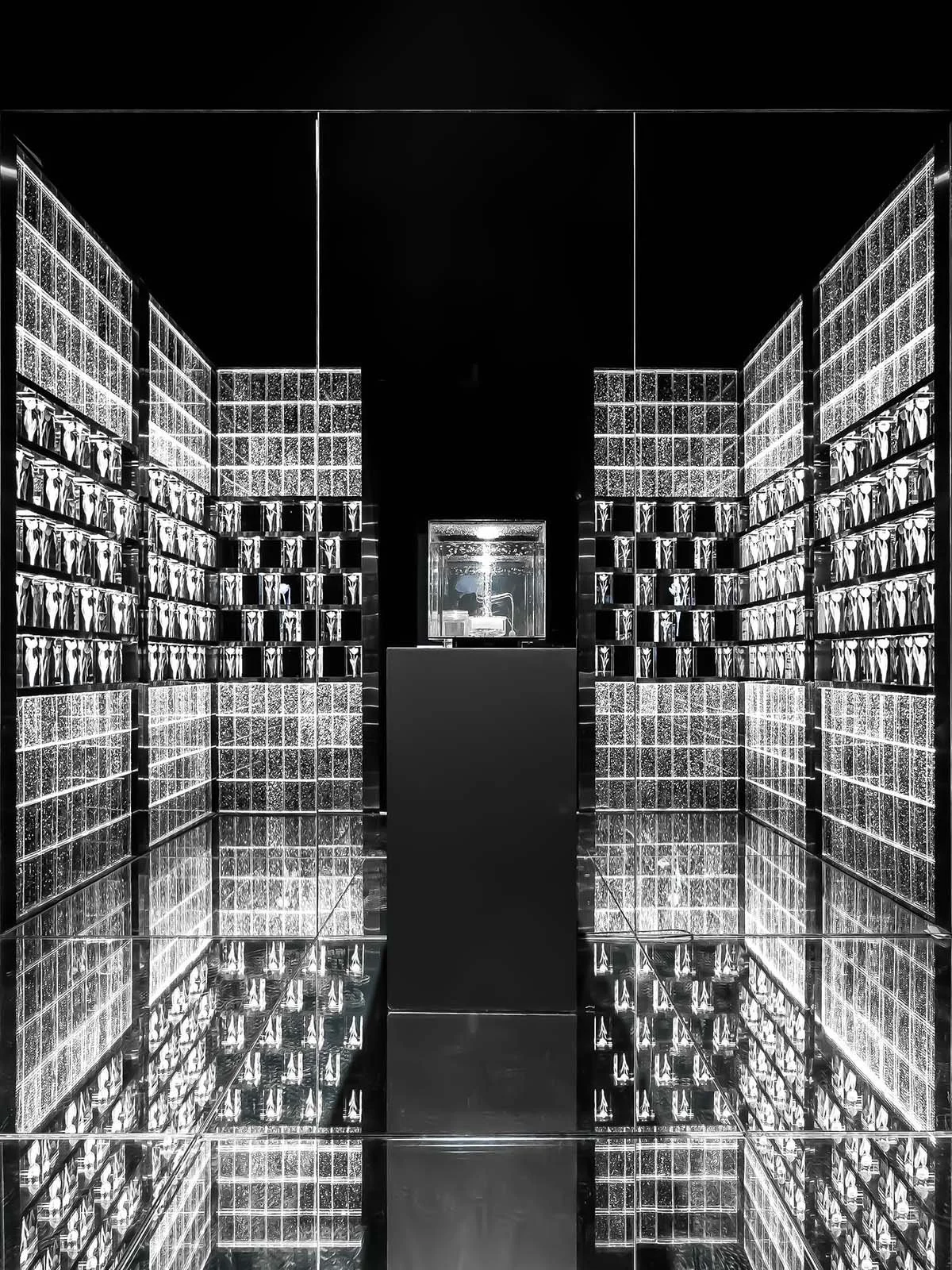
             ‘Memorabilia’ by Luna Ikuta      showing at      Wavelength     : A Momentary Spring, Beijing Times Art Museum China till 1 July
    ‘Memorabilia’ by Luna Ikuta showing at Wavelength : A Momentary Spring, Beijing Times Art Museum China till 1 July

    Thought integrating ‘the parts of you that you’re most ashamed of and keep hidden’ was the trickiest part of Jungian shadow work?

    You may be unsurprised to learn that the cycles are just beginning.

    There’s the ‘golden shadow’.

    This includes the silver linings that inevitably accompany the regular shadow’s negative traits.

    Plus perhaps more importantly the agreeable and positive aspects that we’ve smothered. We might suppress compassionate urges to appear indifferent (hard and cool in other words).

    “We take the collective shadow and make it our own”

    Sounds reasonably clear-cut.

    Yet be wary of discriminating between the golden shadow and the murky, original one. “The ‘positive vibes only’ culture is anti-shadow,” says says Jungian analyst Dr Ido Cohen, lecturing in Vital’s shadow work lecture series, “what might be happening that oppresses the shadow?”

    That’ll be ‘the collective shadow’. It’s the one who also nailed Christ to the cross, and willingly elects dictators. “We take the collective shadow and make it our own,” Dr Cohen expands. 

    “We can absorb the collective shadow, or become numb to it,” adds Dr Portal. Likewise we might celebrate our outsider status; just as psychonaut heads like to do. Should we attempt union? Or consolidate independence? 

    “What does integration look like?” says Dr Ido Cohen, “Moving away from these systems and creating something new? Or is it taking pieces of the experience and carrying forth?”

    British christian ecologist Paul Kingsnorth has a stark view on navigating shadow work. ‘Sacrifice and surrender are at the heart of faiths,’ he points out, ‘Nobody wants this. But maybe it’s what we have to do?’

    Serving up more Integration articles here on New Psychonaut:

  • Heoric Doses of Reality

    Heoric Doses of Reality

        Integration
    Integration

    Peak existence is the new peak experience, says 5-MEO DMT expert Dr Malin Vedøy Uthaug

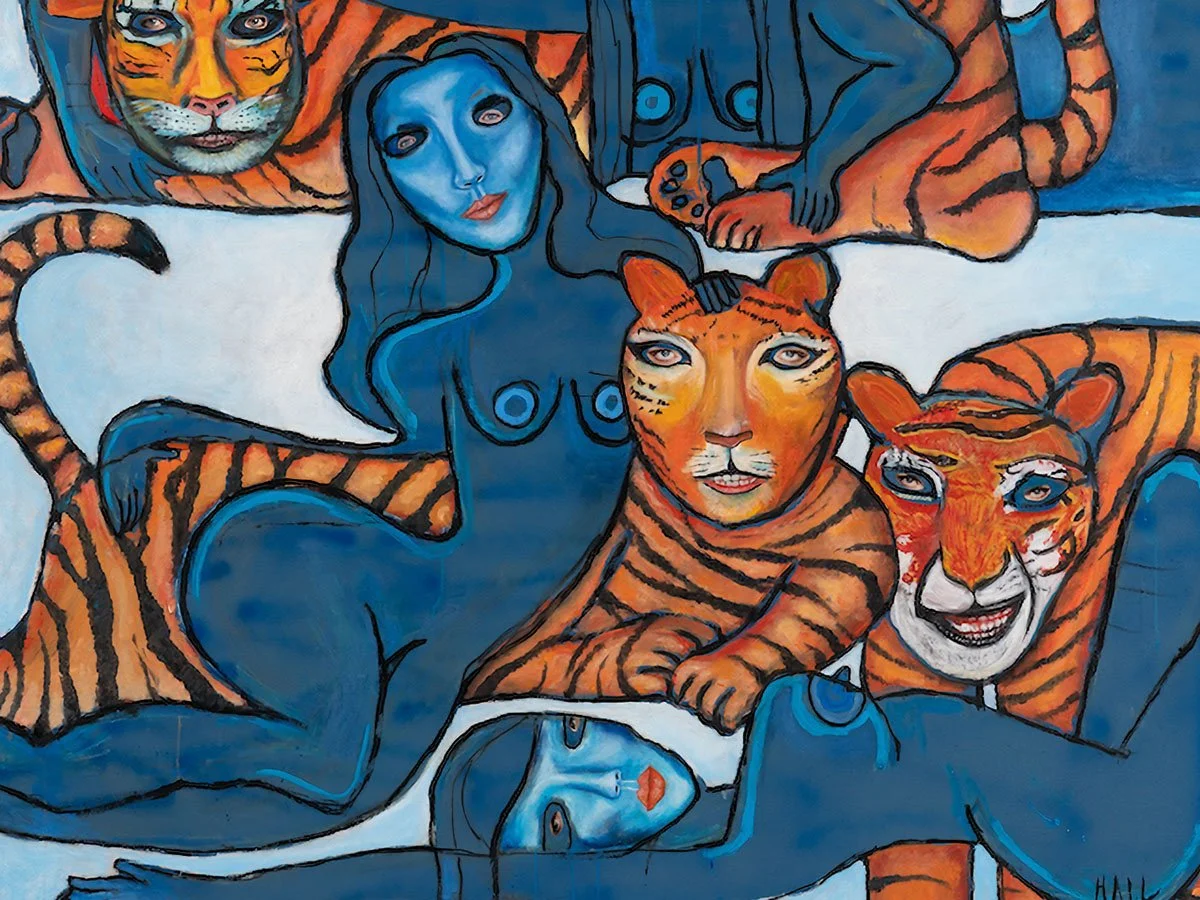
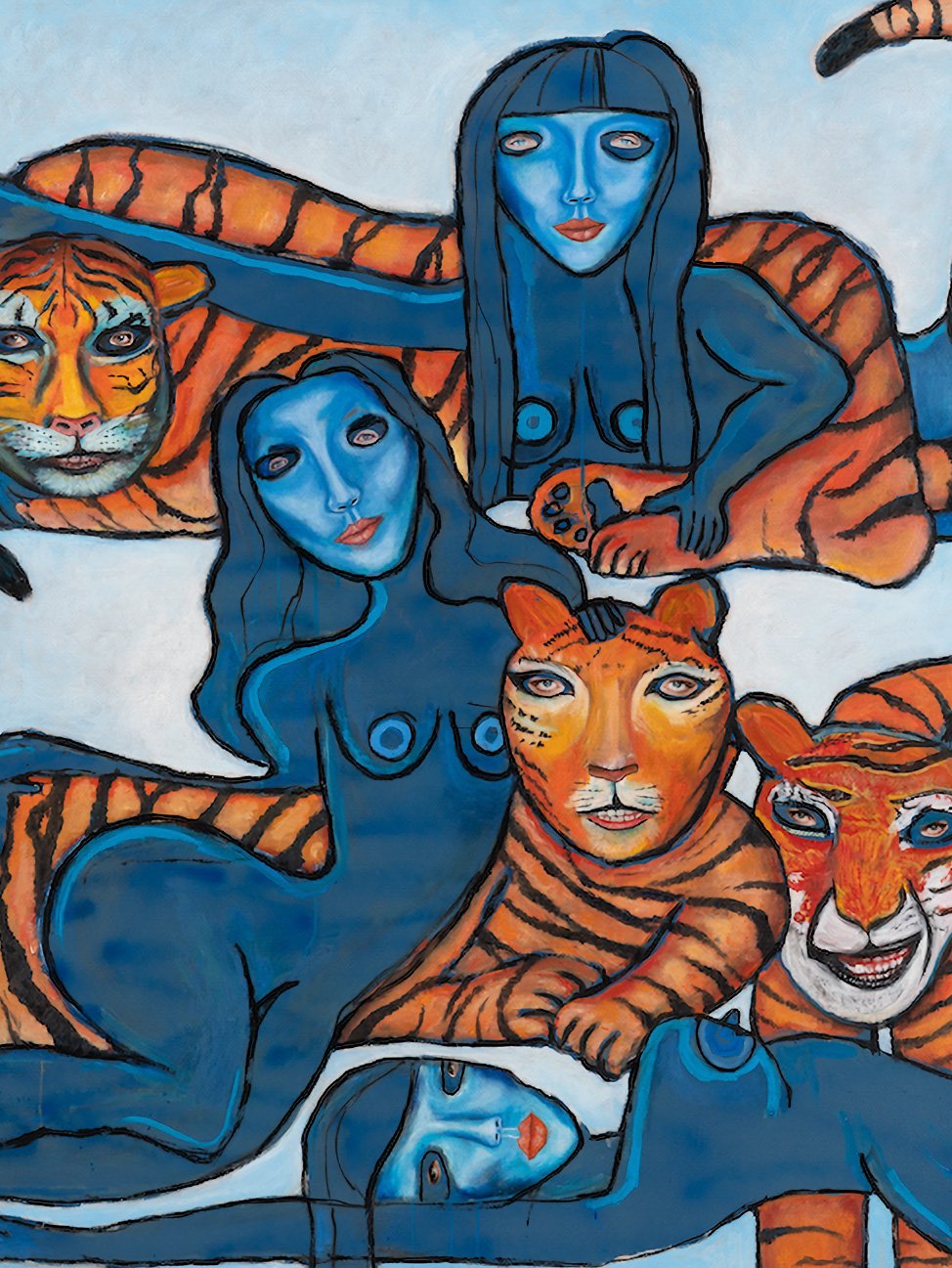
        By Trulee Hall from ‘Plays on Foreplays’, at      Rusha & Co, Los Angeles     , February 4 till March 11, 2023
    By Trulee Hall from ‘Plays on Foreplays’, at Rusha & Co, Los Angeles , February 4 till March 11, 2023

    The strictest lesson psychedelics taught me, is that they themselves are not important. It’s lived experience that is. 

    I don’t mean a Fabulous Furry Freak Brothers existence. (Although I am all for that too, especially as part of some ‘path of excess leading to the palace of wisdom’ thing). I mean stuff like Dr Malin Vedøy Uthaug does.

    The 5-MEO DMT research maven took up free diving while stuck in, y’know, Egypt during the COVID-19 pandemic.

    “I believe our society has emotional constipation. We need to get that shit out”

    This helped over come her fear of deep open water – ‘thalassophobia’ – and since she’s set two free diving records in her native Norway.

    “I believe our society has emotional constipation. We need to get that shit out,” says the firebrand, who’s swift to remind us that “different diets lead to a different psychedelic experience,” certainly according to plant medicine purists.

    This is felt on the material plane: “Putting the body back into the equation, is the way forward,” Dr Uthaug claims.

    This could mean bioenergetic therapy to encourage consciousness ‘integration’ on a physical level. Or… actually doing things as opposed to just talking about them

    “Changes need to be actively translated into your life,” says Dr Uthaug… which admittedly is likely to mean unexpected challenges, hard truths, and personal growth generally earned the hard way as per usual.

    “In the light of day, insights are about lifestyle”

    The trip is only part of the healing. You do the rest with the actions you undertake. That the mushroom or whatever told you to do.

    “A more holistic framework is what I’d love to see going forward, here in the space,” says Dr Uthaug, “Take an exaggerated example: when an addict take a psychedelic, they realise, oh, I shouldn’t be taking this substance anymore because it fucks me up, right? And so in the light of day, insights are about lifestyle.”

  • Trip for me babe… trip for you?

    Trip for me babe… trip for you?

        Integration
    Integration

    After a fortnight in the jungle, your relationships might never be the same

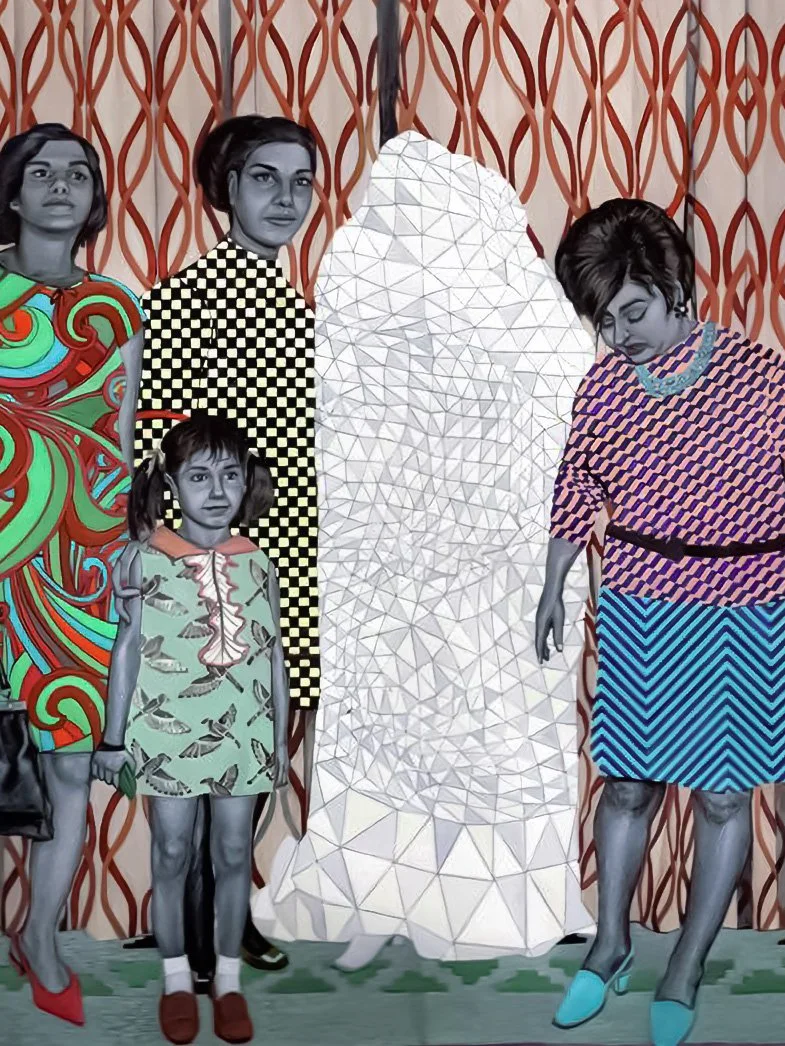
        Soheila Sokhanvari, The Gift, from the exhibition      Rebel Rebel at The Barbican     , London till 22 Feb 2023
    Soheila Sokhanvari, The Gift, from the exhibition Rebel Rebel at The Barbican , London till 22 Feb 2023

    “I’ve a feeling we’re inadvertently harming a lot of family members. If your partner goes for a two week ayahuasca retreat in the jungle, your life is going to change.”

    Thus warned Dr Adele Lafrance in her lecture to Vital students about how feedback from the frontlines is informing psychedelic therapy.

    And the emotion-focussed therapy expert told the Vital cohort that things can get even more cluster-fucked than that, once psychedelic rhetoric sets in. 

    “The concept of blame in psychedelic work is very delicate and potentially dangerous,” she says in her quietly subversive style, “there’s that fundamental belief that ‘we are all one’ and ‘inner conflict is related to outer conflict’.” 

    Transcendent resolutions usually only happen in retreat brochures. “Healing can be disruptive,” points out the self-declared ‘steward for reality’ – “We don’t want to throw anyone under the bus.”

    If handled correctly, “Holding the healing for the patient’s chosen, natural environment can encourage positive effects, lessen negatives, and evolve relationships,” says Dr Lafrance, improving key connections for the benefit of all concerned. 

    “Neuroscience supports the healing power of supportive caregiver-loved one reactions,” she continues, encouraging “Working at letting go of blame narratives and fantasy as a tool, in particular those involving our primary caregivers… as for some reason, at this stage of evolution, humans are strongly affected by the context of attachment relationships.”

    Psychedelic culture, its rhetoric at least, is infamous for butting up against reality: from free love to not doing any washing up in the hippy commune and the ‘all conflict is bad, mmm-kay?’ notion referred to by Dr Lafrance above.

    “It’s a skill to hold space for absent family members”

    And patient-voyagers often come crashing back down to Earth when they head back to the all-too-real environment of the office, family dinner table, or marriage bed.

    “As a field we need to think how we’re managing systemic stress,” says the working doctor, “If we foster asymmetry of growth by only treating one person, it can have worse outcomes for the client – breakdown of a marriage, for example. There is a high chance of getting divorced, when if we treated both the relationship could have thrived.”

    MDMA-assisted couples’ therapy is still a few years off. What can psychedelic therapists do to keep ‘systems’ like couples and families in union till then?

    “It’s a skill to hold space for absent family members. And it can be an especially complex skill to deeply validate the client’s experience while still honouring the family member,” advises Dr Lafrance.

    “We don’t want to throw anyone under the bus”

    She’s a specialist in Emotion Focussed Therapy (EFT) which has its own branch for next of kin, Emotion Focussed Family Therapy (EFFT).

    During Zoom lectures, “I normally have my hibiscus behind me,” says the congenial clinical psychologist, with no further explanation of her favourite flora’s current whereabouts, “I normally point at it while I say this; a client’s lineage makes up the whole plant. So, an example of what I might say [about their family] is, ‘Yes, they were not able – not didn’t care, or didn’t try. Let’s cultivate these experiences, so you can be the first flower in your family lineage to bloom.”

    Cod spirituality around ‘respecting the ancestors’ is best kept in mind, rather than hectored at the client. “We don’t have to tell the patient, but it’s important for us to remember the cultural, religious and social influences that changed the directory of their lives.”

    Here in the UK, family members have a legal right to a ‘needs assessment’ that can provide additional support, and a study on Multiple disassociation disorder (MDD) Dr Lafrance is consulting for here in Europe involves the family. “This could be a formal process during screening [in the USA] as things get legal, especially if they are under-resourced or unaware,” she says.

    Those of us who are wary of social services padding about our home, or feel their help may be superfluous, might also find ourselves cast in a role of responsibility, where certain emotions are unwelcome.

    And personally, I’ve seen more women presenting at services usually associated with men, like anger management (see the Kardashian sisters for a celeb example). It’s connected to a sense of overwhelment, usually from satisfying others’ needs before one’s own.

    “We don’t want people to taint our experience when it’s so fresh, raw and vulnerable. So we tell the family that they can’t expect to hear all about it”

    Says Dr Lafrance, “There are gender differences, unfortunately, that are still true you know, in terms of how we have been culturally conditioned to connect with emotions. Men still struggle more with sadness, fear and shame. Women, because of cultural conditioning, and socio-political movements meant to suppress female assertion, still struggle with healthy anger. So that’s why I use this dichotomy: ‘Which one is true for you?’ Because it’s not always gender specific, especially as we continue to evolve as a culture around questions related to gender roles.” 

    The respected clinical psychologist also recommends discretion around any potent visions and insights voyagers may’ve enjoyed. “At the end of the session we’ll ask the client what they feel comfortable sharing that doesn’t compromise them, their needs, or their integrity, but is still informed by what a couple might need. We don’t want other people to taint an experience when it’s so fresh, raw and vulnerable. So we tell the family that they can’t expect to hear all about it.” Bear in mind that sharing you spoke to an omnipotent mushroom counts for that.

    What if, like myself, you sometimes get carried away with the notion that everyone in your family would benefit from a little medicine work? 

    “When I was in the jungle what came up over and over again was – you have to be in touch with reality”

    In the post-lecture question and answer session, I asked Dr Lafrance how not to share too much with friends and family: “Yeah, in fact, that would be another point of direct intervention, actually. So thank you for bringing that up,” she replied, “If someone in the context of the ceremony, you know, or session says, like, ‘Oh my gosh, I wish my parents would do this, I wish my brother would do that, I wish my sister…’ then I will ask them to look more deeply into that.”

    Doing so might enable the patient to “Release themselves, and release that person from, you know, having to be at the same stage of healing,” says Dr Lafrance, “Release self first, release other second. And if that comes up in integration sessions, I would do it the same way – like, ‘Yeah, check in with the part of you that is longing for that. Let’s see what it needs. Let’s see what it says’.”

    Dr Lafrance can certainly tell you what the Grandmother Spirit had to say about her own familial ins-and-outs, during a lengthy ayauasca retreat.

    “When I was in the jungle, that was one of the things that came up over and over again – like, you have to be in touch with reality.” 

    Which is probably a better tip than ‘You must respect the ancestors.’ But like anything genuinely helpful, it’s not easy to take on board. 

    “They are limited in their capacities,” she explains, “And it’s not because they don’t love you. It’s not because they desperately want you to be different, that you’re not going to be able to get what you’re looking for. And so where else you’re gonna get it? Inside. And I cried many tears over that, you know, sprawled out on the earth outside of the maloca. Like, not wanting that to be true.”


  • Transcendental family systems

    Transcendental family systems

        Integration
    Integration

    Ready for ceremonies with mum and dad, the grandparents plus your kids and even the dog?

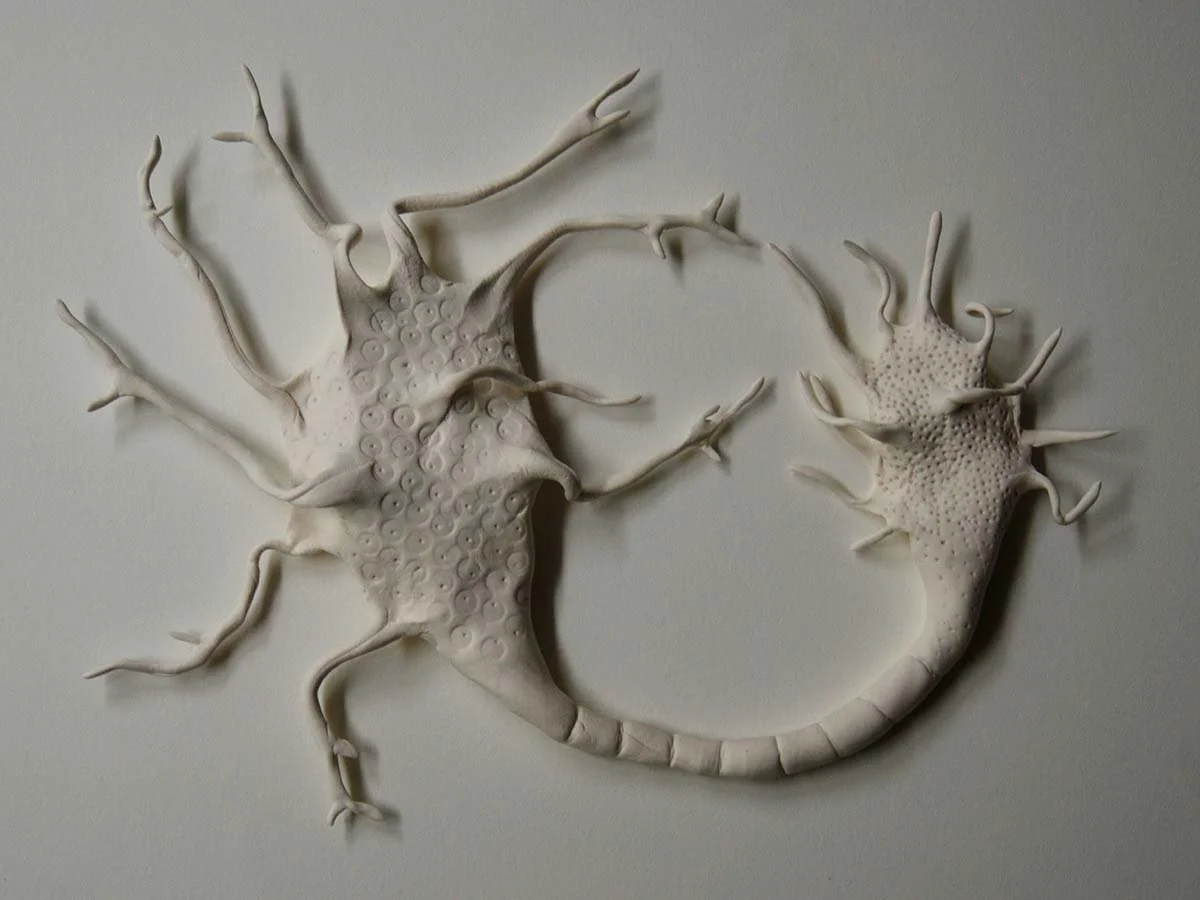
        Shanthi Chandrase,      ‘Neural Introspection’
    Shanthi Chandrase, ‘Neural Introspection’

    Tribal gatherings could be on the cards for all the clan.

    Phase one tests showed microdoses of LSD did no statistical harm to Alzheimer’s sufferers.

    “LSD’s complex pharmacology works on so many different 5-HT receptors,” 17 to be exact, “that it impairs several of the various functions that lead to Alzheimer’s Disease,” says Vital neuroscience lecturer Dr Charles Nichols.

    Testing LSD on Alzheimer’s patients is an adaptation described as “surreal” in the post-lecture discussion by a psychiatrist studying on Vital. 

    Corresponding tests in the UK are taking place around Liskeard in an idyllic corner of Cornwall, England. Phase one tests for safety have indicated no harm using microdoses of up to 20ug.

    There was however a noticeable increase in ‘psychotic episodes’ amongst the placebo group. Suppress your giggles triggered by thoughts of oldies on an LSD placebo turning up at the health centre convinced they’ve seen a pink elephant. 

    “Psychedelic protocols with children will happen”

    Sounds like the elders can join in the ancestor ceremony; as befits them.

    So can the younger generation.

    “Absolutely there’s a place for effective and safe psychedelic therapy in younger people,” said Dr Ben Sessa in the Q&A after his Vital lecture back in the Therapy module.

    “I have seen too many teenagers lose the battle to mental disorder and kill themselves in my career,” continued Dr Sessa in fine style, “I have no doubt that psychedelic protocols with children will happen.” 

    It’s on already in fact. “MAPS are currently leading the pack in terms of MDMA for PTSD, are going to be doing PTSD research in initially teenagers 14 to 17 then younger age group 11-14, and then possibly six to six to 11,” says Dr Sessa.

    And mum? She can feel really special down at the ceremony.

    “Hormone replacement therapy significantly increases 5-HT2A expression”

    Charles’ is admired for his ‘animal models’. Not a collection of balsa wood dinosaurs that adorn his lab windowsill; rats bred to be especially sensitive to psychometric testing. This sensitive rat pack is mostly female, which has led Charles’ team to discern a key detail for menopausal psychedelic voyagers.

    “Oestrogen, and hormone replacement therapy significantly increase 5-HT2a expression,” he reveals, “So we have to optimise women and men differently.” 

    To test for depression whether treated with psilocybin, ketamine or SSRIs, rats are usually challenged to swim across a small basin of water towards an exit duct. Paddling around searching around for the way out is known as ‘active coping’ and therefore healthy. Zoning out in the middle of the water awaiting your watery end ‘cos what’s the point anyway? is ‘passive coping’, and bad news of course.

    Plus with dogs and cats taking Prozac and other SSRIs it can’t be long before your favourite furry fellow sentient beings are in a higher state of consciousness too.

    Fun for all the family.

  • Botanic therapy

    Botanic therapy

        Integration
    Integration

    Wasiwaska in Brazil is Dr Luna’s psychedelic nature reserve

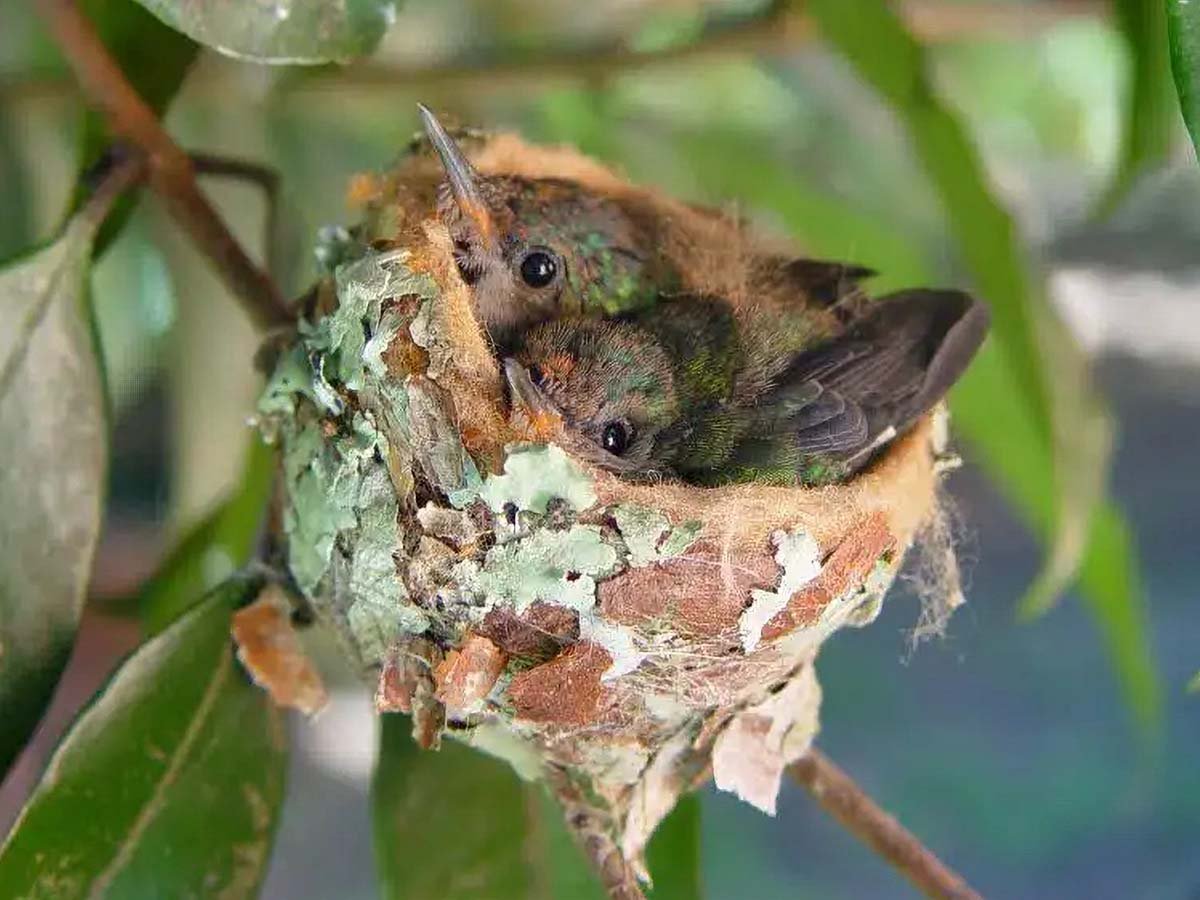
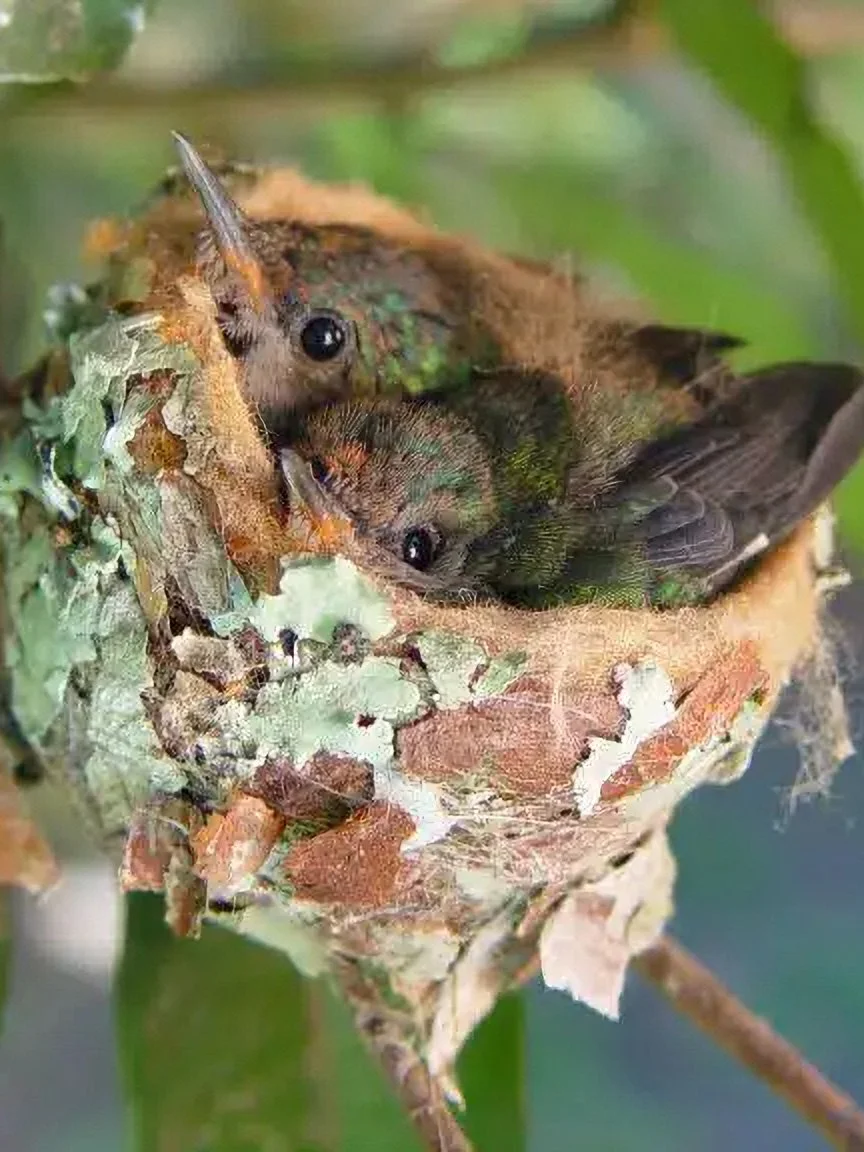
       Hummingbird babies nesting on Dr Luis Eduardo Luna’s      Wasiwaska      nature reserve
    Hummingbird babies nesting on Dr Luis Eduardo Luna’s Wasiwaska nature reserve

    Gardening just got even more quietly inspirational.

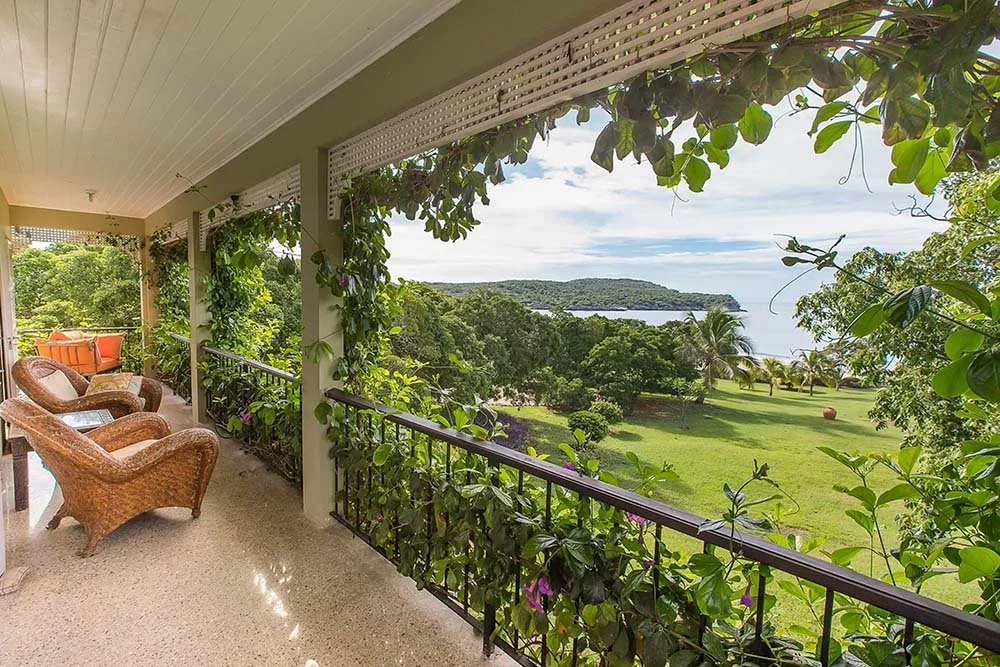
    Among Dr Luis Eduardo Luna’s itemised tips for for the Western psychedelic therapy sector presented in his Vital lecture is: ‘Experience the medicines among beautiful, dedicated surroundings.’

    Another recommendation is to grow the plants and fungi locally, plus grant patients access, “So they can spend time in the forest feeling the presence of non-human persons. There is healing from contact with the forest itself.” Specimens should be kept around at least, so “People have direct perception of them.”

    Wasiwaska is Dr Luna’s psychedelic nature reserve, retreat and research centre on a far corner of Santa Caterina island, Brazil’s answer to Ibiza. Artist Alex Gray, Cosmic Serpent author Jeremy Narby, writers Graham Hancock and Sue Blackmore, plus DMT pioneer Dr Rick ‘The Strass’ Strassman are among the luminaries on Wasiwaska’s advisory board.

    Dr Luna, who was born on Santa Caterina is not the only local ecologist; an initiative to reintroduce oysters to the ecosystem has proved stunningly successful. 

    This El Jardin de la Ciencia (scientific garden) was founded in 1996 while Dr Luna was teaching at nearby San Catarina University. It boasts extensive ethnobotanical gardens, a psychedelic library, and study facilities plus guest rooms. It is the culmination of several other attempts that Dr Luna didn’t let phase him.

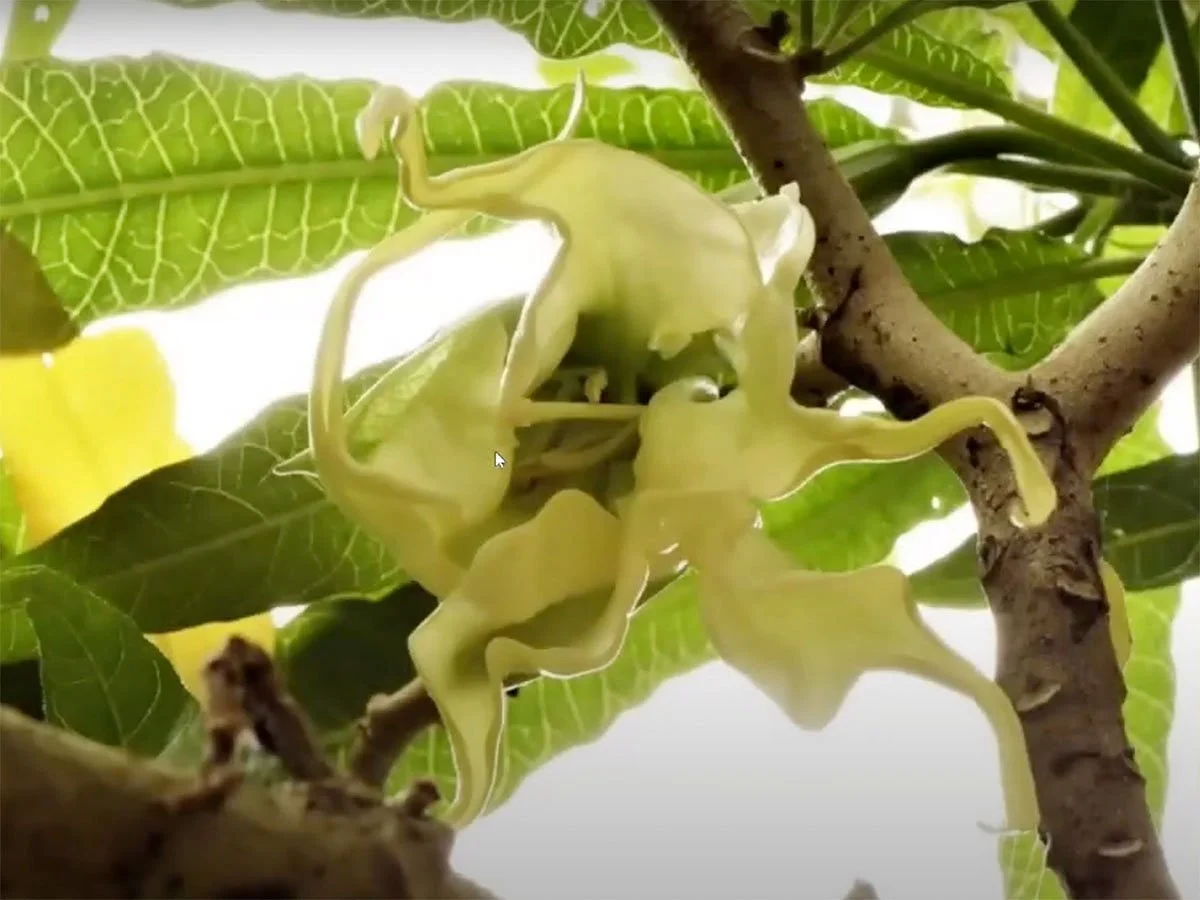
       Distinctive brugmansia aurea flowers at Wasiwaska
    Distinctive brugmansia aurea flowers at Wasiwaska

    Dr Luna showcased the garden in a speech titled The Wasiwaska Ethnobotanical Garden in Southern Brazil: A Chronicle at Exeter University (where he is an associate research fellow) for its Transdisciplinary Research Colloquium on Psychedelics in July.

    The enclave is home to miles of ayahuasca vines, fifty-plus chacruna plants, capi, yagé, plus even more exotic DMT-containing plants like the distinctive brugmansia aurea, which flowers near constantly and produces “an intoxicating scent, that at night is overpowering. Its leaves vary in length like a key. A spider living inside the flowers changes colour accordingly; the bees are interacting with the spiders, getting some sort of effect. Perhaps it’s possible to make psychotropic honey.” 

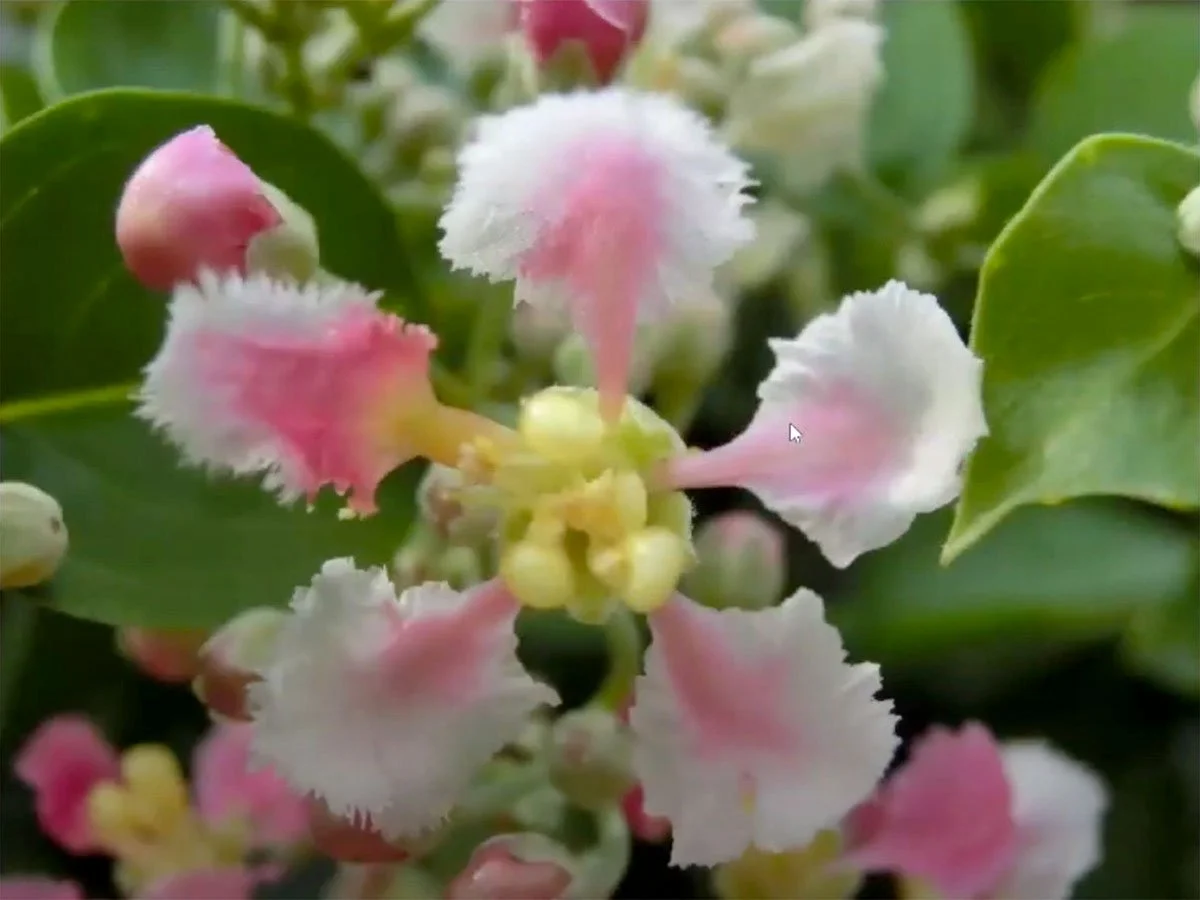
       Ayahuasca flowers at Wasiwaska
    Ayahuasca flowers at Wasiwaska

    Dr Luna and Anna tap sap from the psychoactive vines and drink it as a syrup. DMT-containing Cohaba trees, which Christopher Columbus turned down and took tobacco home instead, are also in situ. Non-native plants like Polynesian kava-kava, Tabernaemontana catharinensis a South American plant with similar effects to iboga, and peyote – which has been grafted on to San Pedro so it grows much quicker – have been cautiously introduced. 

    Permaculture innovations like clitora plants, which sport vibrant flowers and invigorate clay soil, support the ecosystem. Living alongside are the hummingbirds, bees and spiders one would expect in the wild. The garden is mostly curated by Dr Luna’s wife Anna, who recently introduced marmoset monkeys. These headed straight for the Cohoba trees that were part of their ecosystem, taking resin in morning and evening. The monkeys climbed other DMT-rich plants that weren’t part of their natural environment and did the same.

    “My first teacher, Don Emilio,” about whom Dr Luna made probably the first ayahuasca documentary Don Emilio and his Little Doctors in 1984, “told me everything is full of life, of spirit,” he reminds us.

    See what’s on at Wasiwaska via wasiwaska.org

  • As above, so below

    As above, so below

      In  te  gr  at  io  n
    In te gr at io n

    A fungus using K to clear parasites could hold the secret to the brain-body disease connection

       Bacteria operating in fracal patterns observed by the late Dr Eschel Ben-Jacob
    Bacteria operating in fracal patterns observed by the late Dr Eschel Ben-Jacob

    Pochonia Chlamydosporia is a fungus recently discovered to use ketamine for flushing parasites out of its host plant’s roots.

    Discovered and hyped only recently, there are two eyebrow-raising elements to this. 

    Firstly ketamine is a ‘designer drug’, or as elite space commando and neuroscientist Andrew Gallimore wrote on Twitter, “a perfect example of a purely synthetic molecule. The arylcyclohexylamines, of which ketamine is the prototypic example, are a product entirely of the human mind… Oh wait…”

    Did the fungus get hold of it via the mycelial network? Is biology categorisable to the extent that a substance arrived at in lab tests can be naturally occurring but not yet discovered? Or did the Reality Switch Technologies Gallimore writes about come into play, somehow?

       Some ketamine killing parasitic worm eggs
    Some ketamine killing parasitic worm eggs

    Secondly: Pochonia Chlamydosporia uses ketamine as an anti-microbial agent. A robust two-parter in Psychedelic Science Review dug out a 1987 study where ketamine did a great job killing bacterial heart lining infections in rabbits – and stopped the rabies virus breeding in rats.

    In 2002 ketamine was tested against market antibiotics and crushed Staphylococcus aureus, a common opportunistic bacteria that causes all kinds of nastiness, from pimples and impetigo to MRSA and pneumonia… and has become 80% resistant to antibiotics since penicillin was invented in 1943.

    The 2020 report from the un-putdownable Parasites & Vectors journal tested ketamine against agricultural anti-wormer ivermectin, which used to be advertised on TV back in the West Country to give you an idea of how widespread its farming use is. Ketamine performed equally well.

    But what has actually captured the imaginations of many in the space is that this means ketamine counts as a ‘plant medicine’. I eagerly await the complex mythologies, concept albums, groundbreaking scientific discoveries, artistic genres, philosophical insights, and bespoke geometric fabric designs that shall surely now emerge from the ketamine subculture, such as it currently is.

  • Let them know it’s Saturnalia time

    Let them know it’s Saturnalia time

      In  te  gr  at  io  n
    In te gr at io n

    Heal the world from collective trauma says Thomas Hubl

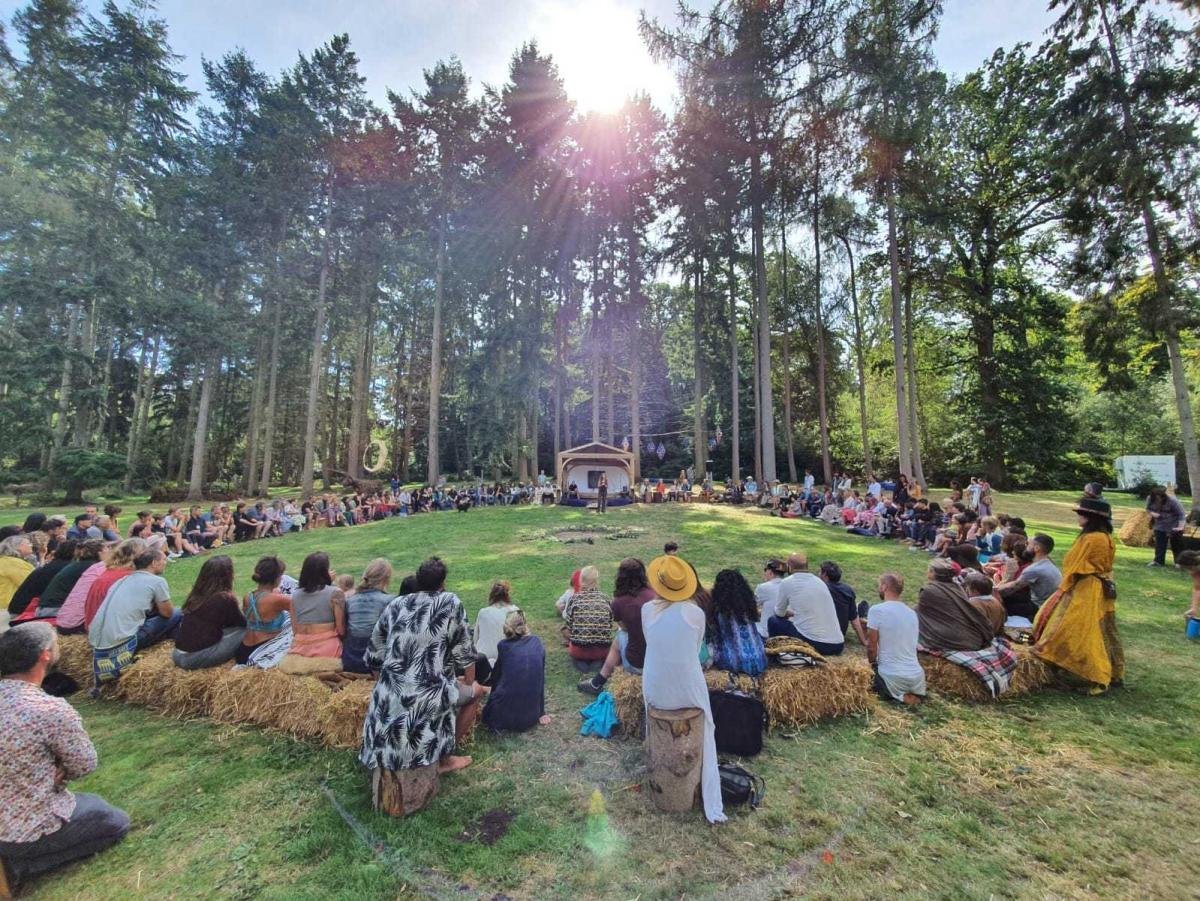
       2022’s      Medicine Festival      in the UK
    2022’s Medicine Festival in the UK

    My journalism network brother Matt Green is the author of Aftershock: fighting War, Surviving Trauma and Finding Peace (New Statesman: ‘Outstanding’, Spectator: ‘A work of integrity and substance’, TV’s Bear Grylls: ‘Compelling, humbling and inspiring’).

    He examines collective trauma in his new blog Resonant World – and ways to heal it. Like the UK’s Medicine Festival whereupon he has hence returned. 

    “I’m going to sound too idealistic and starry-eyed about what is basically a fun gathering in a field,” Matt reports, “But a core part of me knows I came away feeling more peaceful, grounded and inspired than when I arrived — and I’ve learned to trust that felt-sense more than my fear of sounding naive.”

    Matt, who’s on the environment beat for Reuters right now, worked as a war correspondent in Iraq and Afghanistan. He spoke on the launch address call for The Collective Trauma Summit 2022 (oh yes), cooked up by guru Thomas Hubl author of Healing Collective Trauma. Which features basically everyone from the wonderful world of 21st century wellbeing. 

    “Trauma on a personal level is energy, on a collective level it’s a storm,” says Hubl, who talks about activating our ‘collective immune system.’ He maintains “it’s an important function of collective health and if we don’t even have it, that’s a sign of our health.”
    Matt addressed journalism’s part in mankind’s burnout. “The media is frozen, reporting what’s ‘out there’ as if it’s on a glass screen, stuck in a psychic sludge,” says the father of two married to a children’s therapist, “we’re ‘looking at broken glass through broken glass’ to borrow Thomas’ own phrase.”
    Us media scum need unconditional loving too, says Matt: “That’s true of journalists as much as the rest of us who were born into this traumatised society. Journalists are recognising they need to be healing themselves as individuals, having perhaps been part of environments that encourage trauma-causing behaviours. Clinging to the notion that objectivity could protect us, was a fiction.”

    When Sunday Times suits wouldn’t sign off heroic war reporter Marie Colvin’s expenses, hacks left a cow’s eyeball on the accounts desk in reference to the eye Colvin lost to a rocket propelled grenade blast while covering the Sri Lankan civil war in 2001 (it gave her PTSD). She sported her signature eye patch thereafter.

    Driven on by her own unique quest for homeostasis, Colvin died reporting under news blackout from the siege of Homs in 2012 when her building was hit by Syrian artillery.

    “Journalism can be a form of healing too though,” says Matt.

    Decorated foreign correspondent Dean Yates was shattered by PTSD after two of his team were killed by an Apache gunship crew. Wikileaks dug up pilot cam footage that made for difficult viewing. Yates beat himself up further for not making enough of a storm with it. Eventually he was admitted to a psychiatric ward.

    Now, Yates talks about his experience at edgy institutions. He and Reuters set up a blog site and mini-community where burnt-out broadcasters and wobbly world-slingers could exhume a bit of trauma by banging out some posts. 

    “Slowly the culture started to change a little,” says Matt, “I’m not saying there isn’t a long way to go for the media…”

    My cousin’s in Ukraine right now with the BBC. The most traumatic my journalism career ever got was when I reviewed Ian Schraeger’s new hotel and the remote for the TV in the suite didn’t work. No it wasn’t. It was when a close colleague and I were on the wrong end of a corporate ‘moral injury’ and he killed himself. 

    Not that I, he or anyone in that position was, or is, above such behaviour ourselves. Neither are we discouraged to be, like Matt points out. And we’re the lucky ones. “None of this is possible without a community system that offers support, equity and justice,” points out Matt’s fellow host on the Collective Trauma summit, heavyweight sociologist Dr Ruby Mendenhall. Her work highlights the need to address racism as a health crisis given its eventual, detrimental effects on health, lives and budgets.

    “Our own experience of trauma is not deep enough to feel deeper traumas holistically,” says Hubl of social engineering, “We provide properly; we see them as problems and patch them up with ideas. Yet there is an intensity of emotions we are not able to address.” Mendenhall’s work with communities in Illinois includes community wellbeing centres like those in Compassionate Care Frome, plus business incubators, career roadmaps and personal financial advice. 

    When not kicking ass, Medenhall dabbles in poetry. Jotting down some rhymes has sort-of neuroscientific healing properties according to the summit’s Dr Laura Calderón de la Barca: “It’s using imagination as a container for healing. Beyond words alone, elements from the future and the past can meet.” Careful or I shall be forced to publish my Burroughs-style cut-ups.

  • IRL is a bummer

    IRL is a bummer

      In  te  gr  at  io  n
    In te gr at io n

    Returning to everyday existence brings depression patients right back down

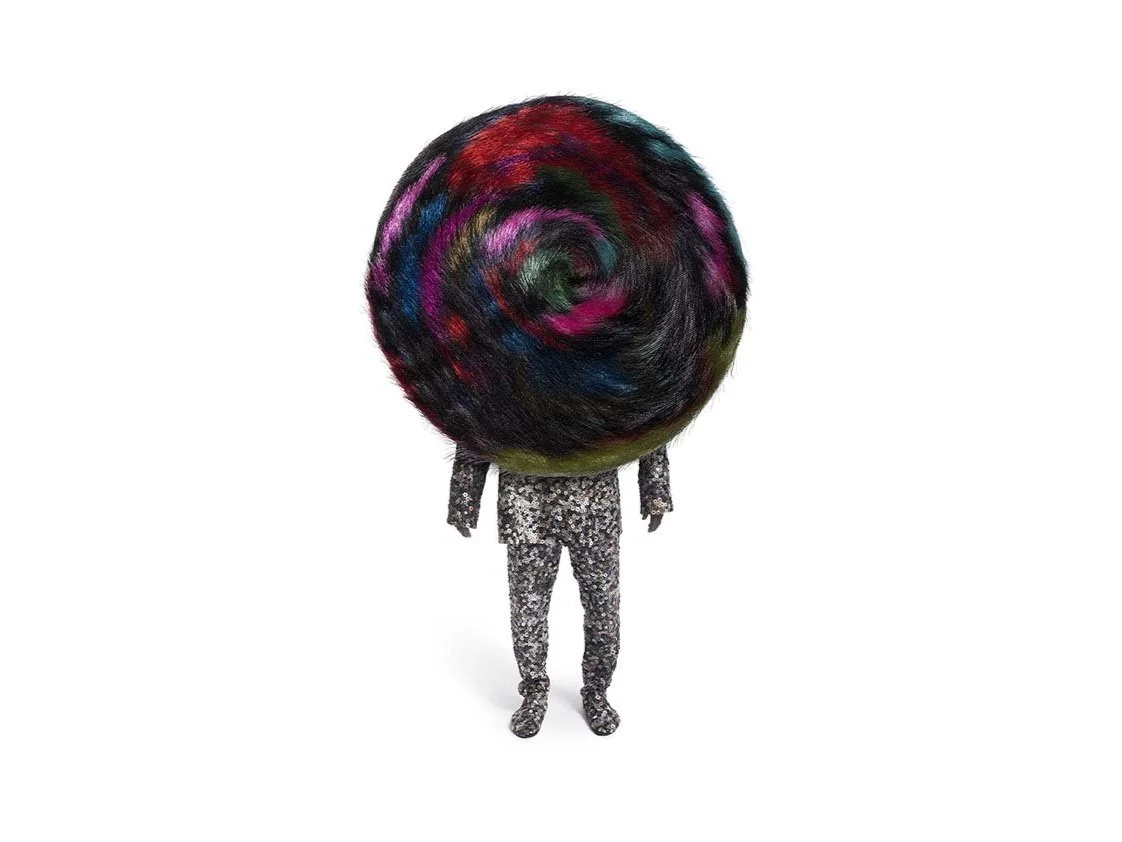
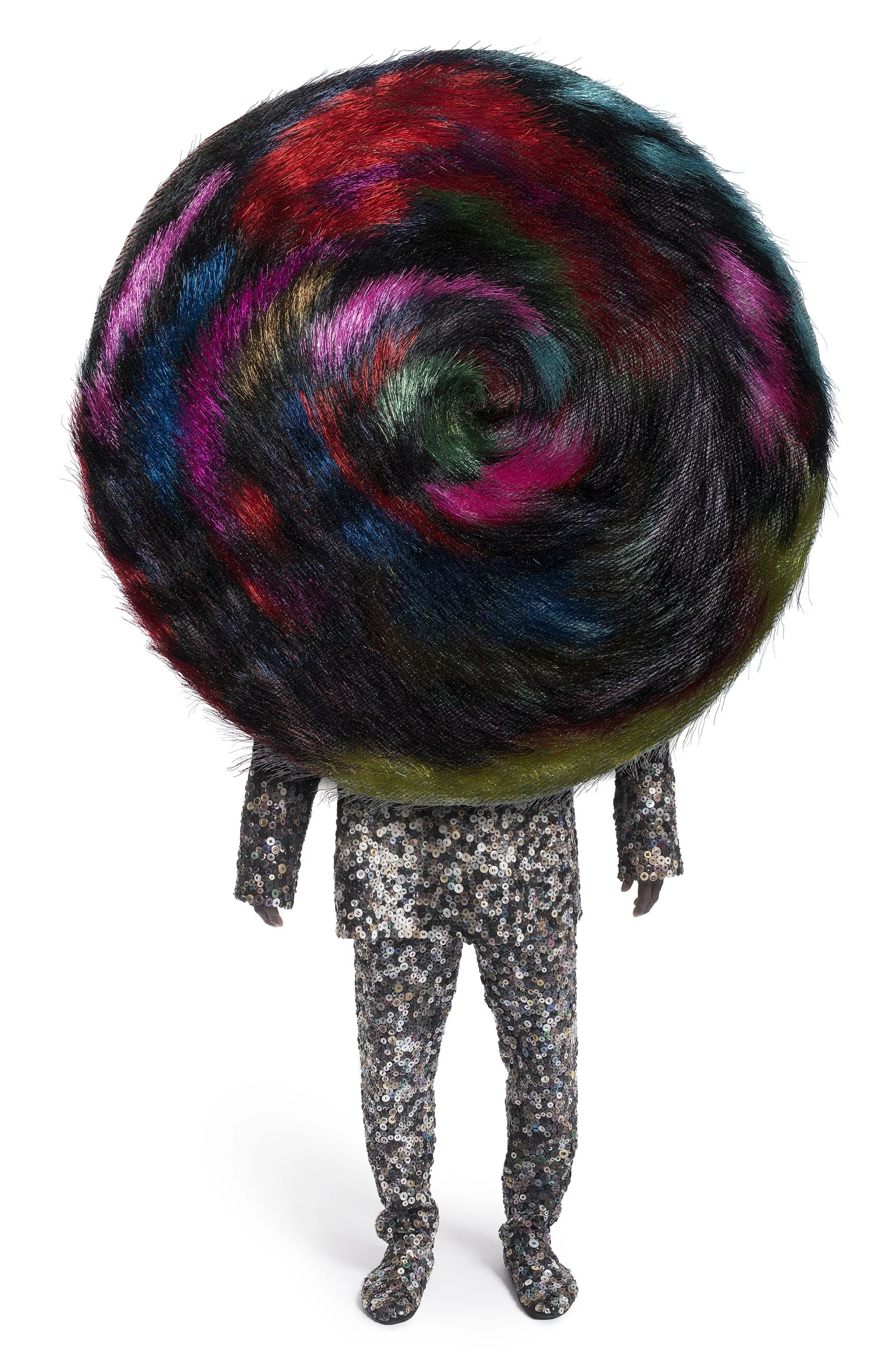
       Nick Cave ‘Soundsuit’ at      In the Black Fantastic      Hayward Gallery till  September 18
    Nick Cave ‘Soundsuit’ at In the Black Fantastic Hayward Gallery till September 18

    Psychedelic integration isn’t the ideal topic for water cooler chat with your line manager on a Monday morning.

    Meditation, vegetarian diets, forest bathing and volunteering, all inspired by the cosmic visions on a magic mushroom trip. It all sounds suspiciously like hippy stuff, guaranteed to create even more disconnect between you, your news cycle-bedevilled colleagues, wine-guzzling borderline alcoholic partner, and rigid family. 

    “Most of the people I’ve worked with have had a disappointing crash. Integration is partly about managing that disappointment. You can’t separate the drug from the therapy – and the community you go back to after a session,” said Dr Ros, AKA PsiloDep 2 clinical lead Dr Rosalind Watts at Psych Symposium’s integration panel earlier this year also featuring Ian Roullier, co-founder of trial subject support and campaigning group PsyPAN

    “My colleagues think it’s extreme… whacky”

    PsiloDep 2 trial subjects were given 35 to 40 hours of therapy, which is more than I’ve had in my life. But costs, for a start, kept post-experience integration services light. The trial subjects’ woe prompted Dr Ros to manifest ACER, her integration platform that “involves getting into nature and a closely bonded support group, that’s saved all of us during the pandemic,” says Roullier. 

    Former international-level professional sportsman and Iboga advocate Rory Lamont was on the panel too. played rugby, a traditional contact sport that’s notorious for its conservative values. He only had the informal WhatsApp group set up by the folks on his retreat for succour. 

    “I went through some difficult challenges post experience,” he told the panel, “The connection with the medicine is just the start: we want to embody the insights but if we’re not being met by our family and friends it’s isolating and can bring back the loneliness, and the depression.”

    The new approaches his insights compelled him to take were nightmarishly distant from his existing lifestyle. “These medicines get to the root of our suffering, the trauma and disconnection from family, friends, society,” he says, “Instead we get a connection to mother nature and community, that brings about the profound healing.” After the experience is over though it’s straight back to ‘real life’, such as it is. Most of my colleagues think it’s extreme, whacky,” says Lamont.

    “The worst part is when you feel the effect fading, and you can’t access it any more”

    PsyPAN co-founder Leonie Schneider says psilocybin was “the start of a long healing process which I’m very grateful for, but it’s quite a thing to be involved in. I didn’t get the ego death, the mystical experience, and came out slightly disappointed. But I got some other, incredible things that we wren’t what I expected.” Schneider may not have been able to get those benefits without experienced integration support. 

    Ian Roulllier also took part in Compass’ psilocybin trials, where “my depression came back as soon as the drug wore off. But there was a strong focus on integration with a group centred on Maudsley Hospital [where Compass and the UK NHS public healthcare provider are building a dedicated centre in woodlands of New Bethlehem AKA ‘Bedlam’ asylum].” 

    The drugs are catalysts and require the integration to have long-term tangible effects, says Roullier. Trial subjects can’t breeze into Imperial for another heroic dose top-up, “The worst part is when you feel the effect fading, and you can’t access it any more.” 

    Although there were moments of oceanic boundlessness. 

    “The best is every now and then I check in, and just go out on the grass, and feel it under my feet,” muses Roullier, movingly and sincerely, “But I did get attacked by a swarm of wasps once. I thought, am I still tripping?”

  • Impeccable you

    Impeccable you

      In  te  gr  at  io  n
    In te gr at io n

    It’s not enough to simply do good as psychedelic therapist. Better look good on the CCTV too

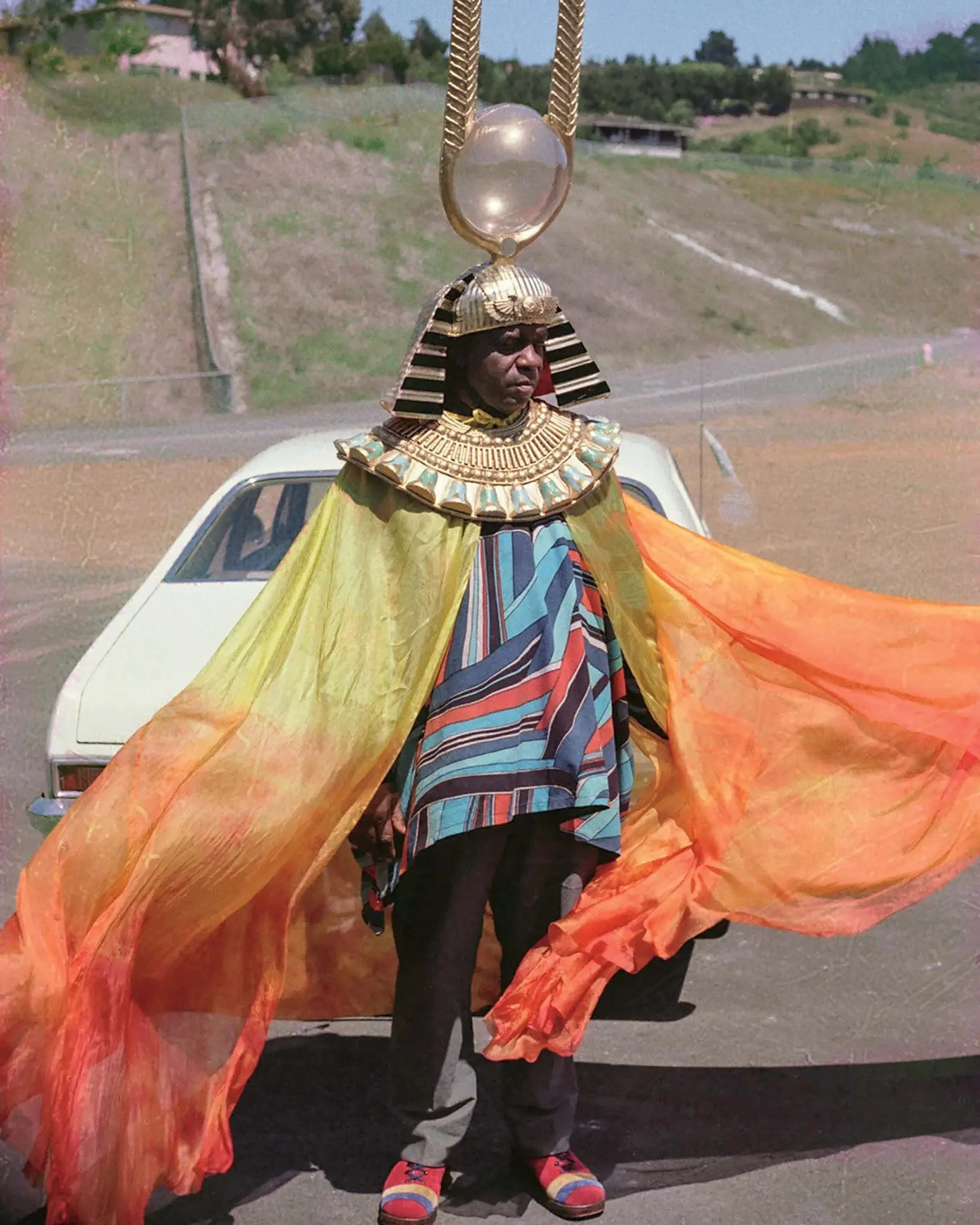
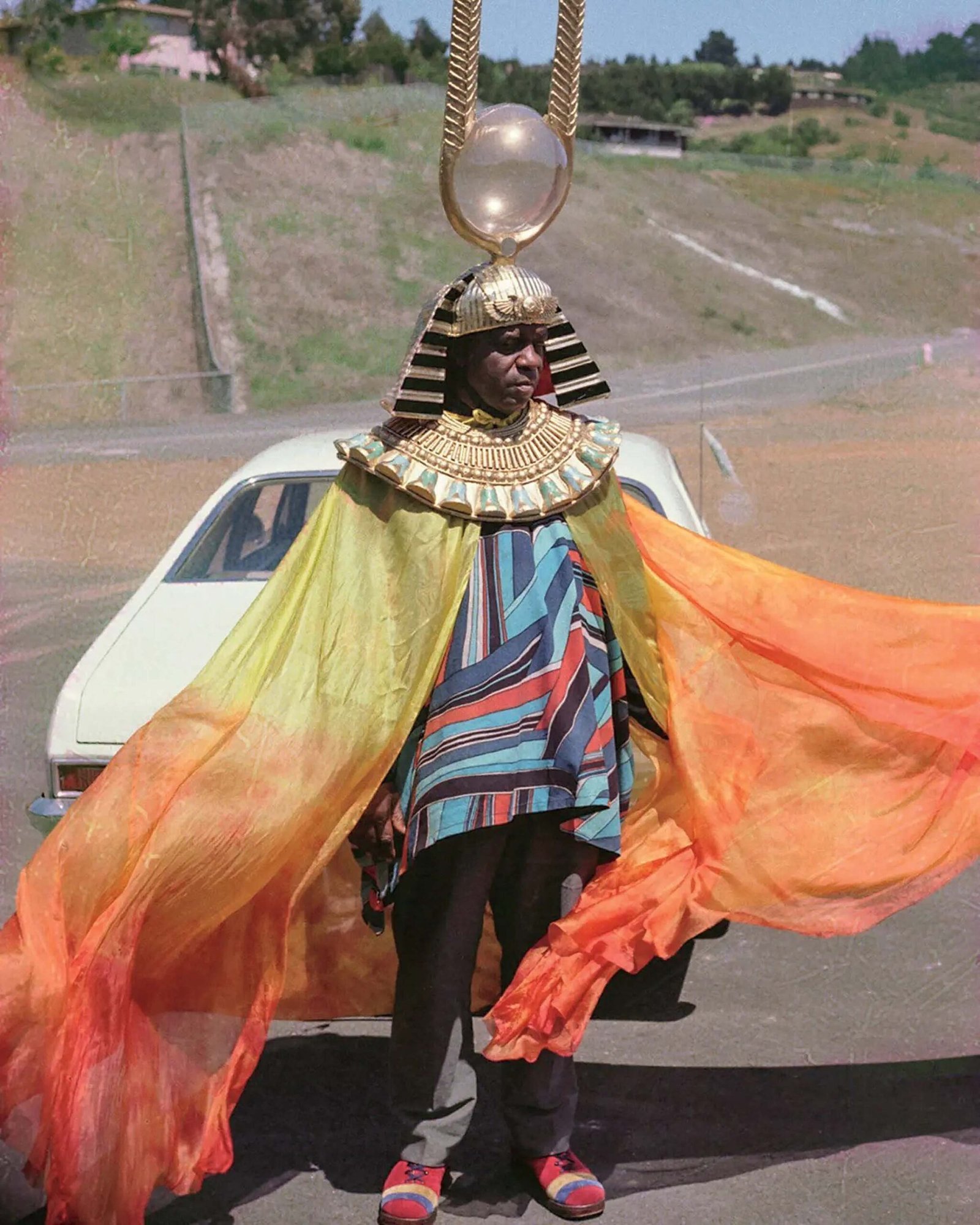
       This is jazz musician Sun Ra, definitely don’t turn up for a client’s first session dressed like this. Unless it’s your thing and they totally expect it.
    This is jazz musician Sun Ra, definitely don’t turn up for a client’s first session dressed like this. Unless it’s your thing and they totally expect it.

    “The whole field of psychedelic therapy is at stake,” says Ethics of Caring author Kylea Taylor.

    Taylor graduated in marriage and family counselling, started on addiction services in 1970s, and worked in the transpersonal sector since the mid-1980s. I should think she’s seen it all.

    “We have to be impeccable, like supreme court justices – not just what we are doing but what it looks like we are doing.” An attitude bordering on the priestly seems to be required of the would-be 21st century shaman. 

    Back at the ancient initiation, everybody in the village was in attendance and could keep vigil on one another: “Likewise in a holotropic breath work session where there are several sitters, and the issue of substance use is void,” says Taylor. The very modern trend for online ceremonies, with huddles, couples and individuals on a video call, offers a robust container of sorts, if a slightly dystopian one.

    “The role requires impeccable preparation for the client’s work in an extraordinary state”

    I pointed out during the Q&A session after a Vital webinar on harm prevention at dance festivals, etiquette between ravers developed organically and quickly in the heady early days of underground, intentional, ceremonial, group sacramental MDMA usage, during the late 1980s and early 1990s.

    That seems like very long ago. In the psychedelic therapy rooms, a new code of behaviour must be established during an age when there are few universal codes; and this in itself has become so confusing that it’s tempting just to assume everyone is following ours. Plus get terribly upset when we find out they aren’t.

    No wonder ‘trust’ has become the professional buzzword of choice. Fortune magazine just launched a newsletter dedicated entirely to the topic of trust earlier this summer, offered to subscribers every Sunday so the 1% can enjoy a hit of piety via smartphone. Companies where the staff trust leadership work quicker and make more money.

    “Trauma comes up for healing when people feel safe and the time is right”

    But reputation marketing firm Edelman’s latest Global Trust Barometer is titled ‘World in Trauma’ and declares ‘double digit trust inequality in 13 out of 14 countries’ meaning the mass population distrusts institutions significantly more than the ‘informed population’. The latter is not defined, but we all get the idea. This gap has reached record levels in the UK and France.

    With even daytime UK TV fitness coach Joe Wicks threatening to “do ayahuasca” the mass population of a world in trauma are likely to turn up at your informed psychedelic clinic. And they probably won’t trust you, but they do want to, and it’s downright key that they do. Because “the extraordinary state makes clients feel even less safe,” reminds Taylor.

    “Trauma comes up for healing when people feel safe and the time is right,” says Taylor, a highly qualified transpersonal psychologist, kundalini energy expert, and holotropic breath work coach.

    “The role requires impeccable preparation for the client’s work in an extraordinary state,” adds Taylor, “If we’re aware of ourselves and behave in an impeccable way then we’re in the best place.”

    Attention to both detail and the bigger picture, following through on all assurances including paperwork, accepting how challenging processes unfold and their use to the inner healer, are all tips from the psychedelic ethicist who helped sculpt the MAPS Code of Ethics and more.

    “You don’t have to be perfect, because no-one is, but you should be compatible and do whatever comes to mind to protect the space. Wish the client truly well on their journey, through your actions as well as words.” Generating and expressing goodwill is apparently one of the three pillars of trust, alongside competency and reliability – and that goes back to Aristotle. If you need to pull out someone more on-brand, there’s always Huxley: “Good is a product of the ethical and spiritual artistry of individuals; it cannot be mass-produced.”

  • Once and future Albion

    Once and future Albion

    Is this actually it? Builded here? Amongst the mills?

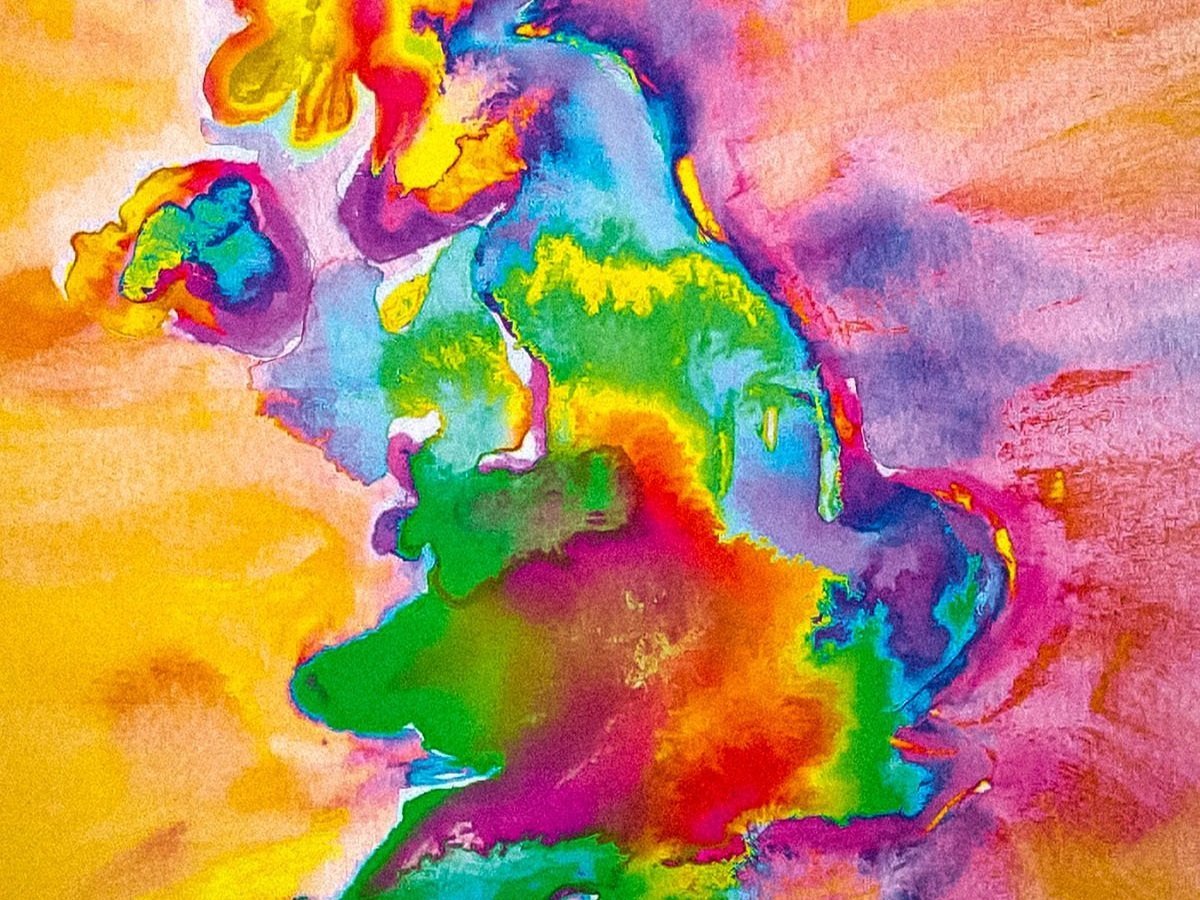
       Jeremy Deller’s 2022 cover for The New Statesman magazine’s ‘A Dream of Britain’ issue      guest edited by actor Michael Sheen
    Jeremy Deller’s 2022 cover for The New Statesman magazine’s ‘A Dream of Britain’ issue guest edited by actor Michael Sheen

    “It’s a hopeful, optimistic interpretation… blended, dynamic, fantastical,” says British artist Jeremy Deller of his vivid cartographic A Dream of Britain pictured above. 

    The vibrant painting of the United Kingdom closed the British Museum’s smash Stonehenge show of spring/summer 2022. Deller is colourblind so sees it differently to you and I. This he says reflects a national identity that is forever intersubjective, and in flux.

    In issue one of the Vital Student Zine I pulled out Albion Dreaming, Andy Roberts’ history of psychedelic Britain: “From the Sixties onwards sections of the counter culture used the term Albion to refer to their vision of a land, society and individual consciousness based on the insights offered by LSD,” writes Roberts of the romantic goal gathering pace in pop culture.

    All the big gun historians from Pliny the Elder, through Marinus of Tyre, to Geoffrey of Monmouth cite Albion as the original name for these sceptred (in a non-dual way) isles. The legend is kick-ass (arse). First, the original King of Syria, or a King of somewhere in Greece maybe, had 43 (or possibly 33) illegitimate daughters who all got married on the same day, killed their husbands on the same night, and fled right here. Where there were no men. So they had it off with incubi – the male equivalent of a saucy ‘succubus’ sex demon – and produced a race of giants. The sisters named the place after their alpha female, Alba.

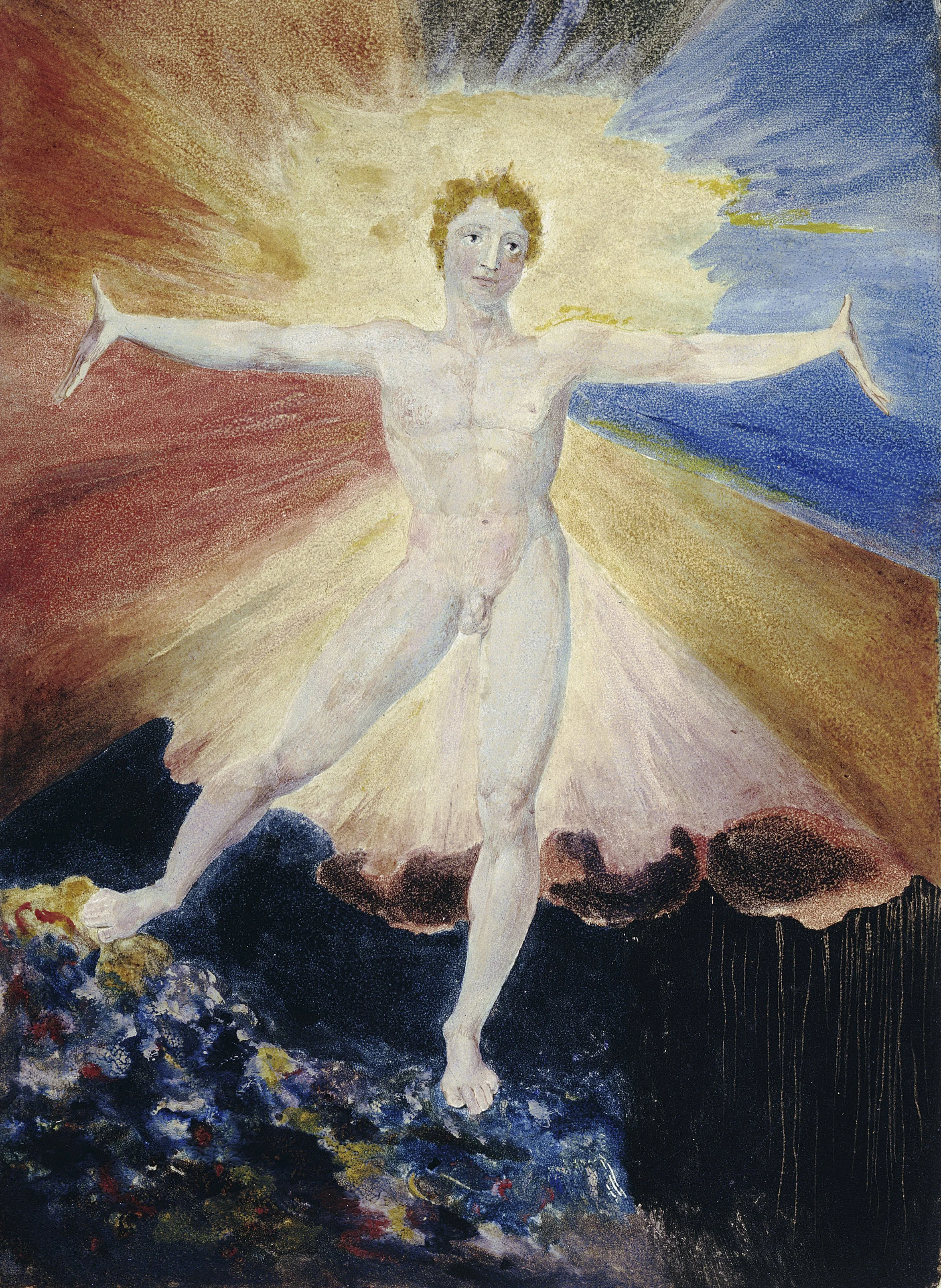
        William Blake     ’s ‘The Dance of Albion'
    William Blake ’s ‘The Dance of Albion’

    In the sequel, beleaguered Brutus of Troy is fleeing his eponymous horse fiasco when the freaking goddess Diana appears and tells him to voyage beyond Gaul to “raise a second Troy”. There were only 24 giants left by then including the fearsome Gogmagog, who got chucked off the white cliffs of Dover. That’s my GoT-style swashbuckling version with apols to Geoffrey of Monmouth and the crew.

    “To the counter culture Albion refers to a land, society and individual consciousness based on the insights offered by LSD”

    Any sort of ‘New Albion’ got off to an auspicious start after Sir Francis Drake used it as the first name for California upon landing in 1579. Since then it’s had further ups-and-downs. Esoteric saint, the poet and painter, William Blake named Albion ‘the primeval titan’ from which his four aspects of man sprang, and pictured it as a giant wearing nothing but a broad grin against a rural Utopian background featuring splashes of pastel colour… apropos of nothing.

    Blake invokes Albion when in need of a term to idealise Britain: his Vision of the Daughters of Albion is a feminist protest poem influenced by his friend, and collaborator, Mary Wolstencraft Shelle. And he cries “does this thing happen on Albion’s shores?” in Little Boy Lost, an ode against child cruelty. The English cricket, rugby, and Commonwealth Games athletic teams all use Blake’s proto-socialist hymn Jerusalem instead of the official national anthem.

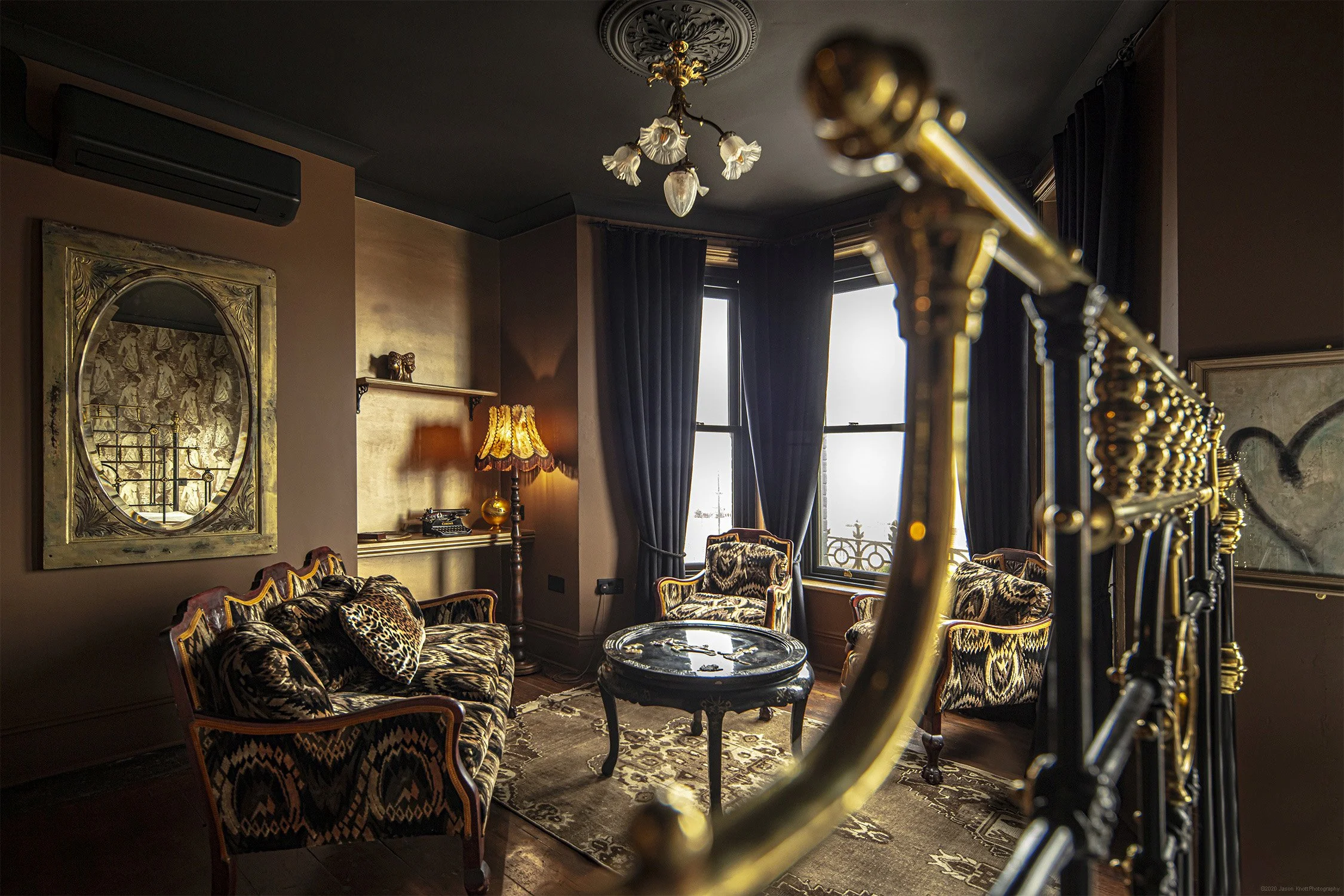
       Pete Doherty’s Margate HQ      The Albion Rooms
    Pete Doherty’s Margate HQ The Albion Rooms

    Shadow side ‘Perfidious Albion’ was a term invented by French bishops to bemoan England’s Dark Ages clerical set-up. Later, French Revolutionaries assumed support from the country that toppled its monarchy and installed a puppet aristocracy a century previous. When it didn’t come, the former miserables ran with the term propagandising an, erm, supposed track record of diplomatic betrayal, even bringing up the whole Joan of Arc thing again which everyone knows they were in on.

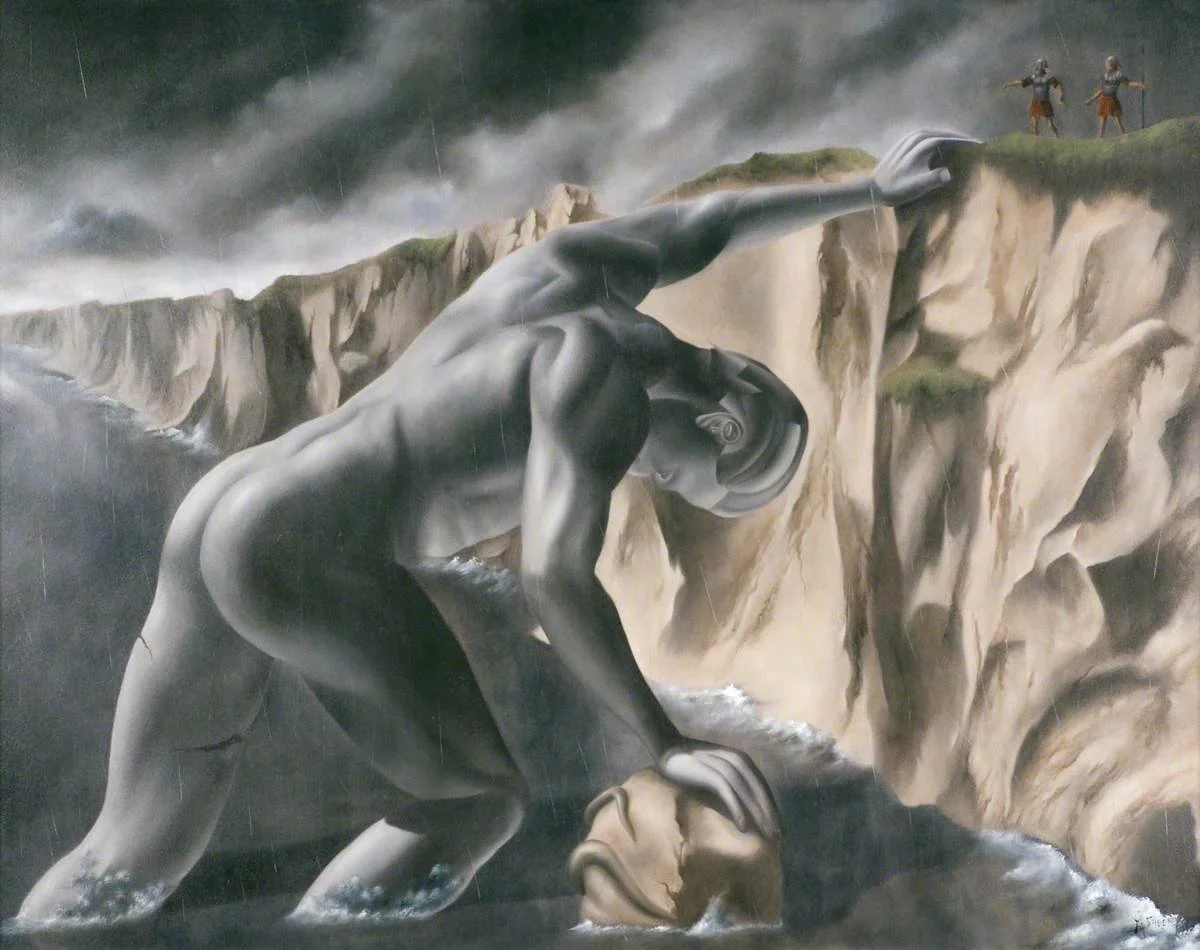
       ‘Two Roman Legionaries Discovering The God-King Albion Turned Into Stone’ by Mark Sheeky
    ‘Two Roman Legionaries Discovering The God-King Albion Turned Into Stone’ by Mark Sheeky

    Two Roman Legionaries Discovering The God-King Albion Turned Into Stone is a 2008 painting by Mark Sheeky. He says, “It’s inspired by Brief Encounter, a film from 1949 that showed a Britain which no longer exists, a country and time so alien to the Britain of 2008 that it is difficult to believe that a place like that ever existed. I wanted to represent the end of that old Britain, so I chose the end of another era as the setting. Two foreigners, Roman legionaries, walk towards the edge of Britain in the grey rain. Through mud, to the grassy limit of the country, the top of the great white cliffs. As they reach the edge they discover a giant stone man standing in the sea, the once king Albion, now dead and grey and cracked. A statue preserved like a memory. A reminder of an ancient time now gone forever.”

    Or has it? Under re-story-ation rules fiction can be considered as powerful as the imagined past, right? And in terms of syncronicitous relevance, the phrase Albion cropping up like this must be some sort of sign?

    “I’m not an activist, I’m a fantasist”

    Here in C21 the Dionysus figure of our second Atlantis, musician Pete Doherty evokes Albion so strenuously that he’s opened a hotel in Margate (it’s like Portland crossed with Oakland, by the sea) called The Albion Rooms. “Reebok classics, and canons at dawn; terrible warlords, good warlords, and an English song” goes Doherty’s band Babyshambles’ gentle rabble-rouser Down in Albion. “I’m not an activist, I’m a fantasist. Inverted snobbery is just as dangerous as snobbery itself, you know – that pride in having nothing,” he says.

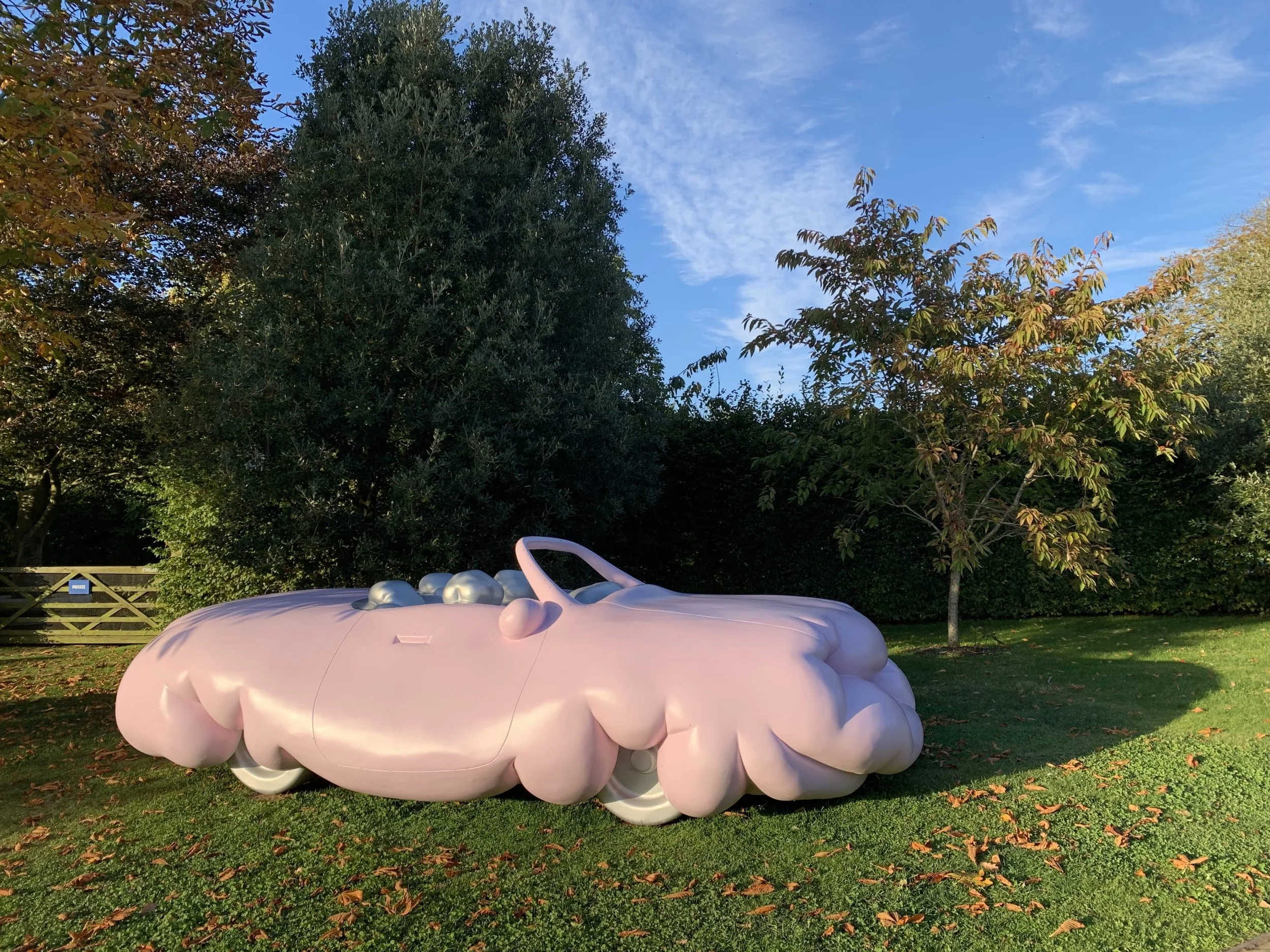
       By Erwin Wurm at      Albion Fields      sculpture park
    By Erwin Wurm at Albion Fields sculpture park

    Over at the other end of the quantum funnel from this grass-roots desire for a new national identity lies Albion Fields sculpture park, open till end of October 2022. It’s an outdoor exhibition free to anyone but to which nonetheless ‘the glitterati are flocking’ according to Tatler magazine. 

    The woodland’s owner (in fact it was planted at his birth) is Michael Hue-Williams, an art dealer who first showed Ai Weiwei in the UK and represents generation-defining photographer Nick Knight. He says, ‘Walking through these beautiful grounds during lockdown, I realised I have a unique opportunity to share the experience.’ Perhaps reciprocity can exist at all levels. Once and future.