To finish: trippy clippings, merry pranks, and psychedelic student life

Graph of the Week
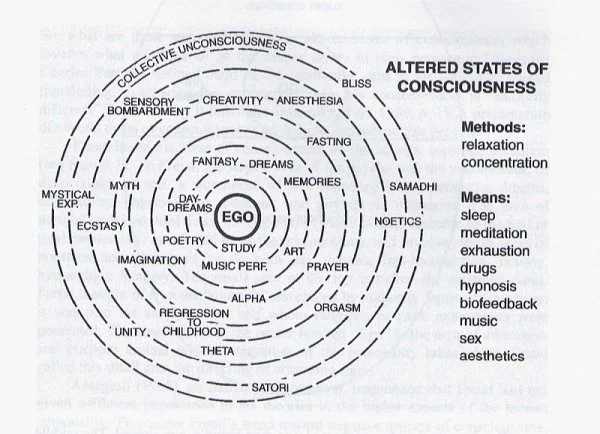
There’s no healing without clearing. Nor chanting. Spirits neither
My bookshelf weighs a ton
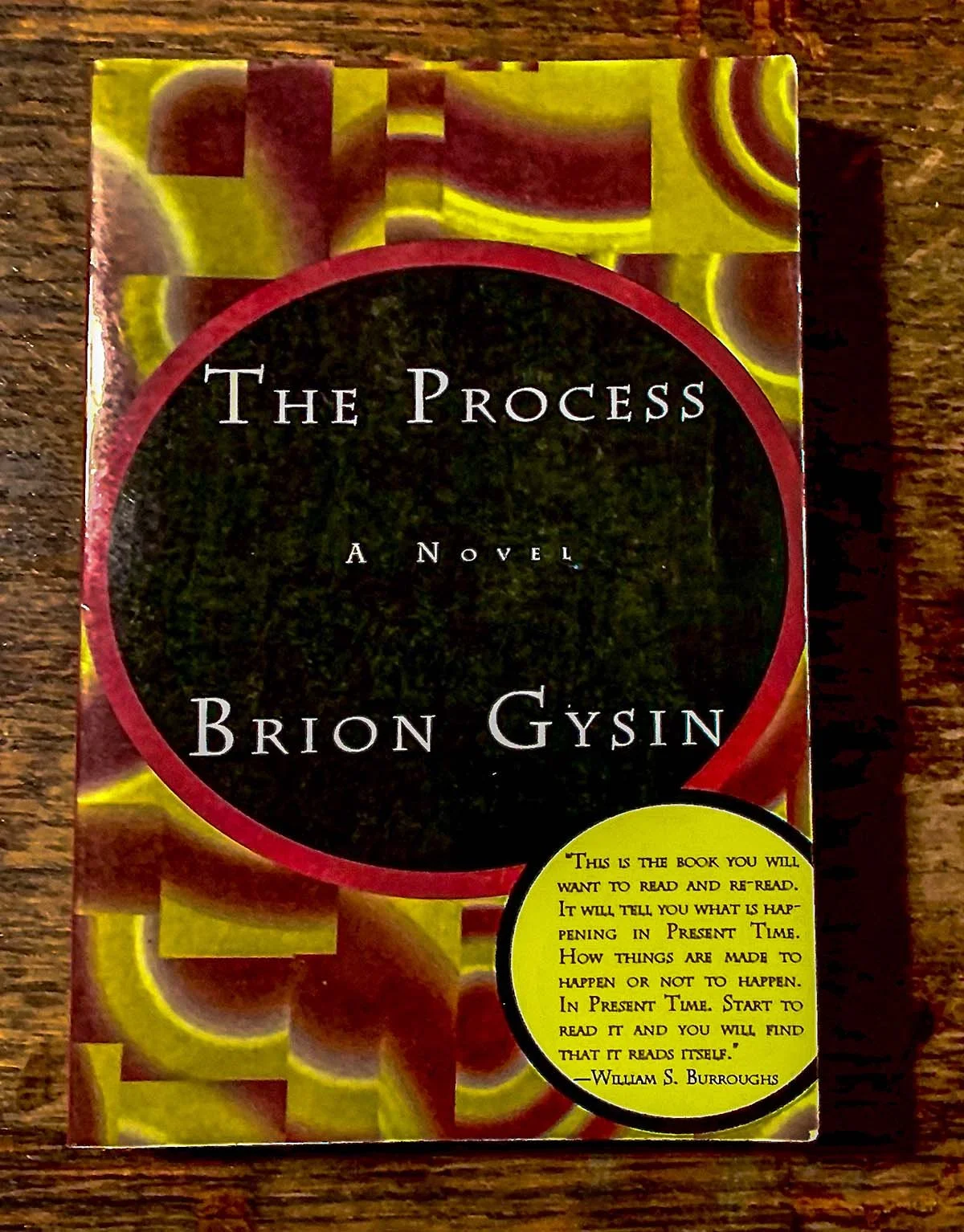
Notable new purchases for the occult library. This week: The Golden Bough by James George Frazer – new full edition
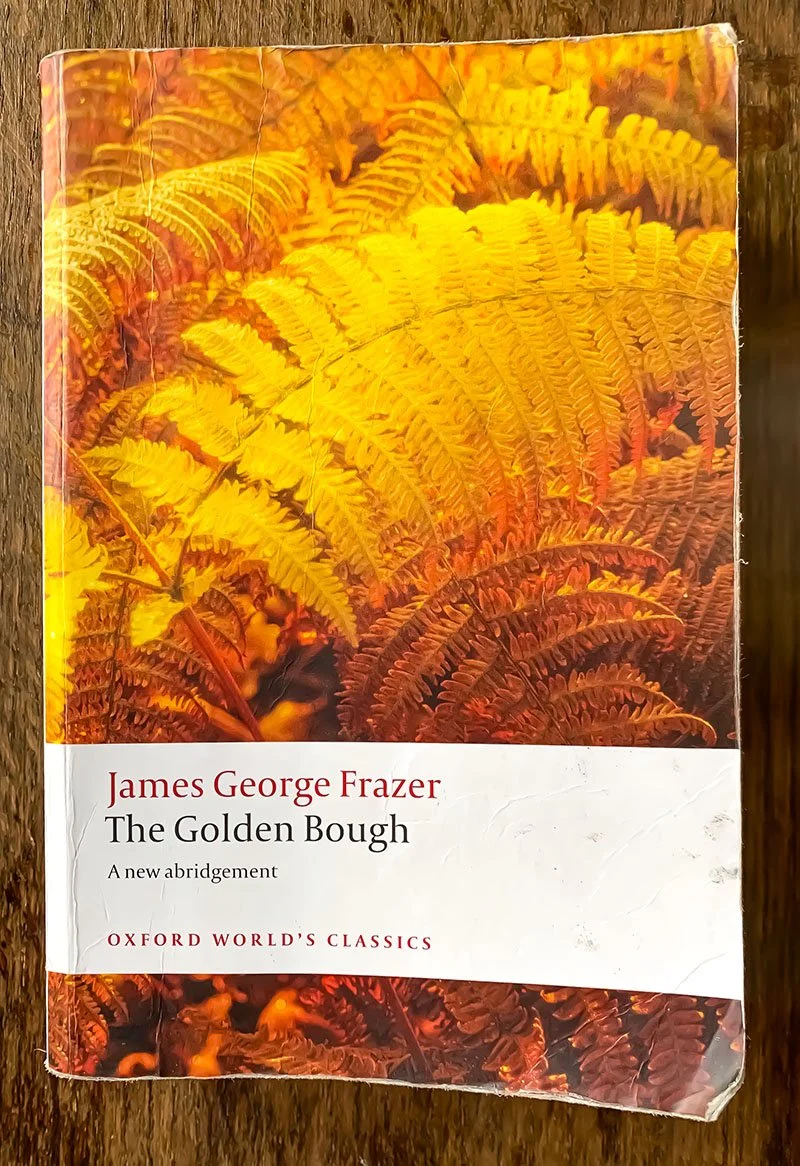
The forst full version of the Victorian pop-anthropology classic has all the most triggering ideas in one volume. The Golden Bough continues to outrage audiences, as it pricks the Western world’s lack of humility. Not only by illustrating how indigenous customs reflect timeless values, but also by suggesting rituals we label ‘savage’ are played out in cultures who consider themselves eminently more civilised.
It’s where Robert Graves found divine inspiration for The White Goddess, René Girard gave Fraser props in Things Unsaid Since the Beginning for the World. Lovecraft seized on its air of intefatigable, ancient ambivalence his mythos. Wittgenstein wrote a book deploring its colourfully gory naturalistic nihilism, and The Golden Bough appears on Colonel Kurtz’s bedside table in Apocalypse Now.
Fraser bottled it back in the day, but this collection features his punchline – Christ’s crucifixion was basically a human sacrifice.
Editor Robert Fraser’s based at my own alma mater, University of London’s Royal Holloway College (RHC) – described as “a party university” by one of my Vital tutors (yes indeed). Despite its non-intentional reputation RHC, nestled in leafy Surrey, attracts thrusting minds like sex and drugs researcher Alex Aldrydge plus Vital lecturer Ashleigh Murphy-Beiner, joining the likes of Dystopia author Gregory Claeys (who taught me Victorian philosophy).


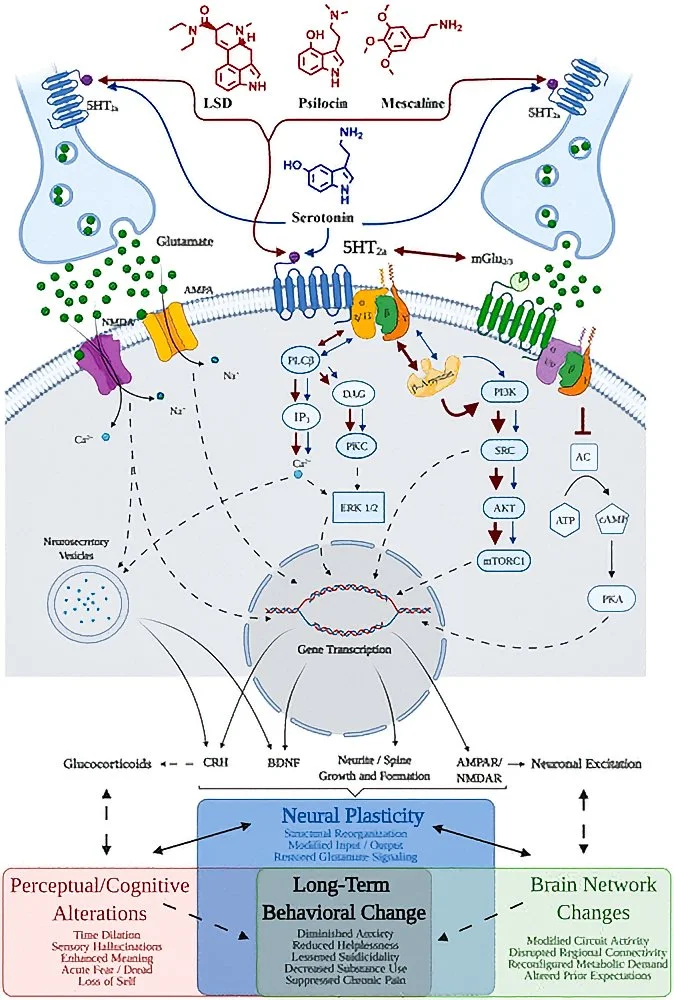

![Figure 1: ’A model of psychedelics instrumentalisation by early humans, and of the evolutionary consequences of its intergenerational recurrence. The left side represents the process of instrumentalisation, which can occur repeatedly across the life-span of a generation of hominins. The right side represents the process of niche-construction supporting gene-culture coevolution across generations as populations construct and bequeath transformed ecological and social environments that exercise selective influences on following generations (Odling-Smee et al., 2003). The left side of the diagram portrays potential selective advantages conferred by psychedelic use under the socio-ecological conditions in which our ancestors evolved. The right side illustrates the process of selective feedback through which psychedelic instrumentalisation could have enhanced the creation and evolution of the human socio-cognitive niche. The four coloured boxes on the left represent the major aspects of the emerging human adaptive complex that created the socio-cognitive niche; these involve skills and processes potentially amplified by psychedelic instrumentalisation, with the two-directional arrows between the boxes representing the interconnectedness of these competence realms that coevolved in creating our unique adaptation mode. The emergence and persistence of this adaptive complex across human evolution permitted the progressive construction of socially modified environments (represented by the green box at the right side of the diagram) that in turn selected for enhancements in the same underlying human propensities and capabilities (represented by arrows with a plus [+] sign) that sustained the socio-cognitive niche.’ From: Psychedelics, Sociality, and Human Evolution by José Manuel Rodríguez Arce and Michael James Winkelman, published in Frontiers of Psychology, September 2021.](https://images.squarespace-cdn.com/content/v1/63fb335b3e9a0668574e3bd3/1677407310318-EWZ4V9Z3YK5MVB3CSH19/A+model+of+psychedelics+instrumentalization+by+early+humans%2C+and+of+the+evolutionary+consequences+of+its+intergenerational+recurrence_.jpg?format=original)